
-
AboutHebei Linaier Rubber Products Co., Ltd. is located in Duqiao Industrial Zone, Jingxian City, Hebei Province, adjacent to Dezhou, Shandong. Founded in early 2001 with a registered capital of 35 million yuan, it is a scientific

-
ProductMain products: vertical and horizontal imported and domestic filter plates, diaphragm plates, diaphragms and accessories; pinch valve sleeves and pinch valves and various mining accessories.
-
NewsIn 2013, our company's high-pressure cylinder with phenolic cloth support and guide ring obtained the national key new product certificate, project number: 2013GRA20011; its products in coal cylinders and engineering hydrauli
-
ServiceWe will actively cooperate with more enthusiasm, strengthen internal management, expand the market externally, improve various performance indicators of existing products, and truly achieve our win-win situation!
-
RecruitmentOur company always adheres to the talent concept of "people-oriented", provides a growth platform for talents, and realizes the common growth and development of enterprises and talents.


 Esperanto
 Shqiptare
 Euskara
 Zulu
Zulu
 Latinus
 Cymraeg
 தமிழ்
தமிழ்
 Slovak
 Slovak
 Afrikaans

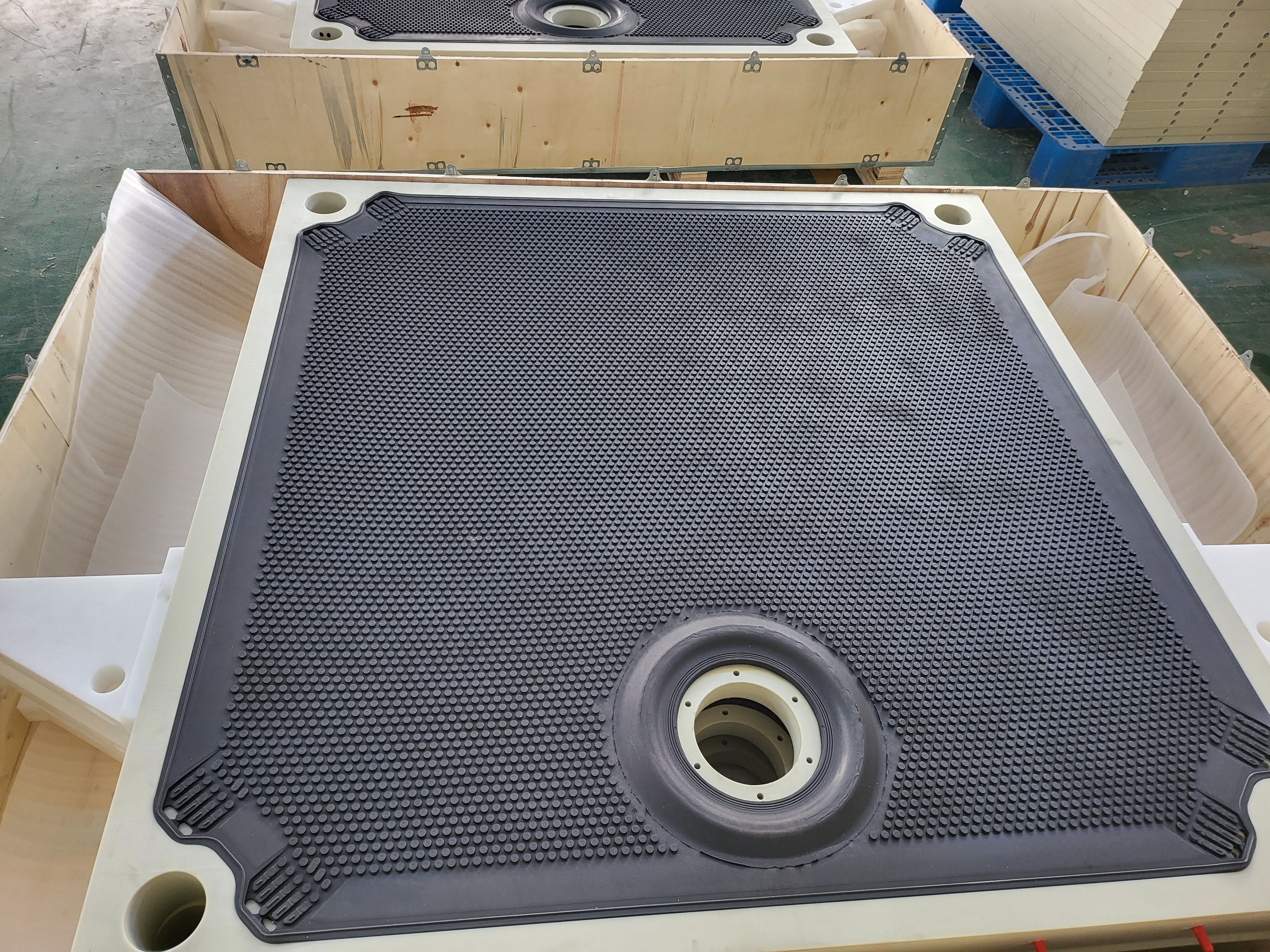
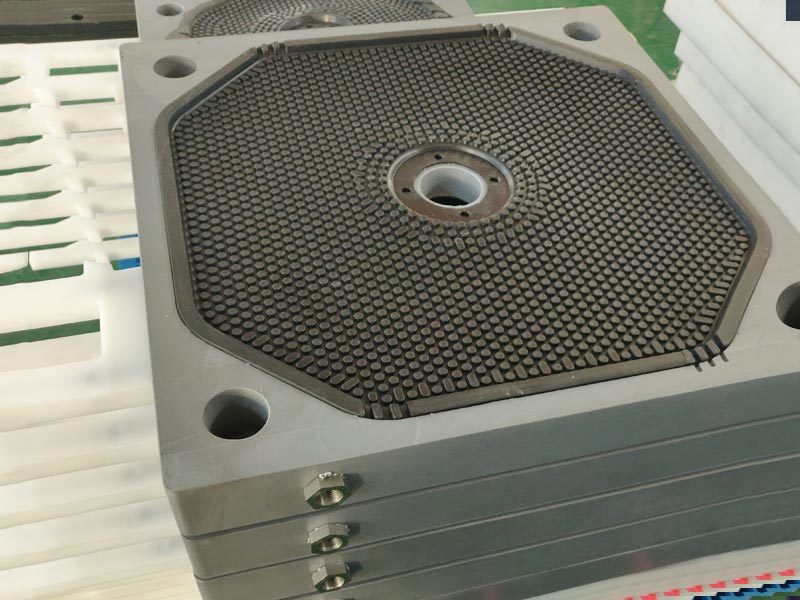
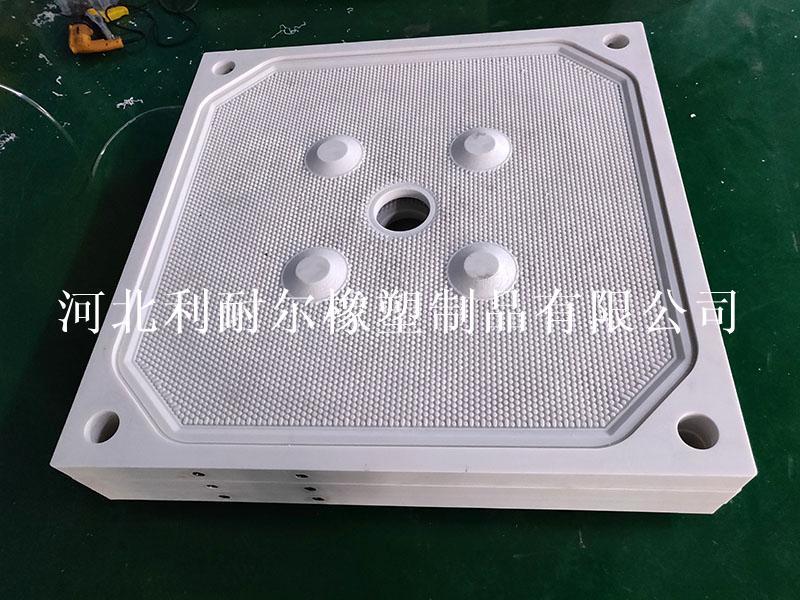
The Essential Guide to 800 Filter Plates in the Chemical and Plastic Industry
Release time:
2026-01-24
In the realm of chemical processing and plastic manufacturing, 800 filter plates play a crucial role in ensuring efficient filtration and separation processes. These plates are specifically designed to handle a variety of materials, making them an essential tool for companies working with different types of plastics and chemicals. The primary function of an 800 filter plate is to act as a barrier
In the realm of chemical processing and plastic manufacturing, 800 filter plates play a crucial role in ensuring efficient filtration and separation processes. These plates are specifically designed to handle a variety of materials, making them an essential tool for companies working with different types of plastics and chemicals.
The primary function of an 800 filter plate is to act as a barrier that separates solids from liquids. This is particularly important in industries where purity and quality of the final product are paramount. The filtration capabilities of these plates allow for the removal of contaminants that could compromise the integrity of chemical formulations or plastic products. As a result, utilizing 800 filter plates can lead to higher-quality outputs and reduced production costs due to fewer defects.
One of the defining features of the 800 filter plate is its versatility. They come in various sizes and configurations, making them suitable for numerous applications, from water treatment to the filtration of various chemical solutions. When selecting an 800 filter plate, it is essential to consider factors such as the type of material being filtered, the temperature and pressure conditions, and the required flow rates. This ensures that the chosen filter plate aligns with the specific operational needs, ultimately optimizing the filtration process.

Another important aspect to consider is maintenance. Ensuring that 800 filter plates are properly maintained and cleaned can significantly extend their lifespan and improve their performance. Regular inspection for wear and tear is advisable, as this can prevent costly downtime. Cleaning protocols should be established based on the material being processed, as different chemicals may require specific cleaning agents to avoid damaging the filter plates.
Furthermore, the integration of 800 filter plates into existing systems can lead to improved efficiency. Companies can benefit from reduced energy consumption and longer equipment life when implementing the right filtration technology. Additionally, the advancements in filter plate materials and designs have led to enhanced durability and resistance to chemical degradation, providing even greater reliability in demanding environments.
In conclusion, the 800 filter plate is a vital component in the chemical and plastic industries. Its ability to optimize filtration processes, improve product quality, and enhance operational efficiency makes it an indispensable tool. By understanding the functionality and maintenance of these filter plates, companies can make informed decisions that contribute to their overall productivity and success. Whether you are looking to enhance your current filtration systems or seeking to understand the benefits of incorporating 800 filter plates, this knowledge can empower you to make strategic advancements in your operations.
Related News