

-
AboutHebei Linaier Rubber Products Co., Ltd. is located in Duqiao Industrial Zone, Jingxian City, Hebei Province, adjacent to Dezhou, Shandong. Founded in early 2001 with a registered capital of 35 million yuan, it is a scientific

-
ProductMain products: vertical and horizontal imported and domestic filter plates, diaphragm plates, diaphragms and accessories; pinch valve sleeves and pinch valves and various mining accessories.
-
NewsIn 2013, our company's high-pressure cylinder with phenolic cloth support and guide ring obtained the national key new product certificate, project number: 2013GRA20011; its products in coal cylinders and engineering hydrauli
-
ServiceWe will actively cooperate with more enthusiasm, strengthen internal management, expand the market externally, improve various performance indicators of existing products, and truly achieve our win-win situation!
-
RecruitmentOur company always adheres to the talent concept of "people-oriented", provides a growth platform for talents, and realizes the common growth and development of enterprises and talents.


language
English
العربية
বাংলাদেশ
Български
Hrvatski
Česky
Dansk
Nederland
 Esperanto
Slovenski
Filipino
Suomi
Français
Maori
 Shqiptare
Georgian
 Euskara
Deutsch
Ελλάδα
ישראל
इंडिया
Magyarország
Ísland
Indonesia
Irlanda
Italia
日本語
Sovensko
Հայաստան
한국
Kyrgyz
ປະເທດລາວ
 Zulu
Latvian
Lithuanian
Luxembourgish
 Latinus
Macedonian
Малайская
Maltese
Монгол улс
 Cymraeg
ဗမာ
 தமிழ்
नेपाल
Norge
ایران
Polska
Portugal
România
Российская
Србија
 Slovak
Србија
 Slovak
Bosanski
Slovenian
Беларус
España
Sverige
Точик
ประเทศไทย
Türk
Azərbaycan
Uzbek
 Afrikaans
Việt Nam

Key Features to Look for in High-Quality 880 Filter Plates
Release time:
2026-11-10
Author:
Key Features to Look for in High-Quality 880 Filter Plates When it comes to industrial filtration processes, **880 filter plates** play a crucial role in ensuring optimal efficiency and product quality. Selecting the right filter plates can significantly impact your operation, affecting everything from filtration speed to product purity. This article delves into the **key features** to consider wh
Key Features to Look for in High-Quality 880 Filter Plates
When it comes to industrial filtration processes, **880 filter plates** play a crucial role in ensuring optimal efficiency and product quality. Selecting the right filter plates can significantly impact your operation, affecting everything from filtration speed to product purity. This article delves into the **key features** to consider when evaluating high-quality 880 filter plates, guiding you towards making informed purchasing decisions.
Table of Contents
1. Understanding 880 Filter Plates
2. Importance of Material Selection in Filter Plates
3. Dimensions and Design: Ensuring Compatibility
4. Performance Metrics: What to Measure
5. Filter Media Options: Choosing the Right Type
6. Maintenance and Longevity: Keeping Your Plates in Top Shape
7. Cost vs. Value: Getting the Best Return on Investment
8. Trends in Filter Plate Technology
9. Frequently Asked Questions
10. Conclusion
Understanding 880 Filter Plates
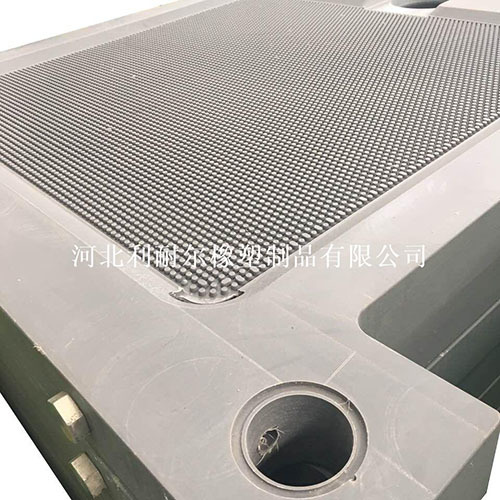
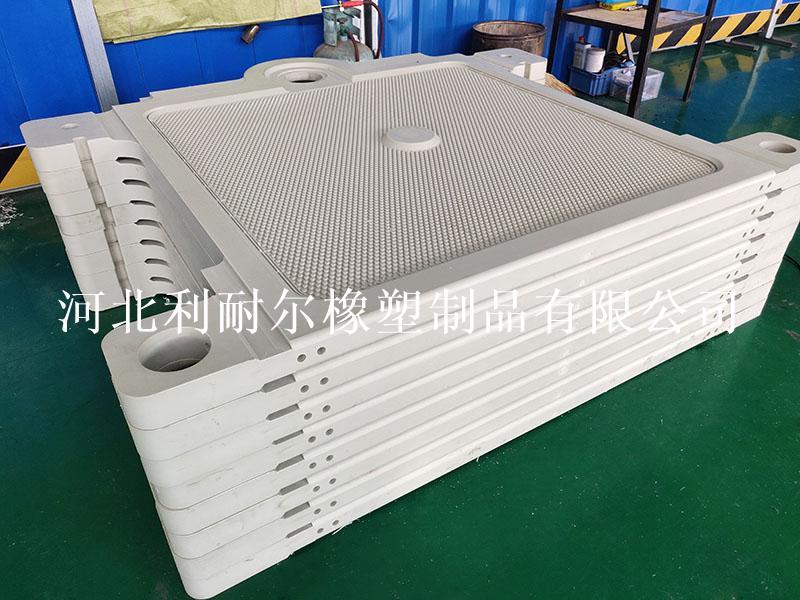
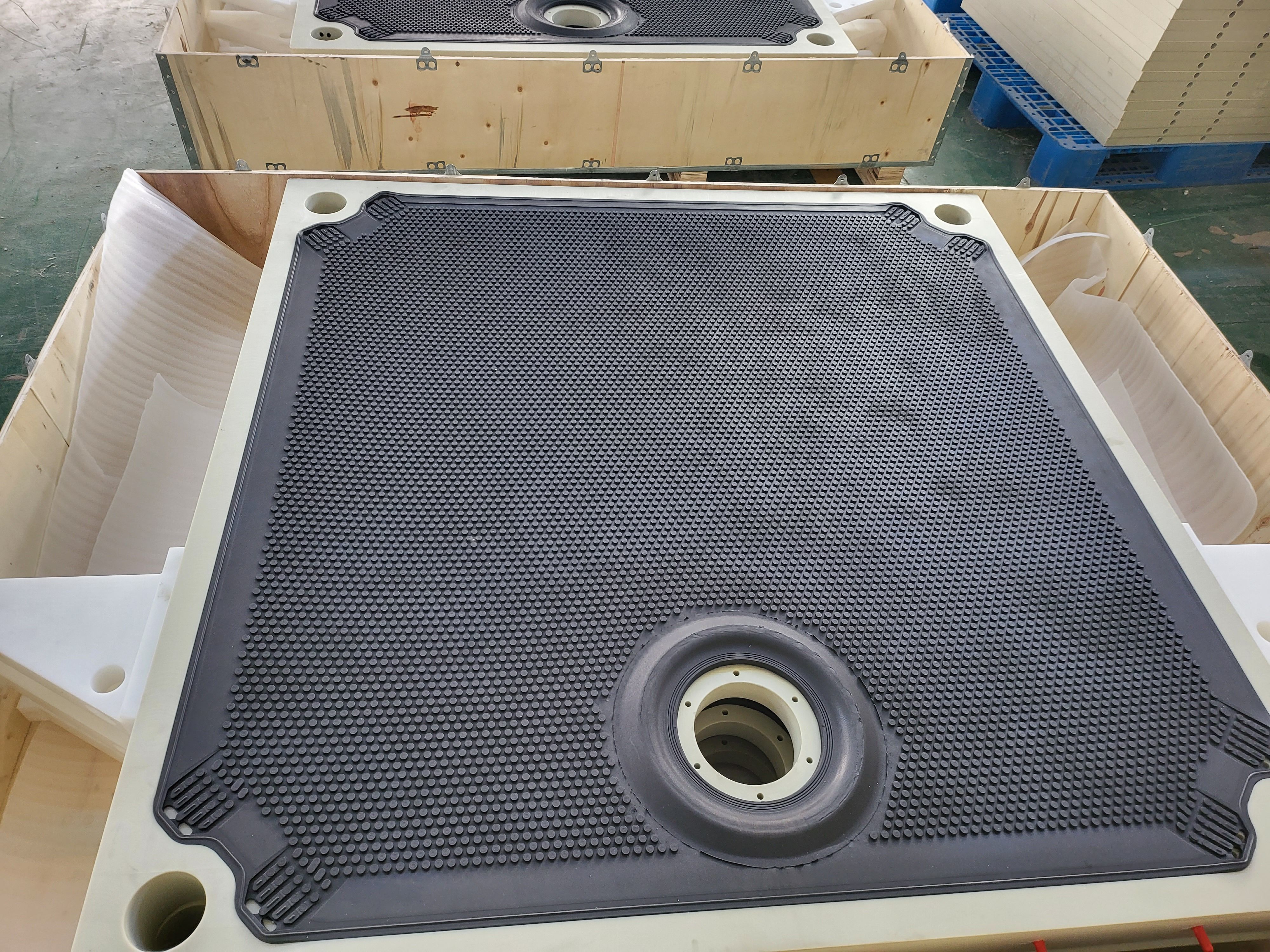
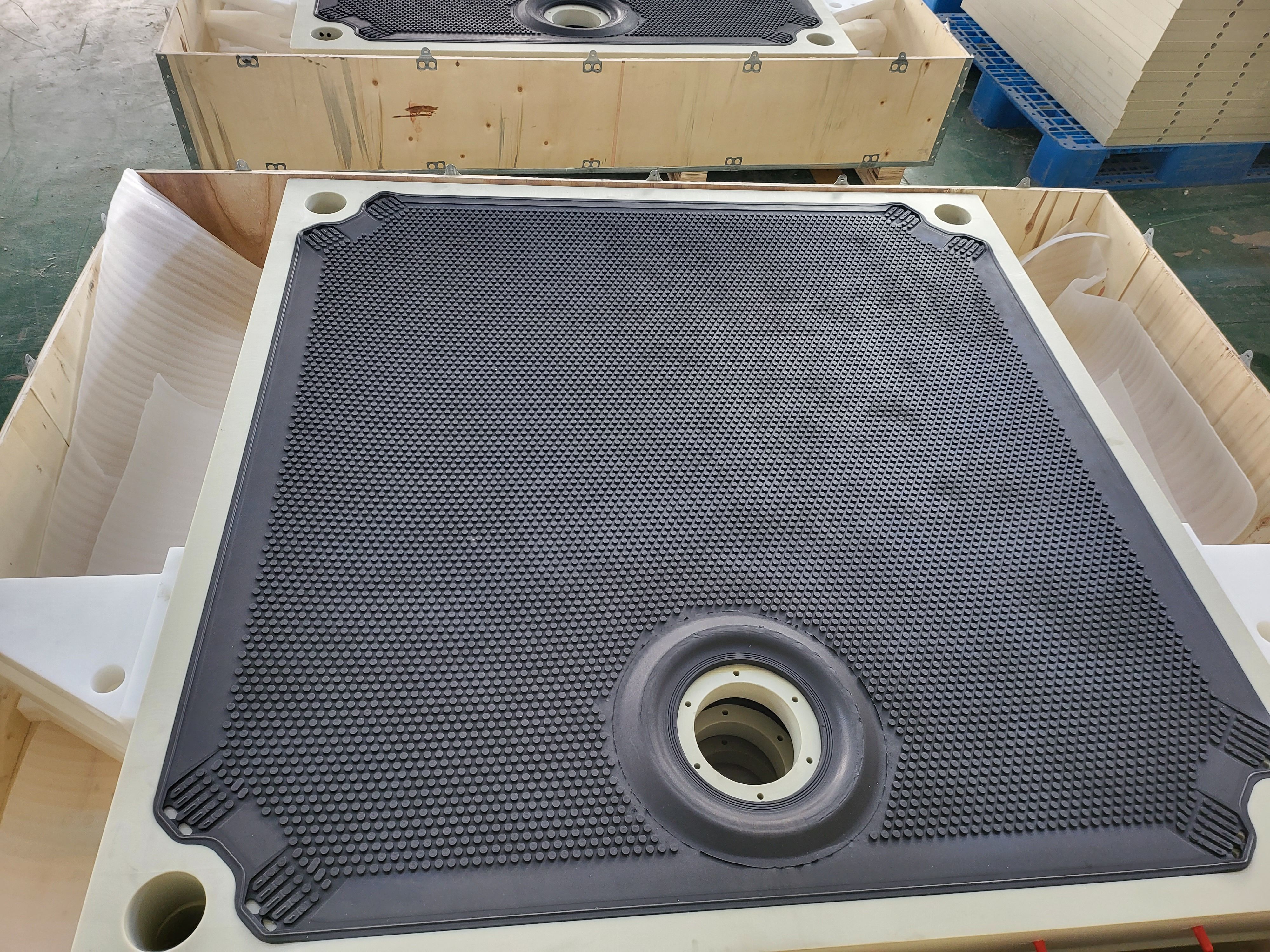
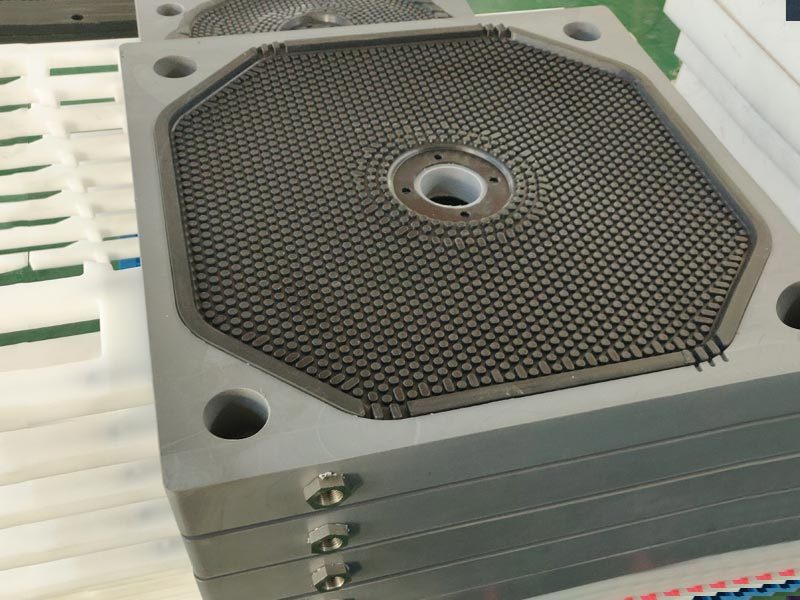
880 filter plates are specialized components used in various industrial filtration applications, particularly in the food, chemical, and pharmaceutical industries. These plates are designed to separate liquids and solids efficiently, ensuring that the final product meets stringent quality standards.
The numbering "880" indicates specific dimensions and design features that allow these plates to fit into certain filtration systems. Understanding the unique characteristics of 880 filter plates is essential for optimizing your filtration process.
Importance of Material Selection in Filter Plates
The **material** of a filter plate has a direct impact on its performance, durability, and overall efficiency. High-quality filter plates are typically made from materials such as polypropylene, stainless steel, or other corrosion-resistant materials. Each material offers distinct advantages:
- **Polypropylene**: Lightweight and resistant to chemical attack, making it ideal for a wide range of applications.
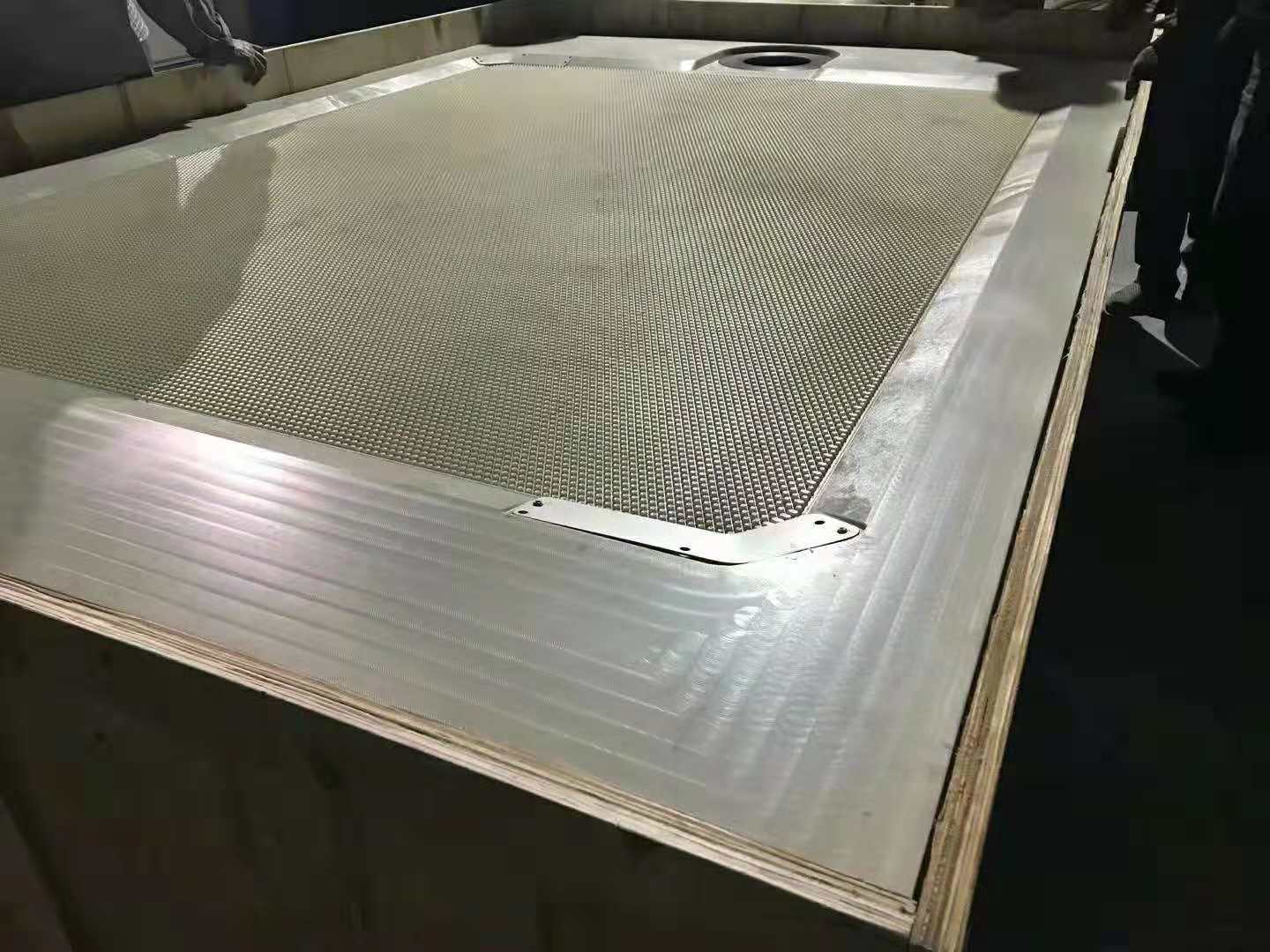
- **Stainless Steel**: Offers superior strength and durability, suitable for high-temperature applications and environments with harsh chemicals.
When selecting filter plates, consider the specific nature of your application, as well as any regulatory requirements that may dictate the materials used.
Dimensions and Design: Ensuring Compatibility
The **dimensions** and **design** of 880 filter plates are critical for ensuring compatibility with your existing filtration systems. The plates must fit precisely within the filtration unit to maintain optimal flow rates and prevent leaks.
Consider the following when evaluating dimensions and design:
- **Size Specifications**: Ensure that the filter plates conform to the specified dimensions required by your system.
- **Thickness**: Thicker plates may offer greater durability but can also affect flow dynamics. Ensure you select a thickness that balances durability with performance.
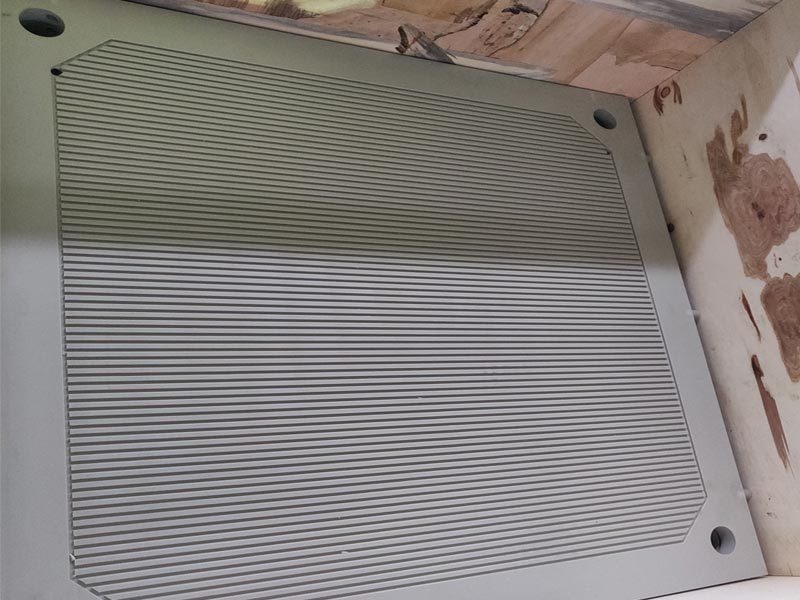
- **Drainage Design**: Look for features that facilitate efficient drainage to minimize residue build-up and enhance cleaning.
Choosing the right dimensions and design will minimize downtime and maximize operational efficiency.
Performance Metrics: What to Measure
To assess the quality of 880 filter plates, several **performance metrics** must be evaluated:
- **Filtration Rate**: This measures how quickly a plate can filter liquids. A higher filtration rate indicates better efficiency.
- **Retention Capacity**: The ability of the filter plate to retain solids without compromising flow is crucial. Plates with higher retention capacities can handle more substantial workloads.
- **Pressure Drop**: This metric evaluates the resistance to flow. A lower pressure drop indicates that the plates allow for easier flow, enhancing overall efficiency.
Regularly monitor these performance metrics to ensure that the filter plates are meeting operational standards.
Filter Media Options: Choosing the Right Type
Selecting the appropriate **filter media** is critical for achieving the desired filtration results. Common media options include:
- **Mesh Filters**: Ideal for coarse filtration, mesh filters effectively separate larger particles from liquids.
- **Depth Filters**: These filters offer a more substantial surface area for capturing smaller particles, making them suitable for finer filtration applications.
- **Activated Carbon**: For applications requiring odor and taste removal, activated carbon filters are an excellent choice.
Evaluate the specific requirements of your filtration process to choose the most effective filter media.
Maintenance and Longevity: Keeping Your Plates in Top Shape
Proper **maintenance** is essential for prolonging the lifespan of 880 filter plates and ensuring optimal performance. Consider the following maintenance practices:
- **Regular Cleaning**: Establish a cleaning schedule to remove built-up residues that can hinder performance.
- **Inspection**: Regularly inspect filter plates for signs of wear or damage. Early detection can prevent costly replacements.
- **Storage**: Store unused filter plates in a dry, clean environment to prevent degradation.
Implementing a proactive maintenance plan will help you maximize the longevity and efficiency of your filter plates.
Cost vs. Value: Getting the Best Return on Investment
When evaluating filter plates, it's essential to consider **cost vs. value**. While opting for lower-priced plates may seem economically advantageous, they may not deliver the performance or durability required for your applications.
- **Initial Cost**: Analyze the upfront cost of the filter plates in relation to your budget.
- **Operational Efficiency**: Consider how the quality of the filter plates can affect overall operational efficiency. Higher-quality plates may lead to reduced downtime and lower maintenance costs.
- **Long-term Savings**: Investing in durable, high-performance filter plates can result in significant long-term savings by minimizing replacements and maximizing productivity.
Ultimately, a careful evaluation of cost vs. value will lead to a more informed purchasing decision.
Trends in Filter Plate Technology
As the industrial filtration landscape evolves, several key **trends** are shaping the development of 880 filter plates:
- **Sustainability**: Increasing focus on sustainable materials and manufacturing processes to reduce environmental impact.
- **Smart Technology**: Integration of smart sensors and automation features to provide real-time monitoring and maintenance alerts.
- **Customization**: Growing demand for customizable filter plates tailored to specific industrial needs.
Staying informed about these trends will help you remain competitive and ensure that you are using the latest technology for your filtration processes.
Frequently Asked Questions
1. What are the typical uses of 880 filter plates?
880 filter plates are commonly used in industries such as food processing, pharmaceuticals, and chemical manufacturing for liquid-solid separation.
2. How often should filter plates be replaced?
The replacement frequency depends on the specific application, usage intensity, and maintenance practices. Regular inspections can help determine when a replacement is necessary.
3. Can I use any filter media with 880 filter plates?
Not all media are suitable for all filter plates. Be sure to check compatibility based on your specific filtration needs.
4. Are there any specific cleaning techniques for filter plates?
Cleaning techniques can vary depending on the material and type of residue. Common methods include washing with water, using chemical cleaners, or employing ultrasonic cleaning.
5. How do I select the right supplier for 880 filter plates?
Consider factors such as the supplier's reputation, product quality, customer service, and warranty options when selecting a supplier.
Conclusion
Choosing the right **880 filter plates** is vital for enhancing the efficiency and effectiveness of your filtration processes. By understanding the key features to look for—such as material selection, dimensions, performance metrics, and maintenance—you can make informed decisions that will benefit your operations in the long run. Staying abreast of industry trends and conducting thorough evaluations will further ensure that you select high-quality filter plates that meet your specific needs. Investing in the right filter plates is not just a purchase; it's a strategic decision that can lead to significant operational improvements and cost savings.
Related News



Get a Quote
Contact us now for product quotations and technical support.