
-
AboutHebei Linaier Rubber Products Co., Ltd. is located in Duqiao Industrial Zone, Jingxian City, Hebei Province, adjacent to Dezhou, Shandong. Founded in early 2001 with a registered capital of 35 million yuan, it is a scientific

-
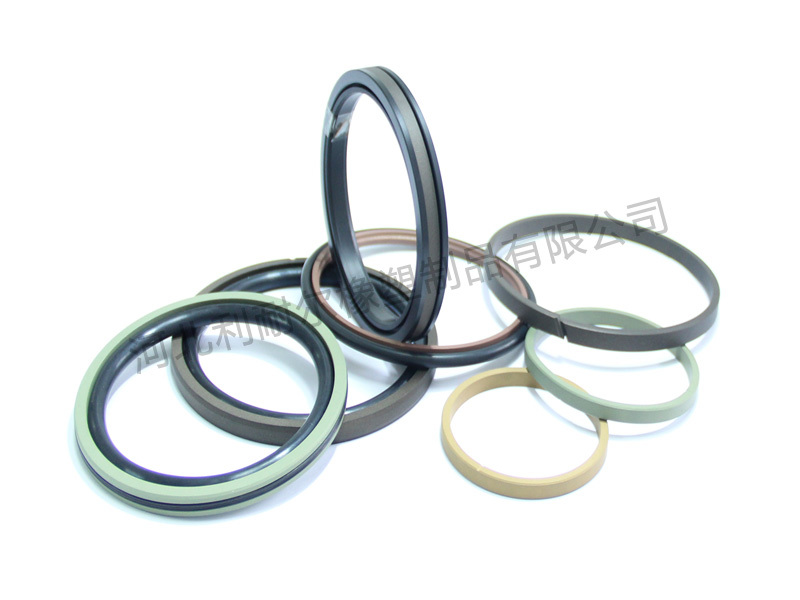
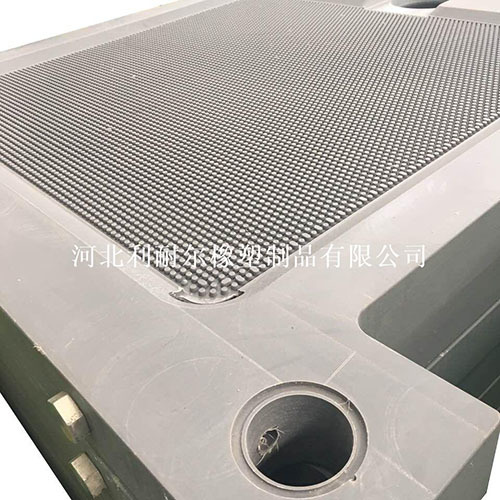
ProductMain products: vertical and horizontal imported and domestic filter plates, diaphragm plates, diaphragms and accessories; pinch valve sleeves and pinch valves and various mining accessories.
-
NewsIn 2013, our company's high-pressure cylinder with phenolic cloth support and guide ring obtained the national key new product certificate, project number: 2013GRA20011; its products in coal cylinders and engineering hydrauli
-
ServiceWe will actively cooperate with more enthusiasm, strengthen internal management, expand the market externally, improve various performance indicators of existing products, and truly achieve our win-win situation!
-
RecruitmentOur company always adheres to the talent concept of "people-oriented", provides a growth platform for talents, and realizes the common growth and development of enterprises and talents.


 Esperanto
 Shqiptare
 Euskara
 Zulu
 Latinus
 Cymraeg
 தமிழ்
 Slovak
 Slovak
 Afrikaans

Mining filtration systems: a complete buyer's guide for 2026
Release time:
2026-11-20
Author:
Linaier
Article overview
This guide explains how to evaluate, compare and purchase industrial mining filtration systems in 2026. It covers equipment types, filter media selection, TCO benchmarks, cold-climate considerations, AMD treatment, Finnish and EU regulatory requirements, and supplier qualification criteria. Intended for process engineers and procurement managers in the mineral processing sector.
Table of contents
- 1. What is mining filtration and why does it matter in 2026?
- 2. Types of mining filtration equipment: a technical comparison
- 3. Filter media and filter cloth selection matrix
- 4. Total cost of ownership (TCO): energy, wear parts and €/m³ benchmarks
- 5. Cold-climate performance: filtration in Finnish and Nordic mining conditions
- 6. Acid mine drainage (AMD) and effluent treatment options
- 7. EU and Finnish regulatory compliance for mine wastewater
- 8. Supplier evaluation: lead times, local service networks and spare parts
- 9. Frequently asked questions
What is mining filtration and why does it matter in 2026?
Mining filtration is the industrial process of separating suspended solids from liquids in mineral processing operations, encompassing everything from coarse slurry dewatering on the concentrator floor to polishing of mine wastewater before discharge. It sits at the intersection of process efficiency, environmental compliance and operational cost — which is why choosing the wrong system is an expensive mistake that ripples through an entire mine's water balance.
In 2026, the stakes are higher than they have ever been. Stricter EU Industrial Emissions Directive revisions, tightening Finnish permit conditions under the Environmental Protection Act (Ympäristönsuojelulaki), and rising energy costs across the Nordic region have compressed the margin for error. A site paying €0.14/kWh for electricity cannot afford an oversized vacuum filtration system running at 60 % capacity. At the same time, global tailings regulations — accelerated by high-profile failures on other continents — are pushing operations toward drier tailings stacks, which demands higher-performance solid-liquid separation equipment across the board.
Why do so many procurement teams still underinvest in filtration? Partly because it is perceived as a "back-end" utility function rather than a core process step. That perception is outdated. Modern mineral processing filtration directly determines cake moisture content, water recovery rates, and downstream disposal costs. A one-percentage-point reduction in filter cake moisture at a 1 Mt/year copper concentrator can translate to hundreds of thousands of euros in annual savings on tailings transport and disposal alone.
This guide addresses the full industrial filtration principles lifecycle — from initial technology selection through to spare parts procurement — with specific emphasis on conditions and regulations relevant to Finnish and Nordic mining operations.
Types of mining filtration equipment: a technical comparison
The right equipment choice depends on feed slurry characteristics, required cake moisture, throughput targets and available footprint. No single technology dominates every application — and experienced process engineers know that the pilot test, not the datasheet, is the real truth-teller.
Filter press (plate-and-frame and membrane)
The filter press mining segment remains the workhorse of high-solids-content applications. Modern membrane filter presses achieve cake moistures of 8–15 % for many base metal concentrates — significantly drier than belt or disc alternatives. Cycle times of 20–45 minutes per batch mean throughput must be matched to feed volume carefully. Pressure filtration technology operating at 7–16 bar delivers consistent performance even with fine-particle feeds below 20 µm. Vertical and horizontal press configurations each suit different plant footprints; vertical designs save floor space at the cost of more complex cake discharge.
Ceramic disc filter and vacuum systems
The ceramic disc filter has become the preferred continuous-operation solution for iron ore, phosphate and copper concentrate filtration in Nordic plants. Its microporous ceramic elements generate capillary suction forces rather than relying solely on vacuum pumps, which cuts specific energy consumption to roughly 1–3 kWh/t of dry solids — approximately 30–50 % lower than conventional rubber disc or drum vacuum filtration systems. Outotec filtration solutions (now part of Metso) have been widely specified in Finnish concentrators precisely because of this energy advantage. That said, ceramic elements are sensitive to pH extremes below 4 and above 10, and to abrasive coarse particles — factors that must be screened during feed characterisation.
Belt filter press
The belt filter press excels in high-volume, lower-solids applications such as thickener underflow filtration and mine wastewater management sludge dewatering. Continuous operation, simple maintenance access and modest capital cost make it attractive for tailings filtration duties where cake moisture targets are less demanding (typically 20–30 %). However, belt wash water consumption — 2–6 m³/h per metre of belt width — is a meaningful operating cost in water-stressed operations.

| Technology | Typical cake moisture (%) | Energy (kWh/t dry solids) | Best feed d₅₀ (µm) | Operation mode | Relative CAPEX |
|---|---|---|---|---|---|
| Membrane filter press | 8–15 | 5–12 | 5–200 | Batch | High |
| Ceramic disc filter | 8–18 | 1–3 | 20–300 | Continuous | Medium–High |
| Belt filter press | 20–30 | 2–5 | 50–500 | Continuous | Low–Medium |
| Vacuum drum filter | 18–25 | 4–8 | 30–400 | Continuous | Medium |
Filter media and filter cloth selection matrix
Filter cloth selection is frequently underestimated — yet it is one of the highest-leverage decisions in the entire mining filtration system. The wrong weave pattern or fibre type can increase cake moisture by 3–5 percentage points and halve cloth service life, turning a theoretical efficiency gain into a practical operating nightmare.
Key selection parameters
The critical parameters to evaluate are: pore size (µm), air permeability (m³/m²/min at 100 Pa), chemical resistance (pH range, solvent exposure), mechanical abrasion resistance, and cake release characteristics. For acid mine drainage-adjacent duties, polypropylene monofilament fabrics rated to pH 1–13 are the industry standard. Where abrasion is severe — coarse silica or magnetite feeds — polyester multifilament or needle-felt constructions extend service intervals significantly. Actual retention efficiency must be verified against your specific particle size distribution, not generic datasheet values.
Practical selection decision matrix
- Characterise feed slurry: measure d₁₀, d₅₀, d₉₀, pH, temperature, and abrasion index (Ai) of solids.
- Define the target: required filtrate clarity (TSS in mg/L), maximum acceptable cake moisture, and minimum throughput (t/h dry solids).
- Screen for chemical compatibility: eliminate any cloth material with less than full resistance to your slurry pH and any reagent carryover (e.g. xanthates, cyanide, sulphuric acid).
- Select weave structure: monofilament for clean cake release and high permeability; multifilament for fine particle retention; needle-felt for pre-coat or polishing duties.
- Pilot test with a cloth coupon kit: at least three candidate fabrics under real operating conditions before committing to a full-plant specification.
- Establish a replacement cycle KPI: track pressure differential, filtrate TSS and visual inspection at defined intervals. Industry experience suggests polypropylene filter cloths in acidic copper slurries typically require replacement every 300–600 operating hours under moderate abrasion conditions.
Total cost of ownership (TCO): energy, wear parts and €/m³ benchmarks
TCO analysis — not purchase price — is the correct metric for evaluating ore processing equipment in 2026. Capital cost typically represents only 20–35 % of ten-year ownership cost for filtration equipment; the remainder is split between energy, filter cloth and membrane replacement, maintenance labour, and water treatment chemicals.
Energy cost benchmarks
At a Finnish industrial electricity reference price of approximately €0.12–0.16/kWh (2026), the energy difference between a ceramic disc filter (1.5 kWh/t) and a conventional vacuum drum filter (6 kWh/t) on a 500 t/h dry solids duty amounts to roughly €260,000–€350,000 per year. That gap alone justifies a significant CAPEX premium for the more efficient technology — a calculation that many CAPEX-focused procurement processes incorrectly overlook. For a detailed methodology on evaluating filtration technical guidance, cross-referencing energy models with vendor performance guarantees is strongly recommended.
Wear parts and unit processing cost
Membrane replacement in a high-pressure filter press costs €15,000–€40,000 per press per replacement cycle (depending on press size and membrane material). Filter cloth replacement on a belt filter press running 24/7 typically adds €0.08–0.25/m³ of slurry processed. Ceramic disc elements, while expensive per unit (€800–2,500 per element), can achieve 5–10 year service lives if pH is controlled and feed is screened for coarse oversize. Building a 10-year TCO model in a simple spreadsheet before issuing an RFQ is not optional — it is due diligence.
Cold-climate performance: filtration in Finnish and Nordic mining conditions
Operating mining filtration systems in Finland introduces challenges that most supplier application engineers based in warmer climates underestimate. At sites like Kevitsa, Kittilä or Pyhäsalmi, ambient temperatures drop below −30 °C in winter, and freeze-thaw cycles create a specific set of failure modes that must be engineered out of the system design from the start.
Low-temperature effects on filtration performance
Slurry viscosity increases significantly as temperature drops — a 10 °C reduction in slurry temperature from 20 °C to 10 °C can increase apparent viscosity by 20–30 %, directly reducing filtration rate. At temperatures below 5 °C, wash water on belt filter presses can partially freeze on the belt surface, causing cloth blinding and uneven cake formation. Vacuum filtration systems are particularly vulnerable: condensate in vacuum lines freezes, check valves stick, and moisture in instrument air lines causes pneumatic control failures.
Engineering responses for Nordic operations
Practical solutions that have been successfully applied at Finnish and Swedish mining sites include: heat tracing on all filtrate and vacuum pipework exposed to outdoor conditions, insulated enclosures for belt filter presses with heated air supply, pre-heating of wash water to a minimum of 15 °C before application, and specifying stainless steel or HDPE pipework rather than carbon steel in freeze-exposed sections to avoid differential thermal contraction cracking. Slurry feed tanks should be insulated and equipped with low-wattage agitator heating to maintain feed temperature above 10 °C. When specifying instrumentation, select transmitters and valves rated to at least −40 °C operating temperature — standard industrial ratings of −20 °C are insufficient for Arctic-adjacent sites.
"Cold-climate filter installations that do not account for freeze-thaw cycling in their mechanical design typically experience 2–3× higher unplanned downtime in their first winter of operation compared to otherwise identical warm-climate installations. Thermal management is not an accessory — it is a core design requirement." — Based on operational review data from Nordic process engineering consultancies, 2025.
Acid mine drainage (AMD) and effluent treatment options
Acid mine drainage remains one of the most demanding applications within mine wastewater management. AMD — characterised by low pH (often 2–4), high dissolved metal concentrations (Fe, Mn, Zn, Cu, As, Cd) and elevated sulphate — cannot be treated by physical filtration alone. Effective mining effluent treatment requires a combination of chemical, biological and ion-exchange processes, with filtration serving as a polishing and solids-removal step at several stages.
Treatment process combinations
The three primary process routes, each with different cost and performance profiles, are:
Chemical precipitation: Lime or limestone neutralisation raises pH to 8.5–10, precipitating most metal hydroxides. Followed by thickening and pressure filtration, this route achieves TSS below 50 mg/L and removes 90–99 % of dissolved Fe, Al, and Mn. Operating cost is typically €0.40–1.20/m³ treated, depending on reagent and sludge disposal costs. Sludge volumes are significant — a major consideration for tailings facility capacity planning.
Ion exchange (IX): Selective resins can reduce dissolved heavy metals (Zn, Cd, Cu, Pb) to below 0.1 mg/L — concentrations unachievable with precipitation alone. IX is effective as a polishing step after bulk metal removal. Resin regeneration produces a concentrated brine that itself requires further treatment. Capital and operating costs are substantially higher than precipitation, but may be required to meet Finnish permit discharge limits for specific metals.
Biological sulphate reduction: Passive or active bioreactor systems using sulphate-reducing bacteria (SRB) convert dissolved sulphate and metals to insoluble sulphide precipitates. This approach can treat AMD to near-natural water quality but requires longer hydraulic retention times and careful temperature management — a challenge in Finnish winters. Pilot-scale trials at Scandinavian operations have demonstrated TSS below 20 mg/L and sulphate removal exceeding 80 % under controlled conditions.
For a comprehensive technical overview of mining filtration methods applied to AMD streams, consulting site-specific hydrogeological and geochemical data before committing to a treatment train design is essential.
Combining treatment stages: a practical sequence
In practice, most Finnish AMD treatment installations combine chemical precipitation (bulk metal removal) → thickener underflow filtration (solids dewatering) → ion exchange or biological polishing (final metals/sulphate reduction) → sand or multimedia pressure filtration (TSS polishing before discharge). This sequential approach balances capital cost, operating reliability and regulatory compliance more effectively than any single-technology solution.
EU and Finnish regulatory compliance for mine wastewater
Regulatory compliance is not a downstream concern — it must be integrated into filtration system design from the first P&ID revision. Finnish mining operations are subject to a layered regulatory framework that is among the most stringent in the EU.
Key legislation and permit requirements
The Finnish Environmental Protection Act (Ympäristönsuojelulaki 527/2014, as amended) requires an environmental permit (ympäristölupa) for all mineral processing operations generating wastewater. Permit conditions specify discharge limits for TSS, pH, COD, and a range of metals (typically Fe <3 mg/L, Mn <1 mg/L, Zn <0.5 mg/L, with stricter values possible in sensitive catchments). The Industrial Emissions Directive (IED, 2010/75/EU) and its 2024 revision establish Best Available Techniques (BAT) reference documents (BREFs) for non-ferrous metals processing, which define BAT-associated emission levels (BAT-AELs) that filtration and treatment systems must achieve.
Environmental impact assessment (YVA — Ympäristövaikutusten arviointi) is mandatory for new mines and significant expansions. The YVA process, governed by Act 252/2017, requires modelling of wastewater discharge scenarios including worst-case filtration failure events. Procurement decisions for filtration equipment should document how the selected system achieves the BAT-AEL targets assumed in the YVA, since any subsequent permit revision will reference this documentation.
Practical compliance integration
When specifying filter press or vacuum filtration systems for Finnish operations, include performance guarantees in purchase contracts that reference specific discharge parameters (e.g. filtrate TSS ≤ 30 mg/L at design throughput). Require supplier performance test protocols that reflect actual feed conditions — not clean-water or idealized slurry test conditions. Engage the Finnish Centre for Economic Development, Transport and the Environment (ELY Centre) early in the permitting process when introducing new filtration technology, as pre-consultation can significantly reduce formal review timelines.
Supplier evaluation: lead times, local service networks and spare parts
Even the best-specified filtration system becomes a liability if critical spare parts take 16 weeks to arrive from the other side of the world. In 2026, supply chain resilience has moved from a risk management footnote to a primary procurement criterion — particularly for remote Finnish mining sites where unplanned downtime costs can exceed €50,000–200,000 per day.
Lead time and local service benchmarks
When evaluating suppliers for ore processing equipment, request documented lead times for the five highest-consumption spare parts: filter cloths/membranes, diaphragm pump components, hydraulic seals, control valve actuators, and ceramic filter elements. Best-in-class suppliers for the Nordic market maintain European distribution hubs (Finland, Sweden or Germany) capable of delivering standard wear parts within 3–5 business days. Membrane filter press plates — a high-cost, long-lead item — should be pre-stocked at site in a quantity sufficient for one full set replacement, since manufacturing lead times from most Asian and European suppliers range from 8–20 weeks.
Supplier qualification checklist
A rigorous supplier qualification process for mining filtration equipment should include: verification of ISO 9001 or equivalent quality management certification; references from at least two operating mines in a comparable climate and application; documented field service engineer availability in Finland or the Nordic region (not just remote support); a binding spare parts availability commitment for a minimum of 10 years post-delivery; and a clear protocol for commissioning support in cold-start conditions. Of course, there are cases where a newer supplier without Nordic references offers a genuinely superior technical solution — in those situations, a more intensive factory acceptance test (FAT) and extended on-site commissioning support clause in the contract can mitigate the reference gap.
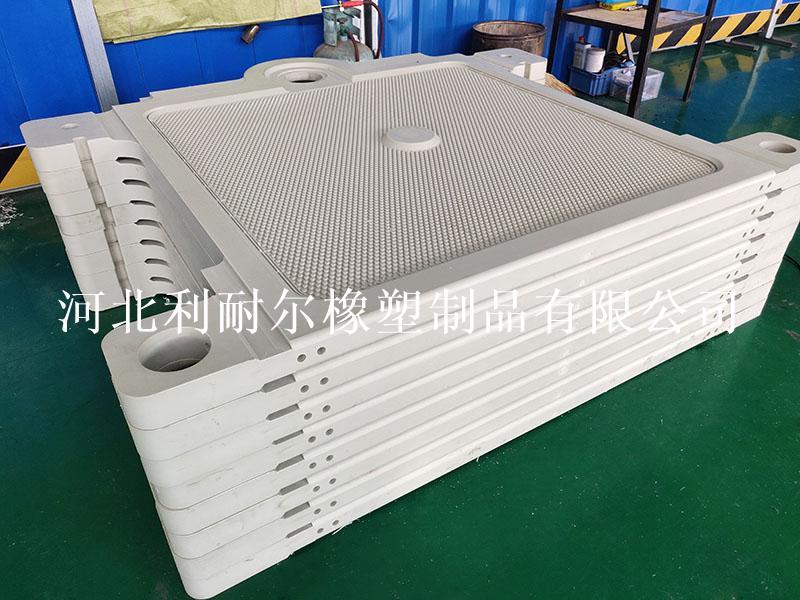
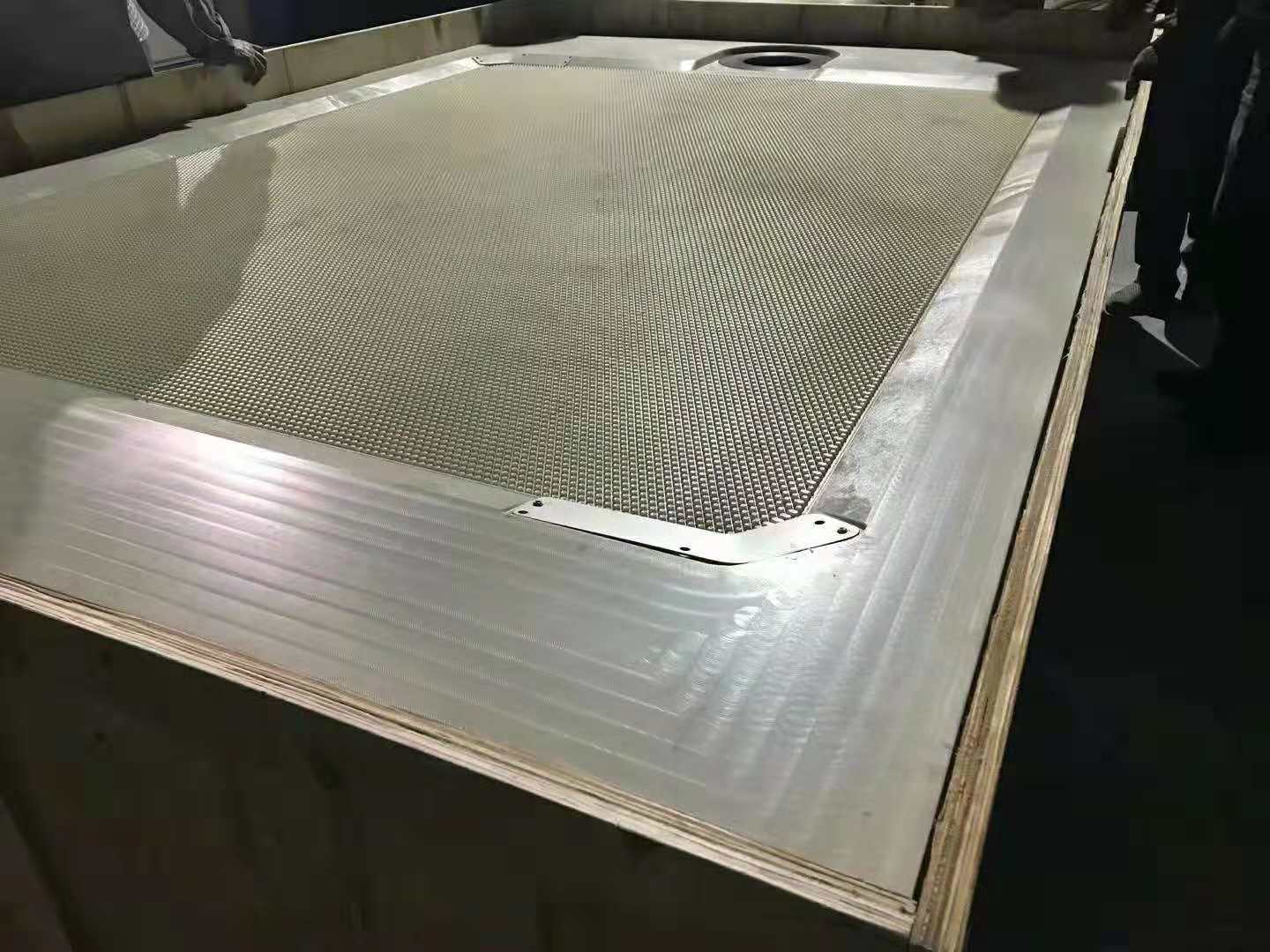
Filter press component quality considerations
For filter press mining applications specifically, the quality and consistency of filter plates, membranes and manifold components determines long-term reliability. Suppliers with dedicated R&D capability and formal qualification testing protocols — covering pressure cycling fatigue, membrane elasticity retention after thermal cycling, and manifold seal integrity — provide a more defensible procurement basis than price-only comparisons. Requesting third-party test certification for critical pressure-bearing components is a standard practice in Finnish industrial procurement.
Frequently asked questions
Q: What is the most energy-efficient mining filtration technology available in 2026?
A: Ceramic disc filters consistently deliver the lowest specific energy consumption — typically 1–3 kWh per tonne of dry solids — making them the most energy-efficient option for continuous-duty mineral processing filtration. They are most effective for feeds with a d₅₀ between 20 and 300 µm and pH between 4 and 10.
Q: How do I calculate the total cost of ownership for a filter press system?
A: Build a 10-year TCO model covering: CAPEX, annual energy cost (kWh/t × throughput × €/kWh), filter cloth and membrane replacement frequency and unit cost, maintenance labour hours, and chemical costs. Divide total 10-year cost by total m³ processed to get a comparable €/m³ figure across competing technologies.
Q: What filtration approach is recommended for acid mine drainage in Finnish conditions?
A: A sequential treatment train combining lime neutralisation, thickener underflow pressure filtration, and ion exchange or biological polishing is recommended. This combination achieves the BAT-AEL discharge levels required under Finnish environmental permits while managing sludge volumes and minimising operating cost.
Q: How does cold climate affect mining filtration system performance?
A: Temperatures below 10 °C increase slurry viscosity and reduce filtration rates. Below 0 °C, wash water and vacuum lines can freeze, causing cloth blinding and control system failures. Solutions include heat tracing, insulated enclosures, pre-heated wash water, and instrumentation rated to −40 °C minimum.
Q: What regulatory permits are required for mine wastewater filtration in Finland?
A: An environmental permit (ympäristölupa) under the Finnish Environmental Protection Act is required, specifying discharge limits for TSS, metals and pH. New installations must also comply with EU Industrial Emissions Directive BAT-AEL requirements and, for significant expansions, complete an environmental impact assessment (YVA) process under Act 252/2017.
Selecting the right mining filtration system in 2026 means moving beyond technology datasheets into a structured evaluation of TCO, climate performance, regulatory compliance and supply chain resilience. For Finnish and Nordic operations in particular, the combination of strict environmental permit conditions, extreme winter operating temperatures and remote site logistics creates a unique set of requirements that only purpose-designed, properly specified systems can reliably meet. Use the frameworks and data in this guide as the starting point for your next filtration equipment RFQ — and treat the pilot test as non-negotiable before committing to full-plant specification.
Related News


Get a Quote