
-
AboutHebei Linaier Rubber Products Co., Ltd. is located in Duqiao Industrial Zone, Jingxian City, Hebei Province, adjacent to Dezhou, Shandong. Founded in early 2001 with a registered capital of 35 million yuan, it is a scientific

-
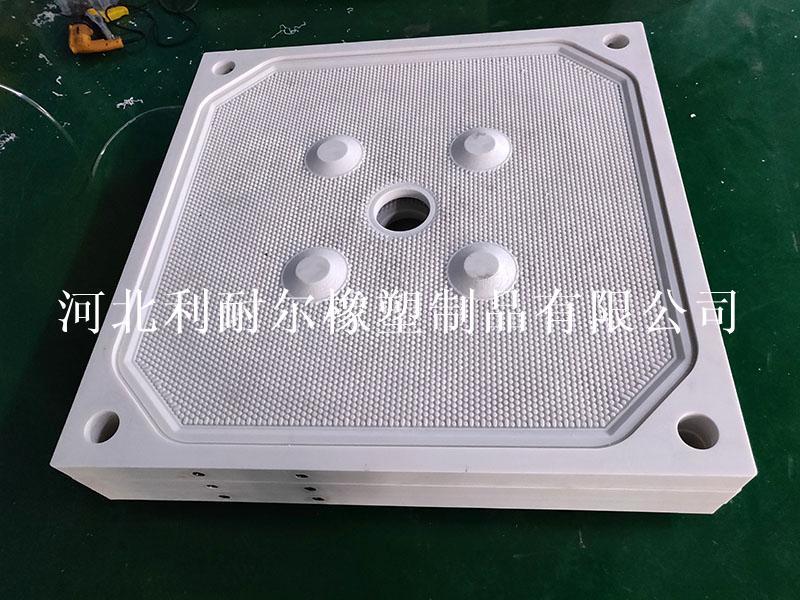
ProductMain products: vertical and horizontal imported and domestic filter plates, diaphragm plates, diaphragms and accessories; pinch valve sleeves and pinch valves and various mining accessories.
-
NewsIn 2013, our company's high-pressure cylinder with phenolic cloth support and guide ring obtained the national key new product certificate, project number: 2013GRA20011; its products in coal cylinders and engineering hydrauli
-
ServiceWe will actively cooperate with more enthusiasm, strengthen internal management, expand the market externally, improve various performance indicators of existing products, and truly achieve our win-win situation!
-
RecruitmentOur company always adheres to the talent concept of "people-oriented", provides a growth platform for talents, and realizes the common growth and development of enterprises and talents.


language
English
العربية
বাংলাদেশ
Български
Hrvatski
Česky
Dansk
Nederland
 Esperanto
Slovenski
Filipino
Suomi
Français
Maori
 Shqiptare
Georgian
 Euskara
Deutsch
Ελλάδα
ישראל
इंडिया
Magyarország
Ísland
Indonesia
Irlanda
Italia
日本語
Sovensko
Հայաստան
한국
Kyrgyz
ປະເທດລາວ
 Zulu
Zulu
Latvian
Lithuanian
Luxembourgish
 Latinus
Macedonian
Малайская
Maltese
Монгол улс
 Cymraeg
ဗမာ
 தமிழ்
தமிழ்
नेपाल
Norge
ایران
Polska
Portugal
România
Российская
Србија
 Slovak
Србија
 Slovak
Bosanski
Slovenian
Беларус
España
Sverige
Точик
ประเทศไทย
Türk
Azərbaycan
Uzbek
 Afrikaans
Việt Nam

Enhancing Industrial Efficiency with the Right Filter Press Sealing Strip
Release time:
2024-09-18
Enhancing Industrial Efficiency with the Right Filter Press Sealing Strip Table of Contents 1. Introduction to Filter Press Sealing Strips 2. Importance of Sealing Strips in Industrial Applications 3. Types of Filter Press Sealing Strips 4. Materials Used in Sealing Strips 5. Key Criteria for Selecting the Right Sealing Strip 6. Installation and Maintenance Best Practices
Enhancing Industrial Efficiency with the Right Filter Press Sealing Strip
Table of Contents
- 1. Introduction to Filter Press Sealing Strips
- 2. Importance of Sealing Strips in Industrial Applications
- 3. Types of Filter Press Sealing Strips
- 4. Materials Used in Sealing Strips
- 5. Key Criteria for Selecting the Right Sealing Strip
- 6. Installation and Maintenance Best Practices
- 7. Common Issues with Filter Press Sealing Strips
- 8. Conclusion
- 9. Frequently Asked Questions
1. Introduction to Filter Press Sealing Strips
In industrial processes, filter presses play a pivotal role in separating solids from liquids, ensuring efficient operation across various sectors, including wastewater treatment, mining, and food processing. **Sealing strips** are essential components of filter presses, as they provide a tight seal that prevents leaks, reduces contamination, and enhances the overall process efficiency. Understanding the significance of filter press sealing strips is crucial for optimizing industrial operations.
2. Importance of Sealing Strips in Industrial Applications
Sealing strips serve multiple purposes in filter press operations. Here are some key reasons why they are vital:
2.1. Leak Prevention
A properly fitted sealing strip ensures that no liquid escapes from the filter press. This prevents product loss, minimizes environmental impact, and maintains compliance with regulatory standards.
2.2. Enhanced Product Quality
Effective sealing minimizes contamination risks. By using high-quality sealing strips, manufacturers can ensure that their products meet stringent quality standards.
2.3. Reduced Downtime
When sealing strips function optimally, the risk of equipment malfunction decreases. This leads to less frequent repairs and maintenance, reducing overall downtime.
2.4. Cost Efficiency
Investing in the right sealing strip can lead to long-term savings. By preventing leaks and minimizing product loss, companies can improve their bottom line.
3. Types of Filter Press Sealing Strips
Filter press sealing strips come in various types, each designed for specific applications. Understanding these types can help businesses make informed decisions.
3.1. Solid Sealing Strips
Solid sealing strips are made from materials that do not compress. They are ideal for applications that require a robust seal and high resistance to wear and tear.
3.2. Compressible Sealing Strips
These strips are designed to compress under pressure, allowing for a tighter seal. They are particularly useful in applications where the filter press experiences varying pressure levels.
3.3. Composite Sealing Strips
Composite sealing strips combine different materials to enhance performance. They offer the benefits of both solid and compressible sealing strips, making them versatile for various applications.
4. Materials Used in Sealing Strips
The choice of materials for sealing strips significantly impacts their performance. Common materials include:
4.1. Rubber
Rubber sealing strips are durable and flexible. They can withstand varying temperatures and are suitable for a wide range of industrial applications.
4.2. Silicone
Silicone sealing strips offer excellent resistance to heat and chemical exposure. They are ideal for applications involving high temperatures or aggressive chemicals.
4.3. Foam
Foam sealing strips are lightweight and compressible. They are often used in applications where a softer seal is required to accommodate surface irregularities.
4.4. PTFE (Teflon)
PTFE sealing strips provide excellent chemical resistance. They are perfect for applications involving corrosive substances and high temperatures.
5. Key Criteria for Selecting the Right Sealing Strip
Selecting the appropriate sealing strip for a filter press involves considering several factors:
5.1. Compatibility with Process Fluids
Ensure that the sealing strip material is compatible with the fluids being processed. This prevents degradation and ensures long-lasting performance.
5.2. Temperature and Pressure Conditions
Evaluate the temperature and pressure conditions of the operation. The sealing strip must be able to withstand these conditions without compromising its integrity.
5.3. Chemical Resistance
Consider the chemical composition of the fluids. Choosing a sealing strip with the right chemical resistance is essential for preventing leaks and contamination.
5.4. Wear Resistance
Opt for sealing strips that can endure the mechanical wear and tear associated with filter press operations. This will reduce the frequency of replacements and maintenance.
5.5. Environmental Factors
Consider the environmental conditions, such as humidity and exposure to UV light. Selecting a sealing strip designed for specific environmental challenges will enhance its longevity.
6. Installation and Maintenance Best Practices
Proper installation and maintenance of sealing strips are crucial for optimal performance.
6.1. Installation Guidelines
- Ensure the sealing surfaces are clean and free of debris before installation.
- Follow manufacturer guidelines for installation to achieve the best seal.
- Use the appropriate tools for installation to avoid damaging the sealing strip.
6.2. Regular Inspections
Conduct routine inspections of the sealing strips to identify any signs of wear, damage, or leaks. Early detection can prevent more significant issues down the line.
6.3. Cleaning Procedures
Implement regular cleaning procedures to remove any build-up of materials that could compromise the seal. Use non-abrasive cleaning agents to avoid damaging the sealing strips.
7. Common Issues with Filter Press Sealing Strips
Understanding common issues associated with sealing strips can help in troubleshooting.
7.1. Premature Wear
Premature wear can occur due to incompatible materials or harsh operating conditions. Regular inspections can help identify and address issues before they escalate.
7.2. Inadequate Sealing
Inadequate sealing can lead to leaks, often caused by improper installation or damaged sealing strips. Ensuring proper installation and maintenance is crucial for preventing this issue.
7.3. Chemical Degradation
Certain chemicals can degrade sealing materials over time. Choosing the right material for the specific application is vital for longevity.
8. Conclusion
Selecting the right filter press sealing strip is essential for enhancing industrial efficiency. By understanding the types, materials, and selection criteria, businesses can improve process reliability, reduce downtime, and ensure product quality. Implementing best practices for installation and maintenance further contributes to the longevity and effectiveness of sealing strips, ultimately leading to more efficient industrial operations.
9. Frequently Asked Questions
9.1. What factors should I consider when choosing a sealing strip?
Consider compatibility with process fluids, temperature and pressure conditions, chemical resistance, wear resistance, and environmental factors.
9.2. How often should I inspect sealing strips?
Regular inspections should be conducted at least once a month, or more frequently in high-stress applications.
9.3. Can I replace sealing strips myself?
Yes, as long as you follow proper installation guidelines and use the appropriate tools to avoid damage.
9.4. What are the signs of a failing sealing strip?
Signs include leaks, visible wear or damage, and a drop in the efficiency of the filtration process.
9.5. How can I extend the lifespan of sealing strips?
By selecting the right materials, conducting regular inspections, maintaining cleanliness, and following manufacturer guidelines, you can extend the lifespan of your sealing strips.
Related News