
-
AboutHebei Linaier Rubber Products Co., Ltd. is located in Duqiao Industrial Zone, Jingxian City, Hebei Province, adjacent to Dezhou, Shandong. Founded in early 2001 with a registered capital of 35 million yuan, it is a scientific

-
ProductMain products: vertical and horizontal imported and domestic filter plates, diaphragm plates, diaphragms and accessories; pinch valve sleeves and pinch valves and various mining accessories.
-
NewsIn 2013, our company's high-pressure cylinder with phenolic cloth support and guide ring obtained the national key new product certificate, project number: 2013GRA20011; its products in coal cylinders and engineering hydrauli
-
ServiceWe will actively cooperate with more enthusiasm, strengthen internal management, expand the market externally, improve various performance indicators of existing products, and truly achieve our win-win situation!
-
RecruitmentOur company always adheres to the talent concept of "people-oriented", provides a growth platform for talents, and realizes the common growth and development of enterprises and talents.


language
English
العربية
বাংলাদেশ
Български
Hrvatski
Česky
Dansk
Nederland
 Esperanto
Slovenski
Filipino
Suomi
Français
Maori
 Shqiptare
Georgian
 Euskara
Deutsch
Ελλάδα
ישראל
इंडिया
Magyarország
Ísland
Indonesia
Irlanda
Italia
日本語
Sovensko
Հայաստան
한국
Kyrgyz
ປະເທດລາວ
 Zulu
Zulu
Latvian
Lithuanian
Luxembourgish
 Latinus
Macedonian
Малайская
Maltese
Монгол улс
 Cymraeg
ဗမာ
 தமிழ்
தமிழ்
नेपाल
Norge
ایران
Polska
Portugal
România
Российская
Србија
 Slovak
Србија
 Slovak
Bosanski
Slovenian
Беларус
España
Sverige
Точик
ประเทศไทย
Türk
Azərbaycan
Uzbek
 Afrikaans
Việt Nam

Understanding the Importance of Diaphragm Filter Plates: A Comprehensive Guide
Release time:
2023-09-13
Table of Contents: 1. Introduction - The Significance of Diaphragm Filter Plates 2. What are Diaphragm Filter Plates? 3. Types of Diaphragm Filter Plates 3.1. Recessed Diaphragm Filter Plates 3.2. Membrane Diaphragm Filter Plates 3.3. Plate and Frame Diaphragm Filter Plates 4. The Working Principle of Diaphragm Filter Plates 5. Advantages of Diaphragm Filter Plates 6. Applications of Diap
Table of Contents:
1. Introduction - The Significance of Diaphragm Filter Plates
2. What are Diaphragm Filter Plates?
3. Types of Diaphragm Filter Plates
3.1. Recessed Diaphragm Filter Plates
3.2. Membrane Diaphragm Filter Plates
3.3. Plate and Frame Diaphragm Filter Plates
4. The Working Principle of Diaphragm Filter Plates
5. Advantages of Diaphragm Filter Plates
6. Applications of Diaphragm Filter Plates
6.1. Chemical Industry
6.2. Pharmaceutical Industry
6.3. Food and Beverage Industry
6.4. Mining Industry
6.5. Waste Water Treatment
7. Frequently Asked Questions (FAQs)
7.1. What is the lifespan of diaphragm filter plates?
7.2. How do I choose the right diaphragm filter plate for my application?
7.3. Can diaphragm filter plates be customized?
7.4. How often do diaphragm filter plates need to be replaced?
7.5. What maintenance is required for diaphragm filter plates?
8. Conclusion
1. Introduction - The Significance of Diaphragm Filter Plates
Diaphragm filter plates are an integral component of filtration systems, playing a crucial role in separating solids from liquids in various industrial processes. Understanding their importance is essential for optimizing filtration efficiency and achieving superior results.
2. What are Diaphragm Filter Plates?
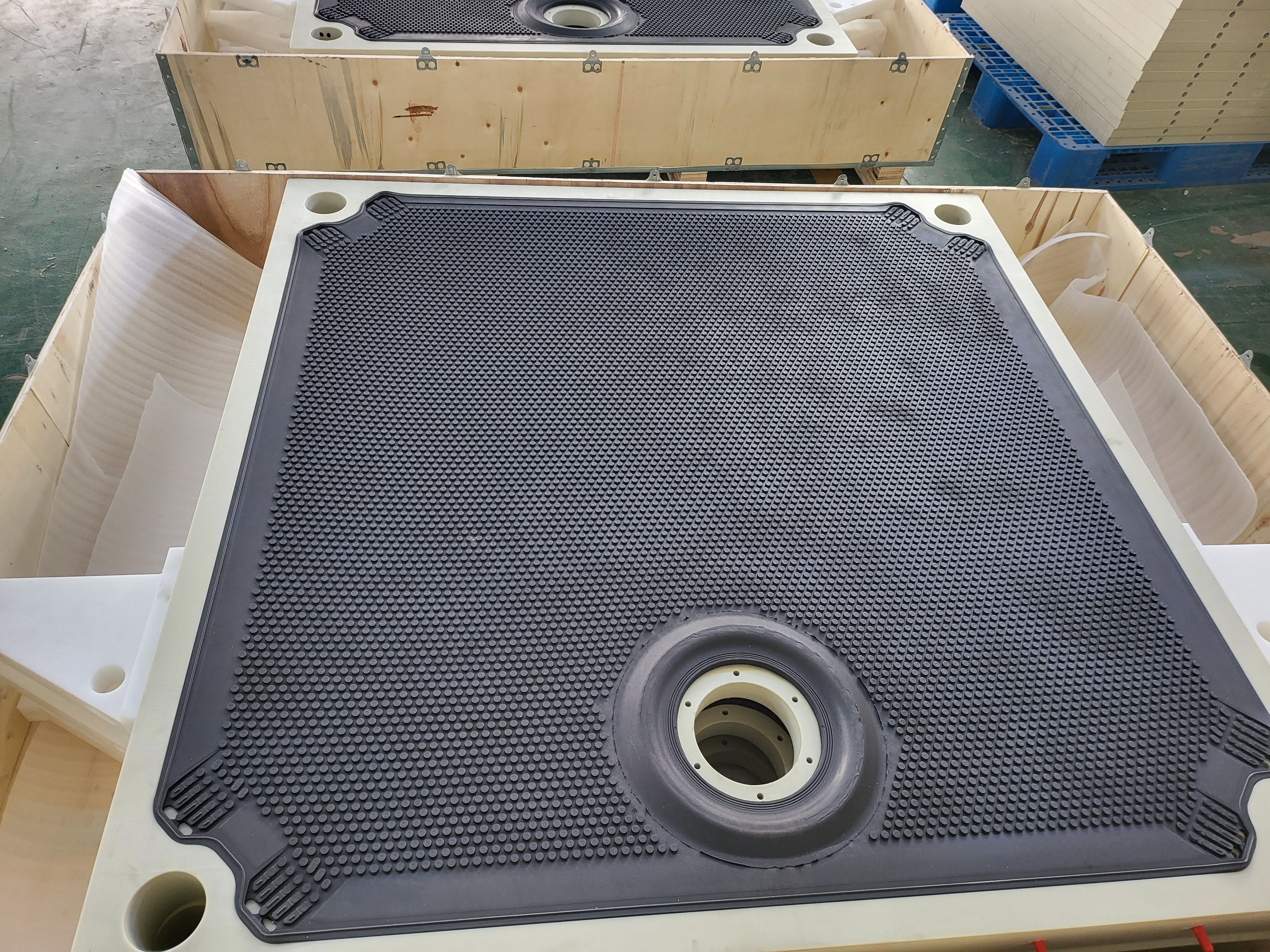
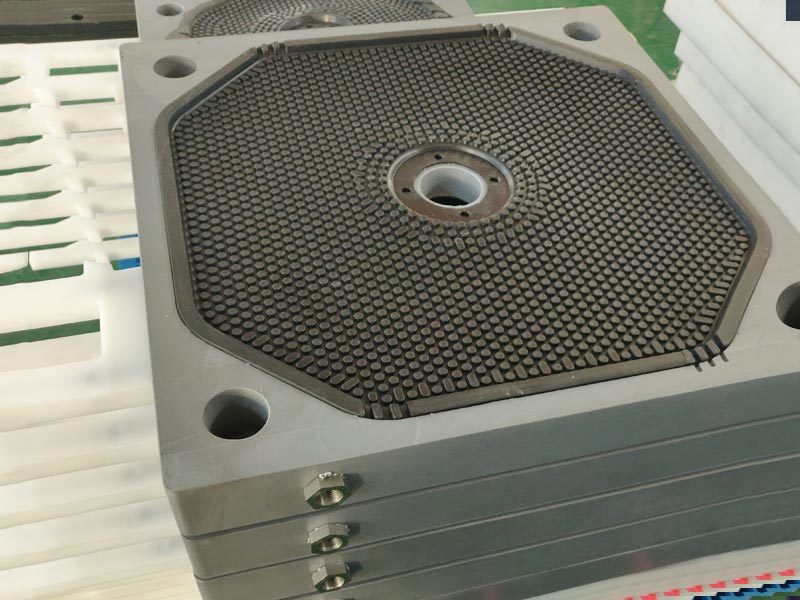
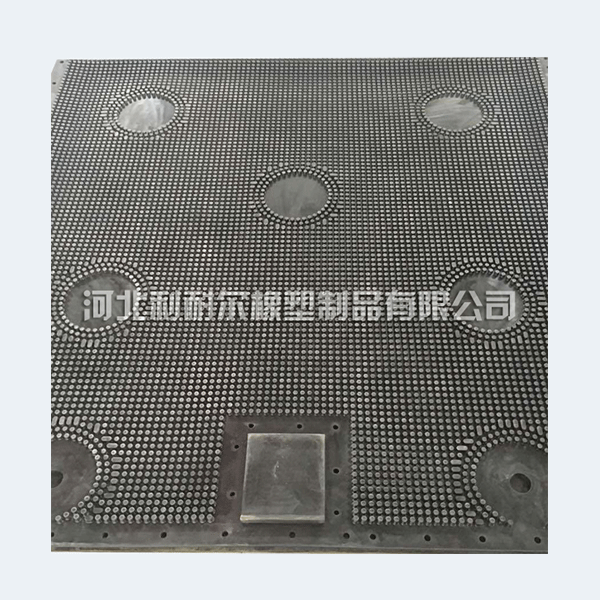
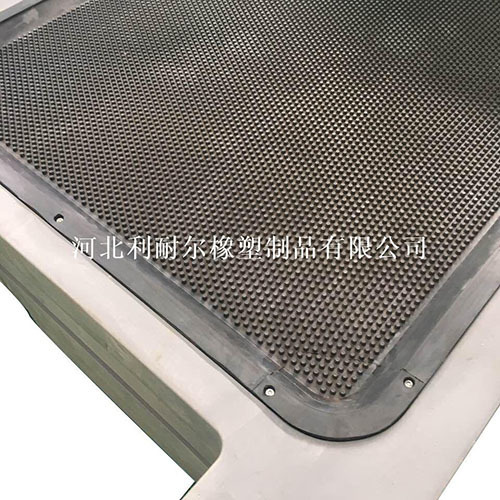
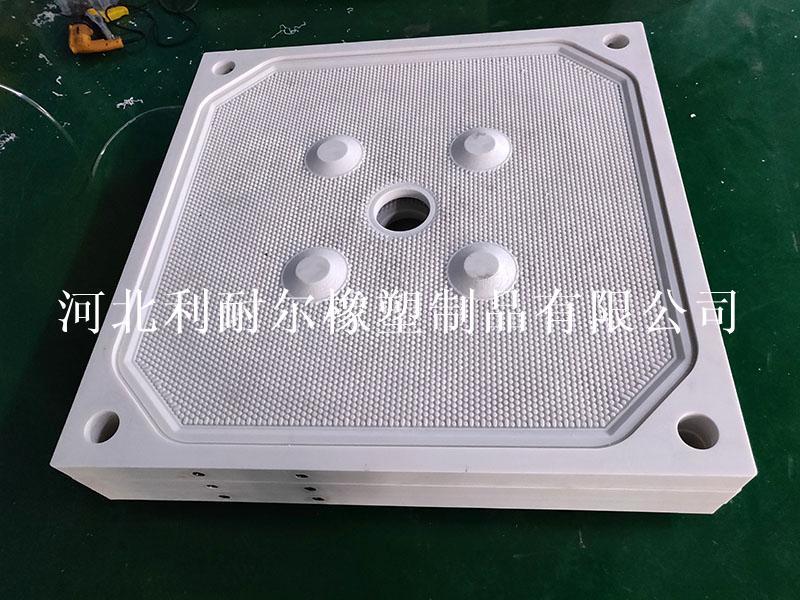
Diaphragm filter plates are specialized plates used in filter presses, which are widely used in industries that require solid-liquid separation. These plates consist of a flexible diaphragm stretched over a rigid plate, creating a chamber where the filtration process takes place.
3. Types of Diaphragm Filter Plates
3.1. Recessed Diaphragm Filter Plates
Recessed diaphragm filter plates are designed with a central feed inlet, allowing for even distribution of the slurry throughout the filtration chamber. This type of plate is commonly used in industries where high filtration efficiency is required.
3.2. Membrane Diaphragm Filter Plates
Membrane diaphragm filter plates have an additional layer of elastomeric material that forms a flexible membrane on top of the diaphragm. The membrane can be inflated to exert pressure on the cake formed during filtration, facilitating higher solids removal and drier cakes.
3.3. Plate and Frame Diaphragm Filter Plates
Plate and frame diaphragm filter plates are similar to recessed plates, but they have an additional frame around the diaphragm. This design allows for higher pressure filtration and easier cake discharge.
4. The Working Principle of Diaphragm Filter Plates
Diaphragm filter plates work based on the principle of pressure-driven filtration. The slurry is pumped into the filter press, and the diaphragm filter plates create a series of chambers where the solid particles are retained while the liquid passes through. The diaphragm can be flexed or inflated to apply additional pressure for better cake formation and higher filtration efficiency.
5. Advantages of Diaphragm Filter Plates
- Enhanced Filtration Efficiency: Diaphragm filter plates provide efficient solid-liquid separation, ensuring high-quality filtrate and drier cakes.
- Increased Flexibility: The flexibility of diaphragm filter plates allows for better cake release, reducing downtime during filtration cycles.
- Improved Cake Washing: Membrane diaphragm filter plates enable effective cake washing by applying additional pressure to remove impurities.
- Cost-Effective: Diaphragm filter plates offer longer service life, reduced maintenance requirements, and lower operating costs compared to other filtration methods.
6. Applications of Diaphragm Filter Plates
6.1. Chemical Industry
Diaphragm filter plates play a crucial role in chemical processes, such as catalyst recovery, color removal, and wastewater treatment, ensuring efficient separation of solids and liquids.
6.2. Pharmaceutical Industry
In pharmaceutical manufacturing, diaphragm filter plates are essential for purifying drug solutions, removing impurities, and maintaining high product quality.
6.3. Food and Beverage Industry
Diaphragm filter plates are widely used in the food and beverage industry for clarifying liquids, separating solids, and ensuring the safety and purity of the final products.
6.4. Mining Industry
In mining operations, diaphragm filter plates are utilized for dewatering slurry, recovering valuable minerals, and minimizing environmental impact through efficient water management.
6.5. Waste Water Treatment
Diaphragm filter plates are extensively employed in wastewater treatment plants for sludge dewatering, ensuring compliance with environmental regulations and reducing disposal costs.
7. Frequently Asked Questions (FAQs)
7.1. What is the lifespan of diaphragm filter plates?
The lifespan of diaphragm filter plates depends on various factors, including the operating conditions and the quality of maintenance. Typically, well-maintained plates can last for several years.
7.2. How do I choose the right diaphragm filter plate for my application?
To select the appropriate diaphragm filter plate, consider factors such as the type of filtration required, the characteristics of the slurry, and the desired filtration efficiency. Consulting with filtration experts can guide you towards the optimal choice.
7.3. Can diaphragm filter plates be customized?
Yes, diaphragm filter plates can be customized to fit specific filtration requirements, such as size, material, and design, ensuring compatibility with the filtration system.
7.4. How often do diaphragm filter plates need to be replaced?
The replacement frequency of diaphragm filter plates depends on factors like the filtration volume, the type of solids being filtered, and the operating conditions. Regular inspections and maintenance can help determine when replacement is necessary.
7.5. What maintenance is required for diaphragm filter plates?
Maintenance for diaphragm filter plates typically includes regular cleaning, inspection for wear or damage, and replacing any damaged or worn-out components. Following the manufacturer's guidelines and best practices is crucial for optimal performance.
8. Conclusion
In conclusion, diaphragm filter plates are indispensable elements in filtration processes across various industries. Their versatility, efficiency, and customizability make them a reliable solution for achieving high-quality filtration, improving productivity, and meeting stringent regulatory requirements. By understanding their importance and choosing the right diaphragm filter plates, industries can optimize their filtration systems and enhance overall operational efficiency.
1. Introduction - The Significance of Diaphragm Filter Plates
2. What are Diaphragm Filter Plates?
3. Types of Diaphragm Filter Plates
3.1. Recessed Diaphragm Filter Plates
3.2. Membrane Diaphragm Filter Plates
3.3. Plate and Frame Diaphragm Filter Plates
4. The Working Principle of Diaphragm Filter Plates
5. Advantages of Diaphragm Filter Plates
6. Applications of Diaphragm Filter Plates
6.1. Chemical Industry
6.2. Pharmaceutical Industry
6.3. Food and Beverage Industry
6.4. Mining Industry
6.5. Waste Water Treatment
7. Frequently Asked Questions (FAQs)
7.1. What is the lifespan of diaphragm filter plates?
7.2. How do I choose the right diaphragm filter plate for my application?
7.3. Can diaphragm filter plates be customized?
7.4. How often do diaphragm filter plates need to be replaced?
7.5. What maintenance is required for diaphragm filter plates?
8. Conclusion
1. Introduction - The Significance of Diaphragm Filter Plates
Diaphragm filter plates are an integral component of filtration systems, playing a crucial role in separating solids from liquids in various industrial processes. Understanding their importance is essential for optimizing filtration efficiency and achieving superior results.
2. What are Diaphragm Filter Plates?
Diaphragm filter plates are specialized plates used in filter presses, which are widely used in industries that require solid-liquid separation. These plates consist of a flexible diaphragm stretched over a rigid plate, creating a chamber where the filtration process takes place.
3. Types of Diaphragm Filter Plates
3.1. Recessed Diaphragm Filter Plates
Recessed diaphragm filter plates are designed with a central feed inlet, allowing for even distribution of the slurry throughout the filtration chamber. This type of plate is commonly used in industries where high filtration efficiency is required.
3.2. Membrane Diaphragm Filter Plates
Membrane diaphragm filter plates have an additional layer of elastomeric material that forms a flexible membrane on top of the diaphragm. The membrane can be inflated to exert pressure on the cake formed during filtration, facilitating higher solids removal and drier cakes.
3.3. Plate and Frame Diaphragm Filter Plates
Plate and frame diaphragm filter plates are similar to recessed plates, but they have an additional frame around the diaphragm. This design allows for higher pressure filtration and easier cake discharge.
4. The Working Principle of Diaphragm Filter Plates
Diaphragm filter plates work based on the principle of pressure-driven filtration. The slurry is pumped into the filter press, and the diaphragm filter plates create a series of chambers where the solid particles are retained while the liquid passes through. The diaphragm can be flexed or inflated to apply additional pressure for better cake formation and higher filtration efficiency.
5. Advantages of Diaphragm Filter Plates
- Enhanced Filtration Efficiency: Diaphragm filter plates provide efficient solid-liquid separation, ensuring high-quality filtrate and drier cakes.
- Increased Flexibility: The flexibility of diaphragm filter plates allows for better cake release, reducing downtime during filtration cycles.
- Improved Cake Washing: Membrane diaphragm filter plates enable effective cake washing by applying additional pressure to remove impurities.
- Cost-Effective: Diaphragm filter plates offer longer service life, reduced maintenance requirements, and lower operating costs compared to other filtration methods.
6. Applications of Diaphragm Filter Plates
6.1. Chemical Industry
Diaphragm filter plates play a crucial role in chemical processes, such as catalyst recovery, color removal, and wastewater treatment, ensuring efficient separation of solids and liquids.
6.2. Pharmaceutical Industry
In pharmaceutical manufacturing, diaphragm filter plates are essential for purifying drug solutions, removing impurities, and maintaining high product quality.
6.3. Food and Beverage Industry
Diaphragm filter plates are widely used in the food and beverage industry for clarifying liquids, separating solids, and ensuring the safety and purity of the final products.
6.4. Mining Industry
In mining operations, diaphragm filter plates are utilized for dewatering slurry, recovering valuable minerals, and minimizing environmental impact through efficient water management.
6.5. Waste Water Treatment
Diaphragm filter plates are extensively employed in wastewater treatment plants for sludge dewatering, ensuring compliance with environmental regulations and reducing disposal costs.
7. Frequently Asked Questions (FAQs)
7.1. What is the lifespan of diaphragm filter plates?
The lifespan of diaphragm filter plates depends on various factors, including the operating conditions and the quality of maintenance. Typically, well-maintained plates can last for several years.
7.2. How do I choose the right diaphragm filter plate for my application?
To select the appropriate diaphragm filter plate, consider factors such as the type of filtration required, the characteristics of the slurry, and the desired filtration efficiency. Consulting with filtration experts can guide you towards the optimal choice.
7.3. Can diaphragm filter plates be customized?
Yes, diaphragm filter plates can be customized to fit specific filtration requirements, such as size, material, and design, ensuring compatibility with the filtration system.
7.4. How often do diaphragm filter plates need to be replaced?
The replacement frequency of diaphragm filter plates depends on factors like the filtration volume, the type of solids being filtered, and the operating conditions. Regular inspections and maintenance can help determine when replacement is necessary.
7.5. What maintenance is required for diaphragm filter plates?
Maintenance for diaphragm filter plates typically includes regular cleaning, inspection for wear or damage, and replacing any damaged or worn-out components. Following the manufacturer's guidelines and best practices is crucial for optimal performance.
8. Conclusion
In conclusion, diaphragm filter plates are indispensable elements in filtration processes across various industries. Their versatility, efficiency, and customizability make them a reliable solution for achieving high-quality filtration, improving productivity, and meeting stringent regulatory requirements. By understanding their importance and choosing the right diaphragm filter plates, industries can optimize their filtration systems and enhance overall operational efficiency.
Related News