
-
AboutHebei Linaier Rubber Products Co., Ltd. is located in Duqiao Industrial Zone, Jingxian City, Hebei Province, adjacent to Dezhou, Shandong. Founded in early 2001 with a registered capital of 35 million yuan, it is a scientific

-
ProductMain products: vertical and horizontal imported and domestic filter plates, diaphragm plates, diaphragms and accessories; pinch valve sleeves and pinch valves and various mining accessories.
-
NewsIn 2013, our company's high-pressure cylinder with phenolic cloth support and guide ring obtained the national key new product certificate, project number: 2013GRA20011; its products in coal cylinders and engineering hydrauli
-
ServiceWe will actively cooperate with more enthusiasm, strengthen internal management, expand the market externally, improve various performance indicators of existing products, and truly achieve our win-win situation!
-
RecruitmentOur company always adheres to the talent concept of "people-oriented", provides a growth platform for talents, and realizes the common growth and development of enterprises and talents.


 Esperanto
 Shqiptare
 Euskara
 Zulu
Zulu
 Latinus
 Cymraeg
 தமிழ்
தமிழ்
 Slovak
 Slovak
 Afrikaans

Unlocking Efficiency: How Horizontal Filter Boards Enhance Manufacturing Productivity
Release time:
2025-05-20
How Horizontal Filter Boards Improve Productivity in Manufacturing Understanding Horizontal Filter Boards Horizontal filter boards are essential components in various manufacturing sectors, particularly in filtration processes. These boards are designed to separate solids from liquids efficiently, ensuring that the final product meets stringent quality standards. By utilizing a series of porous ma
How Horizontal Filter Boards Improve Productivity in Manufacturing
Understanding Horizontal Filter Boards
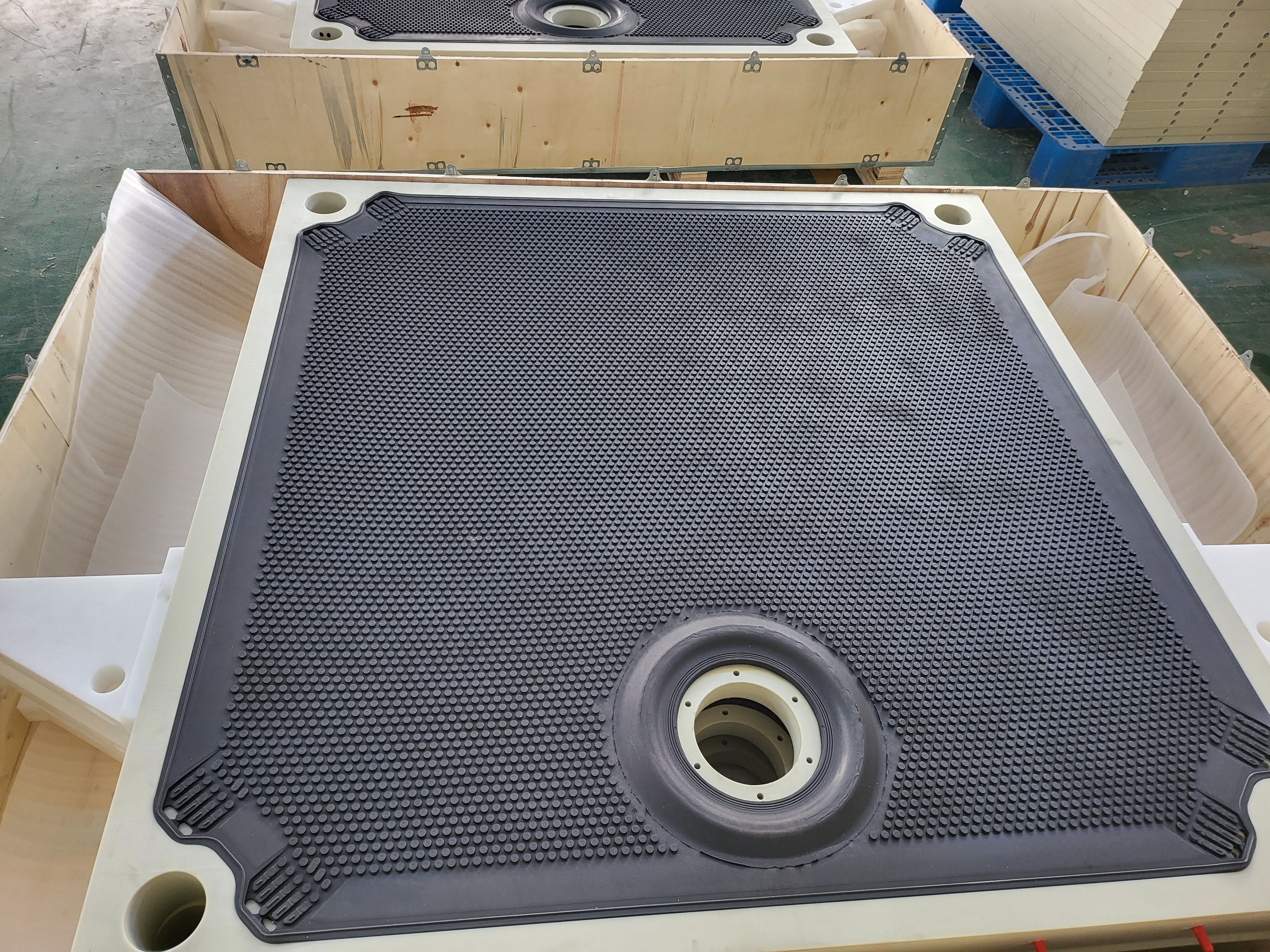
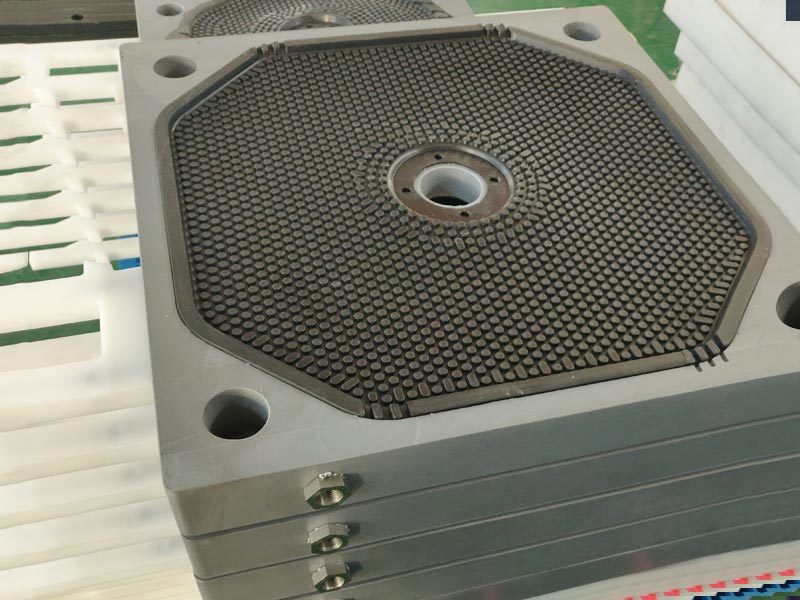
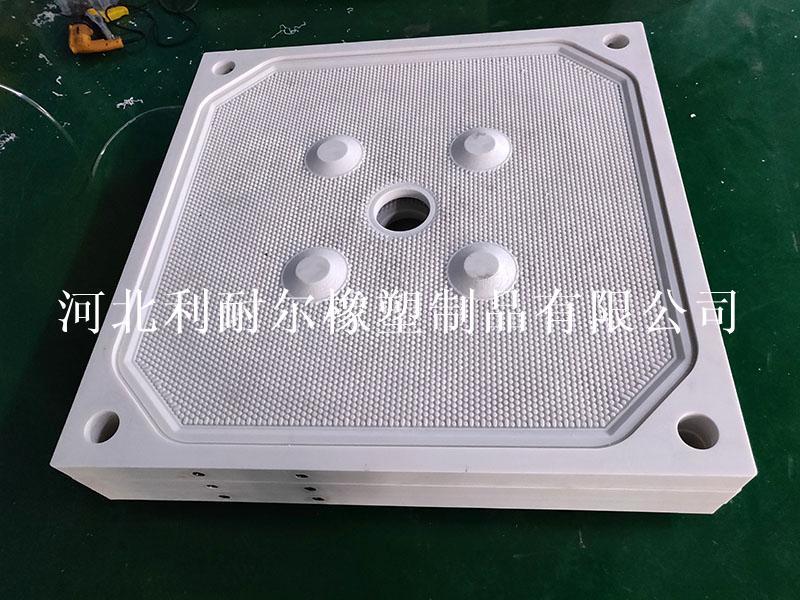
Horizontal filter boards are essential components in various manufacturing sectors, particularly in filtration processes. These boards are designed to separate solids from liquids efficiently, ensuring that the final product meets stringent quality standards. By utilizing a series of porous materials, horizontal filter boards facilitate the flow of liquids while capturing particulate matter, thus playing a crucial role in enhancing productivity.
The Role of Horizontal Filter Boards in Various Industries
1. Chemical Manufacturing
In the chemical industry, horizontal filter boards are vital for separating impurities from raw materials. They help in clarifying liquids, improving the quality of chemical products, and ensuring compliance with safety standards. Efficient filtration can reduce downtime, allowing for a smoother production process.
2. Food and Beverage Production
In food production, maintaining hygiene and quality is paramount. Horizontal filter boards effectively remove contaminants, ensuring that the end products are safe for consumption. This not only boosts productivity but also enhances customer satisfaction and brand reputation.
3. Pharmaceuticals
The pharmaceutical industry relies heavily on precise filtration to produce high-quality products. Horizontal filter boards contribute significantly to removing micro-contaminants, ensuring that medications are both effective and safe. This reliability in filtration processes accelerates production cycles and minimizes waste.
Benefits of Horizontal Filter Boards in Manufacturing
1. Enhanced Filtration Efficiency
One of the primary advantages of horizontal filter boards is their ability to provide superior filtration efficiency. The design allows for a larger surface area, which increases the volume of liquid that can be processed at any given time. This efficiency translates to higher output rates and reduced processing times, directly impacting overall productivity.
2. Reduced Operational Costs
By improving filtration efficiency, horizontal filter boards also contribute to lower operational costs. Reduced energy consumption and less downtime for maintenance mean that manufacturers can allocate resources more effectively. Additionally, the longevity of these filter boards reduces the frequency of replacements, further driving down costs.
3. Improved Product Quality
High-quality filtration leads to better product quality. By effectively removing particulates and impurities from liquids, horizontal filter boards enhance the consistency and purity of the final products. This is particularly crucial in industries where quality directly impacts safety and regulatory compliance.
Choosing the Right Horizontal Filter Board
1. Material Considerations
When selecting a horizontal filter board, the material used is critical. Options include polymeric, ceramic, and metallic materials, each offering unique properties suitable for specific applications. For instance, ceramic filter boards are excellent for high-temperature applications, while polymeric boards may be more appropriate for corrosive environments.
2. Size and Configuration
The size and configuration of the filter board should match the specific requirements of the manufacturing process. Factors such as flow rate, pressure, and the type of materials being filtered must be considered to ensure optimal performance. Customization options are often available to meet unique operational needs.
3. Maintenance and Longevity
Regular maintenance is essential for maximizing the lifespan of horizontal filter boards. Manufacturers should establish a maintenance schedule that includes routine inspections and cleaning to prevent clogging and ensure consistent performance. Selecting boards with easy maintenance features can further enhance longevity.
Integrating Horizontal Filter Boards into Manufacturing Processes
1. Process Optimization
To fully leverage the benefits of horizontal filter boards, manufacturers must integrate them seamlessly into their processes. This might involve recalibrating existing systems to accommodate the new filtration method, ensuring that the transition does not disrupt production. Data analysis can also help identify bottlenecks where improved filtration can enhance efficiency.
2. Training and Education
Staff training is essential for optimizing the use of horizontal filter boards. Employees should be educated about the filtration process, maintenance needs, and troubleshooting common issues. This knowledge empowers the workforce to operate the equipment effectively, further enhancing productivity.
Case Studies: Horizontal Filter Boards in Action
1. Chemical Industry Example
A leading chemical manufacturer implemented horizontal filter boards in their production line, resulting in a 30% increase in throughput. By reducing the time spent on traditional filtration methods and enhancing the quality of the output, the company realized significant cost savings and improved product reliability.
2. Food Production Success
A food processing plant adopted horizontal filter boards to increase the purity of their beverage products. The result was a marked decrease in contaminants, leading to fewer product recalls and enhanced consumer trust. The plant also found that their processing times were halved, allowing them to meet rising demand more effectively.
Future Trends in Filtration Technology
1. Automation and Smart Technology
The future of filtration technology lies in automation and smart systems. Manufacturers are increasingly exploring how IoT devices can monitor filter performance in real-time, enabling predictive maintenance and reducing downtime. This integration can lead to even greater efficiency and productivity gains.
2. Sustainable Practices
As environmental concerns grow, manufacturers are seeking sustainable filtration solutions. Horizontal filter boards that are recyclable or made from sustainable materials are becoming more popular. This shift not only aids in compliance with environmental regulations but also improves the manufacturer's image in the eyes of consumers.
Conclusion
Horizontal filter boards serve as a potent tool for enhancing productivity in manufacturing. By improving filtration efficiency, reducing operational costs, and ensuring high product quality, these boards play a pivotal role in various industries. As manufacturers continue to integrate new technologies and sustainable practices, the impact of horizontal filter boards is likely to grow even further, marking a significant evolution in manufacturing processes. Investing in the right filtration technology is not merely a choice; it is a strategic decision that can lead to remarkable improvements in productivity and profitability.
FAQs
1. What industries benefit the most from horizontal filter boards?
Industries such as chemical manufacturing, food and beverage production, and pharmaceuticals significantly benefit from the efficiency and quality improvements offered by horizontal filter boards.
2. How do I maintain horizontal filter boards?
Regular inspections, cleaning, and following the manufacturer’s maintenance guidelines are crucial for extending the lifespan and ensuring optimal performance of horizontal filter boards.
3. Can horizontal filter boards be customized for specific applications?
Yes, horizontal filter boards can be customized in size, material, and configuration to meet the specific needs of different manufacturing processes.
4. Are horizontal filter boards environmentally friendly?
Many modern horizontal filter boards are designed with sustainability in mind, using recyclable materials and offering features that reduce energy consumption, contributing to more environmentally friendly manufacturing practices.
5. What are the signs that a horizontal filter board needs to be replaced?
Signs include reduced flow rates, increased pressure drops, and visible wear or damage. Regular monitoring and maintenance can help identify these issues before they impact production.
Related News