
-
AboutHebei Linaier Rubber Products Co., Ltd. is located in Duqiao Industrial Zone, Jingxian City, Hebei Province, adjacent to Dezhou, Shandong. Founded in early 2001 with a registered capital of 35 million yuan, it is a scientific

-
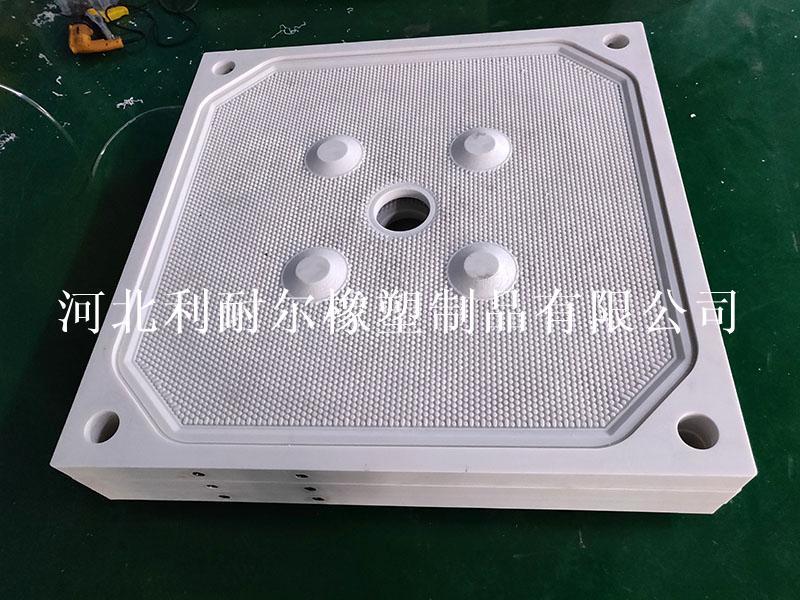
ProductMain products: vertical and horizontal imported and domestic filter plates, diaphragm plates, diaphragms and accessories; pinch valve sleeves and pinch valves and various mining accessories.
-
NewsIn 2013, our company's high-pressure cylinder with phenolic cloth support and guide ring obtained the national key new product certificate, project number: 2013GRA20011; its products in coal cylinders and engineering hydrauli
-
ServiceWe will actively cooperate with more enthusiasm, strengthen internal management, expand the market externally, improve various performance indicators of existing products, and truly achieve our win-win situation!
-
RecruitmentOur company always adheres to the talent concept of "people-oriented", provides a growth platform for talents, and realizes the common growth and development of enterprises and talents.


 Esperanto
 Shqiptare
 Euskara
 Zulu
Zulu
 Latinus
 Cymraeg
 தமிழ்
தமிழ்
 Slovak
 Slovak
 Afrikaans

The Ultimate Guide to Combination Seals for Pistons in Industrial Equipment
Release time:
2024-04-21
When it comes to industrial equipment and components, ensuring proper sealing is crucial for optimal performance and efficiency. Combination seals for pistons play a vital role in preventing leakage and contamination, ultimately extending the lifespan of the equipment. Combination seals are designed to provide a dual sealing function, typically consisting of two different sealing elements. These s
When it comes to industrial equipment and components, ensuring proper sealing is crucial for optimal performance and efficiency. Combination seal for pistons play a vital role in preventing leakage and contamination, ultimately extending the lifespan of the equipment.
Combination seals are designed to provide a dual sealing function, typically consisting of two different sealing elements. These seals can be made from a variety of materials, including rubber, polyurethane, and PTFE, depending on the specific requirements of the application.
One of the key benefits of using combination seals is their ability to effectively seal both dynamic and static surfaces, ensuring a reliable and leak-free operation. These seals are commonly used in hydraulic and pneumatic systems, automotive engines, and a wide range of industrial machinery.
When selecting a Combination seal for piston, it is important to consider factors such as pressure, temperature, speed, and media compatibility. Proper installation and maintenance are also essential to maximize the performance and longevity of the seal.
In conclusion, combination seal for pistons are essential components in industrial equipment, providing reliable sealing solutions for a wide range of applications. By understanding the importance of these seals and their functions, you can ensure the smooth operation of your equipment and minimize the risk of downtime.
Related News