
-
AboutHebei Linaier Rubber Products Co., Ltd. is located in Duqiao Industrial Zone, Jingxian City, Hebei Province, adjacent to Dezhou, Shandong. Founded in early 2001 with a registered capital of 35 million yuan, it is a scientific

-
ProductMain products: vertical and horizontal imported and domestic filter plates, diaphragm plates, diaphragms and accessories; pinch valve sleeves and pinch valves and various mining accessories.
-
NewsIn 2013, our company's high-pressure cylinder with phenolic cloth support and guide ring obtained the national key new product certificate, project number: 2013GRA20011; its products in coal cylinders and engineering hydrauli
-
ServiceWe will actively cooperate with more enthusiasm, strengthen internal management, expand the market externally, improve various performance indicators of existing products, and truly achieve our win-win situation!
-
RecruitmentOur company always adheres to the talent concept of "people-oriented", provides a growth platform for talents, and realizes the common growth and development of enterprises and talents.


language
English
العربية
বাংলাদেশ
Български
Hrvatski
Česky
Dansk
Nederland
 Esperanto
Slovenski
Filipino
Suomi
Français
Maori
 Shqiptare
Georgian
 Euskara
Deutsch
Ελλάδα
ישראל
इंडिया
Magyarország
Ísland
Indonesia
Irlanda
Italia
日本語
Sovensko
Հայաստան
한국
Kyrgyz
ປະເທດລາວ
 Zulu
Zulu
Latvian
Lithuanian
Luxembourgish
 Latinus
Macedonian
Малайская
Maltese
Монгол улс
 Cymraeg
ဗမာ
 தமிழ்
தமிழ்
नेपाल
Norge
ایران
Polska
Portugal
România
Российская
Србија
 Slovak
Србија
 Slovak
Bosanski
Slovenian
Беларус
España
Sverige
Точик
ประเทศไทย
Türk
Azərbaycan
Uzbek
 Afrikaans
Việt Nam

Choosing the Ideal Diaphragm Plate for Your Plastic Production Requirements
Release time:
2026-07-08
Choosing the Ideal Diaphragm Plate for Your Plastic Production Requirements Table of Contents 1. Introduction to Diaphragm Plates in Plastic Production 2. Understanding Diaphragm Plates 3. Types of Diaphragm Plates 4. Key Factors to Consider When Choosing a Diaphragm Plate 4.1 Material Selection 4.2 Design Considerations
Choosing the Ideal Diaphragm Plate for Your Plastic Production Requirements
Table of Contents
- 1. Introduction to Diaphragm Plates in Plastic Production
- 2. Understanding Diaphragm Plates
- 3. Types of Diaphragm Plates
- 4. Key Factors to Consider When Choosing a Diaphragm Plate
- 4.1 Material Selection
- 4.2 Design Considerations
- 4.3 Compatibility and Integration
- 4.4 Performance and Durability
- 5. Applications of Diaphragm Plates in the Plastic Industry
- 6. Common Mistakes to Avoid When Selecting a Diaphragm Plate
- 7. Frequently Asked Questions
- 8. Conclusion
1. Introduction to Diaphragm Plates in Plastic Production
Diaphragm plates play a pivotal role in the plastic production landscape. These components facilitate various processes, ensuring efficiency and consistency in output. With the increasing complexity of plastic manufacturing, understanding the nuances of diaphragm plate selection becomes imperative for businesses aiming to enhance their production capabilities.
2. Understanding Diaphragm Plates
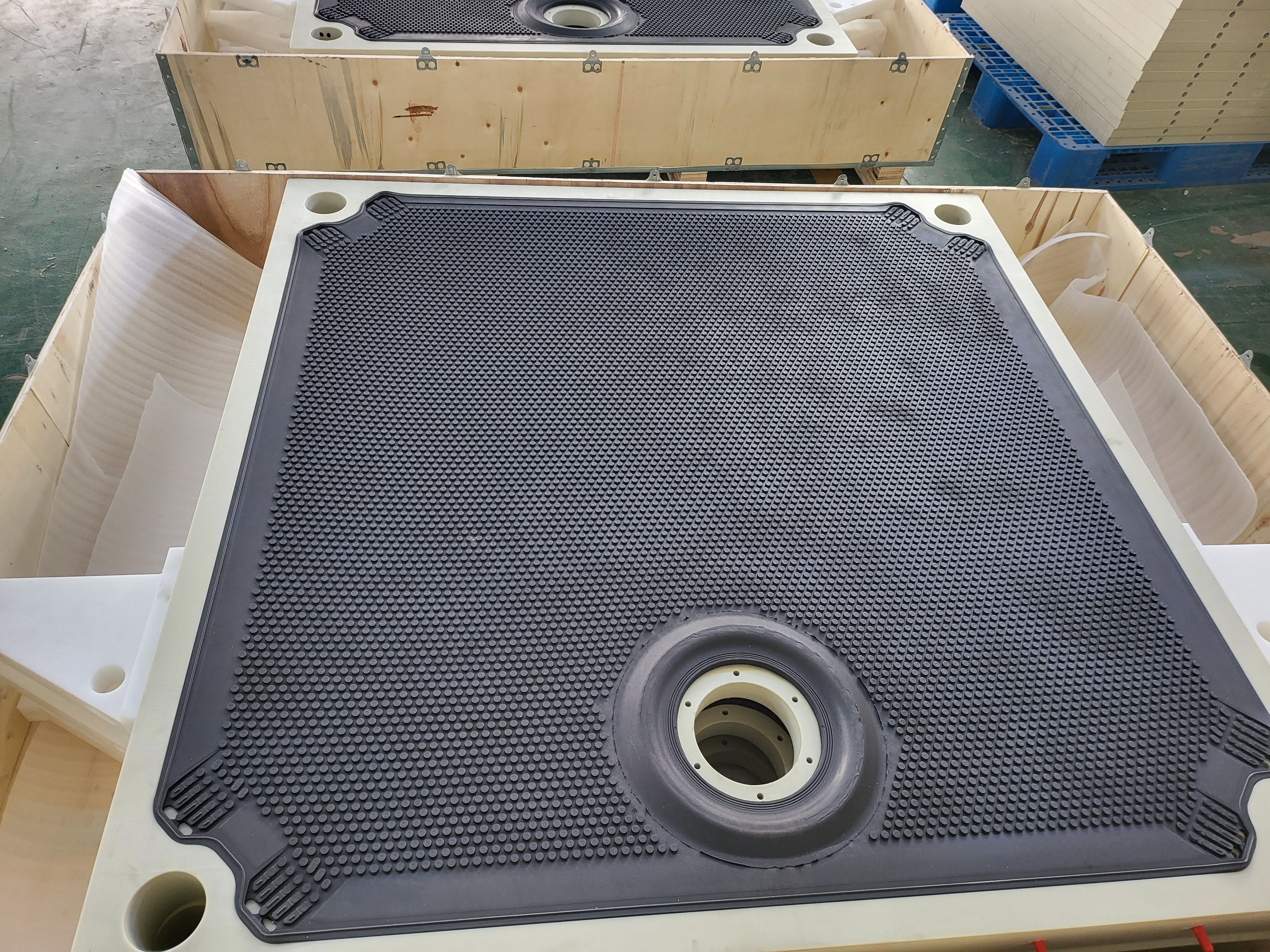
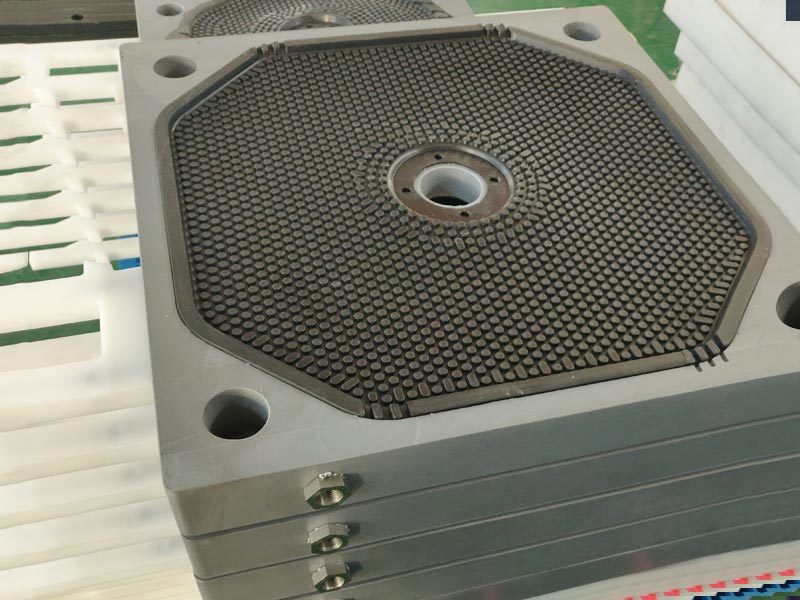
A diaphragm plate serves as a barrier or membrane within a system that regulates pressure and controls the flow of materials. Its design and functionality are crucial in various applications, including injection molding, blow molding, and extrusion processes. The diaphragm plate must create a seal that prevents leaks while allowing for the precise movement of materials.
3. Types of Diaphragm Plates
Diaphragm plates come in several types, each tailored to specific applications and operational conditions. Understanding these types is essential for selecting the right diaphragm plate for your production needs.
3.1 Membrane Diaphragms
Membrane diaphragms are flexible and adaptable, suited for applications requiring precision and responsiveness. They can withstand considerable variations in pressure, making them ideal for dynamic processes.
3.2 Rigid Diaphragms
Rigid diaphragms, in contrast, provide stability and support in high-pressure environments. Their robust construction allows for consistent performance, especially in applications involving heavy-duty materials.
3.3 Composite Diaphragms
Composite diaphragms combine materials like rubber and metal to harness the benefits of both. This versatility makes them suitable for diverse applications where durability and flexibility are required.
4. Key Factors to Consider When Choosing a Diaphragm Plate
Selecting the right diaphragm plate involves a multitude of considerations. Here, we outline the most critical factors that can influence your choice.
4.1 Material Selection
The material of the diaphragm plate impacts its durability, flexibility, and compatibility with the substances it will interact with. Common materials include:
- **Rubber**: Offers excellent elasticity and resistance to wear.
- **Polyurethane**: Known for its strength and adaptability to various chemical environments.
- **PTFE (Teflon)**: Highly resistant to chemicals and temperatures, making it suitable for extreme conditions.
4.2 Design Considerations
The design of the diaphragm plate must align with your production requirements. Key elements include:
- **Thickness**: A thicker diaphragm offers more durability but may reduce flexibility.
- **Shape**: Different shapes (circular, rectangular) will impact how well the diaphragm fits within your system.
- **Surface Texture**: A textured surface can enhance grip and reduce slippage in high-pressure applications.
4.3 Compatibility and Integration
Ensuring that the diaphragm plate is compatible with other components in your production line is essential. Considerations include:
- **Size and Dimensions**: The diaphragm plate should fit seamlessly within your existing machinery.
- **Pressure Ratings**: It must withstand the operational pressures of your system.
- **Material Compatibility**: Confirm that the diaphragm material is chemically compatible with the plastics being processed.
4.4 Performance and Durability
Ultimately, the performance and longevity of the diaphragm plate will determine its effectiveness in your production process. Look for:
- **Failure Rate**: A low failure rate indicates reliability.
- **Resistance to Environmental Factors**: Ensure that the diaphragm can withstand temperature fluctuations and exposure to chemicals.
- **Certifications**: Look for industry certifications that attest to the quality and performance of the diaphragm plate.
5. Applications of Diaphragm Plates in the Plastic Industry
Diaphragm plates are integral in various applications within the plastic industry. Their versatility allows for use in:
- **Blow Molding**: Controlling the air pressure during the formation of hollow plastic parts.
- **Injection Molding**: Ensuring precise control over material flow into molds.
- **Extrusion**: Regulating the flow of molten plastic through a die.
6. Common Mistakes to Avoid When Selecting a Diaphragm Plate
Making the right choice involves avoiding common pitfalls. Here are some mistakes to steer clear of:
1. **Neglecting Material Compatibility**: Failing to consider the chemical interactions between the diaphragm and the plastics can lead to premature failure.
2. **Ignoring Manufacturer Recommendations**: Always consult manufacturer specifications and guidelines for optimal performance.
3. **Overlooking Maintenance Requirements**: Some diaphragm plates require regular maintenance; ignoring this can reduce their lifespan.
7. Frequently Asked Questions
What is a diaphragm plate?
A diaphragm plate is a component that regulates pressure and flow in various plastic production processes.
How do I choose the right diaphragm plate material?
Consider factors such as chemical compatibility, temperature resistance, and desired durability when selecting material.
What are the common applications of diaphragm plates?
They are commonly used in blow molding, injection molding, and extrusion processes.
How do I maintain a diaphragm plate?
Regular inspections, cleaning, and adherence to manufacturer maintenance guidelines can enhance the longevity of diaphragm plates.
Are there standard sizes for diaphragm plates?
While there are common sizes, diaphragm plates can be custom-made to fit specific machinery requirements.
8. Conclusion
Choosing the right diaphragm plate is crucial for optimizing your plastic production processes. By considering factors such as material selection, design, compatibility, and durability, you can enhance efficiency and ensure consistent product quality. Understanding the applications and avoiding common mistakes will further streamline your selection process. With careful consideration, you can make an informed decision that meets your production needs and drives your business forward.
Related News