
-
AboutHebei Linaier Rubber Products Co., Ltd. is located in Duqiao Industrial Zone, Jingxian City, Hebei Province, adjacent to Dezhou, Shandong. Founded in early 2001 with a registered capital of 35 million yuan, it is a scientific

-
ProductMain products: vertical and horizontal imported and domestic filter plates, diaphragm plates, diaphragms and accessories; pinch valve sleeves and pinch valves and various mining accessories.
-
NewsIn 2013, our company's high-pressure cylinder with phenolic cloth support and guide ring obtained the national key new product certificate, project number: 2013GRA20011; its products in coal cylinders and engineering hydrauli
-
ServiceWe will actively cooperate with more enthusiasm, strengthen internal management, expand the market externally, improve various performance indicators of existing products, and truly achieve our win-win situation!
-
RecruitmentOur company always adheres to the talent concept of "people-oriented", provides a growth platform for talents, and realizes the common growth and development of enterprises and talents.


language
English
العربية
বাংলাদেশ
Български
Hrvatski
Česky
Dansk
Nederland
 Esperanto
Slovenski
Filipino
Suomi
Français
Maori
 Shqiptare
Georgian
 Euskara
Deutsch
Ελλάδα
ישראל
इंडिया
Magyarország
Ísland
Indonesia
Irlanda
Italia
日本語
Sovensko
Հայաստան
한국
Kyrgyz
ປະເທດລາວ
 Zulu
Zulu
Latvian
Lithuanian
Luxembourgish
 Latinus
Macedonian
Малайская
Maltese
Монгол улс
 Cymraeg
ဗမာ
 தமிழ்
தமிழ்
नेपाल
Norge
ایران
Polska
Portugal
România
Российская
Србија
 Slovak
Србија
 Slovak
Bosanski
Slovenian
Беларус
España
Sverige
Точик
ประเทศไทย
Türk
Azərbaycan
Uzbek
 Afrikaans
Việt Nam

Top Considerations When Selecting Filter Plates for Your Business
Release time:
2026-04-09
Top Considerations When Selecting Filter Plates for Your Business In the world of filtration, **choosing the right filter plates is crucial** for ensuring operational efficiency and product quality. As manufacturers and businesses strive to achieve optimal filtration processes, understanding the various considerations involved in selecting filter plates becomes increasingly important. This article
Top Considerations When Selecting Filter Plates for Your Business
In the world of filtration, **choosing the right filter plates is crucial** for ensuring operational efficiency and product quality. As manufacturers and businesses strive to achieve optimal filtration processes, understanding the various considerations involved in selecting filter plates becomes increasingly important. This article serves as a comprehensive guide to navigating the complexities of filter plate selection, empowering you to make informed decisions that align with your unique business needs.
Understanding Filter Plates: The Basics
Before diving into the selection process, it is essential to understand what filter plates are and their role in various industries. Filter plates are crucial components in various filtration systems, primarily used for separating solids from liquids in processes like **chemical manufacturing, wastewater treatment, and food processing**. They serve as barriers that allow liquids to pass while capturing solid particles, thereby ensuring product purity and process efficiency.
Types of Filter Plates
When selecting filter plates, one must first consider the various types available in the market:
1. Membrane Filter Plates
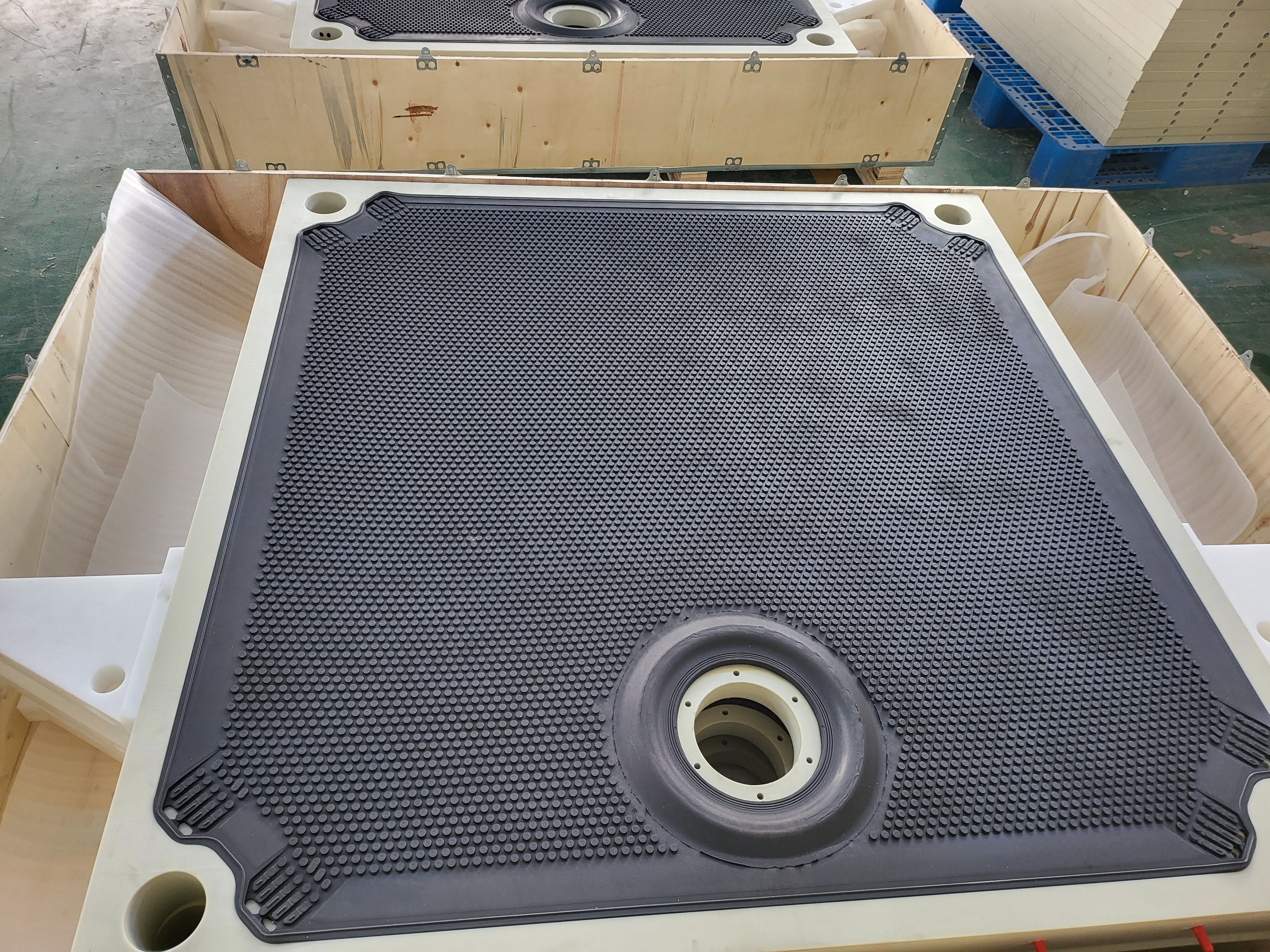
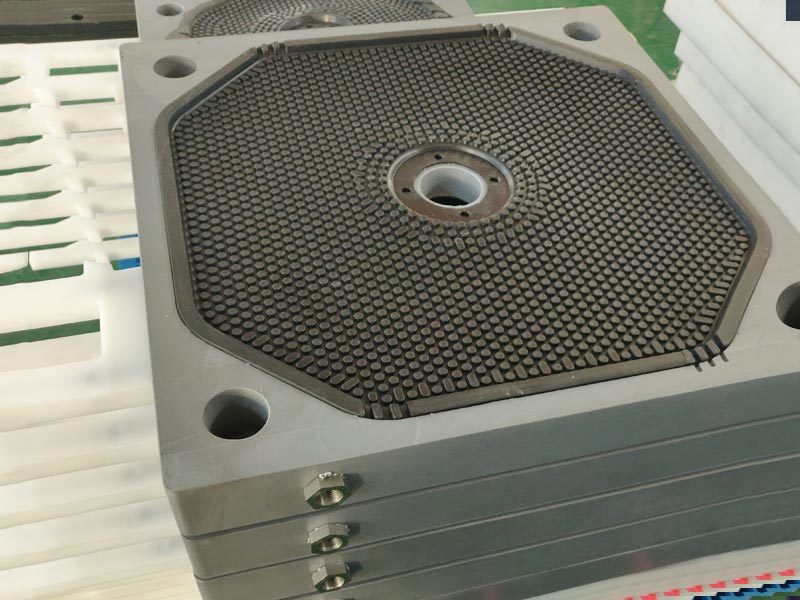
Membrane filter plates are designed with a membrane layer that enhances filtration efficiency. These plates are particularly effective in applications requiring **fine filtration** and are widely used in the pharmaceutical and chemical industries.
2. Composite Filter Plates
Composite filter plates offer a combination of materials, providing durability and chemical resistance. They are ideal for industries where the filtration process involves aggressive chemicals and harsh conditions.
3. Polypropylene Filter Plates
Known for their affordability and versatility, polypropylene filter plates are suitable for a wide range of applications. They are lightweight, resistant to corrosion, and easy to clean, making them a popular choice in various industries.
Key Considerations for Selecting Filter Plates
When choosing filter plates, several key factors must be taken into account to ensure optimal performance and longevity.
1. Material Compatibility
The material of the filter plate is one of the most important considerations. Compatibility with the **liquids being filtered** is critical to prevent chemical reactions that could compromise the filtration process. For instance, if your application involves corrosive substances, opting for chemical-resistant materials like PTFE or PVDF is advisable.
2. Filtration Efficiency
Filtration efficiency refers to the plate's ability to separate solids from liquids effectively. Assess the required filtration **micron level** for your application. Higher efficiency often comes at a cost, so it's essential to balance performance with budget constraints.
3. Size and Dimensions
The size of the filter plates should align with your existing filtration system. **Custom sizes** may be available, but ensure that the dimensions match your equipment's specifications. This consideration minimizes installation issues and enhances system efficiency.
4. Pressure Rating
Understanding the pressure rating of filter plates is essential, especially in industrial applications where high pressure is common. Ensure that the selected plates can withstand the operational pressures without compromising their integrity.
5. Maintenance Requirements
Regular maintenance is crucial for ensuring the longevity of filter plates. Consider the cleaning methods required and ease of access to the plates. Some materials may necessitate specialized cleaning solutions or procedures, impacting overall operational costs.
6. Cost and Budget Constraints
While investing in high-quality filter plates is essential, it's also vital to consider your budget. Assess the total cost of ownership, which includes not just the initial purchase price but also maintenance and replacement costs over time.
Evaluating Manufacturer Reputation
Choosing a reliable manufacturer is crucial for ensuring the quality of filter plates. Conduct thorough research to evaluate the reputation of potential suppliers. Look for reviews, certifications, and case studies demonstrating their expertise in producing high-quality filtration products.
1. Quality Assurance and Certifications
Reputable manufacturers should have quality assurance processes in place, often backed by industry certifications. These certifications, such as ISO 9001, indicate a commitment to maintaining high-quality standards throughout the production process.
2. Customer Support and After-Sales Service
Consider the level of customer support offered by the manufacturer. A reliable supplier should provide comprehensive after-sales service, including assistance with installation, maintenance guidance, and troubleshooting support.
Trends in Filter Plate Technology
The filtration industry is continually evolving, with new technologies emerging to enhance efficiency and performance. Staying updated on these trends can help businesses make informed decisions when selecting filter plates.
1. Automation in Filtration Processes
Automation is becoming increasingly prevalent in filtration systems, allowing for enhanced efficiency and reduced labor costs. Filter plates that can integrate with automated systems are becoming more popular, enabling real-time monitoring and adjustments.
2. Sustainable Materials and Practices
With growing environmental concerns, many manufacturers are focusing on sustainable materials and practices. Opting for eco-friendly filter plates can improve your company's sustainability profile while meeting regulatory requirements.
3. Advanced Testing Methods
Investing in advanced testing methods to evaluate filter plate performance has become a trend among manufacturers. These tests ensure that plates meet specific performance criteria and can enhance customer confidence in their products.
Common Applications of Filter Plates
Filter plates are used across various industries, each with unique requirements and considerations. Understanding these applications can help businesses make more informed choices.
1. Chemical Manufacturing
In chemical manufacturing, filter plates play a vital role in separating solid catalysts from liquids. The choice of material and filtration efficiency is critical to maintain product quality.
2. Food and Beverage Processing
In the food and beverage industry, filter plates are used to ensure product purity and safety. Compliance with food safety regulations is paramount, leading to specific material requirements for filter plates.
3. Wastewater Treatment
Filter plates are essential in wastewater treatment plants, aiding in the removal of solids from effluents. Their durability and resistance to harsh conditions are crucial in these applications.
Frequently Asked Questions (FAQs)
1. What are the main types of filter plates?
The main types of filter plates include membrane filter plates, composite filter plates, and polypropylene filter plates, each suited for different applications and filtration requirements.
2. How do I determine the right material for my filter plates?
Consider the chemical compatibility of the material with the liquids being filtered, along with factors like temperature, pressure, and required filtration efficiency.
3. What is the typical lifespan of filter plates?
The lifespan of filter plates varies based on material, application, and maintenance practices. Regular cleaning and proper handling can significantly extend their operational life.
4. Can I customize the size of filter plates?
Many manufacturers offer custom sizes to fit specific filtration systems. Ensure that the dimensions match your equipment's requirements for optimal performance.
5. How do I maintain filter plates effectively?
Regular maintenance involves cleaning the plates according to the manufacturer’s recommendations. Follow proper procedures to avoid damage and ensure efficient operation.
Conclusion
Selecting the right filter plates for your business is a multifaceted decision that requires careful consideration of various factors, including material compatibility, filtration efficiency, and manufacturer reputation. As industries continue to evolve, staying informed about trends and innovations in filter plate technology is vital for maintaining a competitive edge. By understanding your specific needs and evaluating options systematically, you can ensure that your filtration processes remain efficient, cost-effective, and compliant with industry standards. Investing the time and effort into selecting the right filter plates will lead to enhanced productivity and superior product quality for your business.
Related News