
-
AboutHebei Linaier Rubber Products Co., Ltd. is located in Duqiao Industrial Zone, Jingxian City, Hebei Province, adjacent to Dezhou, Shandong. Founded in early 2001 with a registered capital of 35 million yuan, it is a scientific

-
ProductMain products: vertical and horizontal imported and domestic filter plates, diaphragm plates, diaphragms and accessories; pinch valve sleeves and pinch valves and various mining accessories.
-
NewsIn 2013, our company's high-pressure cylinder with phenolic cloth support and guide ring obtained the national key new product certificate, project number: 2013GRA20011; its products in coal cylinders and engineering hydrauli
-
ServiceWe will actively cooperate with more enthusiasm, strengthen internal management, expand the market externally, improve various performance indicators of existing products, and truly achieve our win-win situation!
-
RecruitmentOur company always adheres to the talent concept of "people-oriented", provides a growth platform for talents, and realizes the common growth and development of enterprises and talents.


language
English
العربية
বাংলাদেশ
Български
Hrvatski
Česky
Dansk
Nederland
 Esperanto
Slovenski
Filipino
Suomi
Français
Maori
 Shqiptare
Georgian
 Euskara
Deutsch
Ελλάδα
ישראל
इंडिया
Magyarország
Ísland
Indonesia
Irlanda
Italia
日本語
Sovensko
Հայաստան
한국
Kyrgyz
ປະເທດລາວ
 Zulu
Zulu
Latvian
Lithuanian
Luxembourgish
 Latinus
Macedonian
Малайская
Maltese
Монгол улс
 Cymraeg
ဗမာ
 தமிழ்
தமிழ்
नेपाल
Norge
ایران
Polska
Portugal
România
Российская
Србија
 Slovak
Србија
 Slovak
Bosanski
Slovenian
Беларус
España
Sverige
Точик
ประเทศไทย
Türk
Azərbaycan
Uzbek
 Afrikaans
Việt Nam

Understanding the Significance of 800 Filter Plates in Chemical and Plastic Industries
Release time:
2025-10-16
In the chemical and plastic industries, the significance of filtration systems cannot be overstated, and one key component within these systems is the 800 filter plate. These filter plates are designed to effectively separate solid particles from liquids, ensuring that the end products meet the necessary quality standards. The 800 filter plate operates through a combination of physical barriers an
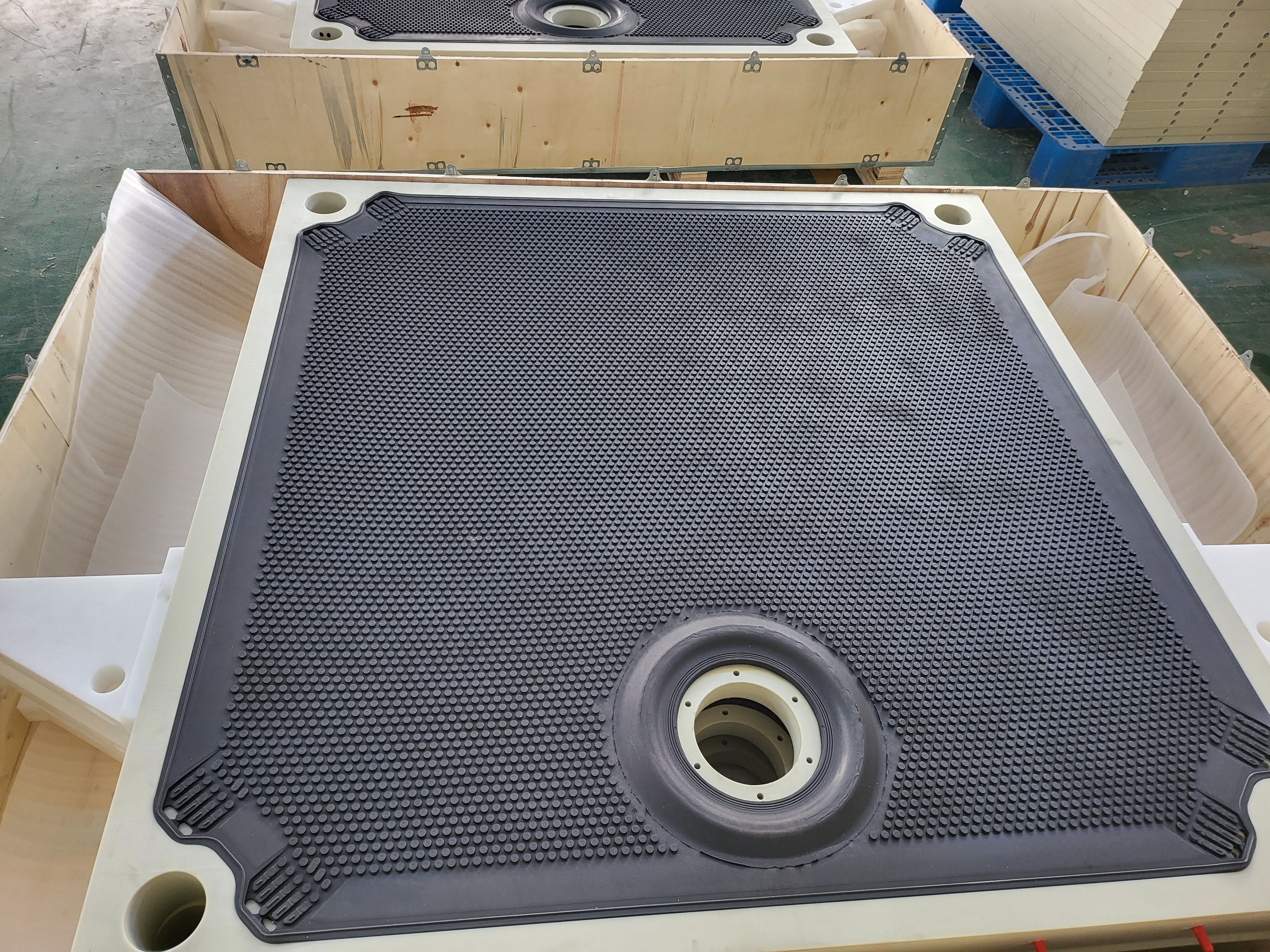
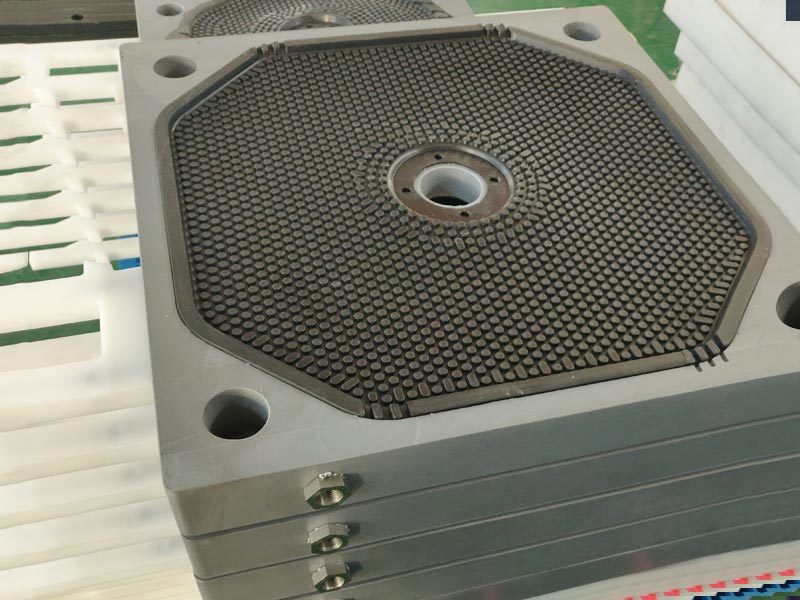
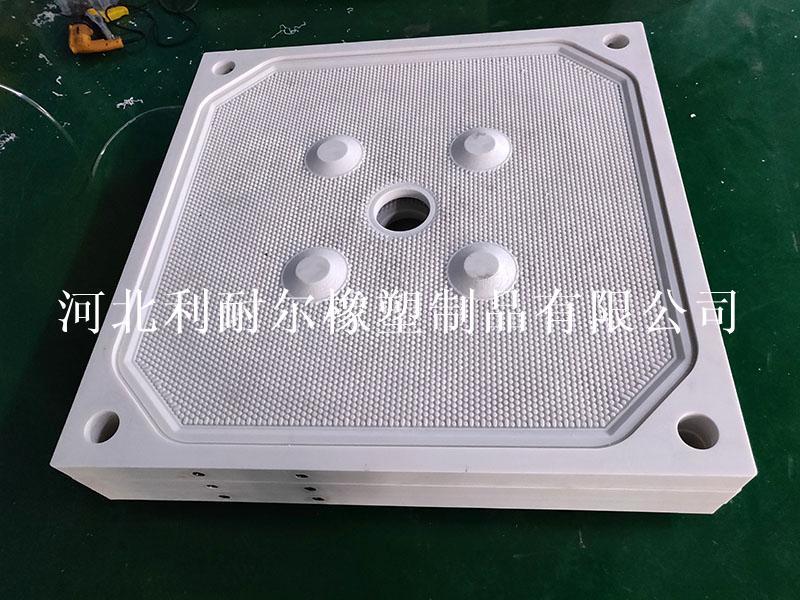
In the chemical and plastic industries, the significance of filtration systems cannot be overstated, and one key component within these systems is the 800 filter plate. These filter plates are designed to effectively separate solid particles from liquids, ensuring that the end products meet the necessary quality standards. The 800 filter plate operates through a combination of physical barriers and the intricacies of fluid dynamics, making it a vital tool in various processing applications.
The 800 filter plate typically features a standardized design that allows it to fit into existing filtration setups seamlessly. Its dimensions and configuration are optimized to ensure maximum surface area for filtration, which significantly enhances the throughput of the system. This is particularly advantageous in processes that involve large volumes of liquids, such as in the production of plastics and other chemical products.
One of the primary advantages of using 800 filter plates is their efficiency in removing impurities. In the chemical industry, the presence of contaminants can lead to defects in the final product, resulting in increased costs and waste. By utilizing an 800 filter plate, manufacturers can achieve a higher level of purity in their products, thereby improving overall quality and compliance with regulatory standards.
Moreover, the 800 filter plate can be employed in various applications, including the clarification of wastewater, the recovery of valuable materials from suspensions, and the preparation of high-purity solutions. Its versatility makes it a favored choice among professionals in the chemical and plastic sectors. The ability to customize the filter media according to specific operational requirements further enhances its applicability.
In terms of maintenance, the 800 filter plate is designed for durability and ease of use. Regular maintenance protocols, such as cleaning and inspection, can be performed conveniently, ensuring that the filtration system remains operational without significant downtime. This reliability is crucial for companies aiming to maintain continuous production flows and optimize operational efficiency.
In conclusion, the 800 filter plate serves as a fundamental component in the filtration processes within the chemical and plastic industries. By providing effective separation of solids from liquids, enhancing product quality, and offering flexibility in applications, it plays a critical role in the manufacturing landscape. Understanding the features and benefits of 800 filter plates can empower industry professionals to make informed decisions that foster innovation and efficiency in their production processes.
The 800 filter plate typically features a standardized design that allows it to fit into existing filtration setups seamlessly. Its dimensions and configuration are optimized to ensure maximum surface area for filtration, which significantly enhances the throughput of the system. This is particularly advantageous in processes that involve large volumes of liquids, such as in the production of plastics and other chemical products.
One of the primary advantages of using 800 filter plates is their efficiency in removing impurities. In the chemical industry, the presence of contaminants can lead to defects in the final product, resulting in increased costs and waste. By utilizing an 800 filter plate, manufacturers can achieve a higher level of purity in their products, thereby improving overall quality and compliance with regulatory standards.
Moreover, the 800 filter plate can be employed in various applications, including the clarification of wastewater, the recovery of valuable materials from suspensions, and the preparation of high-purity solutions. Its versatility makes it a favored choice among professionals in the chemical and plastic sectors. The ability to customize the filter media according to specific operational requirements further enhances its applicability.
In terms of maintenance, the 800 filter plate is designed for durability and ease of use. Regular maintenance protocols, such as cleaning and inspection, can be performed conveniently, ensuring that the filtration system remains operational without significant downtime. This reliability is crucial for companies aiming to maintain continuous production flows and optimize operational efficiency.
In conclusion, the 800 filter plate serves as a fundamental component in the filtration processes within the chemical and plastic industries. By providing effective separation of solids from liquids, enhancing product quality, and offering flexibility in applications, it plays a critical role in the manufacturing landscape. Understanding the features and benefits of 800 filter plates can empower industry professionals to make informed decisions that foster innovation and efficiency in their production processes.
Related News