
-
AboutHebei Linaier Rubber Products Co., Ltd. is located in Duqiao Industrial Zone, Jingxian City, Hebei Province, adjacent to Dezhou, Shandong. Founded in early 2001 with a registered capital of 35 million yuan, it is a scientific

-
ProductMain products: vertical and horizontal imported and domestic filter plates, diaphragm plates, diaphragms and accessories; pinch valve sleeves and pinch valves and various mining accessories.
-
NewsIn 2013, our company's high-pressure cylinder with phenolic cloth support and guide ring obtained the national key new product certificate, project number: 2013GRA20011; its products in coal cylinders and engineering hydrauli
-
ServiceWe will actively cooperate with more enthusiasm, strengthen internal management, expand the market externally, improve various performance indicators of existing products, and truly achieve our win-win situation!
-
RecruitmentOur company always adheres to the talent concept of "people-oriented", provides a growth platform for talents, and realizes the common growth and development of enterprises and talents.


language
English
العربية
বাংলাদেশ
Български
Hrvatski
Česky
Dansk
Nederland
 Esperanto
Slovenski
Filipino
Suomi
Français
Maori
 Shqiptare
Georgian
 Euskara
Deutsch
Ελλάδα
ישראל
इंडिया
Magyarország
Ísland
Indonesia
Irlanda
Italia
日本語
Sovensko
Հայաստան
한국
Kyrgyz
ປະເທດລາວ
 Zulu
Zulu
Latvian
Lithuanian
Luxembourgish
 Latinus
Macedonian
Малайская
Maltese
Монгол улс
 Cymraeg
ဗမာ
 தமிழ்
தமிழ்
नेपाल
Norge
ایران
Polska
Portugal
România
Российская
Србија
 Slovak
Србија
 Slovak
Bosanski
Slovenian
Беларус
España
Sverige
Точик
ประเทศไทย
Türk
Azərbaycan
Uzbek
 Afrikaans
Việt Nam

Exploring the Benefits of Using Diaphragm Plates in Industrial Applications
Release time:
2025-09-11
Exploring the Benefits of Using Diaphragm Plates in Industrial Applications Table of Contents 1. Introduction to Diaphragm Plates 2. What Are Diaphragm Plates? 3. Key Benefits of Using Diaphragm Plates 3.1 Enhanced Efficiency in Industrial Processes 3.2 Improved Durability and Longevity 3.3 Safety Features and Risk Reduction 4. Applications of Diaphragm Plates in Various Industr
Exploring the Benefits of Using Diaphragm Plates in Industrial Applications
Table of Contents
- 1. Introduction to Diaphragm Plates
- 2. What Are Diaphragm Plates?
- 3. Key Benefits of Using Diaphragm Plates
- 3.1 Enhanced Efficiency in Industrial Processes
- 3.2 Improved Durability and Longevity
- 3.3 Safety Features and Risk Reduction
- 4. Applications of Diaphragm Plates in Various Industries
- 5. Material Considerations for Diaphragm Plates
- 6. Choosing the Right Diaphragm Plate for Your Needs
- 7. Maintenance and Care for Diaphragm Plates
- 8. Frequently Asked Questions (FAQs)
- 9. Conclusion
1. Introduction to Diaphragm Plates
In the ever-evolving landscape of industrial applications, diaphragm plates have emerged as a crucial component, enhancing performance across various sectors. These plates, often made from high-quality materials, play a pivotal role in separating spaces within machinery, ensuring efficient operation. Their unique design enables them to withstand high pressures and temperatures, which is essential for industries ranging from chemical processing to food and beverage.
2. What Are Diaphragm Plates?
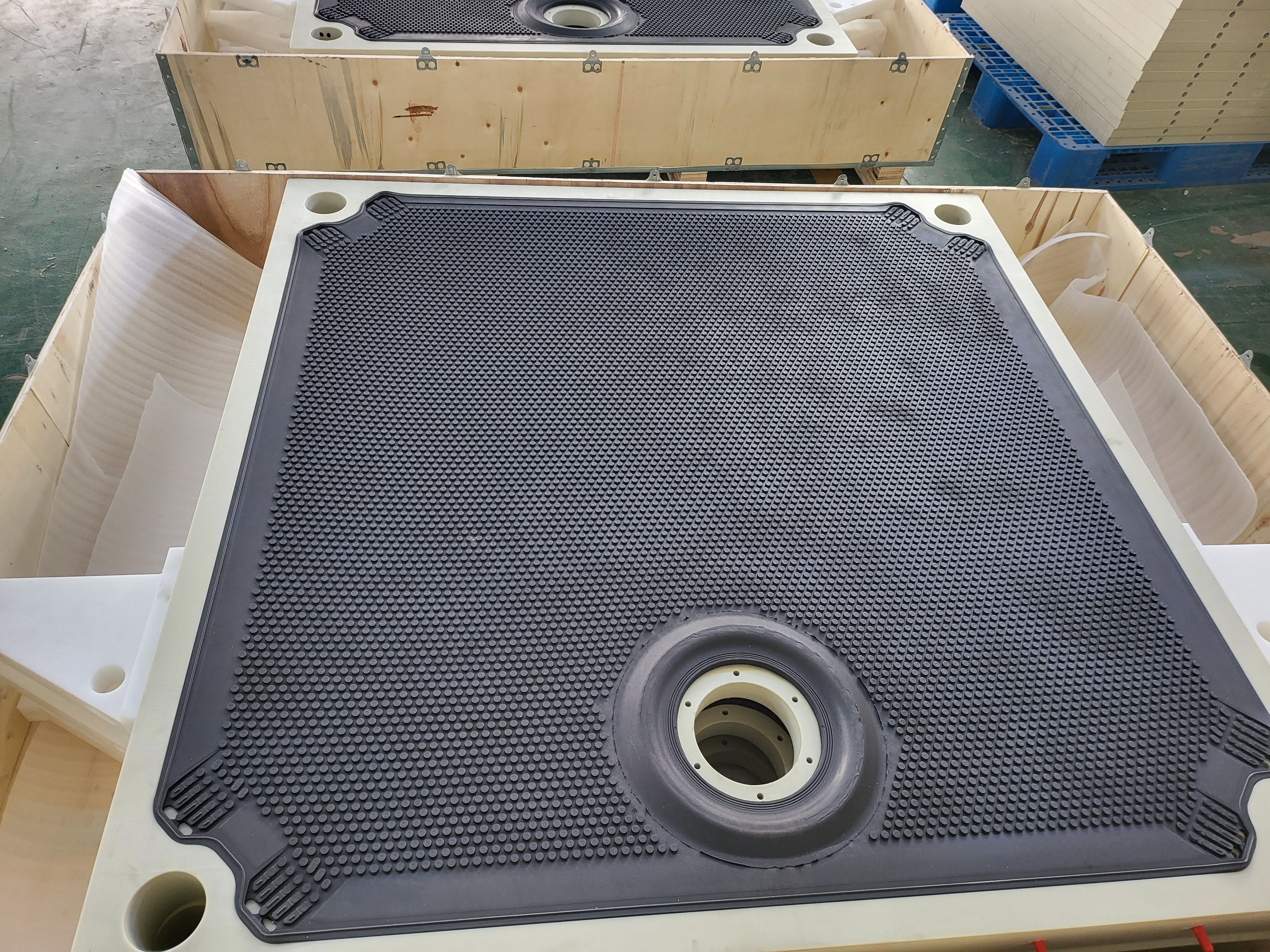
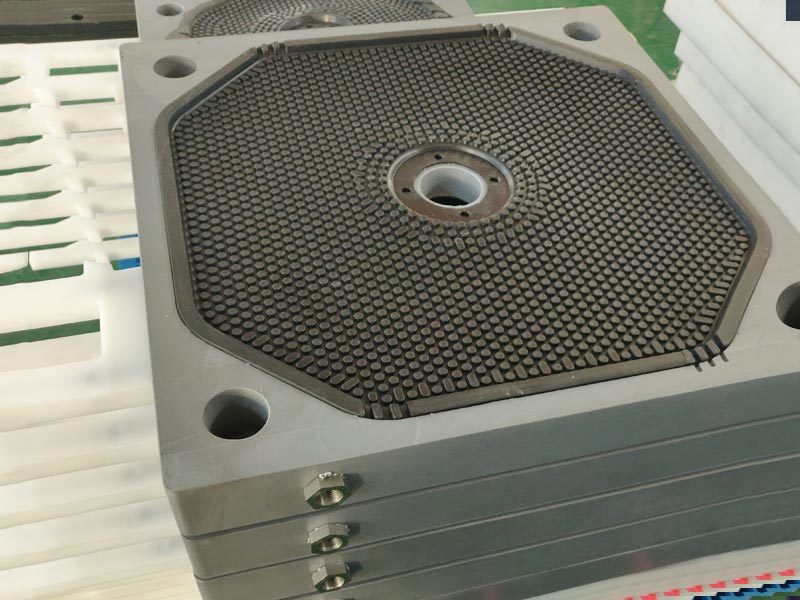
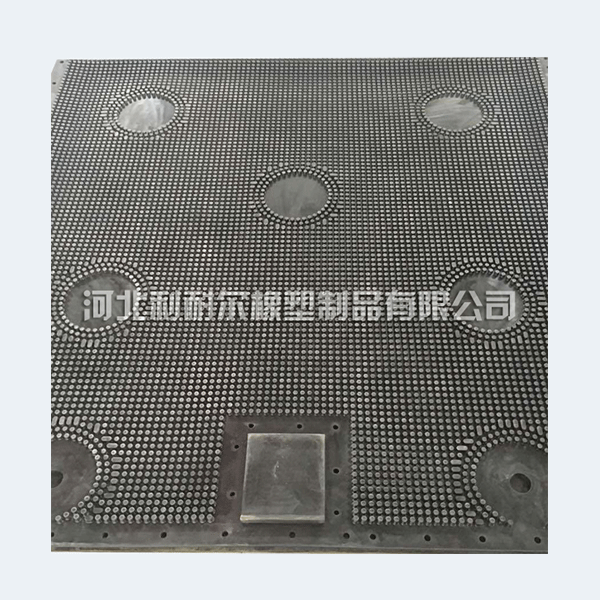
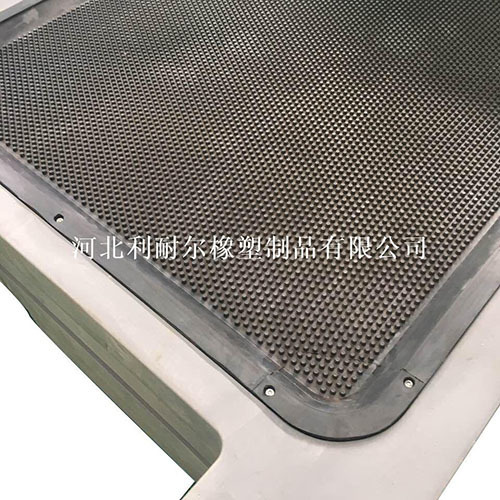
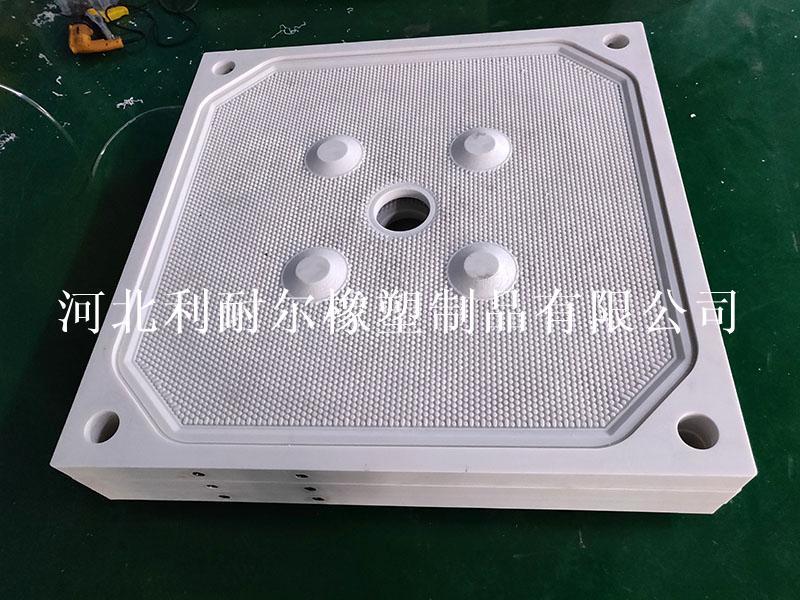
Diaphragm plates are flexible, thin membranes designed to separate different environments within industrial equipment. They function primarily as pressure seals, ensuring that fluids and gases do not leak from their designated areas. By creating a barrier, these plates facilitate efficient operation while minimizing contamination risks. Made from a variety of materials, including rubber, plastics, and composite substances, their versatility makes them suitable for numerous applications.
3. Key Benefits of Using Diaphragm Plates
The advantages of diaphragm plates are numerous and significant, impacting productivity, safety, and overall efficiency. Here, we explore some of the most compelling benefits.
3.1 Enhanced Efficiency in Industrial Processes
One of the standout benefits of diaphragm plates is their ability to enhance efficiency in industrial processes. By maintaining the integrity of pressure systems, these plates help to streamline operations. They reduce downtime caused by leaks or pressure drops, ensuring that machinery operates at peak performance. Furthermore, the precise design of diaphragm plates allows for quick and accurate responses to pressure changes, which is vital in processes requiring stringent control.
3.2 Improved Durability and Longevity
Durability is a critical factor in industrial applications, where equipment often faces harsh conditions. Diaphragm plates are engineered to withstand extreme pressures, temperatures, and corrosive environments. Their robust construction translates into a longer lifespan, reducing the frequency of replacements and maintenance costs. Investing in high-quality diaphragm plates ensures that industries can keep their operations running smoothly without constant interruptions.
3.3 Safety Features and Risk Reduction
Safety is paramount in any industrial setting. Diaphragm plates contribute significantly to risk reduction by preventing leaks and potential spills. Their design minimizes the chances of accidents related to pressure failures, which can lead to catastrophic consequences. By using diaphragm plates, companies can create safer work environments, protecting both employees and equipment.
4. Applications of Diaphragm Plates in Various Industries
Diaphragm plates find applications across a wide array of industries, each benefiting from their unique properties.
Chemical Processing
In the chemical industry, diaphragm plates are vital for preventing leaks of hazardous substances. Their ability to maintain pressure boundaries is essential for ensuring safe operations.
Food and Beverage
For food and beverage manufacturers, hygiene is crucial. Diaphragm plates help maintain sterile conditions, preventing contamination during processing and packaging.
Pharmaceuticals
In pharmaceutical manufacturing, diaphragm plates ensure that sensitive compounds are handled safely and effectively, minimizing the risk of exposure or contamination.
Oil and Gas
In the oil and gas sector, diaphragm plates play a critical role in maintaining pressure and preventing hazardous spills, which can have dire environmental consequences.
Aerospace and Automotive
In aerospace and automotive applications, diaphragm plates are used to ensure pressurized systems operate efficiently and safely, contributing to the overall reliability of the machinery.
5. Material Considerations for Diaphragm Plates
The selection of materials for diaphragm plates is crucial to their functionality and durability. Common materials include:
- Rubber: Offers flexibility and is suitable for a variety of applications.
- Thermoplastics: Provide chemical resistance and durability, making them ideal for harsh environments.
- Composites: Combine the benefits of different materials for enhanced performance.
When choosing materials, it’s essential to consider factors such as temperature resistance, chemical compatibility, and pressure ratings.
6. Choosing the Right Diaphragm Plate for Your Needs
Selecting the appropriate diaphragm plate involves understanding your specific requirements. Here are key considerations:
- Application: Identify the environment and pressure conditions.
- Material Compatibility: Ensure the material can withstand chemicals and temperatures used in your process.
- Dimensions: Proper sizing is essential for effective sealing and performance.
- Manufacturer Reputation: Choose products from reputable manufacturers known for quality and reliability.
Conducting thorough research and consulting with experts can help ensure the optimal choice for your industrial needs.
7. Maintenance and Care for Diaphragm Plates
Regular maintenance is crucial to ensure the longevity and functionality of diaphragm plates. Here are some best practices:
- Inspection: Regularly inspect diaphragm plates for signs of wear or damage.
- Cleaning: Keep plates clean to avoid contamination, especially in food and pharmaceutical applications.
- Replacement: Replace diaphragm plates promptly when wear is detected to prevent operational issues.
Implementing a proactive maintenance plan can help extend the lifespan of diaphragm plates and enhance overall efficiency.
8. Frequently Asked Questions (FAQs)
What industries commonly use diaphragm plates?
Diaphragm plates are used in a variety of industries, including chemical processing, food and beverage, pharmaceuticals, oil and gas, and aerospace.
How do diaphragm plates improve safety in industrial applications?
They prevent leaks and spills, which reduces the risk of accidents and exposure to hazardous materials.
What materials are best for diaphragm plates?
Common materials include rubber, thermoplastics, and composites, each chosen based on the specific application needs.
How often should diaphragm plates be replaced?
Replacement frequency depends on usage conditions, but regular inspections can help determine when a replacement is necessary.
Can diaphragm plates be customized for specific applications?
Yes, many manufacturers offer customizable diaphragm plates to meet specific dimensional and material requirements.
9. Conclusion
In conclusion, diaphragm plates play a vital role in enhancing the efficiency, safety, and durability of industrial applications. Their unique design and material versatility make them indispensable in various sectors, including chemical processing, food and beverage, and pharmaceuticals. By understanding the benefits and applications of diaphragm plates, industries can make informed decisions that lead to improved operational performance and safety. Investing in high-quality diaphragm plates and implementing a proactive maintenance strategy will ensure that your industrial processes remain efficient and reliable for years to come.
Related News