
-
AboutHebei Linaier Rubber Products Co., Ltd. is located in Duqiao Industrial Zone, Jingxian City, Hebei Province, adjacent to Dezhou, Shandong. Founded in early 2001 with a registered capital of 35 million yuan, it is a scientific

-
ProductMain products: vertical and horizontal imported and domestic filter plates, diaphragm plates, diaphragms and accessories; pinch valve sleeves and pinch valves and various mining accessories.
-
NewsIn 2013, our company's high-pressure cylinder with phenolic cloth support and guide ring obtained the national key new product certificate, project number: 2013GRA20011; its products in coal cylinders and engineering hydrauli
-
ServiceWe will actively cooperate with more enthusiasm, strengthen internal management, expand the market externally, improve various performance indicators of existing products, and truly achieve our win-win situation!
-
RecruitmentOur company always adheres to the talent concept of "people-oriented", provides a growth platform for talents, and realizes the common growth and development of enterprises and talents.


 Esperanto
 Shqiptare
 Euskara
 Zulu
Zulu
 Latinus
 Cymraeg
 தமிழ்
தமிழ்
 Slovak
 Slovak
 Afrikaans

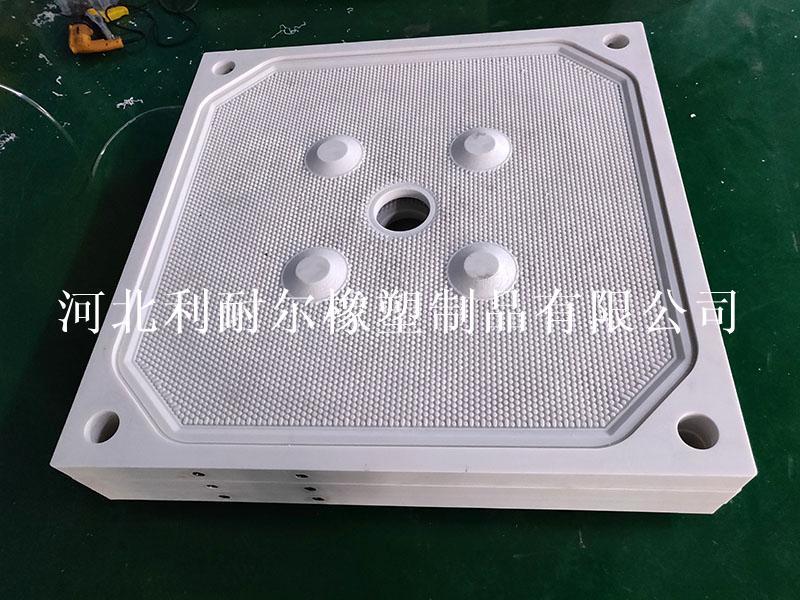
How to Conduct a Proper Inspection of Your 800 Diaphragm Plate: A Comprehensive Guide
Release time:
2025-09-01
How to Conduct a Proper Inspection of Your 800 Diaphragm Plate In the realm of industrial equipment and components, the 800 diaphragm plate plays a crucial role in various filtration processes. High efficiency and reliability are paramount in maintaining operational standards. Regular inspections of the diaphragm plate not only ensure optimal performance but also help identify potential issues bef
How to Conduct a Proper Inspection of Your 800 Diaphragm Plate
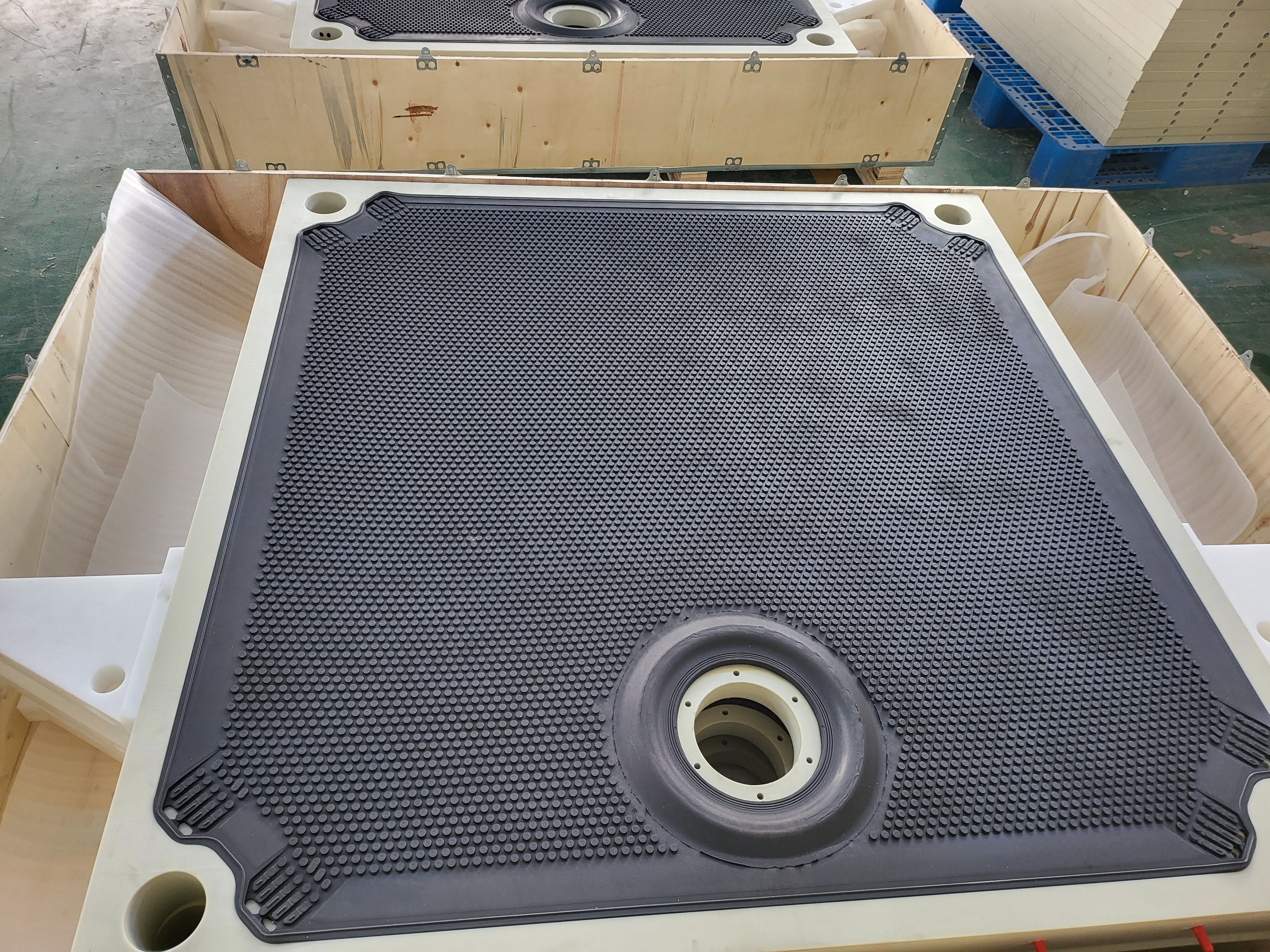
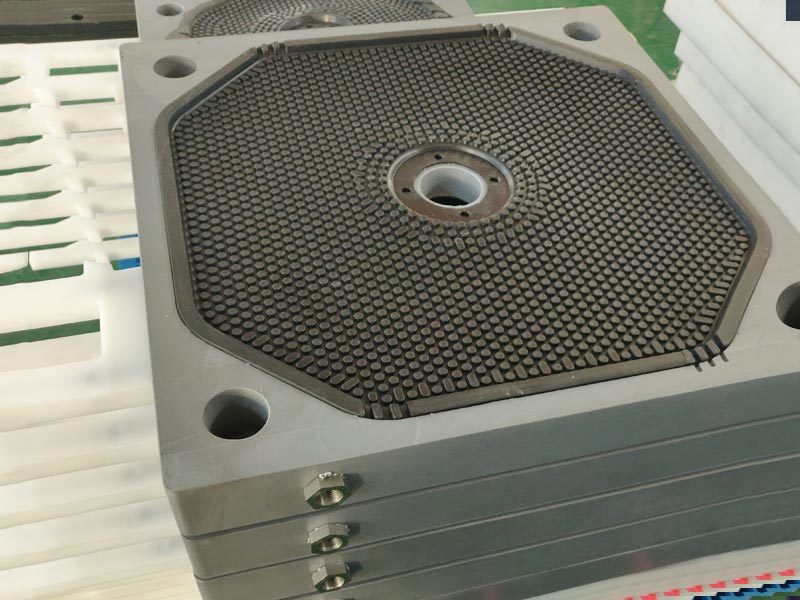
In the realm of industrial equipment and components, the 800 diaphragm plate plays a crucial role in various filtration processes. High efficiency and reliability are paramount in maintaining operational standards. Regular inspections of the diaphragm plate not only ensure optimal performance but also help identify potential issues before they escalate into costly repairs. In this comprehensive guide, we will walk you through the essential steps to conduct a thorough inspection of your 800 diaphragm plate, ensuring its longevity and functionality.
Table of Contents
- The Importance of Regular Inspections
- Essential Tools and Equipment for Inspection
- Step-by-Step Inspection Process
- Troubleshooting Common Issues
- Best Practices for Ongoing Maintenance
- When to Seek Professional Assistance
- Conclusion
- Frequently Asked Questions
The Importance of Regular Inspections
Regular inspections of your 800 diaphragm plate are essential for maintaining its efficiency and effectiveness in filtration processes. These inspections help in several ways:
- Preventing Equipment Failure: Routine checks can identify wear and tear, helping to prevent unexpected breakdowns that can lead to costly repairs.
- Ensuring Efficiency: A well-maintained diaphragm plate operates at peak efficiency, which can improve the overall productivity of your industrial processes.
- Extending Lifespan: Regular inspections and maintenance can significantly extend the lifespan of your diaphragm plate, allowing for better return on investment.
In summary, prioritizing inspections is crucial for the longevity and performance of your diaphragm plate. This proactive approach helps in mitigating risks associated with equipment failure and ensures that your operations run smoothly.
Essential Tools and Equipment for Inspection
Before diving into the inspection process, it’s important to gather all the necessary tools and equipment. Here's a list of items you’ll need:
- Inspection Mirror: Useful for viewing hard-to-reach areas of the diaphragm plate.
- Flashlight: Provides adequate lighting for thorough inspection.
- Calipers or Ruler: To measure the dimensions of the diaphragm plate and check for any deformation.
- Torque Wrench: Ensures that bolts and screws are tightened to the manufacturer’s specifications.
- Cleaning Supplies: Soft brushes, cloths, and appropriate cleaning solutions to remove any debris or contaminants.
Step-by-Step Inspection Process
Now that you have your tools ready, let’s walk through the detailed inspection process of your 800 diaphragm plate.
Initial Visual Check
Begin with a thorough visual inspection. Look for any obvious signs of damage, wear, or contamination:
- Cracks or Deformation: Inspect the diaphragm plate for any visible cracks, tears, or deformation that could hinder its performance.
- Surface Contamination: Look for any build-up of dirt, dust, or other contaminants that could affect the functionality of the diaphragm.
- Corrosion: Check for any signs of rust or corrosion, particularly on metallic components.
Detailed Examination of Components
Once the initial check is complete, proceed to a more detailed examination. This step involves measuring and testing various aspects of the diaphragm plate:
- Measurements: Use calipers or a ruler to compare the dimensions of the diaphragm plate to the manufacturer’s specifications. Look for any discrepancies that may indicate wear.
- Flexibility Test: Gently test the flexibility of the diaphragm material. It should have a certain degree of flexibility without showing signs of cracking or brittleness.
- Seal Integrity: Inspect the seals around the diaphragm plate for any signs of wear or damage. Proper sealing is critical for maintaining pressure and preventing leaks.
Functional Testing of the Diaphragm Plate
After examining the physical condition of the diaphragm plate, perform functional tests to ensure it operates correctly:
- Pressure Test: Conduct a pressure test to ensure the diaphragm can handle the required pressure levels without failure.
- Flow Test: Measure the flow rate to ensure that it aligns with the expected specifications. Anomalies in flow rates can indicate problems.
Troubleshooting Common Issues
Despite thorough inspections, issues may still arise with your diaphragm plate. Here are some common problems and troubleshooting tips:
- Leakage: If you notice any leakage, check the seals and connections. Replace any damaged seals immediately.
- Reduced Efficiency: If the flow rate is below expectations, inspect for blockages or contamination in the filtration system.
- Strange Noises: Unusual noises during operation may indicate mechanical issues. Review the installation and alignment of components.
Best Practices for Ongoing Maintenance
To prolong the life of your diaphragm plate, consider implementing the following maintenance practices:
- Regular Cleaning: Clean the diaphragm plate and surrounding components regularly to prevent build-up.
- Scheduled Inspections: Set a routine schedule for inspections based on usage and operational demands.
- Training Staff: Ensure that all operators are trained in proper handling and inspection techniques.
When to Seek Professional Assistance
While many inspections and maintenance tasks can be performed in-house, certain situations warrant professional help:
- Complex Repairs: If you encounter significant issues, such as extensive damage or failure that requires specialized knowledge.
- Upgrades: When considering upgrades or modifications to enhance efficiency, consulting a professional can provide insights.
Conclusion
Conducting a proper inspection of your 800 diaphragm plate is essential for maintaining its efficiency and prolonging its lifespan. By following the outlined steps, utilizing the right tools, and adhering to best practices in maintenance, we can ensure that our diaphragm plate continues to perform optimally in our filtration processes. Regular inspections not only prevent costly repairs but also enhance the overall productivity of our operations. Make it a point to prioritize these inspections, and invest in ongoing training and resources to keep your equipment in top condition.
Frequently Asked Questions
1. How often should I inspect my 800 diaphragm plate?
Regular inspections are recommended every three to six months, but it may vary based on usage conditions.
2. What are the signs that my diaphragm plate needs replacement?
Look for visible cracks, severe wear, loss of flexibility, and persistent leaks as indicators for replacement.
3. Can I perform inspections myself, or should I hire a professional?
Many inspections can be performed in-house; however, complex issues should be handled by professionals.
4. What is the average lifespan of an 800 diaphragm plate?
With proper maintenance, an 800 diaphragm plate can last anywhere from 5 to 10 years.
5. What should I do if I find a serious issue during inspection?
If serious issues are detected, halt operations and address the problem immediately to prevent further damage.
Related News