
-
AboutHebei Linaier Rubber Products Co., Ltd. is located in Duqiao Industrial Zone, Jingxian City, Hebei Province, adjacent to Dezhou, Shandong. Founded in early 2001 with a registered capital of 35 million yuan, it is a scientific

-
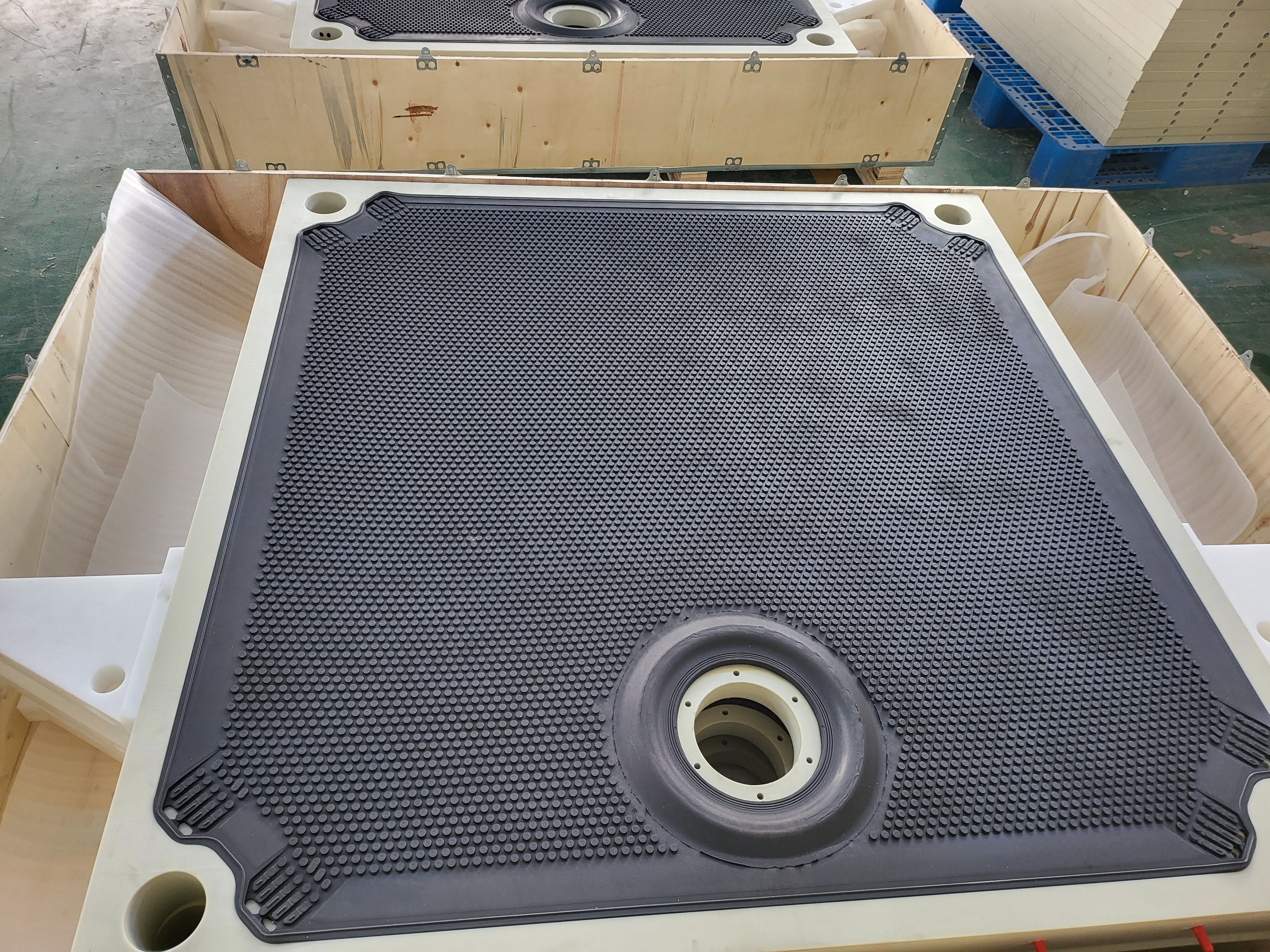
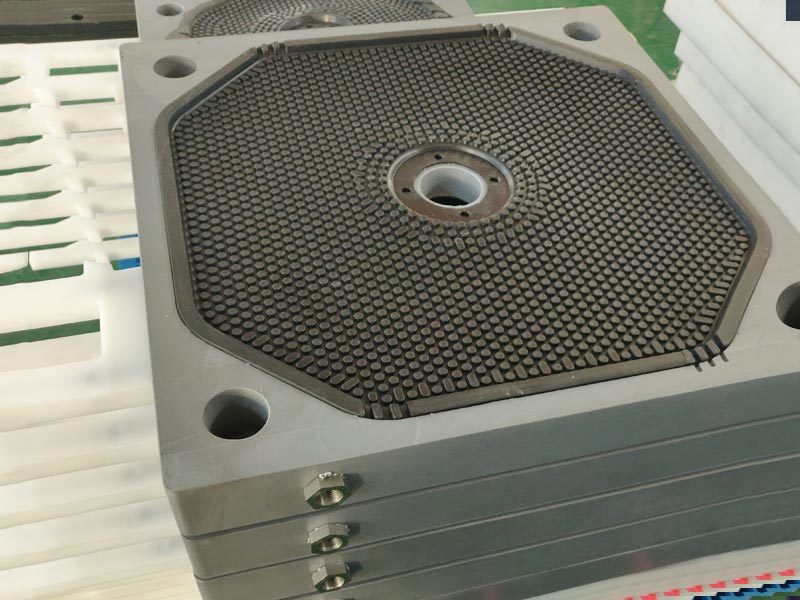
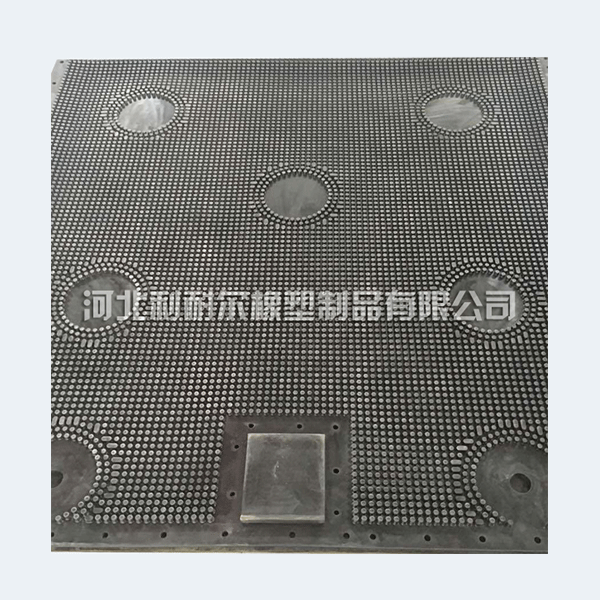
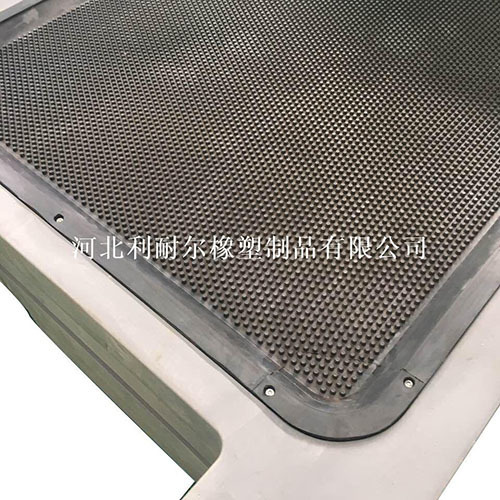
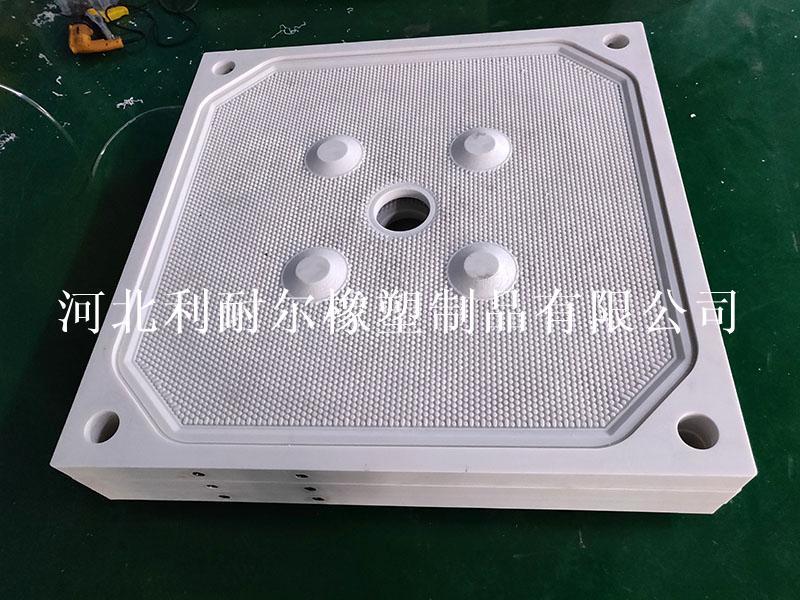
ProductMain products: vertical and horizontal imported and domestic filter plates, diaphragm plates, diaphragms and accessories; pinch valve sleeves and pinch valves and various mining accessories.
-
NewsIn 2013, our company's high-pressure cylinder with phenolic cloth support and guide ring obtained the national key new product certificate, project number: 2013GRA20011; its products in coal cylinders and engineering hydrauli
-
ServiceWe will actively cooperate with more enthusiasm, strengthen internal management, expand the market externally, improve various performance indicators of existing products, and truly achieve our win-win situation!
-
RecruitmentOur company always adheres to the talent concept of "people-oriented", provides a growth platform for talents, and realizes the common growth and development of enterprises and talents.


language
English
العربية
বাংলাদেশ
Български
Hrvatski
Česky
Dansk
Nederland
 Esperanto
Slovenski
Filipino
Suomi
Français
Maori
 Shqiptare
Georgian
 Euskara
Deutsch
Ελλάδα
ישראל
इंडिया
Magyarország
Ísland
Indonesia
Irlanda
Italia
日本語
Sovensko
Հայաստան
한국
Kyrgyz
ປະເທດລາວ
 Zulu
Zulu
Latvian
Lithuanian
Luxembourgish
 Latinus
Macedonian
Малайская
Maltese
Монгол улс
 Cymraeg
ဗမာ
 தமிழ்
தமிழ்
नेपाल
Norge
ایران
Polska
Portugal
România
Российская
Србија
 Slovak
Србија
 Slovak
Bosanski
Slovenian
Беларус
España
Sverige
Точик
ประเทศไทย
Türk
Azərbaycan
Uzbek
 Afrikaans
Việt Nam

Enhance Engine Performance and Minimize Leaks with State-of-the-Art Cylinder Seals
Release time:
2025-06-10
Enhance Engine Performance and Minimize Leaks with State-of-the-Art Cylinder Seals Table of Contents 1. Introduction to Cylinder Seals and Engine Performance 2. The Importance of Cylinder Seals in Engine Functionality 3. Types of Cylinder Seals: A Comprehensive Overview - 3.1 Rubber Seals: Versatile and Cost-Effective - 3.2 Metal Seals: Durability in Extreme Conditions - 3.3 Com
Enhance Engine Performance and Minimize Leaks with State-of-the-Art Cylinder Seals
Table of Contents
1. Introduction to Cylinder Seals and Engine Performance
2. The Importance of Cylinder Seals in Engine Functionality
3. Types of Cylinder Seals: A Comprehensive Overview
- 3.1 Rubber Seals: Versatile and Cost-Effective
- 3.2 Metal Seals: Durability in Extreme Conditions
- 3.3 Composite Seals: The Best of Both Worlds
4. Advantages of Advanced Cylinder Seals
5. How to Select the Right Cylinder Seal for Your Engine
6. Proper Installation Techniques for Optimal Performance
7. Maintenance Tips to Extend the Life of Cylinder Seals
8. Conclusion: Maximizing Engine Efficiency and Longevity
9. FAQs: Your Cylinder Seal Questions Answered
Introduction to Cylinder Seals and Engine Performance
In the complex operation of modern engines, **cylinder seals** play a pivotal role in ensuring efficiency and performance. By creating a tight seal between the engine components, these seals prevent leakage of gases and fluids, thereby enhancing overall engine functionality. As industries evolve, the demand for **advanced cylinder seal technology** becomes increasingly crucial for reducing emissions, improving performance, and ensuring longevity.
The Importance of Cylinder Seals in Engine Functionality
Cylinder seals are vital for maintaining the integrity of the combustion chamber. They serve several essential functions:
- **Preventing Leakage**: Effective seals minimize the escape of gases and fluids, which can lead to a loss of power and efficiency.
- **Enhancing Performance**: A tight seal ensures optimal compression, which directly impacts engine power output.
- **Reducing Wear and Tear**: By minimizing friction and preventing contaminants from entering the engine, cylinder seals can prolong the life of engine components.
Understanding the importance of these seals is the first step toward optimizing engine performance and reducing leaks.
Types of Cylinder Seals: A Comprehensive Overview
Choosing the right type of cylinder seal is critical for achieving the desired performance in your industrial machinery. Below are the most common types of cylinder seals used in the industry.
Rubber Seals: Versatile and Cost-Effective
**Rubber cylinder seals** are widely used due to their flexibility and adaptability. They are particularly effective in applications where slight deformation is acceptable. Key characteristics include:
- **Cost-Effectiveness**: Rubber seals are generally cheaper to produce, making them an attractive option for many manufacturers.
- **Resistance to Chemicals**: Certain types of rubber can withstand exposure to oils and fuels, making them ideal for various applications.
However, rubber seals may not perform well under extreme temperatures, which leads us to the next option.
Metal Seals: Durability in Extreme Conditions
**Metal cylinder seals** offer superior durability, making them suitable for high-performance engines and extreme environments. Distinct advantages include:
- **High Temperature Resistance**: Metal seals can maintain structural integrity under very high temperatures, ensuring consistent performance.
- **Longer Lifespan**: The robust nature of metal seals allows them to endure wear and tear better than their rubber counterparts.
Despite their advantages, metal seals may require more rigorous installation procedures and may not offer the same level of deformability.
Composite Seals: The Best of Both Worlds
**Composite cylinder seals** combine the beneficial properties of both rubber and metal. These seals provide:
- **Enhanced Performance**: The dual-material nature allows for optimal sealing even in challenging conditions.
- **Versatility**: Composite seals can cater to a wide range of applications, from automotive engines to heavy machinery.
With their unique properties, composite seals are becoming increasingly popular among manufacturers seeking reliable and efficient sealing solutions.
Advantages of Advanced Cylinder Seals
Implementing **advanced cylinder seals** in your engines can yield numerous advantages. Here are some key benefits:
- **Improved Engine Efficiency**: A well-sealed engine operates more efficiently, resulting in better fuel economy.
- **Reduced Emissions**: By preventing gas leaks, advanced seals contribute to lower emissions, aiding compliance with environmental regulations.
- **Enhanced Reliability**: High-quality seals ensure that engines operate under optimal conditions, reducing the likelihood of breakdowns or failures.
Investing in advanced cylinder seals is not merely a choice; it is a strategic decision that can enhance the performance of your machinery significantly.
How to Select the Right Cylinder Seal for Your Engine
Selecting the appropriate cylinder seal involves understanding the specific requirements of your engine. Here are some factors to consider:
- **Operating Environment**: Assess the temperature and pressure conditions in which the engine will operate.
- **Material Compatibility**: Ensure that the seal material is compatible with the fluids and gases it will encounter.
- **Application**: Different engines have varying sealing needs based on their design and intended use.
By considering these factors, you can make an informed decision that will lead to optimal engine performance.
Proper Installation Techniques for Optimal Performance
To maximize the effectiveness of your cylinder seals, proper installation is crucial. Follow these guidelines for a successful installation:
- **Clean the Surface**: Ensure that the sealing surfaces are free of debris, oil, and contaminants.
- **Use Appropriate Tools**: Utilize the right tools for installation to avoid damaging the seals.
- **Follow Manufacturer Specifications**: Adhere to the guidelines provided by the manufacturer regarding torque settings and installation procedures.
Proper installation not only enhances performance but also extends the lifespan of the seals.
Maintenance Tips to Extend the Life of Cylinder Seals
Maintaining cylinder seals is essential for ensuring their durability and effectiveness. Here are some maintenance tips to consider:
- **Regular Inspections**: Conduct frequent checks for wear and tear, and replace seals as needed.
- **Monitor Engine Performance**: Keep an eye on engine performance indicators to identify potential sealing issues early.
- **Keep the Engine Clean**: Regular cleaning of the engine compartment can prevent contaminants from affecting the seals.
By integrating these maintenance practices, you will help extend the life of your cylinder seals and enhance overall engine performance.
Conclusion: Maximizing Engine Efficiency and Longevity
In summary, utilizing **advanced cylinder seals** is a practical approach to improving engine performance and minimizing leaks. Understanding the types of seals available, their advantages, and how to properly select, install, and maintain them is essential for achieving optimal results. By investing in high-quality cylinder seals, you can enhance the reliability and efficiency of your industrial machinery, ultimately leading to greater productivity and reduced operational costs.
FAQs: Your Cylinder Seal Questions Answered
1. What factors affect the lifespan of a cylinder seal?
The lifespan of a cylinder seal can be affected by factors such as operating temperature, pressure, material compatibility, and maintenance practices.
2. How can I tell if my cylinder seal needs replacing?
Signs that your cylinder seal may need replacing include leaks, reduced engine performance, and visible wear or damage to the seal.
3. Are rubber seals suitable for high-performance engines?
While rubber seals can be used in many applications, they may not perform as well under extreme conditions compared to metal or composite seals.
4. Can I install cylinder seals myself?
Yes, with the right tools and following manufacturer guidelines, you can install cylinder seals. However, consulting a professional is recommended for optimal results.
5. What are the most common materials used for cylinder seals?
Common materials include rubber, metal, and composite materials, each offering different advantages depending on the application and environment.
Incorporating advanced cylinder seals in your engine management strategy is not just about sealing; it's about unlocking potential, enhancing performance, and achieving operational excellence. Embrace the technology and keep your engines running smoothly for years to come.
Related News