
-
AboutHebei Linaier Rubber Products Co., Ltd. is located in Duqiao Industrial Zone, Jingxian City, Hebei Province, adjacent to Dezhou, Shandong. Founded in early 2001 with a registered capital of 35 million yuan, it is a scientific

-
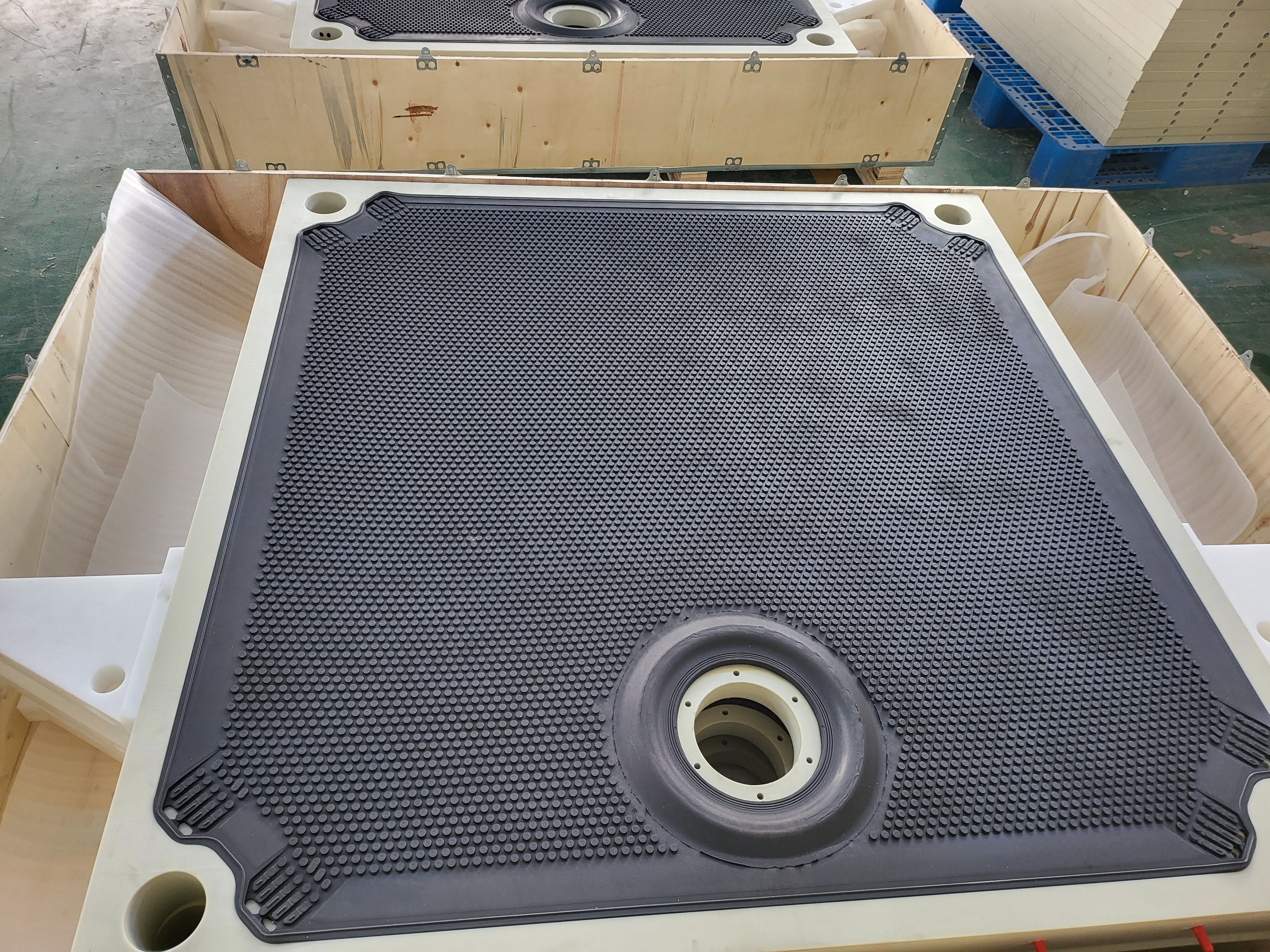
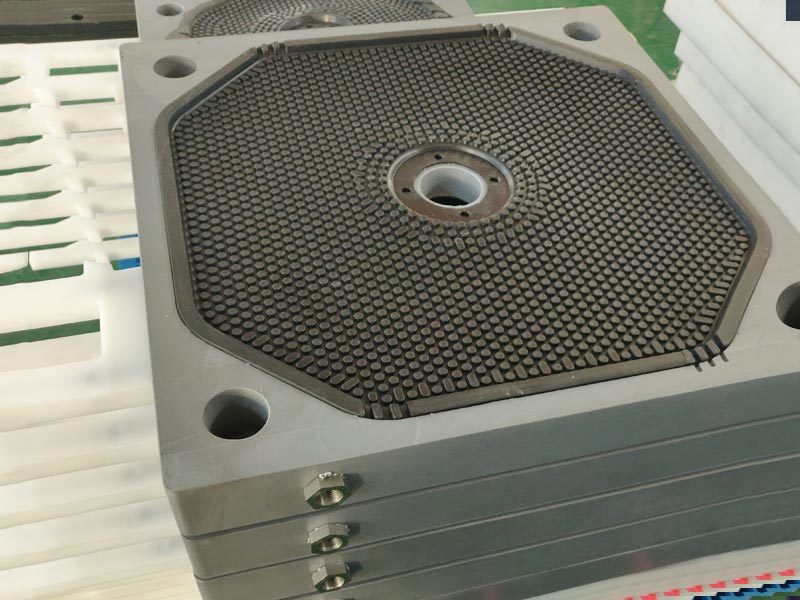
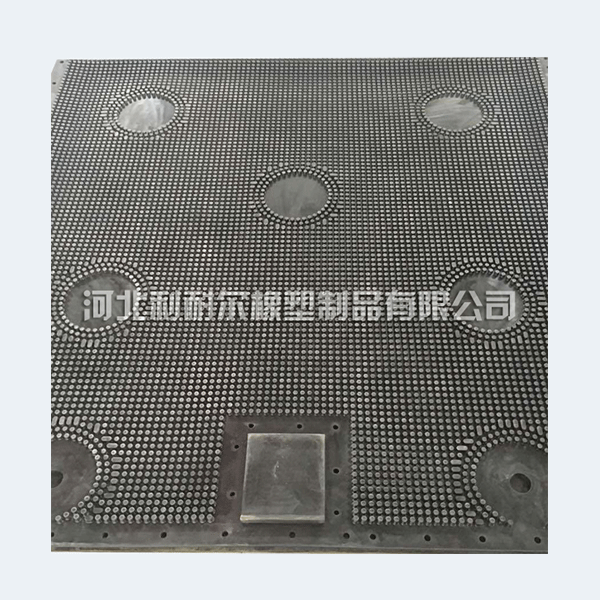
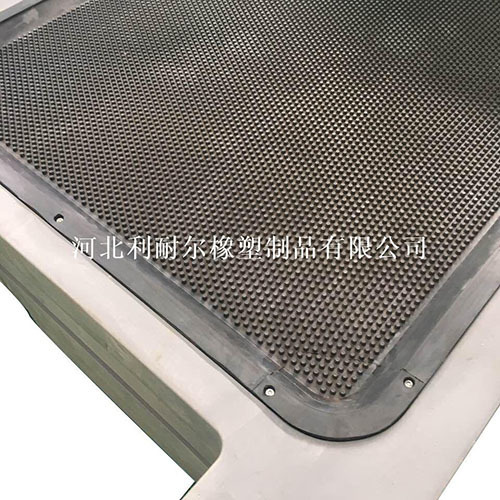
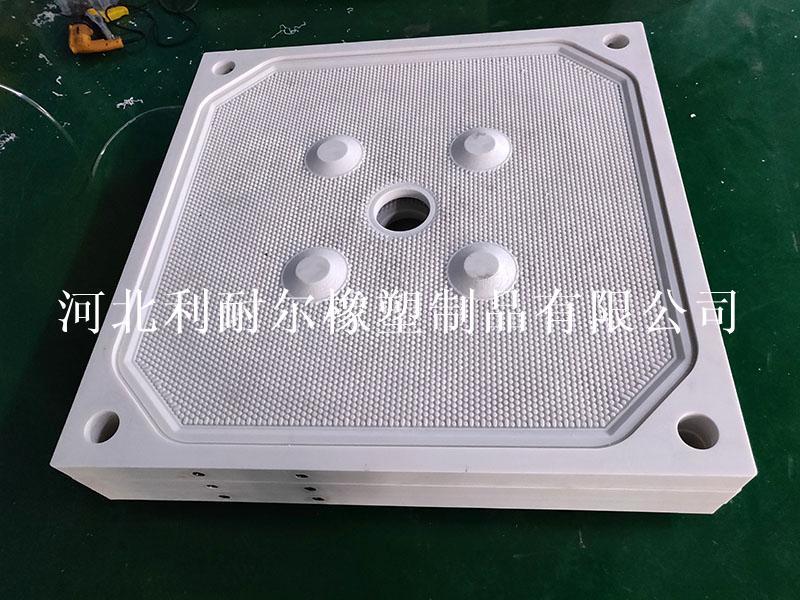
ProductMain products: vertical and horizontal imported and domestic filter plates, diaphragm plates, diaphragms and accessories; pinch valve sleeves and pinch valves and various mining accessories.
-
NewsIn 2013, our company's high-pressure cylinder with phenolic cloth support and guide ring obtained the national key new product certificate, project number: 2013GRA20011; its products in coal cylinders and engineering hydrauli
-
ServiceWe will actively cooperate with more enthusiasm, strengthen internal management, expand the market externally, improve various performance indicators of existing products, and truly achieve our win-win situation!
-
RecruitmentOur company always adheres to the talent concept of "people-oriented", provides a growth platform for talents, and realizes the common growth and development of enterprises and talents.


language
English
العربية
বাংলাদেশ
Български
Hrvatski
Česky
Dansk
Nederland
 Esperanto
Slovenski
Filipino
Suomi
Français
Maori
 Shqiptare
Georgian
 Euskara
Deutsch
Ελλάδα
ישראל
इंडिया
Magyarország
Ísland
Indonesia
Irlanda
Italia
日本語
Sovensko
Հայաստան
한국
Kyrgyz
ປະເທດລາວ
 Zulu
Zulu
Latvian
Lithuanian
Luxembourgish
 Latinus
Macedonian
Малайская
Maltese
Монгол улс
 Cymraeg
ဗမာ
 தமிழ்
தமிழ்
नेपाल
Norge
ایران
Polska
Portugal
România
Российская
Србија
 Slovak
Србија
 Slovak
Bosanski
Slovenian
Беларус
España
Sverige
Точик
ประเทศไทย
Türk
Azərbaycan
Uzbek
 Afrikaans
Việt Nam

Top Benefits of Using Cloth Guide Rings in Excavators
Release time:
2025-04-23
Top Benefits of Using Cloth Guide Rings in Excavators Introduction to Cloth Guide Rings in Excavators In the realm of industrial equipment, excavators stand out for their versatility and efficiency in various construction and mining applications. Among the many components that contribute to their functionality, cloth guide rings play a pivotal role. These rings not only aid in the operational ef
Top Benefits of Using Cloth Guide Rings in Excavators
Introduction to Cloth Guide Rings in Excavators
In the realm of industrial equipment, excavators stand out for their versatility and efficiency in various construction and mining applications. Among the many components that contribute to their functionality, cloth guide rings play a pivotal role. These rings not only aid in the operational efficiency of excavators but also offer a range of benefits that can significantly improve overall performance.
What Are Cloth Guide Rings?
Cloth guide rings are specialized components made from high-quality textile materials, designed to guide hydraulic hoses, cables, and other flexible connections within excavators. Their primary function is to minimize friction and wear while ensuring that these components remain securely positioned during operation. By implementing cloth guide rings, excavator operators can enhance the overall performance and longevity of their equipment.
The Composition of Cloth Guide Rings
These guide rings are typically crafted from durable synthetic fibers or woven textiles, designed to withstand harsh operational conditions. The material composition allows them to be lightweight yet strong, making them ideal for use in environments where traditional metal or plastic guides may falter under stress.
Key Benefits of Using Cloth Guide Rings in Excavators
1. Enhanced Durability and Longevity
The use of cloth guide rings significantly extends the lifespan of hydraulic hoses and cables. The soft fabric reduces friction, preventing wear and tear that can lead to costly replacements. As a result, operators notice fewer breakdowns and reduced maintenance costs over time.
2. Improved Operational Efficiency
Excavators equipped with cloth guide rings experience smoother operation. The rings help to organize hoses and cables, reducing clutter and minimizing the risk of entanglement. This improved organization leads to faster setup times and greater overall efficiency on job sites.
3. Noise Reduction
One often-overlooked benefit of cloth guide rings is their ability to dampen noise. The fabric absorbs vibrations that would otherwise amplify sound, creating a quieter working environment. This not only enhances operator comfort but also contributes to better communication on busy job sites.
4. Increased Safety Standards
Safety is paramount in any industrial setting. Cloth guide rings help minimize the risk of accidental disconnections, which can occur when hoses and cables are improperly managed. By keeping these components securely in place, operators can work with confidence, knowing that their equipment is safe and reliable.
5. Versatility Across Applications
Cloth guide rings can be utilized in various types of excavators and other heavy machinery. Their adaptability makes them an ideal choice for contractors who operate different brands and models. This versatility simplifies inventory management and ensures compatibility across equipment lines.
Installation and Maintenance of Cloth Guide Rings
Step-by-Step Installation Guide
1. **Preparation**: Ensure that the excavator is turned off, and all hydraulic systems are depressurized.
2. **Identify Locations**: Determine where the guide rings will be installed, focusing on areas where hoses and cables experience the most movement.
3. **Install the Rings**: Secure the cloth guide rings around the hoses and cables, making sure they fit snugly but not overly tight. Use any additional clips or fasteners as needed.
4. **Testing**: After installation, conduct a thorough check by running the excavator at low speeds to ensure everything operates smoothly without any interference.
Routine Maintenance Tips
- **Regular Inspections**: Frequently check cloth guide rings for signs of wear and damage. Replace any that show significant deterioration.
- **Cleaning**: Keep the rings clean to prevent dirt and debris buildup, which can compromise their effectiveness.
- **Monitor Performance**: Pay attention to any changes in equipment performance, such as unusual noises or operational hiccups, which may indicate that the cloth guide rings need attention.
Common Misconceptions About Cloth Guide Rings
1. Cloth Guide Rings Are Only for Hydraulic Systems
While they are primarily known for their use with hydraulic systems, cloth guide rings can also be beneficial for electrical and pneumatic systems, providing versatile solutions across various applications.
2. They Require Frequent Replacement
Due to their durable materials, cloth guide rings can last for an extended period with proper maintenance. Regular checks and timely replacements only when necessary can lead to long-term savings.
Comparing Cloth Guide Rings to Other Guide Systems
1. Metal Guide Rings
Metal guide rings are robust but can create friction, leading to wear on hoses and cables. Cloth guide rings, on the other hand, offer a softer touch that minimizes friction and enhances the longevity of components.
2. Plastic Guide Rings
Plastic options can become brittle over time, especially in harsh environments. Cloth rings maintain their integrity longer, providing a more reliable solution for excavators operating in diverse conditions.
The Future of Cloth Guide Rings in Excavators
As technology continues to advance, the production of cloth guide rings is evolving. New materials and designs are being developed to further enhance their performance and adaptability. Innovations such as moisture-resistant fabrics and improved heat resistance are paving the way for even greater efficiency in excavators and other heavy machinery.
FAQs About Cloth Guide Rings in Excavators
1. How often should cloth guide rings be replaced?
Regular inspections should be conducted to check for wear and tear. Typically, they can last several months to years, depending on usage and operating conditions.
2. Can cloth guide rings be used in outdoor conditions?
Yes, cloth guide rings are designed to withstand various environmental conditions, making them suitable for outdoor use.
3. What are the costs associated with cloth guide rings?
Prices can vary based on size and material, but they generally represent a cost-effective solution when considering the long-term benefits they provide.
4. Are cloth guide rings compatible with all excavator brands?
Most cloth guide rings are designed to be versatile and can be used across various excavator brands and models.
5. Do cloth guide rings require any special tools for installation?
No special tools are typically required; basic hand tools will suffice for installation and maintenance.
Conclusion
Incorporating cloth guide rings into excavators offers numerous benefits, including enhanced durability, operational efficiency, noise reduction, and improved safety standards. Their versatility and ease of maintenance make them a smart investment for operators seeking to optimize equipment performance. As the industry continues to innovate, cloth guide rings will undoubtedly remain a crucial component in the efficiency and longevity of excavators, paving the way for a more productive future in construction and heavy machinery operations.
Related News