
-
AboutHebei Linaier Rubber Products Co., Ltd. is located in Duqiao Industrial Zone, Jingxian City, Hebei Province, adjacent to Dezhou, Shandong. Founded in early 2001 with a registered capital of 35 million yuan, it is a scientific

-
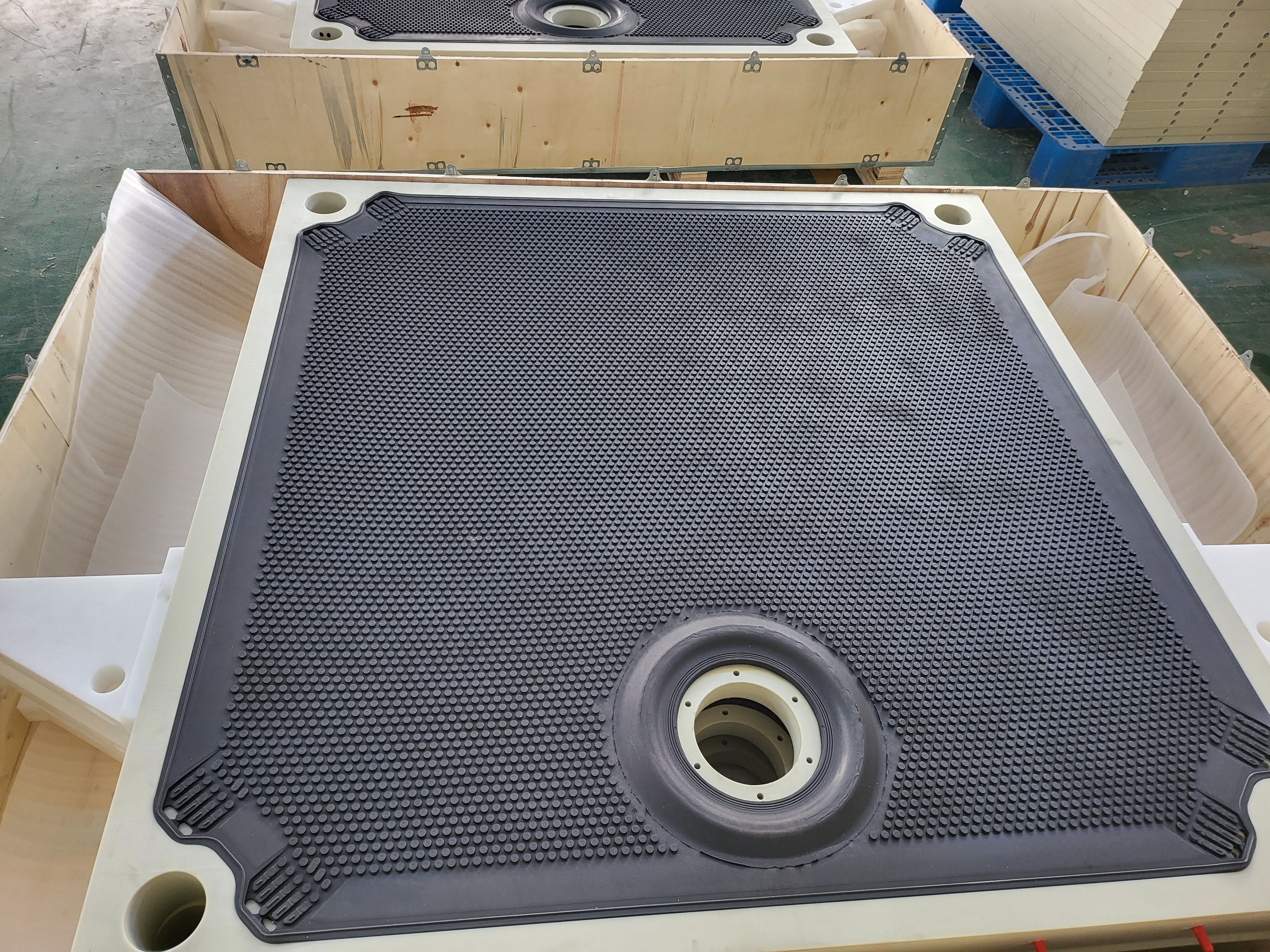
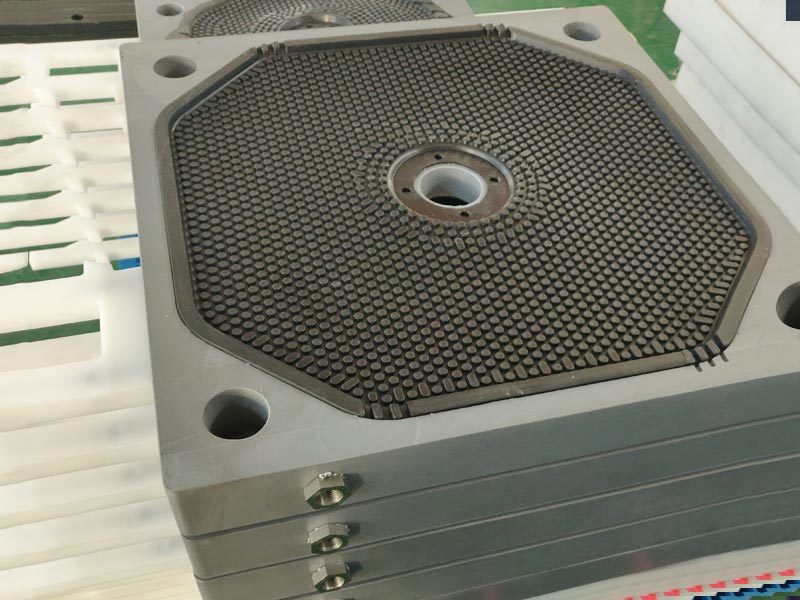
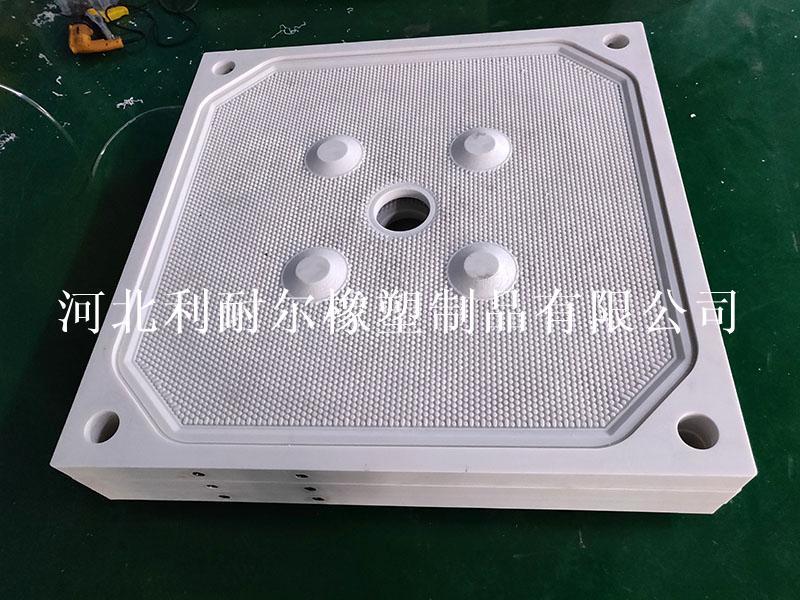
ProductMain products: vertical and horizontal imported and domestic filter plates, diaphragm plates, diaphragms and accessories; pinch valve sleeves and pinch valves and various mining accessories.
-
NewsIn 2013, our company's high-pressure cylinder with phenolic cloth support and guide ring obtained the national key new product certificate, project number: 2013GRA20011; its products in coal cylinders and engineering hydrauli
-
ServiceWe will actively cooperate with more enthusiasm, strengthen internal management, expand the market externally, improve various performance indicators of existing products, and truly achieve our win-win situation!
-
RecruitmentOur company always adheres to the talent concept of "people-oriented", provides a growth platform for talents, and realizes the common growth and development of enterprises and talents.


language
English
العربية
বাংলাদেশ
Български
Hrvatski
Česky
Dansk
Nederland
 Esperanto
Slovenski
Filipino
Suomi
Français
Maori
 Shqiptare
Georgian
 Euskara
Deutsch
Ελλάδα
ישראל
इंडिया
Magyarország
Ísland
Indonesia
Irlanda
Italia
日本語
Sovensko
Հայաստան
한국
Kyrgyz
ປະເທດລາວ
 Zulu
Zulu
Latvian
Lithuanian
Luxembourgish
 Latinus
Macedonian
Малайская
Maltese
Монгол улс
 Cymraeg
ဗမာ
 தமிழ்
தமிழ்
नेपाल
Norge
ایران
Polska
Portugal
România
Российская
Србија
 Slovak
Србија
 Slovak
Bosanski
Slovenian
Беларус
España
Sverige
Точик
ประเทศไทย
Türk
Azərbaycan
Uzbek
 Afrikaans
Việt Nam

Maximizing Efficiency: Seal Components for Automotive Cylinder Applications
Release time:
2025-04-05
Maximizing Efficiency: Seal Components for Automotive Cylinder Applications Table of Contents 1. Introduction to Seal Components in Automotive Cylinders 2. The Importance of Sealing Materials in Engine Performance 3. Types of Seal Components Used in Automotive Cylinder Applications 3.1 Static Seals 3.2 Dynamic Seals 3.3 Custom Seals and The
Maximizing Efficiency: Seal Components for Automotive Cylinder Applications
Table of Contents
- 1. Introduction to Seal Components in Automotive Cylinders
- 2. The Importance of Sealing Materials in Engine Performance
- 3. Types of Seal Components Used in Automotive Cylinder Applications
- 4. Selecting the Right Material for Sealing Components
- 5. Best Practices for Installing Seal Components
- 6. Maintenance Tips for Enhanced Seal Longevity
- 7. Technological Advancements in Sealing Technology
- 8. Conclusion
1. Introduction to Seal Components in Automotive Cylinders
In the realm of automotive engineering, **seal components** play a pivotal role in maintaining the integrity of cylinder applications. These components are essential for preventing fluid leaks, which can lead to catastrophic engine failures, reduced efficiency, and increased emissions. The automotive industry has witnessed significant advancements in seal technology, enabling manufacturers to create more efficient, durable, and reliable sealing solutions. In this article, we will explore the various types of seal components, their materials, and best practices to maximize efficiency in automotive cylinder applications.
2. The Importance of Sealing Materials in Engine Performance
Sealing materials have a critical impact on engine performance. They are designed to withstand extreme conditions, including high temperatures, pressure fluctuations, and exposure to aggressive chemicals. The right seal components ensure effective sealing, which contributes to optimal engine performance, fuel efficiency, and longevity. By reducing friction and preventing leaks, these components allow automotive engines to operate smoothly and efficiently.
3. Types of Seal Components Used in Automotive Cylinder Applications
Understanding the different types of seal components is essential for selecting the appropriate solution for specific cylinder applications. Below, we break down the primary categories of seals used in automotive cylinders.
3.1 Static Seals
**Static seals** are designed to prevent leakage between stationary components. They are often used in applications where two surfaces are held together without any movement. Common examples include:
- **O-Rings:** These circular seals provide a reliable barrier against fluids and gases. They are widely used due to their versatility and ease of installation.
- **Gaskets:** Gaskets are flat seals placed between two surfaces to prevent leakage. They are commonly utilized in engine blocks and cylinder heads.
Choosing the right static seal involves considering factors such as temperature resistance, chemical compatibility, and compression characteristics.
3.2 Dynamic Seals
**Dynamic seals** are employed in applications where relative motion occurs between components. These seals must accommodate movement while maintaining an effective seal. Key examples include:
- **Lip Seals:** Often used in crankshaft and camshaft applications, lip seals are designed to retain lubricants while preventing contaminants from entering.
- **Rotary Seals:** These seals are critical in rotating applications, providing an effective barrier for fluids and gases in rotating shafts.
Dynamic seals must be meticulously designed to handle wear and tear while ensuring long-lasting performance.
3.3 Custom Seals and Their Applications
In many cases, off-the-shelf sealing solutions may not meet the specific requirements of an automotive application. **Custom seals** can be designed to fit unique geometries and performance criteria. These seals can be tailored to withstand specific temperatures, pressures, and chemical environments, making them ideal for specialized applications.
4. Selecting the Right Material for Sealing Components
The choice of material is a critical factor in the performance and longevity of seal components. Different materials offer various advantages and limitations. Here are some common materials used for automotive seals:
- **Nitrile Rubber (NBR):** This material is excellent for oil resistance and is commonly used in O-rings and gaskets.
- **Fluoroelastomer (FKM):** Known for its high-temperature resistance and chemical stability, FKM is ideal for harsh environments.
- **Polyurethane:** This material offers exceptional wear resistance and flexibility, making it suitable for dynamic sealing applications.
- **PTFE (Teflon):** PTFE seals provide high chemical resistance and low friction. They are often used in applications requiring low friction and high thermal stability.
Selecting the proper material depends on factors such as temperature, pressure, and chemical exposure. Using the wrong material can lead to premature seal failure, compromising engine performance.
5. Best Practices for Installing Seal Components
Proper installation of seal components is essential to ensure their effectiveness and longevity. Here are some best practices to follow during installation:
1. **Surface Preparation:** Ensure that the surfaces where seals will be installed are clean, smooth, and free of debris. Any imperfections can compromise the seal's integrity.
2. **Correct Alignment:** Align seals properly to avoid unnecessary stress and potential damage during operation.
3. **Use of Lubricants:** In many cases, applying a compatible lubricant to the seal can aid in installation and enhance performance.
4. **Follow Manufacturer Guidelines:** Always adhere to the manufacturer’s specifications for installation procedures and torque settings.
5. **Check for Wear:** Regularly inspect seals during routine maintenance to identify early signs of wear or damage.
Implementing these practices will help extend the lifespan of the seal components and contribute to overall engine efficiency.
6. Maintenance Tips for Enhanced Seal Longevity
Maintaining seal components is crucial for ensuring continued efficiency in automotive cylinder applications. Here are some maintenance tips to consider:
- **Regular Inspections:** Periodically check seals for signs of wear, cracks, or leaks. Addressing issues early can prevent larger problems down the line.
- **Fluid Checks:** Monitor fluid levels and quality. Contaminated or degraded fluids can lead to accelerated wear on seals.
- **Temperature Monitoring:** Keep an eye on operating temperatures. Excessive heat can drastically reduce the lifespan of sealing materials.
- **Avoid Over-Tightening:** When installing seals, avoid over-tightening, as this can lead to deformation and premature failure.
By following these maintenance tips, you can help ensure that seal components perform optimally and contribute to the overall efficiency of your automotive engine.
7. Technological Advancements in Sealing Technology
The automotive industry is continually evolving, and sealing technology is no exception. Recent advancements have focused on improving performance, durability, and sustainability. Some notable trends include:
- **Smart Seals:** Emerging technologies are integrating sensors into seals to monitor performance and detect wear in real-time, allowing for predictive maintenance.
- **Biodegradable Materials:** With increasing emphasis on sustainability, manufacturers are developing biodegradable sealing materials that do not compromise performance.
- **Advanced Manufacturing Techniques:** Innovations in 3D printing and material science are enabling the production of customized seals with enhanced properties tailored to specific applications.
These advancements are shaping the future of sealing technology, ultimately contributing to enhanced efficiency and performance in automotive cylinder applications.
8. Conclusion
In conclusion, the role of seal components in automotive cylinder applications is paramount for optimizing engine performance and efficiency. By understanding the different types of seals, selecting the right materials, following proper installation practices, and incorporating maintenance routines, automotive engineers and manufacturers can significantly enhance the reliability and longevity of their engines. As sealing technology continues to evolve, staying informed about advancements will empower professionals to make better decisions and achieve superior results in their applications. Embrace the future of automotive sealing solutions and maximize efficiency in your cylinder designs today.
FAQs
1. What are the primary functions of seal components in automotive engines?
Seal components are designed to prevent fluid and gas leakage, ensure proper lubrication, and protect internal engine components from contaminants.
2. How often should I inspect seal components in my engine?
Regular inspections should be conducted during routine maintenance, ideally every 5,000 to 7,500 miles, or as recommended by the vehicle manufacturer.
3. Can I use different materials for seals in the same application?
While it is possible, using different materials can lead to compatibility issues. It’s essential to choose materials that work well together in terms of thermal and chemical properties.
4. What are the signs of a failing seal component?
Common signs include fluid leaks, abnormal engine noises, and visible wear or damage on the seals.
5. What advancements are being made in sealing technology for automotive applications?
Recent advancements include the development of smart seals with integrated sensors, biodegradable materials, and innovative manufacturing techniques such as 3D printing.
By equipping yourself with knowledge of seal components and their critical role in automotive cylinder applications, you can drive your vehicle's performance to new heights.
Related News