
-
AboutHebei Linaier Rubber Products Co., Ltd. is located in Duqiao Industrial Zone, Jingxian City, Hebei Province, adjacent to Dezhou, Shandong. Founded in early 2001 with a registered capital of 35 million yuan, it is a scientific

-
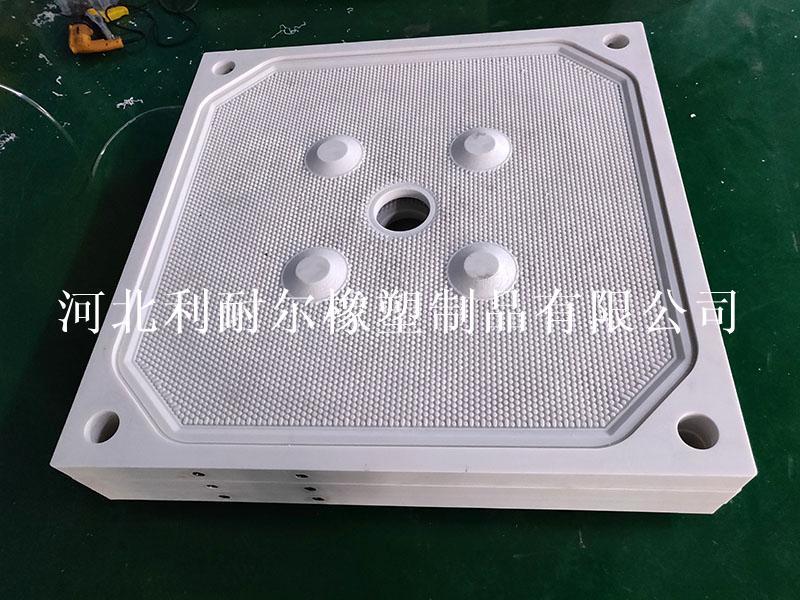
ProductMain products: vertical and horizontal imported and domestic filter plates, diaphragm plates, diaphragms and accessories; pinch valve sleeves and pinch valves and various mining accessories.
-
NewsIn 2013, our company's high-pressure cylinder with phenolic cloth support and guide ring obtained the national key new product certificate, project number: 2013GRA20011; its products in coal cylinders and engineering hydrauli
-
ServiceWe will actively cooperate with more enthusiasm, strengthen internal management, expand the market externally, improve various performance indicators of existing products, and truly achieve our win-win situation!
-
RecruitmentOur company always adheres to the talent concept of "people-oriented", provides a growth platform for talents, and realizes the common growth and development of enterprises and talents.


language
English
العربية
বাংলাদেশ
Български
Hrvatski
Česky
Dansk
Nederland
 Esperanto
Slovenski
Filipino
Suomi
Français
Maori
 Shqiptare
Georgian
 Euskara
Deutsch
Ελλάδα
ישראל
इंडिया
Magyarország
Ísland
Indonesia
Irlanda
Italia
日本語
Sovensko
Հայաստան
한국
Kyrgyz
ປະເທດລາວ
 Zulu
Zulu
Latvian
Lithuanian
Luxembourgish
 Latinus
Macedonian
Малайская
Maltese
Монгол улс
 Cymraeg
ဗမာ
 தமிழ்
தமிழ்
नेपाल
Norge
ایران
Polska
Portugal
România
Российская
Србија
 Slovak
Србија
 Slovak
Bosanski
Slovenian
Беларус
España
Sverige
Точик
ประเทศไทย
Türk
Azərbaycan
Uzbek
 Afrikaans
Việt Nam

Maximizing ROI with Quality Filter Plates: A Comprehensive Guide for the Chemical Industry
Release time:
2024-12-30
Maximizing ROI with Quality Filter Plates Table of Contents 1. Introduction to Filter Plates 2. Importance of Quality Filter Plates in the Chemical Industry 3. Understanding ROI in Filtration Systems 4. Selecting the Right Filter Plates 5. Maintenance Tips for Longevity and Performance 6. Effective Implementation Strategies 7. Common Issues and Their Solutions 8. Case Studies: Suc
Maximizing ROI with Quality Filter Plates
Table of Contents
- 1. Introduction to Filter Plates
- 2. Importance of Quality Filter Plates in the Chemical Industry
- 3. Understanding ROI in Filtration Systems
- 4. Selecting the Right Filter Plates
- 5. Maintenance Tips for Longevity and Performance
- 6. Effective Implementation Strategies
- 7. Common Issues and Their Solutions
- 8. Case Studies: Success Stories with Quality Filter Plates
- 9. Frequently Asked Questions
- 10. Conclusion
1. Introduction to Filter Plates
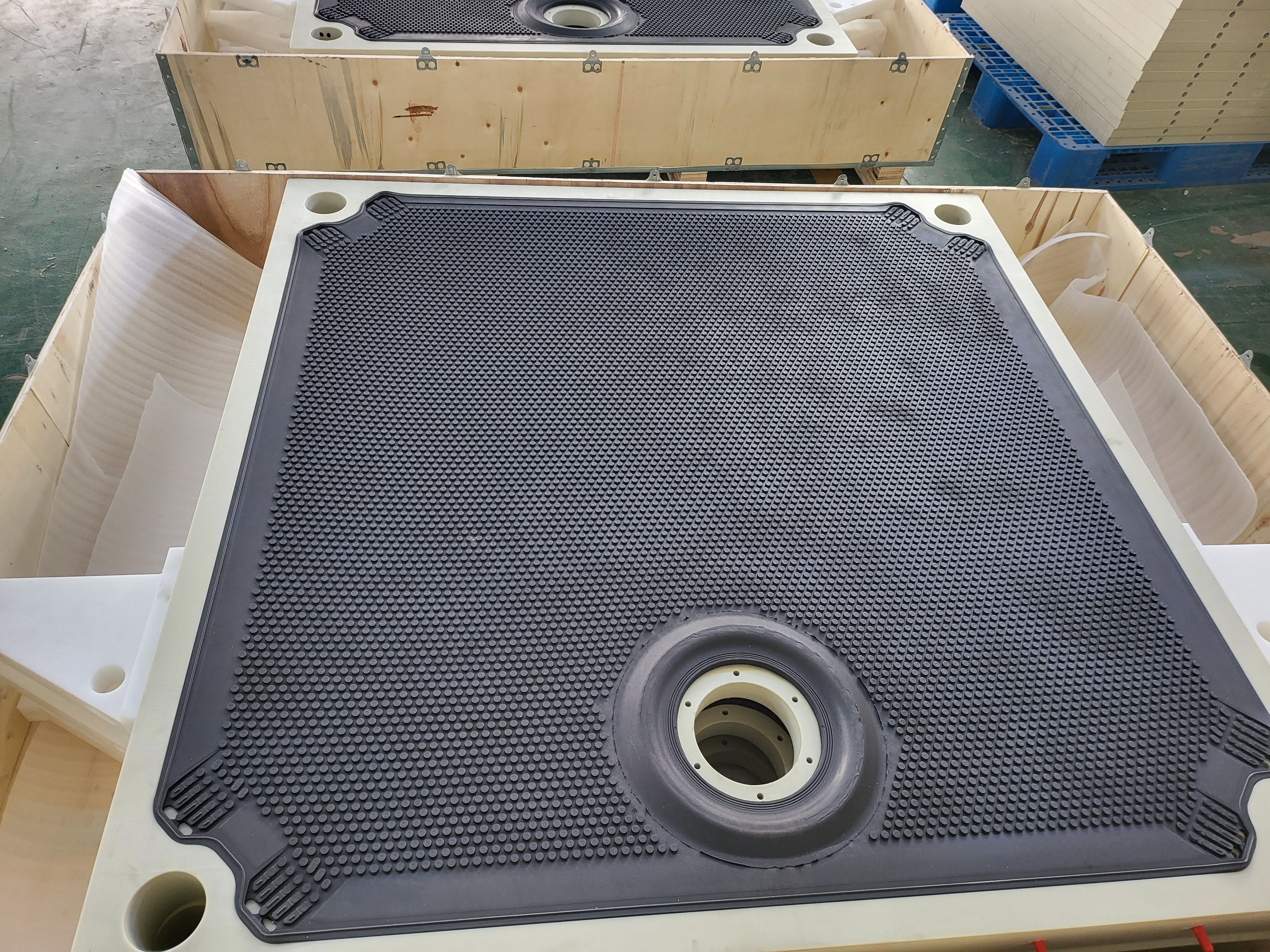
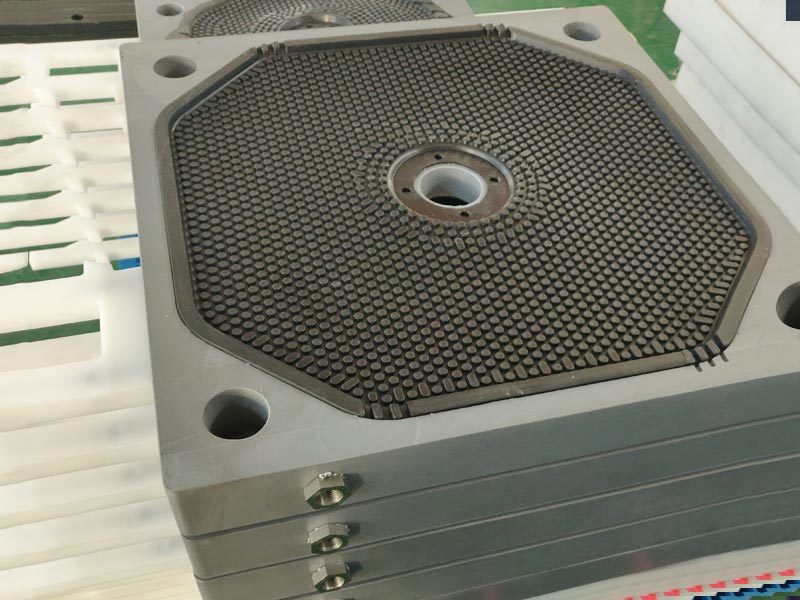
Filter plates are essential components in various filtration systems, playing a crucial role in industries like chemicals and plastics. These plates are designed to enhance the efficiency of solid-liquid separation processes, making them indispensable in the production of high-quality products. By utilizing quality filter plates, companies can achieve optimal filtration performance, leading to increased efficiency and reduced operational costs.
2. Importance of Quality Filter Plates in the Chemical Industry
In the chemical industry, the significance of quality filter plates cannot be overstated. They serve multiple purposes, including:
Enhanced Filtration Efficiency
Quality filter plates improve the clarity of the filtrate, ensuring that only the desired materials pass through while retaining impurities. This efficiency is vital in maintaining product quality and consistency.
Cost-effectiveness
Investing in high-quality filter plates can lead to significant cost savings. They reduce the need for frequent replacements and minimize downtime during production.
Environmental Compliance
With increasing regulations on waste management and emissions, utilizing quality filter plates helps companies adhere to environmental standards. They facilitate better waste separation, reducing the impact on the environment.
3. Understanding ROI in Filtration Systems
Return on Investment (ROI) is a critical metric for any business, particularly in the chemical industry. It quantifies the efficiency of investments made in equipment and processes, including filtration systems.
Calculating ROI
To calculate ROI for filter plates, consider the following:
- Total cost of the filter plates (purchase, installation, and maintenance)
- Savings generated from reduced downtime and improved efficiency
- Increased revenue from enhanced product quality
A simple formula for calculating ROI is:
ROI = (Net Profit / Cost of Investment) x 100
By analyzing these factors, companies can determine the financial impact of their filter plate investments.
4. Selecting the Right Filter Plates
The selection of appropriate filter plates directly influences filtration performance and ROI. Several criteria should guide this decision:
Material Compatibility
Choose filter plates made from materials compatible with the chemicals being processed. This prevents chemical reactions that could compromise the integrity of the plates.
Filtration Efficiency
Evaluate the filtration efficiency of different filter plates. Consider factors like pore size, surface area, and flow rate to ensure optimal performance.
Durability and Maintenance Requirements
Select filter plates known for their durability. Plates that require minimal maintenance will reduce operational costs and improve ROI over time.
5. Maintenance Tips for Longevity and Performance
Proper maintenance of filter plates is vital for maximizing their lifespan and ensuring consistent performance. Here are some essential maintenance tips:
Regular Inspections
Conduct routine inspections to identify signs of wear and tear. Early detection of issues can prevent costly replacements.
Cleaning Protocols
Establish a cleaning schedule tailored to the specific needs of the filter plates. Proper cleaning enhances performance and prolongs their life.
Replacement Schedules
Set a replacement schedule based on the manufacturer’s recommendations and operational observations. Timely replacements ensure continuous efficiency.
6. Effective Implementation Strategies
Implementing filter plates effectively requires strategic planning and execution:
Training Staff
Ensure that staff are adequately trained in the operation and maintenance of filtration systems. Proper knowledge can significantly improve efficiency.
Monitoring Performance
Utilize monitoring tools to assess the performance of the filtration system continually. Data-driven insights can help in making timely adjustments.
Feedback Mechanisms
Establish feedback mechanisms that allow operators to report issues and suggest improvements. This collaborative approach fosters continuous improvement.
7. Common Issues and Their Solutions
While filter plates are designed for efficiency, various challenges can arise:
Clogging
Clogged filter plates can lead to decreased flow rates. To prevent this, ensure regular cleaning and monitor the filtration process closely.
Wear and Tear
Over time, filter plates may experience wear and tear. Regular inspections and timely replacements are essential to mitigate this issue.
Material Compatibility Issues
Using incompatible materials can result in damage to filter plates. Always verify compatibility before installation.
8. Case Studies: Success Stories with Quality Filter Plates
Numerous companies have successfully maximized ROI by investing in quality filter plates. Here are a couple of examples:
Case Study 1: Chemical Manufacturer
A leading chemical manufacturer implemented high-performance filter plates in their production line. The result was a 30% reduction in operational costs and improved product purity, directly contributing to higher customer satisfaction.
Case Study 2: Plastics Recycling Facility
A plastics recycling facility upgraded its filtration systems with quality filter plates, leading to a 25% increase in throughput and a significant reduction in waste disposal costs. This transformation led to a remarkable ROI within the first year of implementation.
9. Frequently Asked Questions
What are filter plates made of?
Filter plates can be made from various materials, including polypropylene, polyethylene, and stainless steel, depending on the application and chemical compatibility.
How often should filter plates be replaced?
The replacement frequency depends on several factors, including usage, maintenance practices, and manufacturer recommendations. Regular inspections can help determine the optimal replacement schedule.
Can filter plates be cleaned and reused?
Yes, many filter plates can be cleaned and reused, significantly enhancing their lifecycle and reducing operational costs.
What are the signs that filter plates need to be replaced?
Signs include reduced flow rates, visible wear and tear, and decreased filtration efficiency. Regular inspections can help identify these issues early.
How can I improve the efficiency of my filtration system?
Improving efficiency can be achieved through regular maintenance, selecting the right filter plates, and implementing effective training for staff.
10. Conclusion
In conclusion, maximizing ROI with quality filter plates is a strategic initiative that can significantly impact the performance and profitability of operations in the chemical industry. By understanding the importance of selecting suitable materials, maintaining them properly, and implementing effective strategies, companies can enhance their filtration processes and achieve substantial returns on their investments. Investing in quality filter plates is not just a financial decision; it is a commitment to excellence and sustainability in the manufacturing process.
Related News