
-
AboutHebei Linaier Rubber Products Co., Ltd. is located in Duqiao Industrial Zone, Jingxian City, Hebei Province, adjacent to Dezhou, Shandong. Founded in early 2001 with a registered capital of 35 million yuan, it is a scientific

-
ProductMain products: vertical and horizontal imported and domestic filter plates, diaphragm plates, diaphragms and accessories; pinch valve sleeves and pinch valves and various mining accessories.
-
NewsIn 2013, our company's high-pressure cylinder with phenolic cloth support and guide ring obtained the national key new product certificate, project number: 2013GRA20011; its products in coal cylinders and engineering hydrauli
-
ServiceWe will actively cooperate with more enthusiasm, strengthen internal management, expand the market externally, improve various performance indicators of existing products, and truly achieve our win-win situation!
-
RecruitmentOur company always adheres to the talent concept of "people-oriented", provides a growth platform for talents, and realizes the common growth and development of enterprises and talents.


language
English
العربية
বাংলাদেশ
Български
Hrvatski
Česky
Dansk
Nederland
 Esperanto
Slovenski
Filipino
Suomi
Français
Maori
 Shqiptare
Georgian
 Euskara
Deutsch
Ελλάδα
ישראל
इंडिया
Magyarország
Ísland
Indonesia
Irlanda
Italia
日本語
Sovensko
Հայաստան
한국
Kyrgyz
ປະເທດລາວ
 Zulu
Zulu
Latvian
Lithuanian
Luxembourgish
 Latinus
Macedonian
Малайская
Maltese
Монгол улс
 Cymraeg
ဗမာ
 தமிழ்
தமிழ்
नेपाल
Norge
ایران
Polska
Portugal
România
Российская
Србија
 Slovak
Србија
 Slovak
Bosanski
Slovenian
Беларус
España
Sverige
Точик
ประเทศไทย
Türk
Azərbaycan
Uzbek
 Afrikaans
Việt Nam

How to Extend the Lifespan of Your 630 Filter Plate: Essential Maintenance Tips
Release time:
2024-11-21
How to Extend the Lifespan of Your 630 Filter Plate: Essential Maintenance Tips Table of Contents 1. Introduction to 630 Filter Plates 2. Importance of Maintaining Your 630 Filter Plate 3. Understanding the Structure and Function of 630 Filter Plates 4. Essential Maintenance Tips for Your 630 Filter Plate 4.1 Regular Cleaning Procedures 4.2 Visual Inspection Technique
How to Extend the Lifespan of Your 630 Filter Plate: Essential Maintenance Tips
Table of Contents
- 1. Introduction to 630 Filter Plates
- 2. Importance of Maintaining Your 630 Filter Plate
- 3. Understanding the Structure and Function of 630 Filter Plates
- 4. Essential Maintenance Tips for Your 630 Filter Plate
- 4.1 Regular Cleaning Procedures
- 4.2 Visual Inspection Techniques
- 4.3 Optimal Storage Practices
- 4.4 Replacement and Parts Checks
- 5. Common Issues with 630 Filter Plates and Solutions
- 6. Industry Standards for Filter Plate Maintenance
- 7. When to Seek Professional Help for Filter Plate Maintenance
- 8. Conclusion
- 9. FAQs
1. Introduction to 630 Filter Plates
The **630 filter plate** plays a crucial role in industrial filtration processes, offering a reliable solution for separating solids from liquids. Given its importance, understanding how to maintain this equipment is essential for optimal performance. Regular upkeep not only enhances functionality but also extends its operational lifespan, saving you both time and money in the long run.
2. Importance of Maintaining Your 630 Filter Plate
The necessity of **maintenance** can’t be overstated. Regular maintenance helps to prevent costly breakdowns and replacements, ensuring uninterrupted operations. Moreover, a well-maintained 630 filter plate ensures that your filtration processes run efficiently, resulting in higher quality outputs. This not only helps in compliance with industry standards but also boosts overall productivity.
3. Understanding the Structure and Function of 630 Filter Plates
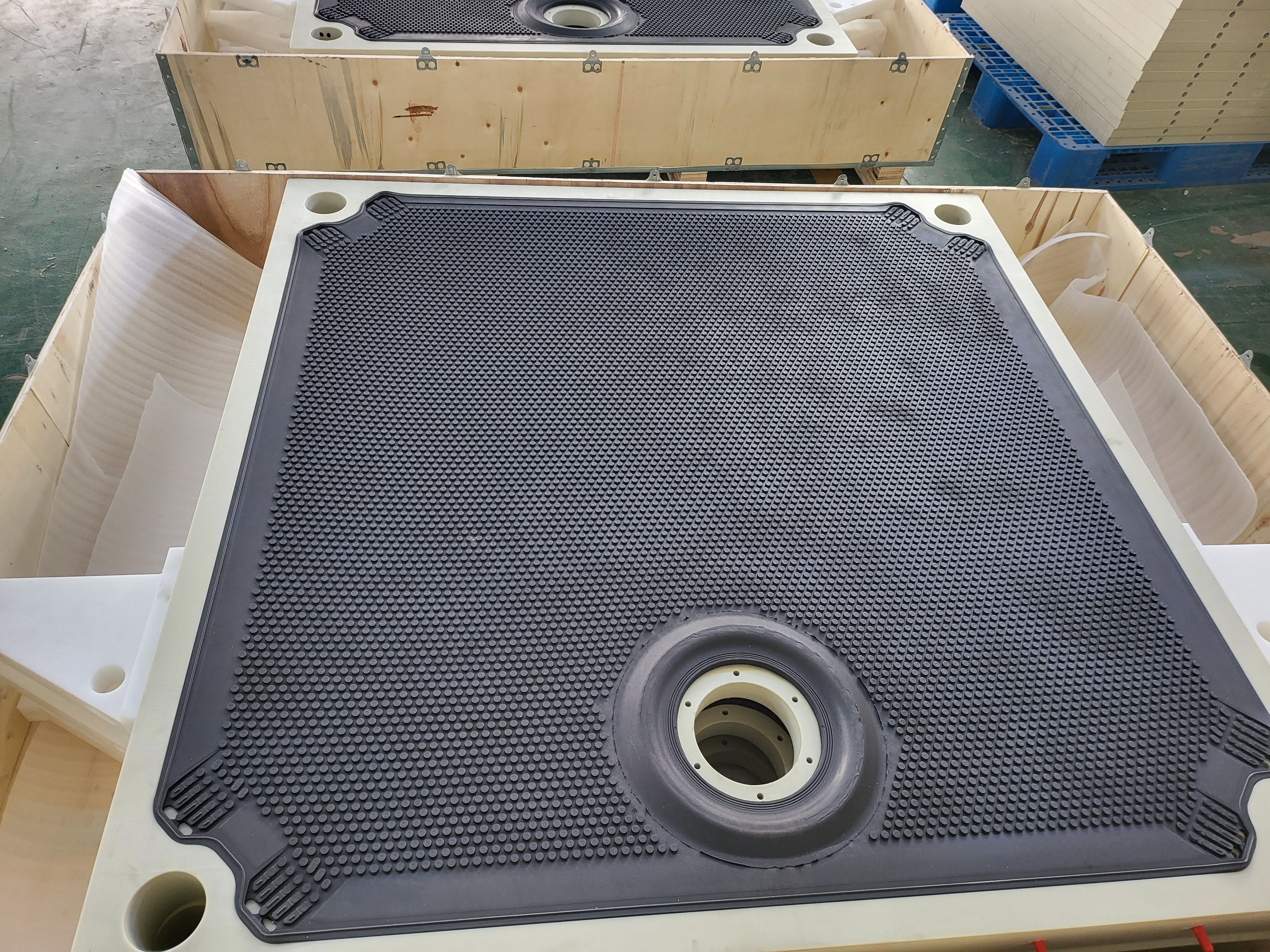
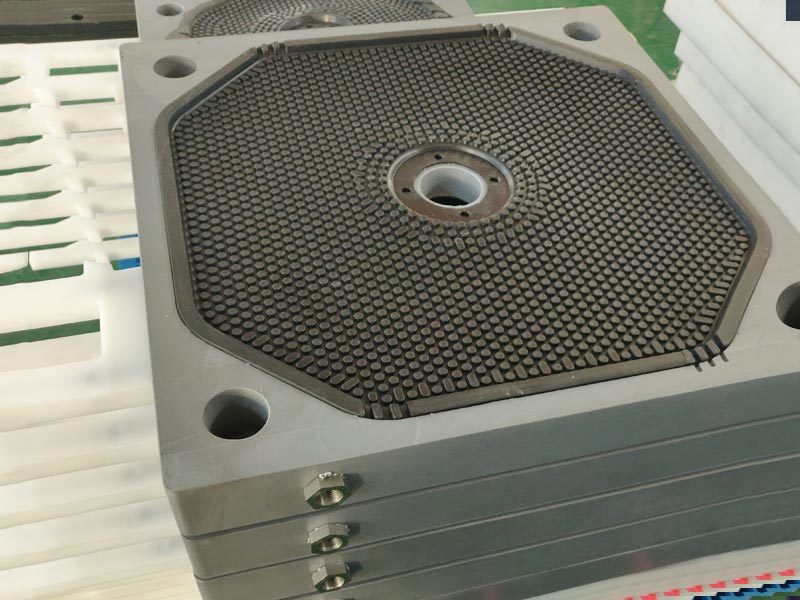
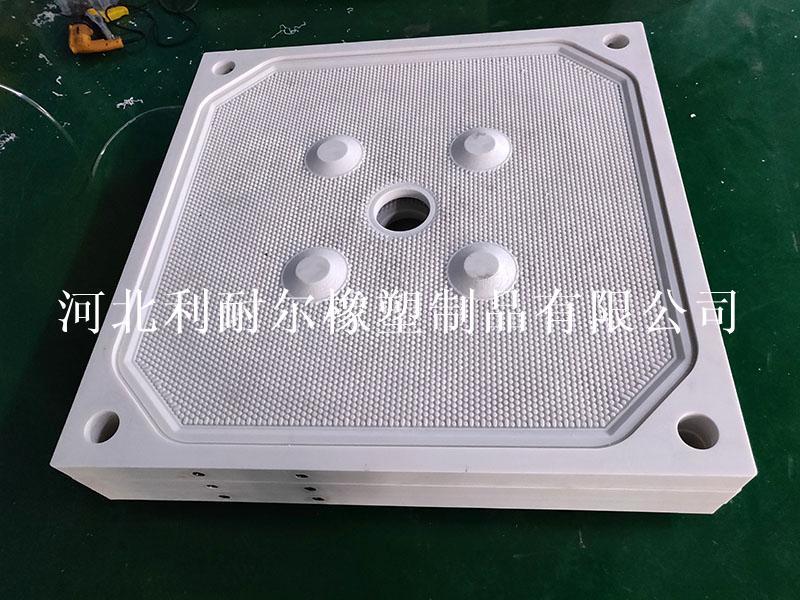
Before delving into maintenance tips, it’s vital to understand how a 630 filter plate functions. Constructed from durable materials, these plates consist of multiple chambers that allow liquid to pass through while retaining solid particles. The design facilitates optimal flow rates while minimizing the risk of clogging. Understanding this will help you appreciate the importance of adhering to maintenance protocols.
4. Essential Maintenance Tips for Your 630 Filter Plate
To ensure the longevity and performance of your 630 filter plate, we present several critical maintenance tips that are straightforward yet effective.
4.1 Regular Cleaning Procedures
Keeping your filter plate clean is paramount. Here are some steps to follow:
- **Schedule regular cleanings** based on usage frequency and the nature of the materials being filtered.
- Use **gentle detergents** and soft brushes to avoid scratching the surface.
- Rinse thoroughly with **clean water** after washing to remove any residue.
4.2 Visual Inspection Techniques
A routine visual inspection can help catch potential issues before they escalate. Focus on the following:
- Look for **signs of wear and tear**, such as cracks, warping, or discoloration.
- Check for **blockages** in the filter chambers that may impede flow.
- Ensure that all seals and gaskets are intact and functioning properly.
4.3 Optimal Storage Practices
How you store your filter plate can significantly affect its lifespan:
- Keep filter plates in a **climate-controlled area** to prevent damage from extreme temperatures or humidity.
- Store them in a **horizontal position** to avoid bending or warping.
- Use protective covers to shield from dust and contaminants.
4.4 Replacement and Parts Checks
Regularly examine the parts of your 630 filter plate:
- **Monitor wear on essential components** like membranes and gaskets.
- Replace any worn parts immediately to maintain efficiency.
- Keep a record of replacements to track the lifespan of different components.
5. Common Issues with 630 Filter Plates and Solutions
Understanding the common issues that arise with the 630 filter plate can help you troubleshoot effectively:
- **Clogging**: Regular cleaning can prevent this. If clogging persists, consider using a coarser filter as a pre-filter.
- **Leakage**: Often caused by worn gaskets. Regular checks and timely replacements are crucial.
- **Inconsistent flow rates**: Inspect for blockages and ensure that the plates are correctly aligned.
6. Industry Standards for Filter Plate Maintenance
Staying compliant with industry standards ensures that your filtration processes are up to par. Familiarize yourself with the following:
- **ISO standards** related to filtration systems.
- **Manufacturer guidelines** detailing specific maintenance protocols for the 630 filter plate.
- Regular audits to ensure compliance can help identify any lapses in maintenance.
7. When to Seek Professional Help for Filter Plate Maintenance
While many maintenance tasks can be handled in-house, some situations require professional intervention:
- If you notice **persistent issues** despite regular maintenance, it’s time to consult an expert.
- Complex repairs or replacements should always be performed by certified technicians to avoid further damage.
8. Conclusion
Maintaining your 630 filter plate is essential for ensuring its longevity and performance. By implementing regular cleaning, conducting visual inspections, adhering to optimal storage practices, and understanding common issues, you can significantly extend the lifespan of your filter plate. Remember, proactive maintenance not only enhances efficiency but also saves costs in the long term.
9. FAQs
1. How often should I clean my 630 filter plate?
We recommend cleaning your filter plate at least once a week or more frequently, depending on usage and the materials being filtered.
2. What should I do if I notice a crack in my filter plate?
Immediately cease operations and assess the extent of the damage. If repairable, consult the manufacturer; otherwise, consider a replacement.
3. Are there any specific cleaning agents I should avoid?
Avoid abrasive cleaners or harsh chemicals that can damage the surface of the filter plate.
4. How can I tell if my filter plate is due for replacement?
Signs include significant wear, continuous drop in performance, or severe blockages that cleaning cannot resolve.
5. Can I perform maintenance on my 630 filter plate myself?
Yes, many maintenance tasks can be performed in-house. However, for complex repairs, we recommend seeking professional help to ensure safe and effective service.
Related News