
-
AboutHebei Linaier Rubber Products Co., Ltd. is located in Duqiao Industrial Zone, Jingxian City, Hebei Province, adjacent to Dezhou, Shandong. Founded in early 2001 with a registered capital of 35 million yuan, it is a scientific

-
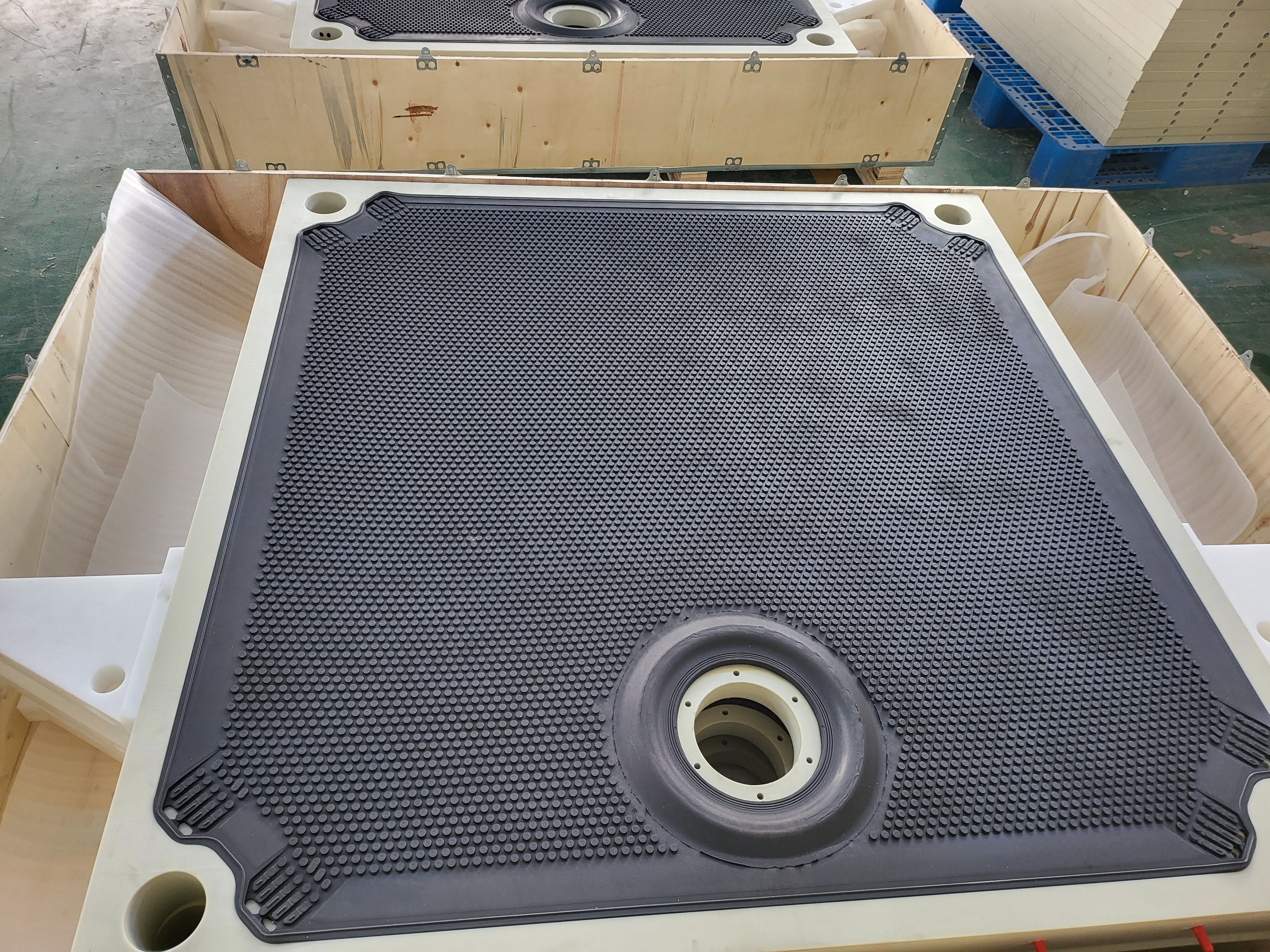
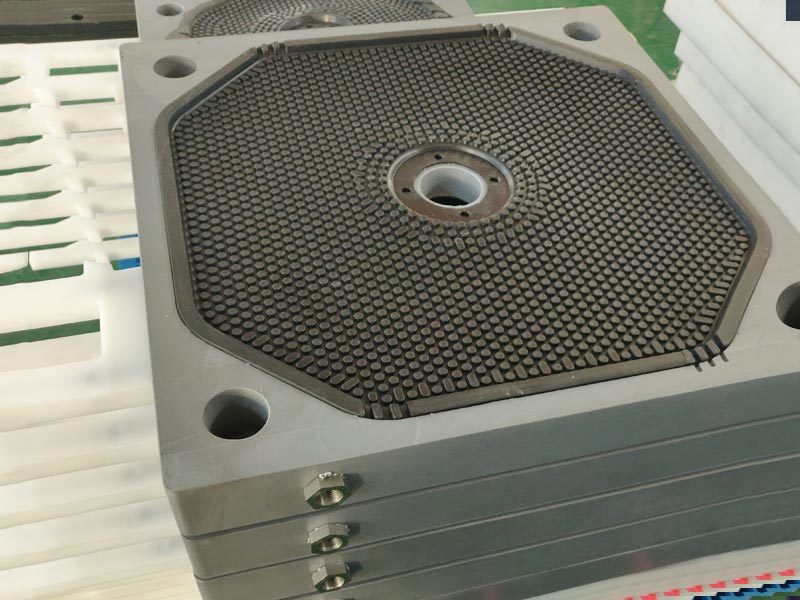
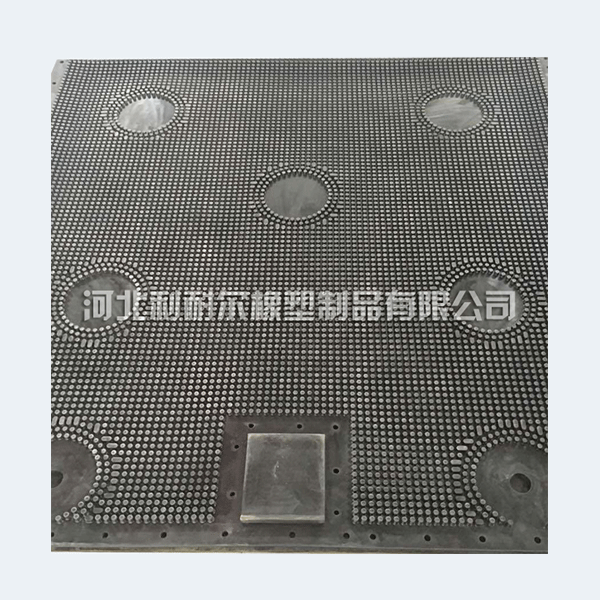
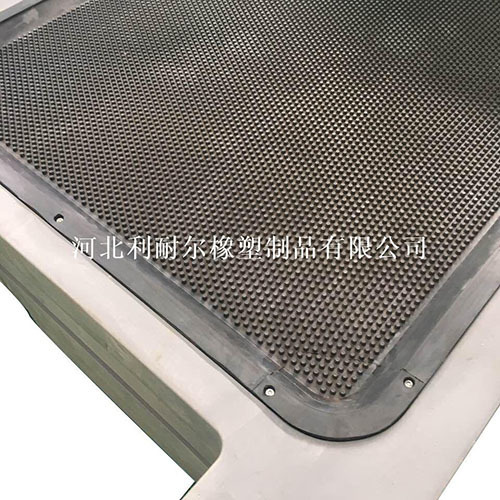
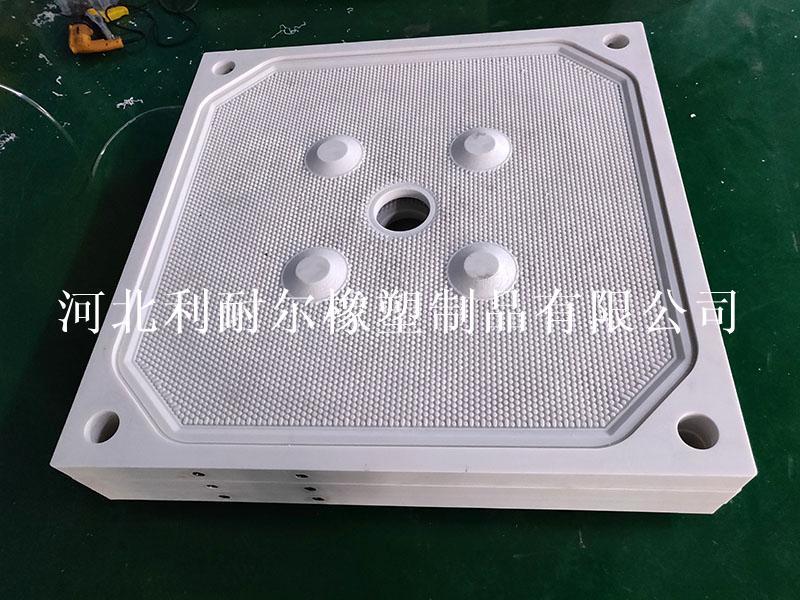
ProductMain products: vertical and horizontal imported and domestic filter plates, diaphragm plates, diaphragms and accessories; pinch valve sleeves and pinch valves and various mining accessories.
-
NewsIn 2013, our company's high-pressure cylinder with phenolic cloth support and guide ring obtained the national key new product certificate, project number: 2013GRA20011; its products in coal cylinders and engineering hydrauli
-
ServiceWe will actively cooperate with more enthusiasm, strengthen internal management, expand the market externally, improve various performance indicators of existing products, and truly achieve our win-win situation!
-
RecruitmentOur company always adheres to the talent concept of "people-oriented", provides a growth platform for talents, and realizes the common growth and development of enterprises and talents.


language
English
العربية
বাংলাদেশ
Български
Hrvatski
Česky
Dansk
Nederland
 Esperanto
Slovenski
Filipino
Suomi
Français
Maori
 Shqiptare
Georgian
 Euskara
Deutsch
Ελλάδα
ישראל
इंडिया
Magyarország
Ísland
Indonesia
Irlanda
Italia
日本語
Sovensko
Հայաստան
한국
Kyrgyz
ປະເທດລາວ
 Zulu
Zulu
Latvian
Lithuanian
Luxembourgish
 Latinus
Macedonian
Малайская
Maltese
Монгол улс
 Cymraeg
ဗမာ
 தமிழ்
தமிழ்
नेपाल
Norge
ایران
Polska
Portugal
România
Российская
Србија
 Slovak
Србија
 Slovak
Bosanski
Slovenian
Беларус
España
Sverige
Точик
ประเทศไทย
Türk
Azərbaycan
Uzbek
 Afrikaans
Việt Nam

The Future of Pinch Valve Series in the Plastics Industry: Innovations and Trends
Release time:
2024-10-22
The Future of Pinch Valve Series in the Plastics Industry Table of Contents 1. Introduction to Pinch Valve Technology 2. Understanding the Role of Pinch Valves in the Plastics Industry 3. Key Innovations Driving the Future of Pinch Valves 3.1 Advancements in Design and Materials 3.2 Enhanced Automation and Control Systems 4. Market Trends Shaping Pinch Valve Adoption 4.1 Rising Demand for Sustaina
The Future of Pinch Valve Series in the Plastics Industry
Table of Contents
1. Introduction to Pinch Valve Technology
2. Understanding the Role of Pinch Valves in the Plastics Industry
3. Key Innovations Driving the Future of Pinch Valves
3.1 Advancements in Design and Materials
3.2 Enhanced Automation and Control Systems
4. Market Trends Shaping Pinch Valve Adoption
4.1 Rising Demand for Sustainable Solutions
4.2 Increased Focus on Efficiency and Cost Reduction
5. The Importance of Quality and Reliability in Pinch Valves
6. Application Areas for Pinch Valves in Plastics Processing
6.1 Polymer Production
6.2 Recycling Processes
7. Challenges Facing the Pinch Valve Market
7.1 Competition from Alternative Valve Technologies
7.2 Regulatory Challenges
8. FAQs about Pinch Valve Technology
9. Conclusion
1. Introduction to Pinch Valve Technology
Pinch valves represent a specialized class of valve technology, primarily designed to control the flow of fluids and solids. In the **plastics industry**, where precision and reliability are paramount, the importance of pinch valves cannot be overstated. The unique mechanism of pinch valves allows them to offer **minimal dead spaces**, reducing the risk of contamination during production processes. With the rapid evolution of technologies and increased demands for efficient manufacturing, the future of pinch valve series in the plastics industry appears promising.
2. Understanding the Role of Pinch Valves in the Plastics Industry
Pinch valves are integral to **plastics processing**, serving various functions, from controlling the flow of raw materials to handling waste products. Their ability to manage abrasive materials, such as plastic pellets and powders, makes them invaluable in environments where other valve types may fail. As the industry shifts towards more automated systems, the role of pinch valves is expanding, offering enhanced control over production processes.
3. Key Innovations Driving the Future of Pinch Valves
The future of pinch valves in the plastics industry is being shaped by several key innovations.
3.1 Advancements in Design and Materials
Modern pinch valves are evolving with new materials that enhance durability and performance. **Advanced elastomers** and **thermoplastics** are now utilized to withstand the harsh conditions often present in plastic manufacturing. These materials not only improve the lifespan of the valves but also contribute to **cost efficiency** by reducing maintenance needs.
3.2 Enhanced Automation and Control Systems
As the industry embraces automation, pinch valves are becoming smarter. Integration with **IoT** (Internet of Things) technologies allows for real-time monitoring and control, leading to improved operational efficiency. Automated pinch valves can be programmed for precise flow control, minimizing waste and optimizing production cycles.
4. Market Trends Shaping Pinch Valve Adoption
The adoption of pinch valves in the plastics industry is influenced by several market trends.
4.1 Rising Demand for Sustainable Solutions
With increased awareness of environmental issues, the demand for sustainable manufacturing practices is on the rise. Pinch valves contribute significantly by minimizing material waste and enhancing recycling processes, aligning with the industry's shift towards **sustainability**.
4.2 Increased Focus on Efficiency and Cost Reduction
Manufacturers are continually seeking ways to enhance efficiency and reduce costs. Pinch valves, with their **low-pressure drop** design and reduced maintenance requirements, are proving to be an effective solution for industries aiming to streamline operations and cut expenses.
5. The Importance of Quality and Reliability in Pinch Valves
In the plastics industry, the quality and reliability of equipment are crucial. Pinch valves must withstand demanding operational conditions without compromising performance. **High-quality materials** and rigorous testing standards ensure that these valves can endure the challenges of plastics processing, from chemical exposure to mechanical stress.
6. Application Areas for Pinch Valves in Plastics Processing
Pinch valves are versatile and find applications in various stages of plastics processing.
6.1 Polymer Production
In polymer production, pinch valves control the flow of resins and additives, ensuring consistent mixing and formulation. Their design minimizes contamination risks, thus maintaining the integrity of the end products.
6.2 Recycling Processes
The recycling of plastics has emerged as a critical focus for the industry. Pinch valves play a significant role in controlling the flow of recycled materials, facilitating efficient processing and enabling manufacturers to meet sustainability goals.
7. Challenges Facing the Pinch Valve Market
Despite their advantages, the pinch valve market faces certain challenges.
7.1 Competition from Alternative Valve Technologies
The pinch valve market competes with various valve technologies, such as ball and butterfly valves. Manufacturers must continuously innovate and communicate the unique benefits of pinch valves to maintain their market position.
7.2 Regulatory Challenges
The plastics industry is subject to stringent regulations regarding safety and environmental impact. Pinch valve manufacturers must navigate these regulations while ensuring their products meet industry standards and customer expectations.
8. FAQs about Pinch Valve Technology
**Q1: What is a pinch valve?**
A pinch valve is a type of valve that controls the flow of fluids or solids by pinching a flexible tube, providing a simple yet effective means of flow regulation.
**Q2: Where are pinch valves commonly used?**
Pinch valves are commonly used in various industries, including plastics, food processing, water treatment, and pharmaceuticals, due to their versatility and reliability.
**Q3: What are the advantages of using pinch valves?**
Advantages include minimal maintenance, low-pressure drop, the ability to handle abrasive materials, and reduced risk of contamination.
**Q4: How do pinch valves compare to other valve types?**
Pinch valves often provide a better solution in applications involving slurries and corrosive materials due to their design, which prevents material buildup and offers easier cleaning.
**Q5: What factors should be considered when selecting a pinch valve?**
Factors include the type of materials being processed, temperature and pressure conditions, required flow rates, and compatibility with automation systems.
9. Conclusion
The future of pinch valve technology in the plastics industry is bright, with innovations and market trends paving the way for enhanced efficiency, sustainability, and reliability. As manufacturers continue to seek solutions that meet the demands of modern production processes, pinch valves will play an increasingly vital role. By embracing the advancements in design, automation, and material science, the pinch valve series stands ready to revolutionize the plastics industry, ensuring that it remains competitive and environmentally responsible in the years to come.
Related News