
-
AboutHebei Linaier Rubber Products Co., Ltd. is located in Duqiao Industrial Zone, Jingxian City, Hebei Province, adjacent to Dezhou, Shandong. Founded in early 2001 with a registered capital of 35 million yuan, it is a scientific

-
ProductMain products: vertical and horizontal imported and domestic filter plates, diaphragm plates, diaphragms and accessories; pinch valve sleeves and pinch valves and various mining accessories.
-
NewsIn 2013, our company's high-pressure cylinder with phenolic cloth support and guide ring obtained the national key new product certificate, project number: 2013GRA20011; its products in coal cylinders and engineering hydrauli
-
ServiceWe will actively cooperate with more enthusiasm, strengthen internal management, expand the market externally, improve various performance indicators of existing products, and truly achieve our win-win situation!
-
RecruitmentOur company always adheres to the talent concept of "people-oriented", provides a growth platform for talents, and realizes the common growth and development of enterprises and talents.


language
English
العربية
বাংলাদেশ
Български
Hrvatski
Česky
Dansk
Nederland
 Esperanto
Slovenski
Filipino
Suomi
Français
Maori
 Shqiptare
Georgian
 Euskara
Deutsch
Ελλάδα
ישראל
इंडिया
Magyarország
Ísland
Indonesia
Irlanda
Italia
日本語
Sovensko
Հայաստան
한국
Kyrgyz
ປະເທດລາວ
 Zulu
Zulu
Latvian
Lithuanian
Luxembourgish
 Latinus
Macedonian
Малайская
Maltese
Монгол улс
 Cymraeg
ဗမာ
 தமிழ்
தமிழ்
नेपाल
Norge
ایران
Polska
Portugal
România
Российская
Србија
 Slovak
Србија
 Slovak
Bosanski
Slovenian
Беларус
España
Sverige
Точик
ประเทศไทย
Türk
Azərbaycan
Uzbek
 Afrikaans
Việt Nam

Understanding the Critical Role of Filter Press Plates in Chemical Processing
Release time:
2024-10-02
Understanding the Critical Role of Filter Press Plates in Chemical Processing Table of Contents 1. Introduction to Filter Press Plates 2. What Are Filter Press Plates? 3. Types of Filter Press Plates Used in Chemical Processing 4. Applications of Filter Press Plates in Chemical Processing 5. Benefits of Using Filter Press Plates 6. Maintenance Practices for Filter Press Pl
Understanding the Critical Role of Filter Press Plates in Chemical Processing
Table of Contents
- 1. Introduction to Filter Press Plates
- 2. What Are Filter Press Plates?
- 3. Types of Filter Press Plates Used in Chemical Processing
- 4. Applications of Filter Press Plates in Chemical Processing
- 5. Benefits of Using Filter Press Plates
- 6. Maintenance Practices for Filter Press Plates
- 7. Troubleshooting Common Issues with Filter Press Plates
- 8. Future Trends in Filter Press Plate Technology
- 9. Conclusion
- 10. FAQs about Filter Press Plates
1. Introduction to Filter Press Plates
In the **chemical processing industry**, efficient filtration is essential for product quality and operational efficiency. Filter press plates play a pivotal role in this context, serving as the heart of the filter press system. Understanding their function, types, and maintenance can significantly impact the overall productivity of chemical operations. This article explores the intricacies of filter press plates and their critical contributions to chemical processing.
2. What Are Filter Press Plates?
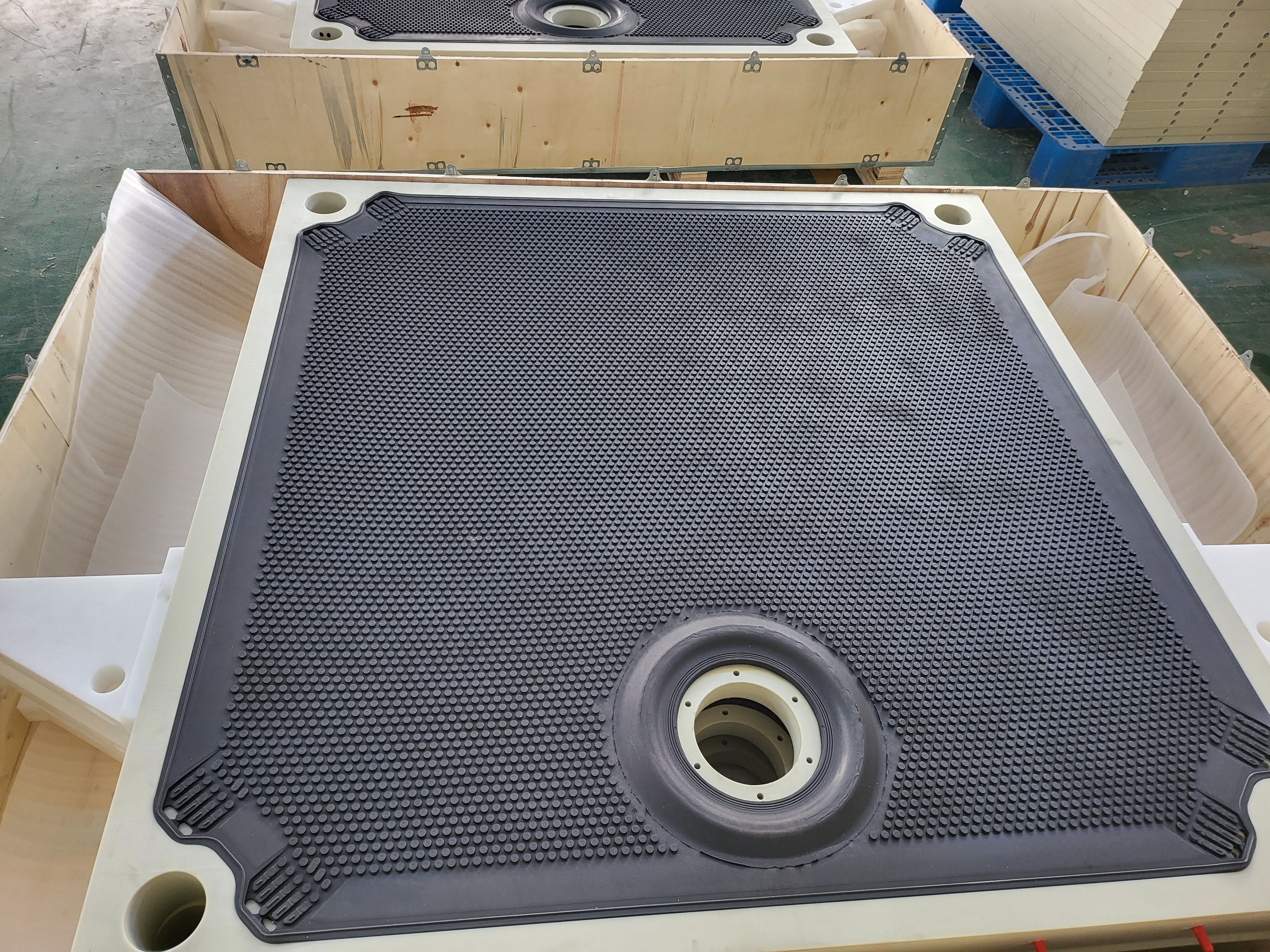
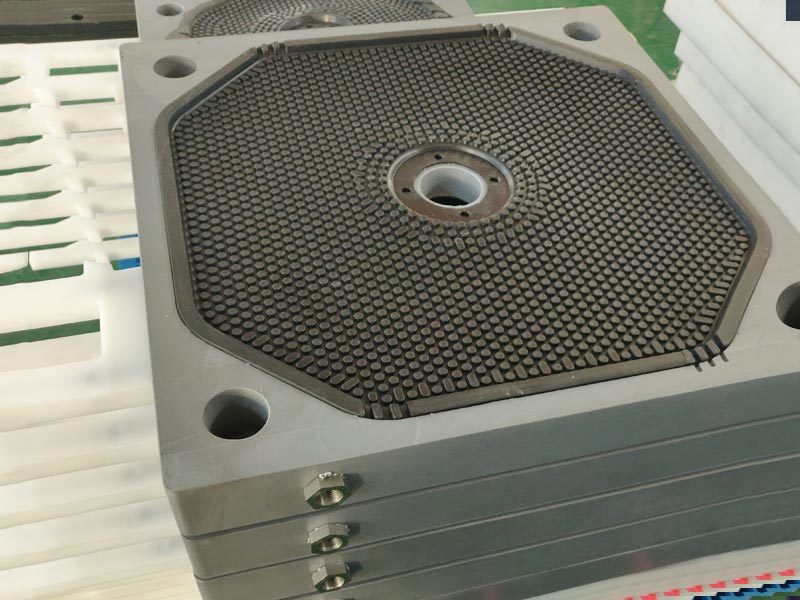
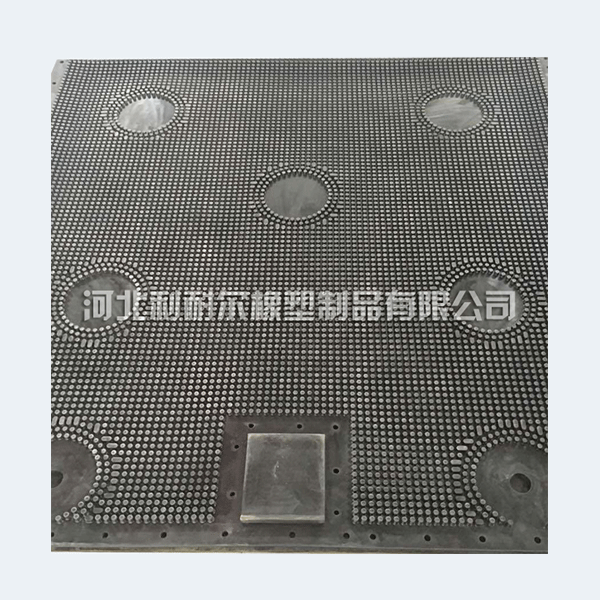
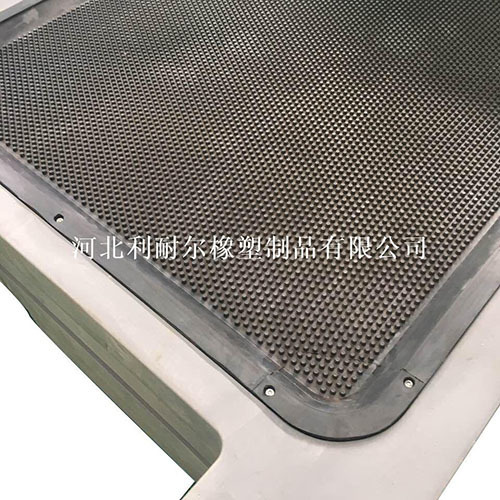
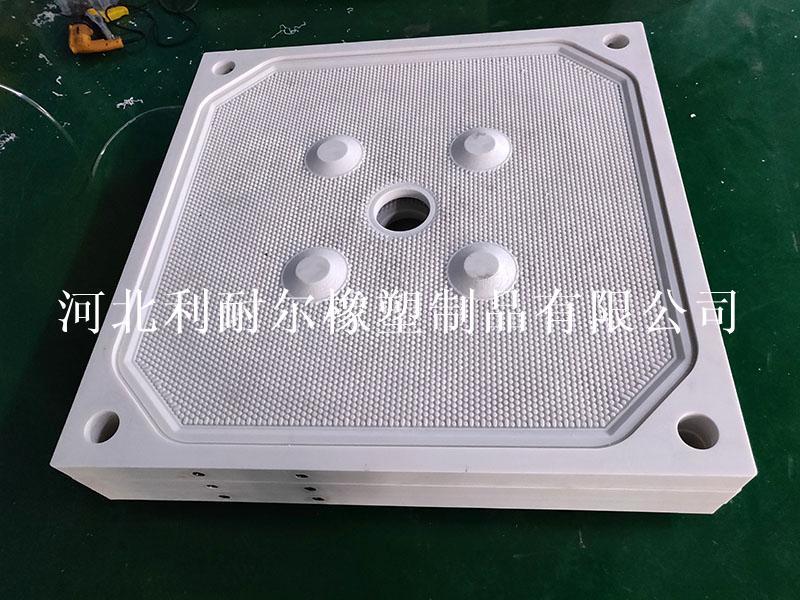
Filter press plates are specialized components used in **filter presses**, which are mechanical devices designed to separate solids from liquids in a variety of industries, including chemical processing. Each plate consists of a frame and a filter medium that allows liquids to pass while retaining solid particles. The plates are typically made from materials such as polypropylene, stainless steel, or other robust compounds that can withstand harsh chemical environments.
3. Types of Filter Press Plates Used in Chemical Processing
Various types of filter press plates cater to different processing needs. The most common types include:
3.1 Chamber Filter Press Plates
Chamber filter press plates are designed with a recessed area that forms a chamber for holding the slurry during filtration. This design allows for increased cake thickness, making them ideal for applications requiring a high solids load.
3.2 Membrane Filter Press Plates
Membrane filter press plates feature a membrane that can be inflated after the initial filtration phase. This inflation helps to compress the cake, leading to a drier final product. They are particularly useful for applications where achieving a low moisture content is critical.
3.3 Filter Plates with Non-Stick Coatings
These plates are designed with non-stick surfaces that reduce the adhesion of the cake to the plate, facilitating easier cake removal and minimizing downtime during operations.
4. Applications of Filter Press Plates in Chemical Processing
Filter press plates are utilized in a multitude of applications within the chemical processing sector:
4.1 Sludge Dewatering
One of the primary applications of filter press plates is in the dewatering of sludge, where solids are separated from liquids to reduce disposal volumes and facilitate better handling.
4.2 Chemical Filtration
In chemical processing, filter press plates are used to filter out impurities from various chemicals, ensuring the final product meets stringent quality standards.
4.3 Mining and Mineral Processing
The mining industry employs filter press plates to separate valuable minerals from waste materials, thereby enhancing recovery rates and minimizing environmental impact.
5. Benefits of Using Filter Press Plates
The use of filter press plates in chemical processing comes with a variety of benefits:
5.1 High Efficiency and Performance
Filter press plates provide a high filtration rate and solid-liquid separation efficiency, which is crucial for maintaining productivity in chemical processing operations.
5.2 Cost-Effectiveness
By minimizing waste and optimizing the recovery of valuable products, filter press plates contribute to overall cost savings in chemical processing.
5.3 Improved Product Quality
The precision filtration provided by filter press plates ensures that impurities are removed effectively, resulting in higher quality end products.
5.4 Versatility
These plates can be adapted for various applications, making them suitable for a wide range of chemical processing needs.
6. Maintenance Practices for Filter Press Plates
Proper maintenance of filter press plates is essential for ensuring their longevity and performance. Here are some recommended practices:
6.1 Regular Inspection
Routine inspections of filter press plates for wear, damage, and contamination can help identify issues before they escalate.
6.2 Cleaning Protocols
Implementing effective cleaning protocols to remove residual slurries and prevent buildup can extend the life of the plates.
6.3 Tightness Checks
Ensuring that the plates are tightly sealed during operation is crucial to prevent leakage and maintain filtration efficiency.
6.4 Replacement of Worn Plates
Regularly replacing worn or damaged plates ensures optimal functioning and prevents disruptions in the filtration process.
7. Troubleshooting Common Issues with Filter Press Plates
Despite their robustness, filter press plates can encounter issues. Here’s how to troubleshoot some common problems:
7.1 Insufficient Filtration
If filtration rates drop, it may indicate clogged filter cloths or damaged plates. Cleaning or replacing these components can often resolve the issue.
7.2 Leakage Problems
Leaks can result from inadequate sealing between plates. Checking the tightness of the plates and the condition of the gaskets can help rectify this.
7.3 Cake Discharge Issues
If the cake is not discharging properly, it could be due to plate wear or improper operation. Assessing the discharge mechanism and examining the plate surfaces for wear can provide solutions.
8. Future Trends in Filter Press Plate Technology
The future of filter press plates is promising, driven by advancements in materials and design. Some emerging trends include:
8.1 Use of Advanced Materials
The development of new materials that offer higher chemical resistance and durability will enhance the performance of filter press plates.
8.2 Automation and Smart Technologies
The integration of automation and smart technologies in filter press systems will lead to improved monitoring, control, and efficiency in filtration processes.
8.3 Sustainable Practices
Increasing focus on environmental sustainability will drive innovations in filter press plate design, aimed at reducing energy consumption and waste generation.
9. Conclusion
Filter press plates serve as essential components in the chemical processing industry, playing a crucial role in filtration efficiency and product quality. Understanding the types, applications, and maintenance practices associated with these plates empowers manufacturers to enhance their operations and achieve better outcomes. As technology continues to advance, filter press plates will evolve, further optimizing chemical processing and promoting sustainability.
10. FAQs about Filter Press Plates
10.1 What materials are filter press plates made from?
Filter press plates are typically made from materials such as polypropylene, stainless steel, and other durable compounds that can withstand harsh chemical environments.
10.2 How often should filter press plates be replaced?
The lifespan of filter press plates varies depending on usage and maintenance. Regular inspections can determine when replacement is necessary, typically between 5 to 10 years.
10.3 Can filter press plates be used for all types of slurries?
Filter press plates are versatile and can handle various slurries. However, specific plate types may be better suited for certain applications based on the properties of the slurry.
10.4 What is the difference between chamber and membrane filter press plates?
Chamber filter press plates hold the slurry in a recessed area, while membrane plates include a membrane that can be inflated to compress the cake, leading to a drier final product.
10.5 How can I improve the maintenance of my filter press plates?
Implementing regular inspections, effective cleaning protocols, and timely replacement of worn plates can significantly enhance maintenance and performance.
By leveraging the insights provided in this article, industry professionals can maximize the efficiency of filter press plates in their chemical processing operations, leading to enhanced productivity and sustainability.
Related News