
-
AboutHebei Linaier Rubber Products Co., Ltd. is located in Duqiao Industrial Zone, Jingxian City, Hebei Province, adjacent to Dezhou, Shandong. Founded in early 2001 with a registered capital of 35 million yuan, it is a scientific

-
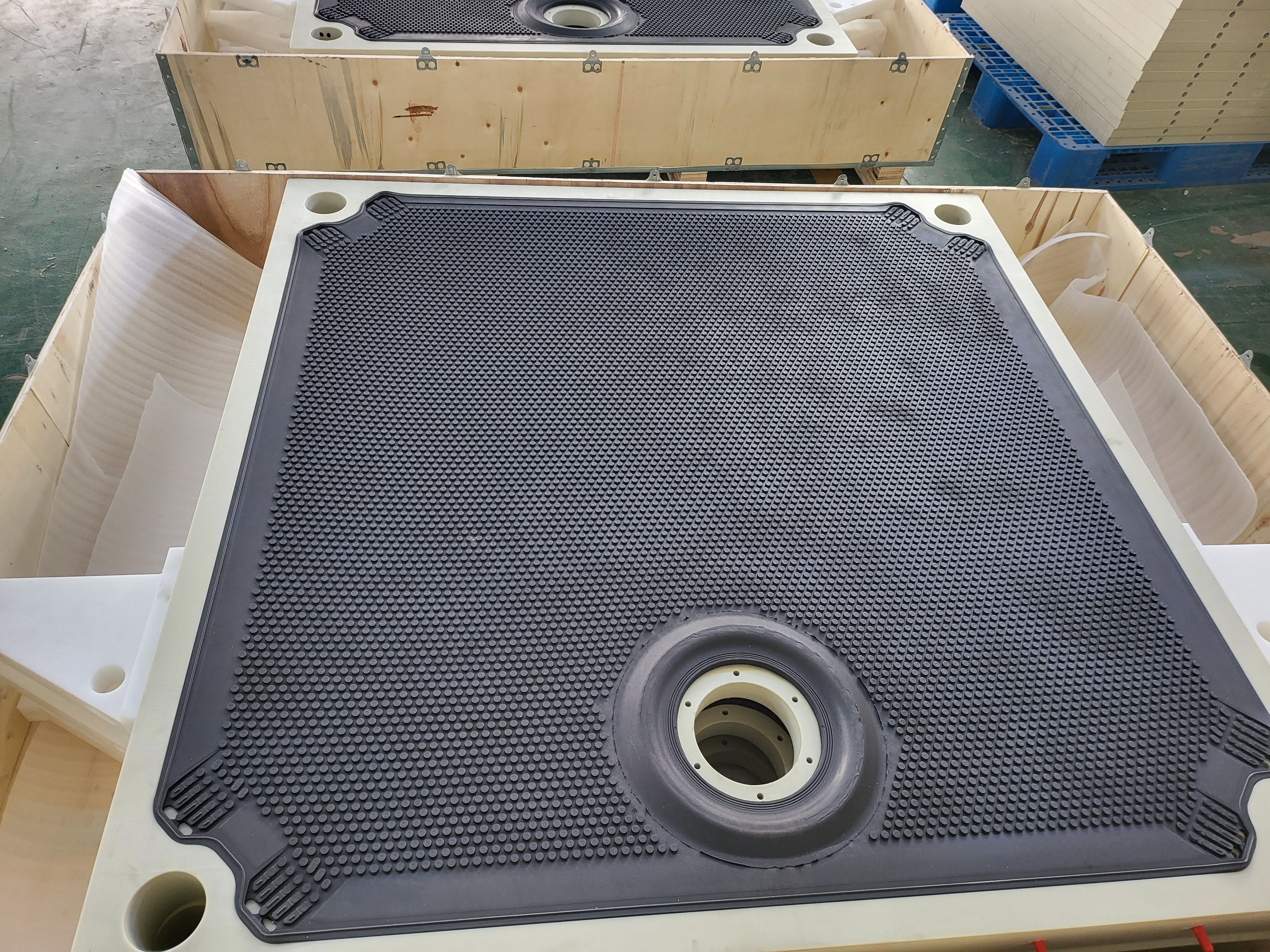
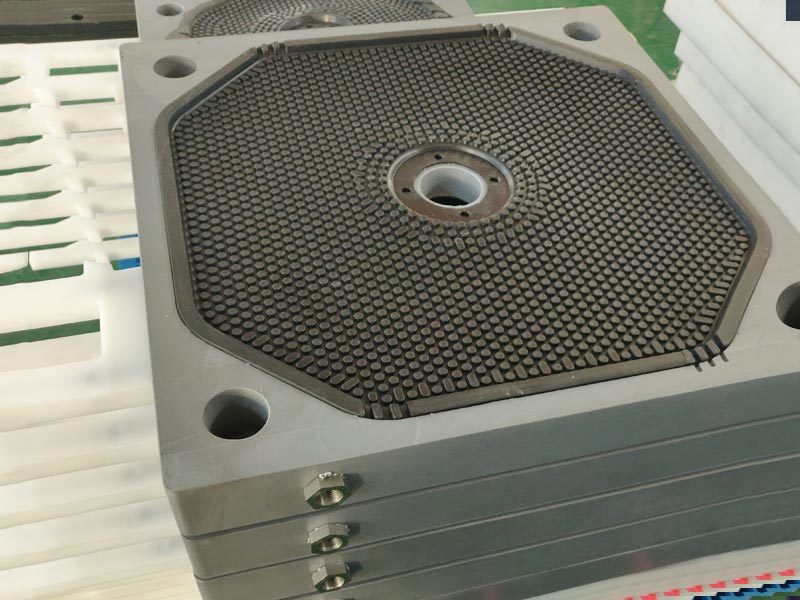
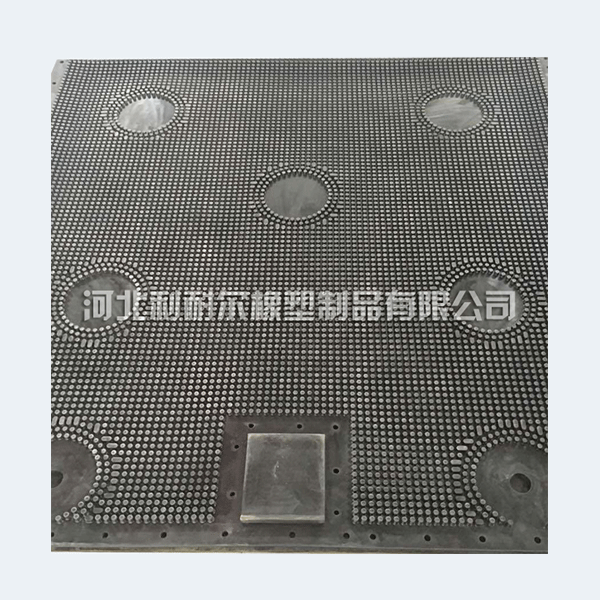
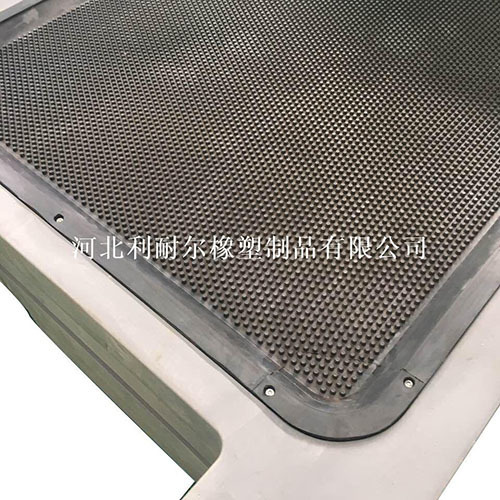
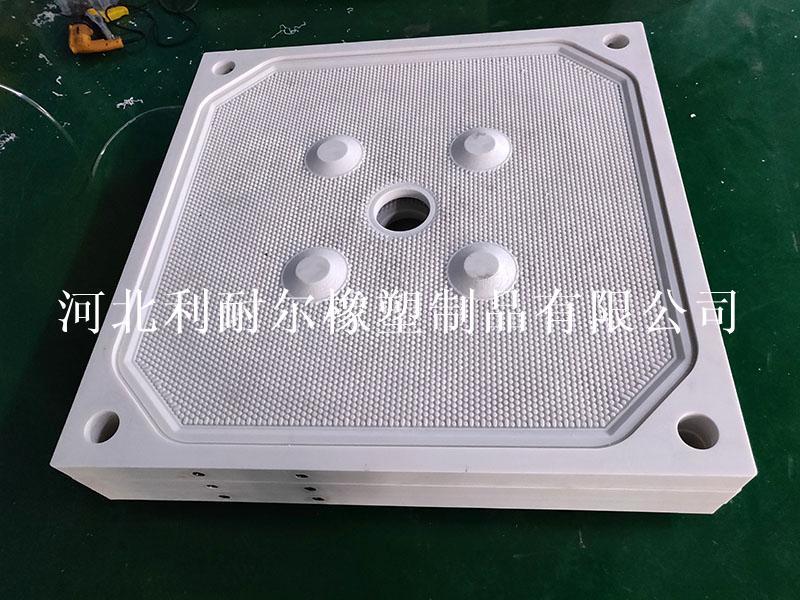
ProductMain products: vertical and horizontal imported and domestic filter plates, diaphragm plates, diaphragms and accessories; pinch valve sleeves and pinch valves and various mining accessories.
-
NewsIn 2013, our company's high-pressure cylinder with phenolic cloth support and guide ring obtained the national key new product certificate, project number: 2013GRA20011; its products in coal cylinders and engineering hydrauli
-
ServiceWe will actively cooperate with more enthusiasm, strengthen internal management, expand the market externally, improve various performance indicators of existing products, and truly achieve our win-win situation!
-
RecruitmentOur company always adheres to the talent concept of "people-oriented", provides a growth platform for talents, and realizes the common growth and development of enterprises and talents.


language
English
العربية
বাংলাদেশ
Български
Hrvatski
Česky
Dansk
Nederland
 Esperanto
Slovenski
Filipino
Suomi
Français
Maori
 Shqiptare
Georgian
 Euskara
Deutsch
Ελλάδα
ישראל
इंडिया
Magyarország
Ísland
Indonesia
Irlanda
Italia
日本語
Sovensko
Հայաստան
한국
Kyrgyz
ປະເທດລາວ
 Zulu
Zulu
Latvian
Lithuanian
Luxembourgish
 Latinus
Macedonian
Малайская
Maltese
Монгол улс
 Cymraeg
ဗမာ
 தமிழ்
தமிழ்
नेपाल
Norge
ایران
Polska
Portugal
România
Российская
Србија
 Slovak
Србија
 Slovak
Bosanski
Slovenian
Беларус
España
Sverige
Точик
ประเทศไทย
Türk
Azərbaycan
Uzbek
 Afrikaans
Việt Nam

Why Metal Filter Plates Are Essential for the Chemical Industry
Release time:
2023-11-24
Table of Contents 1. Introduction 2. The Role of Metal Filter Plates in the Chemical Industry 3. Benefits of Metal Filter Plates 3.1 Enhanced Filtration Efficiency 3.2 Improved Chemical Separation 3.3 Corrosion Resistance 3.4 High Temperature Resistance 3.5 Longevity and Durability 4. Applications of Metal Filter Plates in Chemical Manufacturing 4.1 Solid-Liquid Separation 4.2 Chemic
Table of Contents
1. Introduction
2. The Role of Metal Filter Plates in the Chemical Industry
3. Benefits of Metal Filter Plates
3.1 Enhanced Filtration Efficiency
3.2 Improved Chemical Separation
3.3 Corrosion Resistance
3.4 High Temperature Resistance
3.5 Longevity and Durability
4. Applications of Metal Filter Plates in Chemical Manufacturing
4.1 Solid-Liquid Separation
4.2 Chemical Filtration
4.3 Catalyst Recovery
4.4 Resin and Polymer Production
5. Factors to Consider When Choosing Metal Filter Plates
5.1 Plate Material
5.2 Filtration Rating
5.3 Plate Design
5.4 Compatibility with Chemicals
6. Frequently Asked Questions (FAQs)
6.1 What are metal filter plates made of?
6.2 Can metal filter plates withstand harsh chemical environments?
6.3 How often should metal filter plates be replaced?
6.4 Are metal filter plates reusable?
6.5 What are some common maintenance practices for metal filter plates?
7. Conclusion
Introduction
Metal filter plates are indispensable components in the chemical industry, playing a crucial role in various chemical processes. They ensure the efficient filtration and separation of chemicals, leading to improved product quality and safety. In this article, we will explore why metal filter plates are essential for the chemical industry and how they contribute to its success.
The Role of Metal Filter Plates in the Chemical Industry
Metal filter plates act as a barrier between the chemical mixture and the desired product. They facilitate the separation of solids and liquids, ensuring that only the desired components pass through while retaining impurities. By effectively filtering out unwanted particles, metal filter plates prevent contamination and enhance the purity of chemical products.
Benefits of Metal Filter Plates
Enhanced Filtration Efficiency
One of the primary advantages of metal filter plates is their exceptional filtration efficiency. The precise design and construction of these plates allow for the removal of even the smallest particles, ensuring a high level of product purity. The efficient filtration process saves time and resources, resulting in improved productivity and cost-effectiveness.
Improved Chemical Separation
Metal filter plates enable efficient separation of chemical mixtures by selectively retaining solid particles while allowing liquids to pass through. This capability is especially crucial in processes such as solid-liquid separation and chemical filtration, where the removal of impurities is essential for the desired product's quality and chemical composition.
Corrosion Resistance
Chemical manufacturing environments are often highly corrosive, making it crucial to use filter plates that can withstand such conditions. Metal filter plates, made from corrosion-resistant materials such as stainless steel or titanium, provide excellent protection against chemical reactions and ensure long-lasting performance.
High Temperature Resistance
Many chemical processes involve high temperatures, which can pose a challenge to the filtration equipment. Metal filter plates are designed to withstand extreme temperatures, maintaining their structural integrity and filtration efficiency even under harsh thermal conditions.
Longevity and Durability
In the demanding environment of the chemical industry, durability is vital. Metal filter plates are known for their robust construction and long lifespan. Their resistance to wear and tear ensures consistent performance over time, reducing the need for frequent replacements and minimizing downtime.
Applications of Metal Filter Plates in Chemical Manufacturing
Solid-Liquid Separation
Metal filter plates are extensively used in solid-liquid separation processes where the goal is to separate solid particles from a liquid medium. This application is commonly employed in the chemical industry for the purification of various substances, such as pigments, dyes, and pharmaceutical compounds.
Chemical Filtration
Chemical filtration involves the removal of impurities and unwanted particles from chemical solutions. Metal filter plates excel at this task, providing reliable and efficient filtration that enhances the purity and quality of the final chemical product.
Catalyst Recovery
Catalysts play a vital role in many chemical reactions, and their recovery is crucial for cost-effective and sustainable manufacturing. Metal filter plates enable efficient separation of catalyst particles from the reaction mixture, allowing for their reuse and reducing production costs.
Resin and Polymer Production
Metal filter plates are essential in the production of resins and polymers. They help remove impurities and unwanted by-products, ensuring the quality and consistency of the final product. The precise filtration provided by these plates contributes to the smooth operation of resin and polymer manufacturing processes.
Factors to Consider When Choosing Metal Filter Plates
Plate Material
The choice of plate material depends on the specific chemical environment and the compatibility of the material with the chemicals being processed. Stainless steel, titanium, and polypropylene are commonly used materials due to their corrosion resistance and durability.
Filtration Rating
The filtration rating determines the size of particles that can be effectively filtered by the plates. It is crucial to select a filtration rating suitable for the desired level of filtration and the particle size distribution of the chemicals.
Plate Design
The design of metal filter plates affects their filtration efficiency and ease of maintenance. Consider factors such as plate thickness, shape, and internal structure to ensure optimal performance and ease of cleaning.
Compatibility with Chemicals
Different chemicals may have varying levels of reactivity with different metals. It is essential to select metal filter plates that are compatible with the chemicals being processed to avoid corrosion or contamination.
Frequently Asked Questions (FAQs)
What are metal filter plates made of?
Metal filter plates can be made from materials such as stainless steel, titanium, or polypropylene, depending on the specific requirements of the chemical process.
Can metal filter plates withstand harsh chemical environments?
Yes, metal filter plates made from corrosion-resistant materials are designed to withstand harsh chemical environments and ensure long-lasting performance.
How often should metal filter plates be replaced?
The lifespan of metal filter plates depends on various factors, including the nature of the chemical process, operating conditions, and maintenance practices. Regular inspections and maintenance can help determine when it is necessary to replace the plates.
Are metal filter plates reusable?
Metal filter plates are typically reusable and can withstand multiple filtration cycles. Regular cleaning and maintenance are essential to ensure their longevity and optimal performance.
What are some common maintenance practices for metal filter plates?
Regular cleaning, inspection for damage or blockages, and proper storage are essential maintenance practices for metal filter plates. Follow the manufacturer's guidelines and best practices to maximize their lifespan.
Conclusion
Metal filter plates are indispensable in the chemical industry, offering enhanced filtration efficiency, improved chemical separation, corrosion resistance, high temperature resistance, longevity, and durability. Their applications in solid-liquid separation, chemical filtration, catalyst recovery, and resin and polymer production make them essential components in chemical manufacturing processes. By understanding the importance of metal filter plates and considering key factors in their selection, the chemical industry can ensure the efficient and safe production of high-quality chemical products.
1. Introduction
2. The Role of Metal Filter Plates in the Chemical Industry
3. Benefits of Metal Filter Plates
3.1 Enhanced Filtration Efficiency
3.2 Improved Chemical Separation
3.3 Corrosion Resistance
3.4 High Temperature Resistance
3.5 Longevity and Durability
4. Applications of Metal Filter Plates in Chemical Manufacturing
4.1 Solid-Liquid Separation
4.2 Chemical Filtration
4.3 Catalyst Recovery
4.4 Resin and Polymer Production
5. Factors to Consider When Choosing Metal Filter Plates
5.1 Plate Material
5.2 Filtration Rating
5.3 Plate Design
5.4 Compatibility with Chemicals
6. Frequently Asked Questions (FAQs)
6.1 What are metal filter plates made of?
6.2 Can metal filter plates withstand harsh chemical environments?
6.3 How often should metal filter plates be replaced?
6.4 Are metal filter plates reusable?
6.5 What are some common maintenance practices for metal filter plates?
7. Conclusion
Introduction
Metal filter plates are indispensable components in the chemical industry, playing a crucial role in various chemical processes. They ensure the efficient filtration and separation of chemicals, leading to improved product quality and safety. In this article, we will explore why metal filter plates are essential for the chemical industry and how they contribute to its success.
The Role of Metal Filter Plates in the Chemical Industry
Metal filter plates act as a barrier between the chemical mixture and the desired product. They facilitate the separation of solids and liquids, ensuring that only the desired components pass through while retaining impurities. By effectively filtering out unwanted particles, metal filter plates prevent contamination and enhance the purity of chemical products.
Benefits of Metal Filter Plates
Enhanced Filtration Efficiency
One of the primary advantages of metal filter plates is their exceptional filtration efficiency. The precise design and construction of these plates allow for the removal of even the smallest particles, ensuring a high level of product purity. The efficient filtration process saves time and resources, resulting in improved productivity and cost-effectiveness.
Improved Chemical Separation
Metal filter plates enable efficient separation of chemical mixtures by selectively retaining solid particles while allowing liquids to pass through. This capability is especially crucial in processes such as solid-liquid separation and chemical filtration, where the removal of impurities is essential for the desired product's quality and chemical composition.
Corrosion Resistance
Chemical manufacturing environments are often highly corrosive, making it crucial to use filter plates that can withstand such conditions. Metal filter plates, made from corrosion-resistant materials such as stainless steel or titanium, provide excellent protection against chemical reactions and ensure long-lasting performance.
High Temperature Resistance
Many chemical processes involve high temperatures, which can pose a challenge to the filtration equipment. Metal filter plates are designed to withstand extreme temperatures, maintaining their structural integrity and filtration efficiency even under harsh thermal conditions.
Longevity and Durability
In the demanding environment of the chemical industry, durability is vital. Metal filter plates are known for their robust construction and long lifespan. Their resistance to wear and tear ensures consistent performance over time, reducing the need for frequent replacements and minimizing downtime.
Applications of Metal Filter Plates in Chemical Manufacturing
Solid-Liquid Separation
Metal filter plates are extensively used in solid-liquid separation processes where the goal is to separate solid particles from a liquid medium. This application is commonly employed in the chemical industry for the purification of various substances, such as pigments, dyes, and pharmaceutical compounds.
Chemical Filtration
Chemical filtration involves the removal of impurities and unwanted particles from chemical solutions. Metal filter plates excel at this task, providing reliable and efficient filtration that enhances the purity and quality of the final chemical product.
Catalyst Recovery
Catalysts play a vital role in many chemical reactions, and their recovery is crucial for cost-effective and sustainable manufacturing. Metal filter plates enable efficient separation of catalyst particles from the reaction mixture, allowing for their reuse and reducing production costs.
Resin and Polymer Production
Metal filter plates are essential in the production of resins and polymers. They help remove impurities and unwanted by-products, ensuring the quality and consistency of the final product. The precise filtration provided by these plates contributes to the smooth operation of resin and polymer manufacturing processes.
Factors to Consider When Choosing Metal Filter Plates
Plate Material
The choice of plate material depends on the specific chemical environment and the compatibility of the material with the chemicals being processed. Stainless steel, titanium, and polypropylene are commonly used materials due to their corrosion resistance and durability.
Filtration Rating
The filtration rating determines the size of particles that can be effectively filtered by the plates. It is crucial to select a filtration rating suitable for the desired level of filtration and the particle size distribution of the chemicals.
Plate Design
The design of metal filter plates affects their filtration efficiency and ease of maintenance. Consider factors such as plate thickness, shape, and internal structure to ensure optimal performance and ease of cleaning.
Compatibility with Chemicals
Different chemicals may have varying levels of reactivity with different metals. It is essential to select metal filter plates that are compatible with the chemicals being processed to avoid corrosion or contamination.
Frequently Asked Questions (FAQs)
What are metal filter plates made of?
Metal filter plates can be made from materials such as stainless steel, titanium, or polypropylene, depending on the specific requirements of the chemical process.
Can metal filter plates withstand harsh chemical environments?
Yes, metal filter plates made from corrosion-resistant materials are designed to withstand harsh chemical environments and ensure long-lasting performance.
How often should metal filter plates be replaced?
The lifespan of metal filter plates depends on various factors, including the nature of the chemical process, operating conditions, and maintenance practices. Regular inspections and maintenance can help determine when it is necessary to replace the plates.
Are metal filter plates reusable?
Metal filter plates are typically reusable and can withstand multiple filtration cycles. Regular cleaning and maintenance are essential to ensure their longevity and optimal performance.
What are some common maintenance practices for metal filter plates?
Regular cleaning, inspection for damage or blockages, and proper storage are essential maintenance practices for metal filter plates. Follow the manufacturer's guidelines and best practices to maximize their lifespan.
Conclusion
Metal filter plates are indispensable in the chemical industry, offering enhanced filtration efficiency, improved chemical separation, corrosion resistance, high temperature resistance, longevity, and durability. Their applications in solid-liquid separation, chemical filtration, catalyst recovery, and resin and polymer production make them essential components in chemical manufacturing processes. By understanding the importance of metal filter plates and considering key factors in their selection, the chemical industry can ensure the efficient and safe production of high-quality chemical products.
Related News