
-
AboutHebei Linaier Rubber Products Co., Ltd. is located in Duqiao Industrial Zone, Jingxian City, Hebei Province, adjacent to Dezhou, Shandong. Founded in early 2001 with a registered capital of 35 million yuan, it is a scientific

-
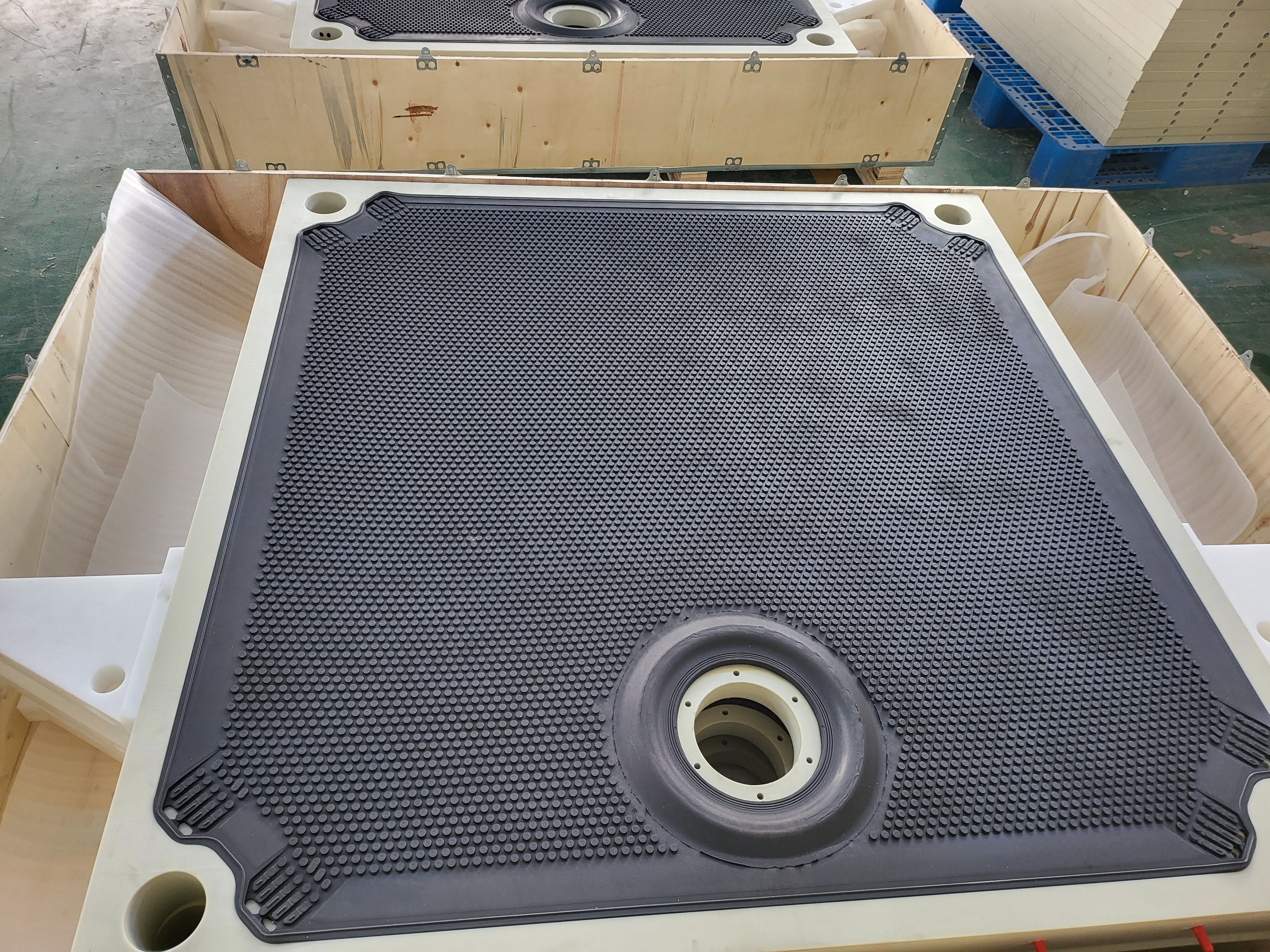
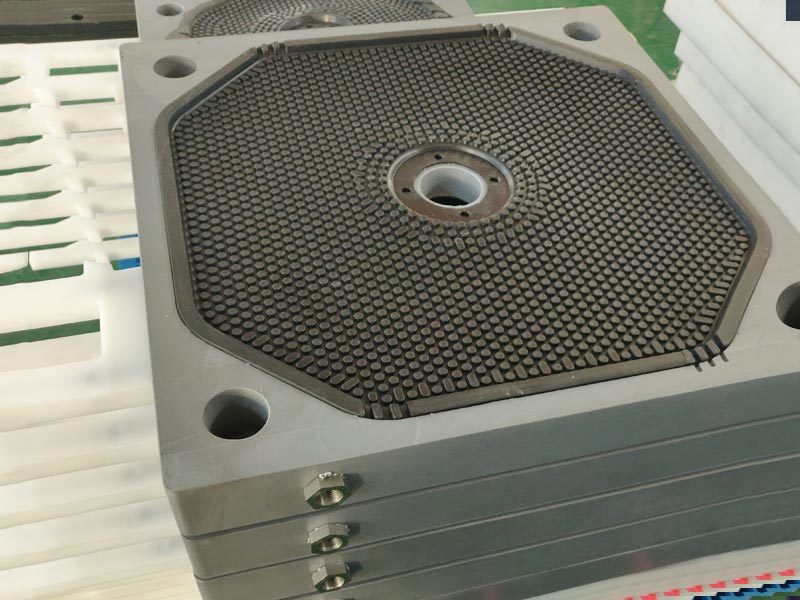
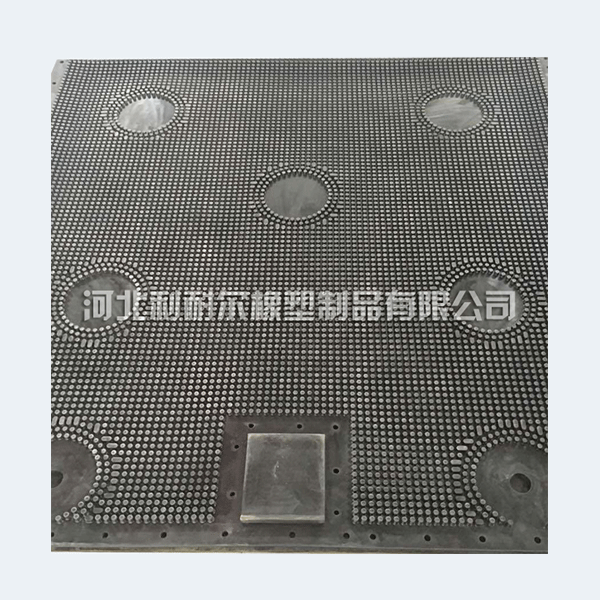
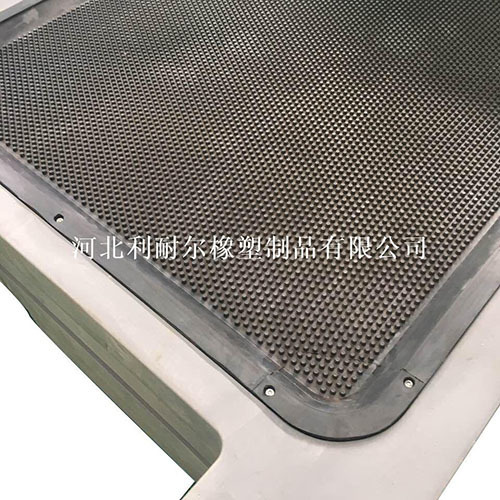
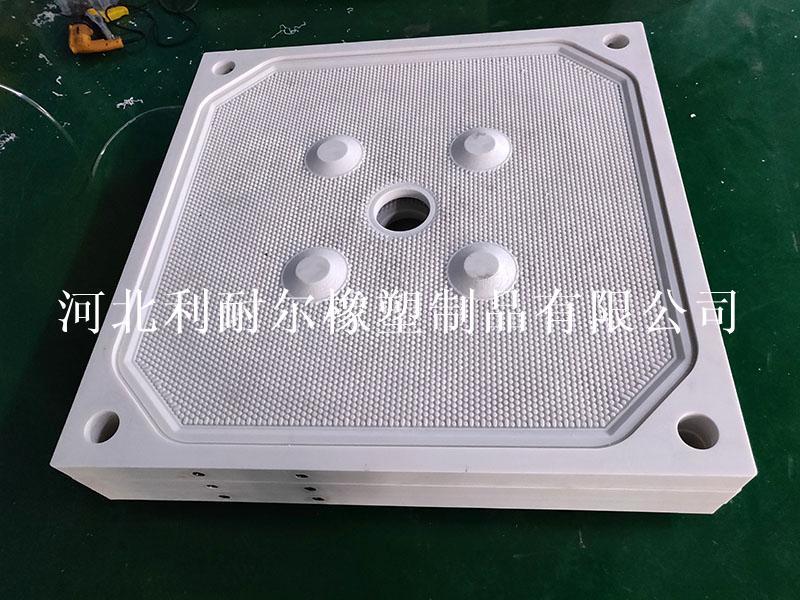
ProductMain products: vertical and horizontal imported and domestic filter plates, diaphragm plates, diaphragms and accessories; pinch valve sleeves and pinch valves and various mining accessories.
-
NewsIn 2013, our company's high-pressure cylinder with phenolic cloth support and guide ring obtained the national key new product certificate, project number: 2013GRA20011; its products in coal cylinders and engineering hydrauli
-
ServiceWe will actively cooperate with more enthusiasm, strengthen internal management, expand the market externally, improve various performance indicators of existing products, and truly achieve our win-win situation!
-
RecruitmentOur company always adheres to the talent concept of "people-oriented", provides a growth platform for talents, and realizes the common growth and development of enterprises and talents.


language
English
العربية
বাংলাদেশ
Български
Hrvatski
Česky
Dansk
Nederland
 Esperanto
Slovenski
Filipino
Suomi
Français
Maori
 Shqiptare
Georgian
 Euskara
Deutsch
Ελλάδα
ישראל
इंडिया
Magyarország
Ísland
Indonesia
Irlanda
Italia
日本語
Sovensko
Հայաստան
한국
Kyrgyz
ປະເທດລາວ
 Zulu
Zulu
Latvian
Lithuanian
Luxembourgish
 Latinus
Macedonian
Малайская
Maltese
Монгол улс
 Cymraeg
ဗမာ
 தமிழ்
தமிழ்
नेपाल
Norge
ایران
Polska
Portugal
România
Российская
Србија
 Slovak
Србија
 Slovak
Bosanski
Slovenian
Беларус
España
Sverige
Точик
ประเทศไทย
Türk
Azərbaycan
Uzbek
 Afrikaans
Việt Nam

How Sealing Rings Enhance the Performance of Plastic Products
Release time:
2023-09-11
Table of Contents: 1. Introduction: Unveiling the Power of Sealing Rings 2. Understanding the Role of Sealing Rings in Plastic Products 3. Importance of Sealing Rings in Ensuring Leak-proof Designs 4. Boosting Durability and Longevity with Sealing Rings 5. Enhancing Efficiency and Performance through Effective Sealing 6. Sealing Rings and Environmental Sustainability 7. Frequently Asked Questions
Table of Contents:
1. Introduction: Unveiling the Power of Sealing Rings
2. Understanding the Role of Sealing Rings in Plastic Products
3. Importance of Sealing Rings in Ensuring Leak-proof Designs
4. Boosting Durability and Longevity with Sealing Rings
5. Enhancing Efficiency and Performance through Effective Sealing
6. Sealing Rings and Environmental Sustainability
7. Frequently Asked Questions (FAQs) about Sealing Rings
7.1. What materials are commonly used for manufacturing sealing rings?
7.2. Can sealing rings be used in different industries?
7.3. How do sealing rings contribute to cost savings?
7.4. Are sealing rings easy to install?
7.5. Can sealing rings be customized for specific applications?
8. Conclusion: Unlock the Potential of Sealing Rings for Optimal Plastic Product Performance
-----------------------------------------------------------------------------------------------------------------------------------------
1. Introduction: Unveiling the Power of Sealing Rings
In the world of plastic products, achieving optimal performance and functionality is of utmost importance. To meet these demands, manufacturers rely on various components and technologies that enhance product quality and efficiency. One such component that plays a vital role in plastic product performance is the sealing ring. In this article, we will explore how sealing rings contribute to the overall performance and durability of plastic products.
2. Understanding the Role of Sealing Rings in Plastic Products
Sealing rings, also known as gaskets or O-rings, are circular-shaped components designed to create a barrier between two mating surfaces. They are commonly used in plastic products to prevent leakage, contamination, and ensure a secure fit. Sealing rings are typically made from elastomeric materials, such as rubber or silicone, due to their excellent sealing properties and resistance to environmental factors.
3. Importance of Sealing Rings in Ensuring Leak-proof Designs
Leakage can be a significant concern in plastic products, especially those that involve fluid containment or pressurized systems. Sealing rings act as a reliable and efficient solution to prevent leaks by effectively sealing any gaps or irregularities between mating surfaces. By creating a tight seal, sealing rings help maintain the integrity of plastic products, minimizing the risk of product failure or damage.
4. Boosting Durability and Longevity with Sealing Rings
Plastic products are exposed to various external factors, including temperature fluctuations, mechanical stress, and exposure to chemicals. Sealing rings play a crucial role in enhancing the durability and longevity of plastic products by providing a protective barrier against these elements. They act as a cushion, absorbing shocks and vibrations, which can otherwise lead to premature wear and tear.
5. Enhancing Efficiency and Performance through Effective Sealing
Efficiency is a key factor in plastic product design. Sealing rings contribute significantly to the overall efficiency and performance by minimizing energy losses, optimizing fluid flow, and reducing friction. By creating a reliable seal, they enable smooth operations and prevent wastage of resources, resulting in improved productivity and cost-effectiveness.
6. Sealing Rings and Environmental Sustainability
In today's environmentally conscious world, sustainability is a top priority for many industries. Sealing rings, with their ability to prevent leakage and contamination, play a crucial role in ensuring sustainable practices. By reducing material wastage and preventing the release of harmful substances, sealing rings contribute to a cleaner and safer environment.
7. Frequently Asked Questions (FAQs) about Sealing Rings
7.1. What materials are commonly used for manufacturing sealing rings?
Sealing rings are commonly made from elastomeric materials, including rubber, silicone, and fluorocarbon compounds.
7.2. Can sealing rings be used in different industries?
Yes, sealing rings find applications in various industries, including automotive, aerospace, pharmaceuticals, plumbing, and many others.
7.3. How do sealing rings contribute to cost savings?
Sealing rings help minimize product failures, reduce maintenance costs, and prevent material wastage, resulting in significant cost savings over time.
7.4. Are sealing rings easy to install?
Yes, sealing rings are designed for ease of installation and can be easily fitted into the designated grooves or mating surfaces.
7.5. Can sealing rings be customized for specific applications?
Absolutely! Sealing rings can be customized in terms of size, shape, and material to suit specific application requirements.
8. Conclusion: Unlock the Potential of Sealing Rings for Optimal Plastic Product Performance
Sealing rings are not mere accessories in plastic product design; they are essential components that significantly impact performance, durability, and efficiency. By providing leak-proof designs, boosting durability, enhancing efficiency, and contributing to environmental sustainability, sealing rings play a vital role in ensuring the optimal performance and longevity of plastic products. Embracing the benefits of sealing rings can give your products a competitive edge in the market, providing customers with reliable and high-performing solutions.
1. Introduction: Unveiling the Power of Sealing Rings
2. Understanding the Role of Sealing Rings in Plastic Products
3. Importance of Sealing Rings in Ensuring Leak-proof Designs
4. Boosting Durability and Longevity with Sealing Rings
5. Enhancing Efficiency and Performance through Effective Sealing
6. Sealing Rings and Environmental Sustainability
7. Frequently Asked Questions (FAQs) about Sealing Rings
7.1. What materials are commonly used for manufacturing sealing rings?
7.2. Can sealing rings be used in different industries?
7.3. How do sealing rings contribute to cost savings?
7.4. Are sealing rings easy to install?
7.5. Can sealing rings be customized for specific applications?
8. Conclusion: Unlock the Potential of Sealing Rings for Optimal Plastic Product Performance
-----------------------------------------------------------------------------------------------------------------------------------------
1. Introduction: Unveiling the Power of Sealing Rings
In the world of plastic products, achieving optimal performance and functionality is of utmost importance. To meet these demands, manufacturers rely on various components and technologies that enhance product quality and efficiency. One such component that plays a vital role in plastic product performance is the sealing ring. In this article, we will explore how sealing rings contribute to the overall performance and durability of plastic products.
2. Understanding the Role of Sealing Rings in Plastic Products
Sealing rings, also known as gaskets or O-rings, are circular-shaped components designed to create a barrier between two mating surfaces. They are commonly used in plastic products to prevent leakage, contamination, and ensure a secure fit. Sealing rings are typically made from elastomeric materials, such as rubber or silicone, due to their excellent sealing properties and resistance to environmental factors.
3. Importance of Sealing Rings in Ensuring Leak-proof Designs
Leakage can be a significant concern in plastic products, especially those that involve fluid containment or pressurized systems. Sealing rings act as a reliable and efficient solution to prevent leaks by effectively sealing any gaps or irregularities between mating surfaces. By creating a tight seal, sealing rings help maintain the integrity of plastic products, minimizing the risk of product failure or damage.
4. Boosting Durability and Longevity with Sealing Rings
Plastic products are exposed to various external factors, including temperature fluctuations, mechanical stress, and exposure to chemicals. Sealing rings play a crucial role in enhancing the durability and longevity of plastic products by providing a protective barrier against these elements. They act as a cushion, absorbing shocks and vibrations, which can otherwise lead to premature wear and tear.
5. Enhancing Efficiency and Performance through Effective Sealing
Efficiency is a key factor in plastic product design. Sealing rings contribute significantly to the overall efficiency and performance by minimizing energy losses, optimizing fluid flow, and reducing friction. By creating a reliable seal, they enable smooth operations and prevent wastage of resources, resulting in improved productivity and cost-effectiveness.
6. Sealing Rings and Environmental Sustainability
In today's environmentally conscious world, sustainability is a top priority for many industries. Sealing rings, with their ability to prevent leakage and contamination, play a crucial role in ensuring sustainable practices. By reducing material wastage and preventing the release of harmful substances, sealing rings contribute to a cleaner and safer environment.
7. Frequently Asked Questions (FAQs) about Sealing Rings
7.1. What materials are commonly used for manufacturing sealing rings?
Sealing rings are commonly made from elastomeric materials, including rubber, silicone, and fluorocarbon compounds.
7.2. Can sealing rings be used in different industries?
Yes, sealing rings find applications in various industries, including automotive, aerospace, pharmaceuticals, plumbing, and many others.
7.3. How do sealing rings contribute to cost savings?
Sealing rings help minimize product failures, reduce maintenance costs, and prevent material wastage, resulting in significant cost savings over time.
7.4. Are sealing rings easy to install?
Yes, sealing rings are designed for ease of installation and can be easily fitted into the designated grooves or mating surfaces.
7.5. Can sealing rings be customized for specific applications?
Absolutely! Sealing rings can be customized in terms of size, shape, and material to suit specific application requirements.
8. Conclusion: Unlock the Potential of Sealing Rings for Optimal Plastic Product Performance
Sealing rings are not mere accessories in plastic product design; they are essential components that significantly impact performance, durability, and efficiency. By providing leak-proof designs, boosting durability, enhancing efficiency, and contributing to environmental sustainability, sealing rings play a vital role in ensuring the optimal performance and longevity of plastic products. Embracing the benefits of sealing rings can give your products a competitive edge in the market, providing customers with reliable and high-performing solutions.
Related News