
-
AboutHebei Linaier Rubber Products Co., Ltd. is located in Duqiao Industrial Zone, Jingxian City, Hebei Province, adjacent to Dezhou, Shandong. Founded in early 2001 with a registered capital of 35 million yuan, it is a scientific

-
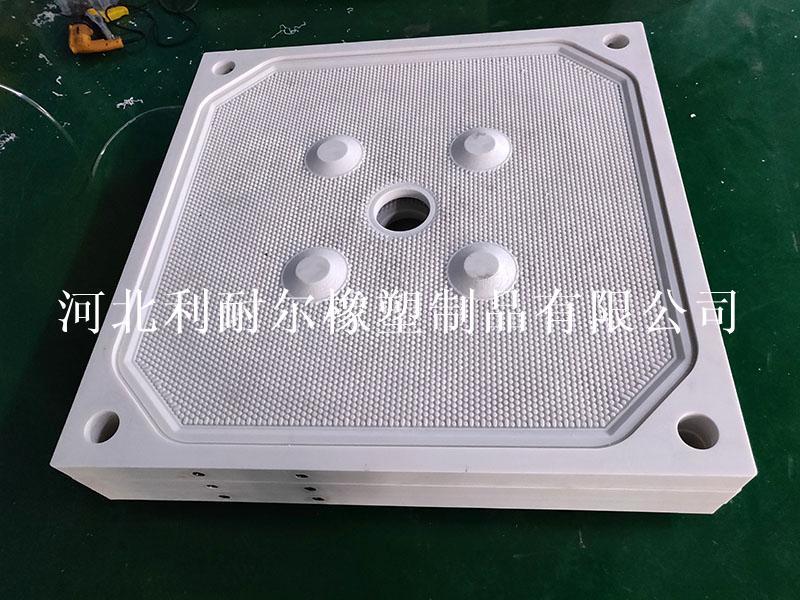
ProductMain products: vertical and horizontal imported and domestic filter plates, diaphragm plates, diaphragms and accessories; pinch valve sleeves and pinch valves and various mining accessories.
-
NewsIn 2013, our company's high-pressure cylinder with phenolic cloth support and guide ring obtained the national key new product certificate, project number: 2013GRA20011; its products in coal cylinders and engineering hydrauli
-
ServiceWe will actively cooperate with more enthusiasm, strengthen internal management, expand the market externally, improve various performance indicators of existing products, and truly achieve our win-win situation!
-
RecruitmentOur company always adheres to the talent concept of "people-oriented", provides a growth platform for talents, and realizes the common growth and development of enterprises and talents.


language
English
العربية
বাংলাদেশ
Български
Hrvatski
Česky
Dansk
Nederland
 Esperanto
Slovenski
Filipino
Suomi
Français
Maori
 Shqiptare
Georgian
 Euskara
Deutsch
Ελλάδα
ישראל
इंडिया
Magyarország
Ísland
Indonesia
Irlanda
Italia
日本語
Sovensko
Հայաստան
한국
Kyrgyz
ປະເທດລາວ
 Zulu
Zulu
Latvian
Lithuanian
Luxembourgish
 Latinus
Macedonian
Малайская
Maltese
Монгол улс
 Cymraeg
ဗမာ
 தமிழ்
தமிழ்
नेपाल
Norge
ایران
Polska
Portugal
România
Российская
Србија
 Slovak
Србија
 Slovak
Bosanski
Slovenian
Беларус
España
Sverige
Точик
ประเทศไทย
Türk
Azərbaycan
Uzbek
 Afrikaans
Việt Nam

Maximize Efficiency with 6㎡ Rubber Diaphragm in the Chemical Industry
Release time:
2023-08-08
Table of Contents: 1. Introduction: Revolutionizing Efficiency in the Chemical Industry 2. The Role of Rubber Diaphragms in Chemical Processes 3. Benefits of Implementing 6㎡ Rubber Diaphragms 3.1 Enhanced Chemical Process Efficiency 3.2 Improved Durability and Longevity 3.3 Cost Reduction and Energy Efficiency 3.4 Minimal Maintenance Requirements 4. Applications of 6㎡ Rubber Diaphragms
Table of Contents:
1. Introduction: Revolutionizing Efficiency in the Chemical Industry
2. The Role of Rubber Diaphragms in Chemical Processes
3. Benefits of Implementing 6㎡ Rubber Diaphragms
3.1 Enhanced Chemical Process Efficiency
3.2 Improved Durability and Longevity
3.3 Cost Reduction and Energy Efficiency
3.4 Minimal Maintenance Requirements
4. Applications of 6㎡ Rubber Diaphragms in the Chemical Industry
4.1 Chemical Reactors and Vessels
4.2 Pumping Systems and Metering
4.3 Filtration and Separation Processes
4.4 Gas and Liquid Handling Systems
5. Considerations for Implementing 6㎡ Rubber Diaphragms
5.1 Compatibility with Chemicals and Operating Conditions
5.2 Diaphragm Material Selection
5.3 Proper Installation and Maintenance Practices
6. Frequently Asked Questions (FAQs)
6.1 What are the key advantages of using rubber diaphragms in the chemical industry?
6.2 How can 6㎡ rubber diaphragms improve efficiency and productivity?
6.3 Are rubber diaphragms suitable for all types of chemical processes?
6.4 What factors should be considered when selecting rubber diaphragms?
6.5 Is regular maintenance required for rubber diaphragms?
7. Conclusion: Maximizing Efficiency and Performance in the Chemical Industry
1. Introduction: Revolutionizing Efficiency in the Chemical Industry
In the ever-evolving chemical industry, maximizing efficiency is a key priority for companies seeking to stay competitive. One innovative solution that has gained significant traction is the implementation of 6㎡ rubber diaphragms. These diaphragms play a crucial role in various chemical processes, offering numerous benefits and opportunities for optimization.
2. The Role of Rubber Diaphragms in Chemical Processes
Rubber diaphragms act as a barrier between different media, preventing cross-contamination and facilitating the efficient transfer of fluids or gases. They are commonly used in pumps, valves, actuators, and other equipment where precise control and separation are essential.
3. Benefits of Implementing 6㎡ Rubber Diaphragms
3.1 Enhanced Chemical Process Efficiency
The introduction of 6㎡ rubber diaphragms significantly improves the efficiency of chemical processes. Their unique design allows for precise control and regulation of flow rates, leading to optimized reaction times and increased productivity.
3.2 Improved Durability and Longevity
Rubber diaphragms are known for their exceptional durability, withstanding harsh chemical environments, temperature variations, and corrosive substances. This longevity translates into reduced downtime, lower maintenance costs, and enhanced overall reliability of equipment.
3.3 Cost Reduction and Energy Efficiency
By optimizing the flow control and reducing frictional losses, 6㎡ rubber diaphragms contribute to cost reduction and improved energy efficiency in chemical processes. Their ability to handle high pressures and temperatures also eliminates the need for additional equipment, further saving costs.
3.4 Minimal Maintenance Requirements
Rubber diaphragms require minimal maintenance, resulting in reduced downtime and increased operational efficiency. Their self-lubricating properties and resistance to wear and tear contribute to a longer service life, limiting the need for frequent replacements.
4. Applications of 6㎡ Rubber Diaphragms in the Chemical Industry
4.1 Chemical Reactors and Vessels
Rubber diaphragms find extensive use in chemical reactors and vessels, where they provide precise control over pressure, temperature, and flow rates. Their compatibility with a wide range of chemicals makes them suitable for various reaction processes, ensuring optimal efficiency.
4.2 Pumping Systems and Metering
In pumping systems, 6㎡ rubber diaphragms offer reliable and accurate metering of fluids, ensuring consistent and precise dosing. Their ability to handle aggressive chemicals and abrasive slurries makes them ideal for metering applications in the chemical industry.
4.3 Filtration and Separation Processes
Rubber diaphragms play a vital role in filtration and separation processes, enabling precise control over the flow of liquids and gases. They enhance the efficiency of filtration systems, prolong the lifespan of filter elements, and improve overall separation performance.
4.4 Gas and Liquid Handling Systems
Whether it's controlling the flow of gases or liquids, 6㎡ rubber diaphragms excel in handling different media with varying pressures and temperatures. Their flexibility, combined with excellent sealing properties, ensures reliable operation in gas and liquid handling systems.
5. Considerations for Implementing 6㎡ Rubber Diaphragms
5.1 Compatibility with Chemicals and Operating Conditions
One crucial consideration when implementing 6㎡ rubber diaphragms is their compatibility with the chemicals involved in the process and the specific operating conditions. It is essential to select diaphragm materials that can withstand the chemical environment, ensuring optimal performance and longevity.
5.2 Diaphragm Material Selection
Choosing the appropriate diaphragm material is vital to ensure compatibility, durability, and efficient operation. Options such as EPDM, Nitrile, Neoprene, and PTFE offer varying chemical resistances and temperature tolerances, allowing for customization based on specific requirements.
5.3 Proper Installation and Maintenance Practices
To maximize the benefits of 6㎡ rubber diaphragms, proper installation and regular maintenance are crucial. Following manufacturer guidelines, ensuring proper sealing, and implementing preventive maintenance practices will extend diaphragm lifespan and optimize performance.
6. Frequently Asked Questions (FAQs)
6.1 What are the key advantages of using rubber diaphragms in the chemical industry?
Rubber diaphragms offer enhanced process efficiency, durability, cost reduction, and minimal maintenance requirements in the chemical industry. They provide precise control, compatibility with various chemicals, and withstand harsh environments.
6.2 How can 6㎡ rubber diaphragms improve efficiency and productivity?
By enabling precise flow control, 6㎡ rubber diaphragms optimize reaction times, improve metering accuracy, and ensure consistent dosing, resulting in enhanced efficiency and increased productivity in chemical processes.
6.3 Are rubber diaphragms suitable for all types of chemical processes?
Rubber diaphragms are highly versatile and suitable for various chemical processes. However, it is essential to consider compatibility with specific chemicals and operating conditions to choose the appropriate diaphragm material.
6.4 What factors should be considered when selecting rubber diaphragms?
When selecting rubber diaphragms, factors such as chemical compatibility, temperature resistance, pressure handling capabilities, durability, and maintenance requirements should be carefully evaluated to ensure optimal performance and longevity.
6.5 Is regular maintenance required for rubber diaphragms?
While rubber diaphragms require minimal maintenance compared to other solutions, regular inspections, proper installation, and adherence to maintenance guidelines are recommended to ensure their continued performance and longevity.
7. Conclusion: Maximizing Efficiency and Performance in the Chemical Industry
Implementing 6㎡ rubber diaphragms in the chemical industry offers a multitude of benefits, including enhanced efficiency, improved durability, cost reduction, and minimal maintenance requirements. By selecting the appropriate diaphragm material, considering compatibility, and implementing proper installation and maintenance practices, companies can unlock the full potential of rubber diaphragms and optimize their chemical processes. Embrace this innovative solution and stay ahead in the competitive landscape of the chemical industry.
1. Introduction: Revolutionizing Efficiency in the Chemical Industry
2. The Role of Rubber Diaphragms in Chemical Processes
3. Benefits of Implementing 6㎡ Rubber Diaphragms
3.1 Enhanced Chemical Process Efficiency
3.2 Improved Durability and Longevity
3.3 Cost Reduction and Energy Efficiency
3.4 Minimal Maintenance Requirements
4. Applications of 6㎡ Rubber Diaphragms in the Chemical Industry
4.1 Chemical Reactors and Vessels
4.2 Pumping Systems and Metering
4.3 Filtration and Separation Processes
4.4 Gas and Liquid Handling Systems
5. Considerations for Implementing 6㎡ Rubber Diaphragms
5.1 Compatibility with Chemicals and Operating Conditions
5.2 Diaphragm Material Selection
5.3 Proper Installation and Maintenance Practices
6. Frequently Asked Questions (FAQs)
6.1 What are the key advantages of using rubber diaphragms in the chemical industry?
6.2 How can 6㎡ rubber diaphragms improve efficiency and productivity?
6.3 Are rubber diaphragms suitable for all types of chemical processes?
6.4 What factors should be considered when selecting rubber diaphragms?
6.5 Is regular maintenance required for rubber diaphragms?
7. Conclusion: Maximizing Efficiency and Performance in the Chemical Industry
1. Introduction: Revolutionizing Efficiency in the Chemical Industry
In the ever-evolving chemical industry, maximizing efficiency is a key priority for companies seeking to stay competitive. One innovative solution that has gained significant traction is the implementation of 6㎡ rubber diaphragms. These diaphragms play a crucial role in various chemical processes, offering numerous benefits and opportunities for optimization.
2. The Role of Rubber Diaphragms in Chemical Processes
Rubber diaphragms act as a barrier between different media, preventing cross-contamination and facilitating the efficient transfer of fluids or gases. They are commonly used in pumps, valves, actuators, and other equipment where precise control and separation are essential.
3. Benefits of Implementing 6㎡ Rubber Diaphragms
3.1 Enhanced Chemical Process Efficiency
The introduction of 6㎡ rubber diaphragms significantly improves the efficiency of chemical processes. Their unique design allows for precise control and regulation of flow rates, leading to optimized reaction times and increased productivity.
3.2 Improved Durability and Longevity
Rubber diaphragms are known for their exceptional durability, withstanding harsh chemical environments, temperature variations, and corrosive substances. This longevity translates into reduced downtime, lower maintenance costs, and enhanced overall reliability of equipment.
3.3 Cost Reduction and Energy Efficiency
By optimizing the flow control and reducing frictional losses, 6㎡ rubber diaphragms contribute to cost reduction and improved energy efficiency in chemical processes. Their ability to handle high pressures and temperatures also eliminates the need for additional equipment, further saving costs.
3.4 Minimal Maintenance Requirements
Rubber diaphragms require minimal maintenance, resulting in reduced downtime and increased operational efficiency. Their self-lubricating properties and resistance to wear and tear contribute to a longer service life, limiting the need for frequent replacements.
4. Applications of 6㎡ Rubber Diaphragms in the Chemical Industry
4.1 Chemical Reactors and Vessels
Rubber diaphragms find extensive use in chemical reactors and vessels, where they provide precise control over pressure, temperature, and flow rates. Their compatibility with a wide range of chemicals makes them suitable for various reaction processes, ensuring optimal efficiency.
4.2 Pumping Systems and Metering
In pumping systems, 6㎡ rubber diaphragms offer reliable and accurate metering of fluids, ensuring consistent and precise dosing. Their ability to handle aggressive chemicals and abrasive slurries makes them ideal for metering applications in the chemical industry.
4.3 Filtration and Separation Processes
Rubber diaphragms play a vital role in filtration and separation processes, enabling precise control over the flow of liquids and gases. They enhance the efficiency of filtration systems, prolong the lifespan of filter elements, and improve overall separation performance.
4.4 Gas and Liquid Handling Systems
Whether it's controlling the flow of gases or liquids, 6㎡ rubber diaphragms excel in handling different media with varying pressures and temperatures. Their flexibility, combined with excellent sealing properties, ensures reliable operation in gas and liquid handling systems.
5. Considerations for Implementing 6㎡ Rubber Diaphragms
5.1 Compatibility with Chemicals and Operating Conditions
One crucial consideration when implementing 6㎡ rubber diaphragms is their compatibility with the chemicals involved in the process and the specific operating conditions. It is essential to select diaphragm materials that can withstand the chemical environment, ensuring optimal performance and longevity.
5.2 Diaphragm Material Selection
Choosing the appropriate diaphragm material is vital to ensure compatibility, durability, and efficient operation. Options such as EPDM, Nitrile, Neoprene, and PTFE offer varying chemical resistances and temperature tolerances, allowing for customization based on specific requirements.
5.3 Proper Installation and Maintenance Practices
To maximize the benefits of 6㎡ rubber diaphragms, proper installation and regular maintenance are crucial. Following manufacturer guidelines, ensuring proper sealing, and implementing preventive maintenance practices will extend diaphragm lifespan and optimize performance.
6. Frequently Asked Questions (FAQs)
6.1 What are the key advantages of using rubber diaphragms in the chemical industry?
Rubber diaphragms offer enhanced process efficiency, durability, cost reduction, and minimal maintenance requirements in the chemical industry. They provide precise control, compatibility with various chemicals, and withstand harsh environments.
6.2 How can 6㎡ rubber diaphragms improve efficiency and productivity?
By enabling precise flow control, 6㎡ rubber diaphragms optimize reaction times, improve metering accuracy, and ensure consistent dosing, resulting in enhanced efficiency and increased productivity in chemical processes.
6.3 Are rubber diaphragms suitable for all types of chemical processes?
Rubber diaphragms are highly versatile and suitable for various chemical processes. However, it is essential to consider compatibility with specific chemicals and operating conditions to choose the appropriate diaphragm material.
6.4 What factors should be considered when selecting rubber diaphragms?
When selecting rubber diaphragms, factors such as chemical compatibility, temperature resistance, pressure handling capabilities, durability, and maintenance requirements should be carefully evaluated to ensure optimal performance and longevity.
6.5 Is regular maintenance required for rubber diaphragms?
While rubber diaphragms require minimal maintenance compared to other solutions, regular inspections, proper installation, and adherence to maintenance guidelines are recommended to ensure their continued performance and longevity.
7. Conclusion: Maximizing Efficiency and Performance in the Chemical Industry
Implementing 6㎡ rubber diaphragms in the chemical industry offers a multitude of benefits, including enhanced efficiency, improved durability, cost reduction, and minimal maintenance requirements. By selecting the appropriate diaphragm material, considering compatibility, and implementing proper installation and maintenance practices, companies can unlock the full potential of rubber diaphragms and optimize their chemical processes. Embrace this innovative solution and stay ahead in the competitive landscape of the chemical industry.
Related News