
-
AboutHebei Linaier Rubber Products Co., Ltd. is located in Duqiao Industrial Zone, Jingxian City, Hebei Province, adjacent to Dezhou, Shandong. Founded in early 2001 with a registered capital of 35 million yuan, it is a scientific

-
ProductMain products: vertical and horizontal imported and domestic filter plates, diaphragm plates, diaphragms and accessories; pinch valve sleeves and pinch valves and various mining accessories.
-
NewsIn 2013, our company's high-pressure cylinder with phenolic cloth support and guide ring obtained the national key new product certificate, project number: 2013GRA20011; its products in coal cylinders and engineering hydrauli
-
ServiceWe will actively cooperate with more enthusiasm, strengthen internal management, expand the market externally, improve various performance indicators of existing products, and truly achieve our win-win situation!
-
RecruitmentOur company always adheres to the talent concept of "people-oriented", provides a growth platform for talents, and realizes the common growth and development of enterprises and talents.


 Esperanto
 Shqiptare
 Euskara
 Zulu
Zulu
 Latinus
 Cymraeg
 தமிழ்
தமிழ்
 Slovak
 Slovak
 Afrikaans

Understanding the Critical Role of Diaphragm Plates in Chemical Applications
Release time:
2024-12-25
Understanding the Critical Role of Diaphragm Plates in Chemical Applications Table of Contents 1. Introduction to Diaphragm Plates 2. What Are Diaphragm Plates? 3. Importance of Diaphragm Plates in Chemical Applications 4. Materials Used for Diaphragm Plates 5. Manufacturing Process of Diaphragm Plates 6. Performance Characteristics of Diaphragm Plates 7. Maintenance T
Understanding the Critical Role of Diaphragm Plates in Chemical Applications
Table of Contents
- 1. Introduction to Diaphragm Plates
- 2. What Are Diaphragm Plates?
- 3. Importance of Diaphragm Plates in Chemical Applications
- 4. Materials Used for Diaphragm Plates
- 5. Manufacturing Process of Diaphragm Plates
- 6. Performance Characteristics of Diaphragm Plates
- 7. Maintenance Tips for Diaphragm Plates
- 8. Common Issues and Solutions
- 9. Conclusion
- 10. Frequently Asked Questions
1. Introduction to Diaphragm Plates
Diaphragm plates play a crucial role in various chemical processes, acting as a barrier and control element in systems that require precise pressure management. Their design and functionality are integral to ensuring the safety and efficiency of chemical operations. In this article, we delve into the nuances of diaphragm plates, examining their importance, applications, and maintenance in the chemical industry.
2. What Are Diaphragm Plates?
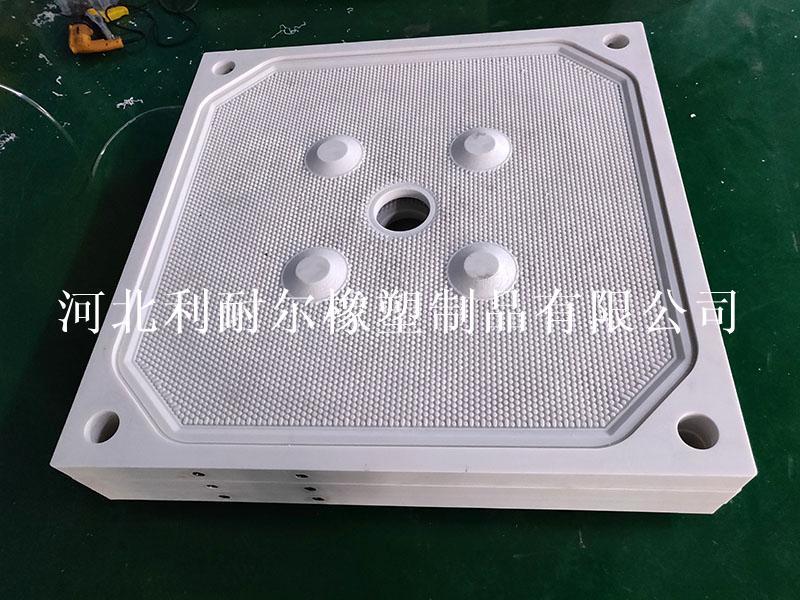
Diaphragm plates are components utilized in chemical processing systems to isolate different media while allowing for the transmission of pressure or force. They are typically made from flexible materials that can deform under pressure, which enables them to act as a seal or barrier between compartments. This functionality is vital in preventing cross-contamination and ensuring the integrity of chemical reactions.
The Design of Diaphragm Plates
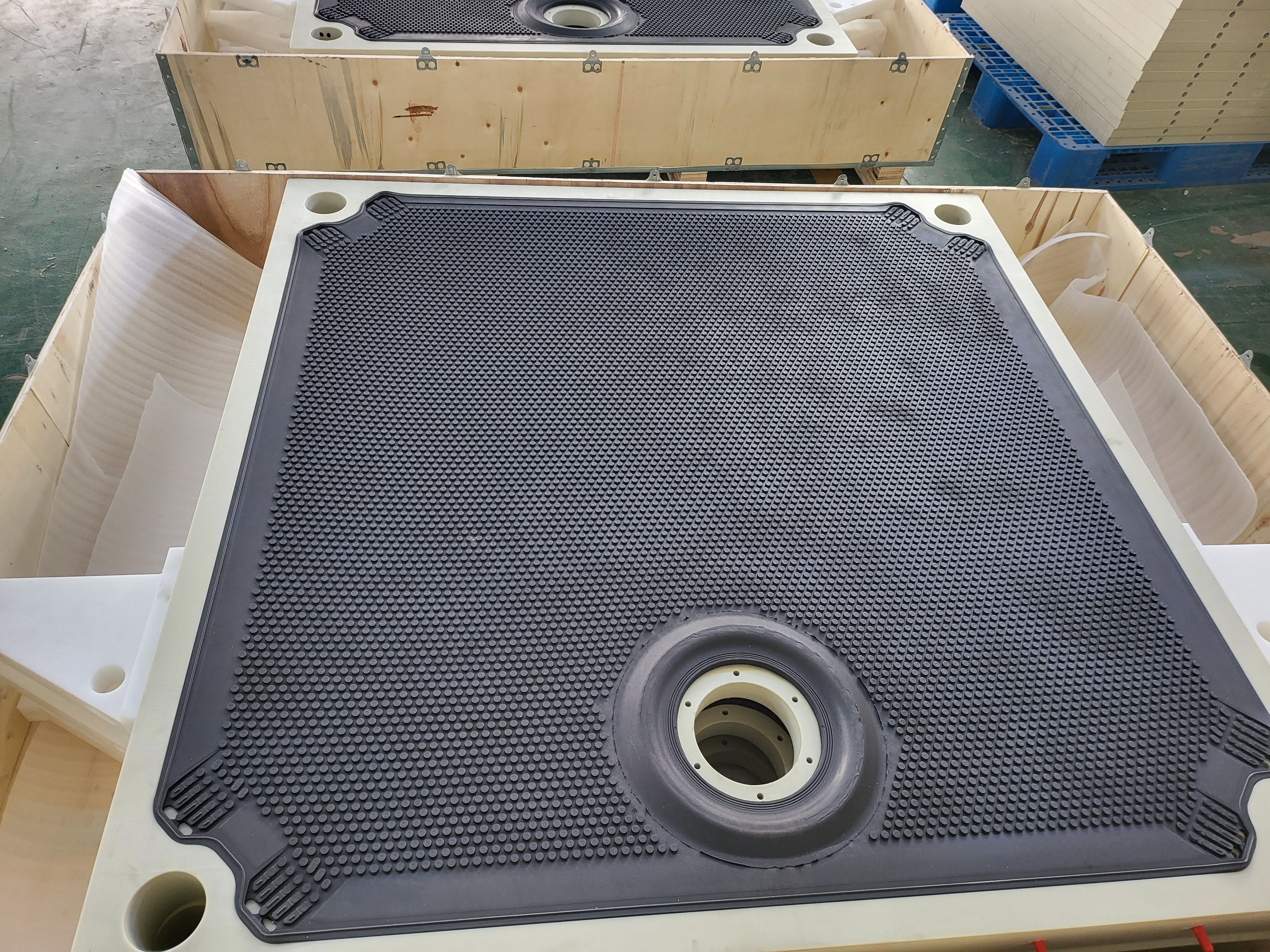
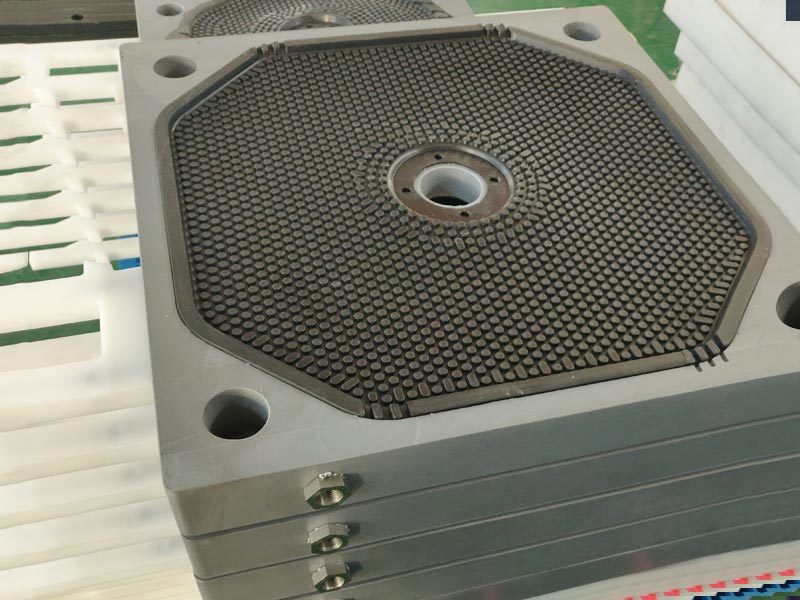
The design of diaphragm plates can vary significantly based on their application. Typically, they feature a dome shape that allows for effective pressure distribution when subjected to forces. The material properties, thickness, and diameter are customized according to the specific requirements of each chemical process.
3. Importance of Diaphragm Plates in Chemical Applications
The significance of diaphragm plates in chemical engineering cannot be overstated. They serve multiple purposes that contribute to the overall efficiency and safety of chemical processes.
Pressure Management
One of the primary functions of diaphragm plates is to manage pressure within chemical systems. They help maintain optimal pressure levels, which is critical for ensuring that reactions occur as intended.
Preventing Contamination
Diaphragm plates effectively prevent the mixing of incompatible chemicals, which could lead to hazardous reactions. By providing a barrier, they ensure the purity of reactants and products.
Enhancing Safety
In chemical applications, safety is paramount. Diaphragm plates provide a reliable mechanism to contain hazardous materials, reducing the risk of leaks and spills that could endanger personnel and the environment.
4. Materials Used for Diaphragm Plates
The selection of materials for diaphragm plates is critical, as they must withstand various chemical substances and environmental conditions.
Common Materials
Diaphragm plates are often constructed from materials such as:
- **Elastomers**: These flexible materials are ideal for providing a good seal and can endure a range of temperatures and pressures.
- **Metals**: Stainless steel and other alloys are used for their durability and resistance to corrosion, particularly in high-pressure applications.
- **Plastics**: Certain plastics can offer chemical resistance and flexibility, making them suitable for less demanding applications.
Choosing the Right Material
When selecting a material, it is essential to consider factors such as chemical compatibility, temperature tolerance, and mechanical strength. This ensures that the diaphragm plate will perform effectively under the specific conditions of the chemical process.
5. Manufacturing Process of Diaphragm Plates
The manufacturing of diaphragm plates involves several steps to ensure the final product meets the required specifications.
Design and Prototyping
The first step in the manufacturing process is the design and prototyping of the diaphragm plate. This phase includes determining dimensions, material selection, and developing prototypes for testing.
Material Processing
Once the design is finalized, the selected materials undergo processing, which may involve cutting, molding, or forming to create the diaphragm plate's shape. Quality control checks are essential during this phase to ensure the materials meet industry standards.
Assembly and Testing
After the diaphragm plates are formed, they are assembled and subjected to rigorous testing. This testing ensures that they can withstand the pressures and chemical exposures they will encounter in actual applications.
6. Performance Characteristics of Diaphragm Plates
Understanding the performance characteristics of diaphragm plates is essential for evaluating their effectiveness in chemical applications.
Durability
Durability is a key performance characteristic. Diaphragm plates must withstand repeated cycles of pressure and exposure to harsh chemicals without degrading.
Flexibility
Flexibility allows diaphragm plates to adapt to varying pressure levels. This characteristic is crucial for maintaining a proper seal and ensuring efficient operation.
Chemical Resistance
The ability to resist chemical reactions is vital. Diaphragm plates must be made from materials that do not react with the substances they are in contact with to prevent contamination and maintain safety.
7. Maintenance Tips for Diaphragm Plates
Proper maintenance of diaphragm plates is essential for ensuring their longevity and effectiveness.
Regular Inspections
Routine inspections can help identify signs of wear or damage early. Look for cracks, discoloration, or any signs that the plate may be compromised.
Cleaning Protocols
Establishing cleaning protocols helps maintain the integrity of diaphragm plates. Use appropriate cleaning agents that do not react with the materials of the diaphragm plate.
Replacement Guidelines
Knowing when to replace diaphragm plates is crucial. If a plate shows signs of fatigue or has been in service for a prolonged period, it is advisable to replace it to maintain operational safety.
8. Common Issues and Solutions
Even with proper maintenance, diaphragm plates can face certain common issues.
Premature Wear
Premature wear can occur due to excessive pressure or chemical exposure. Regularly monitor operating conditions and adjust as necessary to prevent damage.
Sealing Failures
Sealing failures can lead to leaks. If a diaphragm plate fails to seal properly, check for debris or damage and replace the plate if needed.
Material Degradation
Material degradation over time can compromise a diaphragm plate’s functionality. Ensure that the selected material is appropriate for the chemicals involved and replace as necessary.
9. Conclusion
Diaphragm plates are indispensable components in the chemical industry, providing essential functions such as pressure management, contamination prevention, and enhanced safety. Understanding their design, materials, and maintenance can significantly improve the efficiency and reliability of chemical processes. By investing in quality diaphragm plates and adhering to proper maintenance protocols, chemical manufacturers can optimize their systems and ensure sustainable operations.
10. Frequently Asked Questions
What are diaphragm plates primarily used for in chemical applications?
Diaphragm plates are used primarily for isolating different media, managing pressure, and preventing contamination in chemical processing systems.
How do I choose the right diaphragm plate for my application?
Selecting the right diaphragm plate involves considering factors such as chemical compatibility, pressure requirements, and the physical attributes of the materials.
What materials are best for diaphragm plates?
Common materials include elastomers, metals like stainless steel, and certain plastics. The choice depends on the specific application and chemical exposure.
What maintenance is required for diaphragm plates?
Regular inspections, cleaning, and timely replacement of worn or damaged plates are necessary to ensure optimal performance.
Can diaphragm plates be reused?
While diaphragm plates can sometimes be reused, it is essential to assess their condition and ensure they still meet operational standards before reinstallation.
Related News