
-
AboutHebei Linaier Rubber Products Co., Ltd. is located in Duqiao Industrial Zone, Jingxian City, Hebei Province, adjacent to Dezhou, Shandong. Founded in early 2001 with a registered capital of 35 million yuan, it is a scientific

-
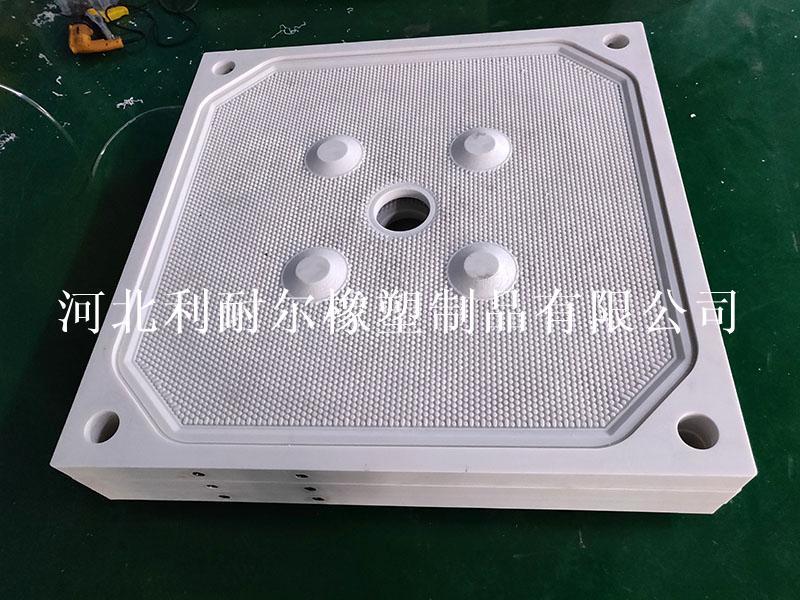
ProductMain products: vertical and horizontal imported and domestic filter plates, diaphragm plates, diaphragms and accessories; pinch valve sleeves and pinch valves and various mining accessories.
-
NewsIn 2013, our company's high-pressure cylinder with phenolic cloth support and guide ring obtained the national key new product certificate, project number: 2013GRA20011; its products in coal cylinders and engineering hydrauli
-
ServiceWe will actively cooperate with more enthusiasm, strengthen internal management, expand the market externally, improve various performance indicators of existing products, and truly achieve our win-win situation!
-
RecruitmentOur company always adheres to the talent concept of "people-oriented", provides a growth platform for talents, and realizes the common growth and development of enterprises and talents.


language
English
العربية
বাংলাদেশ
Български
Hrvatski
Česky
Dansk
Nederland
 Esperanto
Slovenski
Filipino
Suomi
Français
Maori
 Shqiptare
Georgian
 Euskara
Deutsch
Ελλάδα
ישראל
इंडिया
Magyarország
Ísland
Indonesia
Irlanda
Italia
日本語
Sovensko
Հայաստան
한국
Kyrgyz
ປະເທດລາວ
 Zulu
Zulu
Latvian
Lithuanian
Luxembourgish
 Latinus
Macedonian
Малайская
Maltese
Монгол улс
 Cymraeg
ဗမာ
 தமிழ்
தமிழ்
नेपाल
Norge
ایران
Polska
Portugal
România
Российская
Србија
 Slovak
Србија
 Slovak
Bosanski
Slovenian
Беларус
España
Sverige
Точик
ประเทศไทย
Türk
Azərbaycan
Uzbek
 Afrikaans
Việt Nam

Enhance the Efficiency of Your Filter Press with Cylinder Seals: A Comprehensive Guide
Release time:
2025-06-22
Enhance the Efficiency of Your Filter Press with Cylinder Seals In the realm of industrial filtration, the **filter press** stands as a pivotal piece of equipment, crucial for separating solids from liquids. While numerous factors contribute to the operational efficacy of a filter press, one component often overlooked is the **cylinder seal**. This article delves into how cylinder seals can signif
Enhance the Efficiency of Your Filter Press with Cylinder Seals
In the realm of industrial filtration, the **filter press** stands as a pivotal piece of equipment, crucial for separating solids from liquids. While numerous factors contribute to the operational efficacy of a filter press, one component often overlooked is the **cylinder seal**. This article delves into how cylinder seals can significantly enhance the efficiency of filter presses, providing insights that not only inform but also empower industries to optimize their filtration processes.
Table of Contents
1. Understanding the Role of Cylinder Seals in Filter Press Operations
2. Types of Cylinder Seals Used in Filter Presses
3. Key Benefits of High-Quality Cylinder Seals
4. Factors Affecting Cylinder Seal Performance
4.1 Material Composition
4.2 Maintenance and Care
5. How to Choose the Right Cylinder Seal for Your Filter Press
6. Installation Best Practices for Cylinder Seals
7. Troubleshooting Common Issues with Cylinder Seals
8. Frequently Asked Questions (FAQs)
9. Conclusion
1. Understanding the Role of Cylinder Seals in Filter Press Operations
Cylinder seals serve as a barrier between the filter plates and the hydraulic system of the filter press. They ensure a tight seal, preventing leaks during the filtration process. This sealing capability is essential for maximizing the efficiency of the filter press by ensuring that the pressure applied during the filtration cycle is maintained, thus enhancing the overall throughput and reducing the energy required for operation.
2. Types of Cylinder Seals Used in Filter Presses
There are several types of cylinder seals utilized in filter presses, each designed to cater to specific operational requirements:
2.1 O-Ring Seals
O-ring seals are popular due to their versatility and compatibility with various fluids. They provide a reliable sealing solution for a range of pressures.
2.2 U-Cup Seals
These seals are designed to handle higher pressure applications. U-cup seals offer excellent sealing performance and are resistant to wear, making them ideal for heavy-duty operations.
2.3 V-Ring Seals
V-ring seals are particularly effective for dynamic applications where there is a need for constant movement. They adapt well to changes in pressure and temperature.
3. Key Benefits of High-Quality Cylinder Seals
Using high-quality cylinder seals contributes to several advantages that enhance the efficiency of filter presses:
3.1 Improved Filtration Efficiency
High-quality seals maintain a consistent pressure during the filtration process, ensuring that the materials are filtered efficiently. This leads to better clarity of the filtrate and reduced retention times.
3.2 Longer Equipment Lifespan
Durable seals reduce wear and tear on the filter press components. By minimizing leaks and protecting against contamination, businesses can extend the overall lifespan of their equipment.
3.3 Reduced Operational Costs
Efficient filtration means less energy consumption and fewer resources spent on maintenance and replacement parts. High-quality cylinder seals can significantly lower operational costs.
4. Factors Affecting Cylinder Seal Performance
Various factors can influence the performance of cylinder seals, and understanding these can help optimize their use:
4.1 Material Composition
The material from which a cylinder seal is made plays a crucial role in its effectiveness. Common materials include rubber, polyurethane, and PTFE, each offering different levels of resistance to chemicals, temperature, and wear.
4.2 Maintenance and Care
Regular maintenance is essential for ensuring that cylinder seals perform optimally. This includes routine inspections and timely replacements to prevent wear-related failures.
5. How to Choose the Right Cylinder Seal for Your Filter Press
Selecting the appropriate cylinder seal involves several considerations:
5.1 Assessing Compatibility
Evaluate the compatibility of the seal material with the fluids used in your filtration process. This will help prevent degradation and ensure the longevity of the seal.
5.2 Understanding Pressure Requirements
Consider the pressure levels that your filter press operates under. Choosing seals rated for higher pressures can enhance performance and reduce the risk of seal failure.
6. Installation Best Practices for Cylinder Seals
Proper installation of cylinder seals is critical for their performance. Here are some best practices:
6.1 Clean the Installation Area
Before installing a new seal, ensure that the sealing surface is clean and free from debris. This will help create an effective seal and prevent leaks.
6.2 Avoid Over-Tightening
When securing the seal, it is essential not to over-tighten as this can lead to deformation and premature failure.
7. Troubleshooting Common Issues with Cylinder Seals
Sometimes, issues arise with cylinder seals that can hinder filter press performance. Here are some common problems and their solutions:
7.1 Leakage
If you notice leaks, first check for wear and replace the seal if necessary. Additionally, ensure that the seals are installed correctly and that the installation surface is clean.
7.2 Reduced Pressure
This may indicate a deteriorated seal or incorrect installation. Inspect the seals, and if needed, replace them to regain optimal pressure levels.
8. Frequently Asked Questions (FAQs)
8.1 What is the typical lifespan of a cylinder seal?
The lifespan of a cylinder seal varies based on material and operational conditions but generally ranges from several months to a few years with proper care.
8.2 How do I know when to replace my cylinder seals?
Signs that indicate the need for replacement include visible wear, leakage, and reduced performance.
8.3 Can I use different types of seals on the same filter press?
It is not advisable to mix seal types, as this can lead to mismatched performance and potential failures.
8.4 What maintenance is required for cylinder seals?
Regular inspections, cleaning, and timely replacements are essential for maintaining seal performance.
8.5 Where can I purchase high-quality cylinder seals?
High-quality cylinder seals can be found through specialized industrial suppliers, many of whom offer a range of options tailored to specific applications.
9. Conclusion
Optimizing the efficiency of your filter press requires a thorough understanding of the components involved, particularly cylinder seals. Investing in high-quality seals, adhering to best practices for selection and installation, and maintaining regular upkeep can significantly enhance the performance and lifespan of your filter press. By taking these steps, industrial operations can ensure they maximize efficiency, reduce costs, and achieve better filtration results. Understanding the role of cylinder seals is not just about improving machinery performance; it's about elevating the entire operational workflow.
Related News