
-
AboutHebei Linaier Rubber Products Co., Ltd. is located in Duqiao Industrial Zone, Jingxian City, Hebei Province, adjacent to Dezhou, Shandong. Founded in early 2001 with a registered capital of 35 million yuan, it is a scientific

-
ProductMain products: vertical and horizontal imported and domestic filter plates, diaphragm plates, diaphragms and accessories; pinch valve sleeves and pinch valves and various mining accessories.
-
NewsIn 2013, our company's high-pressure cylinder with phenolic cloth support and guide ring obtained the national key new product certificate, project number: 2013GRA20011; its products in coal cylinders and engineering hydrauli
-
ServiceWe will actively cooperate with more enthusiasm, strengthen internal management, expand the market externally, improve various performance indicators of existing products, and truly achieve our win-win situation!
-
RecruitmentOur company always adheres to the talent concept of "people-oriented", provides a growth platform for talents, and realizes the common growth and development of enterprises and talents.


 Esperanto
 Shqiptare
 Euskara
 Zulu
Zulu
 Latinus
 Cymraeg
 தமிழ்
தமிழ்
 Slovak
 Slovak
 Afrikaans

Critical Factors in Selecting a Filter Press Diaphragm for Your Application
Release time:
2025-11-20
Critical Factors in Selecting a Filter Press Diaphragm for Your Application Selecting the right **filter press diaphragm** for your specific application is a crucial decision that can significantly impact your operational efficiency and overall output. This article explores the vital factors to consider when making your selection, ensuring you choose a diaphragm that meets both your technical requ
Critical Factors in Selecting a Filter Press Diaphragm for Your Application
Selecting the right **filter press diaphragm** for your specific application is a crucial decision that can significantly impact your operational efficiency and overall output. This article explores the vital factors to consider when making your selection, ensuring you choose a diaphragm that meets both your technical requirements and budget constraints. With a closer look at materials, operational conditions, maintenance needs, and more, we aim to provide you with the most comprehensive insights available.
Table of Contents
- Understanding Filter Press Diaphragms
- Importance of Material Selection
- Evaluating Operational Conditions
- Maintenance and Longevity Considerations
- Cost-Efficiency of Filter Press Diaphragms
- Certifications and Industry Standards
- Innovative Features to Look For
- Common Mistakes in Selecting a Diaphragm
- Frequently Asked Questions
Understanding Filter Press Diaphragms
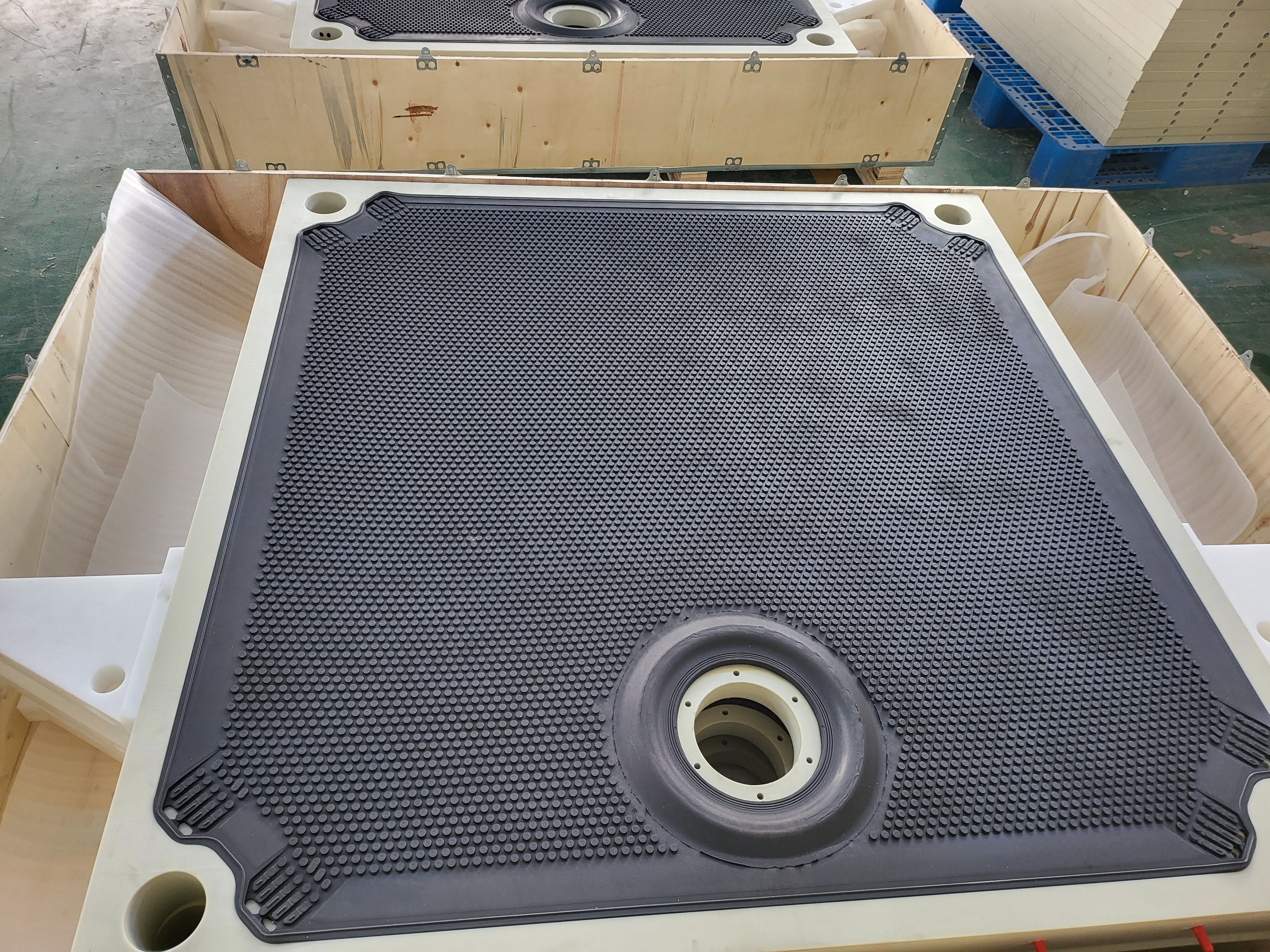
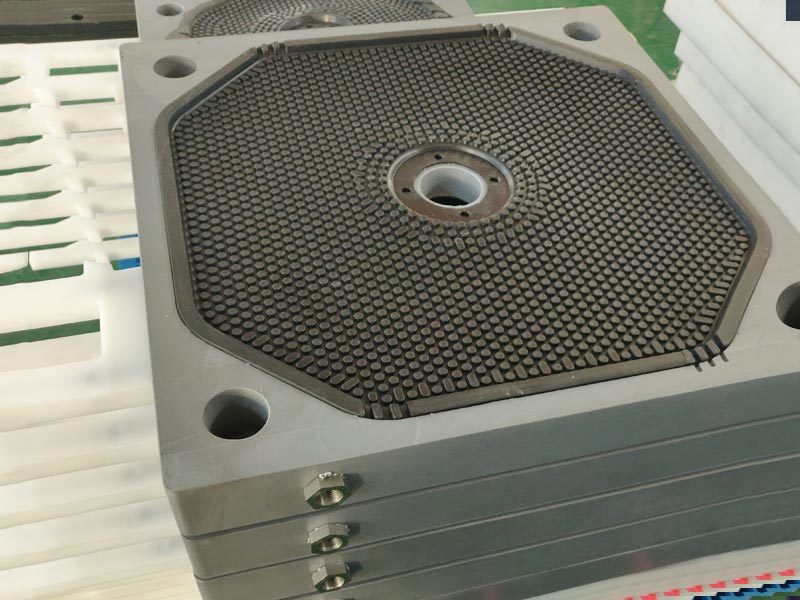
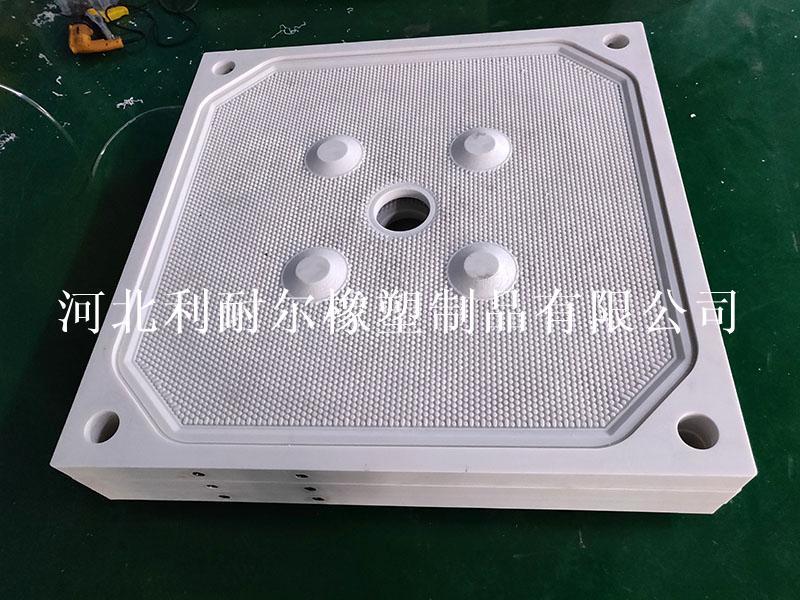
A **filter press diaphragm** is an essential component in the filtration process, primarily used in industrial applications such as chemical processing, wastewater treatment, and food production. Its primary role is to facilitate the separation of solids from liquids, enabling efficient filtration. The diaphragm's ability to provide reliable performance under varying pressures and chemical conditions is vital for ensuring optimal operation of the filter press.
Importance of Material Selection
When it comes to filter press diaphragms, material selection is one of the most critical factors affecting performance and longevity. The choice of material can influence not only the diaphragm's durability but also its resistance to chemicals, temperature fluctuations, and mechanical stress.
Types of Materials Used in Filter Press Diaphragms
1. **Rubber**: Known for its flexibility and resilience, rubber diaphragms are suitable for handling a wide range of chemicals. However, they may not withstand high temperatures.
2. **Polypropylene**: This thermoplastic polymer offers excellent chemical resistance and is lightweight, making it a popular choice in various applications.
3. **PTFE (Polytetrafluoroethylene)**: Renowned for its exceptional chemical resistance and high-temperature stability, PTFE diaphragms are ideal for aggressive chemicals but may be more expensive.
4. **Nitrile**: Commonly used for applications involving oils and hydrocarbons, nitrile offers good wear resistance but may not be suitable for all chemical environments.
Assessing Compatibility with Chemicals
Before selecting a diaphragm material, it’s essential to assess its compatibility with the chemicals it will encounter. Conduct thorough research or consult with manufacturers to ensure the diaphragm can withstand the specific chemical properties without degrading or losing functionality.
Evaluating Operational Conditions
Understanding the operational conditions of your filtration system is crucial in selecting the right filter press diaphragm. Key factors include:
Pressure and Temperature Requirements
Diaphragms must be capable of handling the pressure and temperature extremes of your specific application. Examine the operational pressures and temperatures to ensure that the selected diaphragm material can sustain its integrity without failure.
Filtration Cycle Time
The length of the filtration cycle can influence the choice of diaphragm. Shorter cycles may require more robust materials to withstand repeated stress, while longer cycles may allow for more flexible options.
Maintenance and Longevity Considerations
An often-overlooked aspect of diaphragm selection is maintenance and longevity. Choosing a diaphragm that requires minimal maintenance not only saves time and resources but also extends the lifespan of the filter press.
Ease of Replacement
Consider how easy it is to replace the diaphragm when needed. A design that allows for quick and straightforward replacement can minimize downtime and keep your operations running smoothly.
Wear and Tear Resistance
Diaphragms experience wear and tear over time due to repeated cycles. Selecting a diaphragm with high wear resistance can reduce maintenance frequency and prolong operational life.
Cost-Efficiency of Filter Press Diaphragms
While it’s essential to find a diaphragm that fits your budget, it’s equally important to consider the long-term cost implications. Cheaper options may save money upfront but could result in higher maintenance and replacement costs down the line.
Initial Costs vs. Long-Term Savings
Investing in high-quality diaphragms may involve higher initial costs, but the long-term savings in maintenance and increased efficiency can justify the expenditure. Analyze the total cost of ownership before making your decision.
Certifications and Industry Standards
In industries like chemical processing and wastewater treatment, adhering to specific certifications and standards is crucial. Ensure the selected diaphragm meets industry requirements to avoid compliance issues.
ISO Standards
Look for diaphragms that comply with ISO standards, demonstrating a commitment to quality and consistent manufacturing practices.
FDA Compliance
For applications in food processing or pharmaceuticals, ensure that the diaphragm materials are FDA compliant, guaranteeing safety for consumer health.
Innovative Features to Look For
As technology evolves, so do the features available in filter press diaphragms. Consider the following innovative attributes that can enhance performance:
Self-Cleaning Mechanisms
Some modern diaphragms come with self-cleaning capabilities, reducing the need for manual intervention and extending the diaphragm's lifespan.
Smart Technologies
Incorporating smart technology into filter press systems can facilitate real-time monitoring and control, optimizing performance and efficiency.
Common Mistakes in Selecting a Diaphragm
Avoiding common pitfalls can save time and resources in the long run. Here are a few frequent mistakes to watch out for:
Ignoring Manufacturer Recommendations
Always refer to the manufacturer's guidelines for diaphragm selection. They provide valuable insights based on the application and operational conditions.
Overlooking Future Needs
Consider not only current needs but also potential future requirements. A diaphragm that accommodates growth can save you from needing an upgrade shortly after purchase.
Frequently Asked Questions
1. What factors should I consider when choosing a diaphragm material?
**When selecting diaphragm material, consider chemical compatibility, temperature and pressure requirements, and the specific operational conditions of your application.**
2. How can I determine the lifespan of a filter press diaphragm?
**The lifespan of a diaphragm often depends on its material, operational conditions, and maintenance practices. Regular inspections and adherence to recommended maintenance schedules can enhance longevity.**
3. Are there any specific certifications I should look for in a diaphragm?
**Yes, look for ISO and FDA certifications, especially if your application involves food processing or pharmaceuticals, to ensure compliance with safety and quality standards.**
4. What is the role of a diaphragm in a filter press?
**The diaphragm plays a vital role in the filtration process by facilitating the separation of solids from liquids, ensuring efficient and reliable operation of the filter press.**
5. How do I maintain my filter press diaphragm?
**Regular inspections, cleaning, and timely replacements are critical for maintaining your diaphragm. Always refer to the manufacturer's guidelines for specific maintenance practices.**
Conclusion
In conclusion, selecting the right **filter press diaphragm** is a multifaceted process that requires careful consideration of various factors such as material, operational conditions, maintenance needs, and cost-efficiency. By understanding these critical components, you can make an informed decision that aligns with your application's requirements, ensuring optimal performance and longevity. Taking the time to assess these factors will not only enhance your filtration process but also contribute to overall operational efficiency.
Related News