
-
AboutHebei Linaier Rubber Products Co., Ltd. is located in Duqiao Industrial Zone, Jingxian City, Hebei Province, adjacent to Dezhou, Shandong. Founded in early 2001 with a registered capital of 35 million yuan, it is a scientific

-
ProductMain products: vertical and horizontal imported and domestic filter plates, diaphragm plates, diaphragms and accessories; pinch valve sleeves and pinch valves and various mining accessories.
-
NewsIn 2013, our company's high-pressure cylinder with phenolic cloth support and guide ring obtained the national key new product certificate, project number: 2013GRA20011; its products in coal cylinders and engineering hydrauli
-
ServiceWe will actively cooperate with more enthusiasm, strengthen internal management, expand the market externally, improve various performance indicators of existing products, and truly achieve our win-win situation!
-
RecruitmentOur company always adheres to the talent concept of "people-oriented", provides a growth platform for talents, and realizes the common growth and development of enterprises and talents.


language
English
العربية
বাংলাদেশ
Български
Hrvatski
Česky
Dansk
Nederland
 Esperanto
Slovenski
Filipino
Suomi
Français
Maori
 Shqiptare
Georgian
 Euskara
Deutsch
Ελλάδα
ישראל
इंडिया
Magyarország
Ísland
Indonesia
Irlanda
Italia
日本語
Sovensko
Հայաստան
한국
Kyrgyz
ປະເທດລາວ
 Zulu
Zulu
Latvian
Lithuanian
Luxembourgish
 Latinus
Macedonian
Малайская
Maltese
Монгол улс
 Cymraeg
ဗမာ
 தமிழ்
தமிழ்
नेपाल
Norge
ایران
Polska
Portugal
România
Российская
Србија
 Slovak
Србија
 Slovak
Bosanski
Slovenian
Беларус
España
Sverige
Точик
ประเทศไทย
Türk
Azərbaycan
Uzbek
 Afrikaans
Việt Nam

The Connection Between 800 Diaphragm Plates and Regulatory Compliance
Release time:
2025-12-10
The Connection Between 800 Diaphragm Plates and Regulatory Compliance Table of Contents 1. Introduction to 800 Diaphragm Plates 2. Understanding Regulatory Compliance in Industry 3. Importance of 800 Diaphragm Plates in Compliance 4. Design and Materials of 800 Diaphragm Plates 5. Applications of 800 Diaphragm Plates Across Various Industries 6. Key Compliance Standards fo
The Connection Between 800 Diaphragm Plates and Regulatory Compliance
Table of Contents
- 1. Introduction to 800 Diaphragm Plates
- 2. Understanding Regulatory Compliance in Industry
- 3. Importance of 800 Diaphragm Plates in Compliance
- 4. Design and Materials of 800 Diaphragm Plates
- 5. Applications of 800 Diaphragm Plates Across Various Industries
- 6. Key Compliance Standards for Diaphragm Plates
- 7. Challenges in Achieving Compliance and Their Solutions
- 8. Future Trends in Diaphragm Plate Manufacturing and Compliance
- 9. FAQs About 800 Diaphragm Plates and Compliance
- 10. Conclusion
1. Introduction to 800 Diaphragm Plates
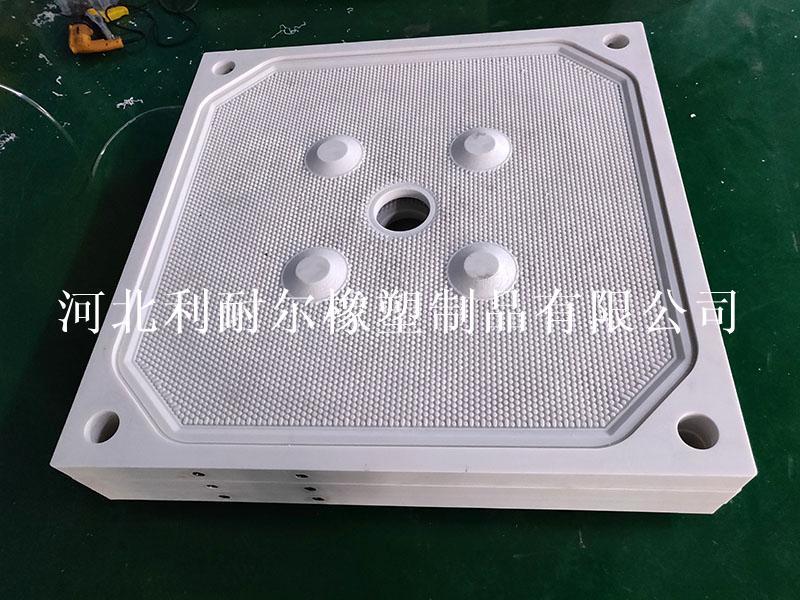
The **800 diaphragm plate** is a critical component in various industrial applications, designed to control fluid flow and pressure. These plates are particularly valued for their durability and efficiency, making them a popular choice in sectors such as chemical processing, pharmaceuticals, and food production. As industries become more regulated, understanding the connection between these plates and **regulatory compliance** is essential.
2. Understanding Regulatory Compliance in Industry
Regulatory compliance refers to the adherence to laws, regulations, guidelines, and specifications relevant to business processes. In the industrial sector, compliance ensures safety, quality, and environmental protection. Regulatory bodies, including OSHA, EPA, and ISO, set standards that firms must meet to operate legally and safely. Understanding these regulations helps businesses maintain operational integrity and avoid costly penalties.
3. Importance of 800 Diaphragm Plates in Compliance
The **importance of 800 diaphragm plates** in meeting regulatory compliance cannot be overstated. These components help ensure that systems operate within the prescribed limits for pressure and flow, which is essential for safety and efficiency. By maintaining these standards, companies can not only comply with regulations but also enhance their operational performance and reliability.
4. Design and Materials of 800 Diaphragm Plates
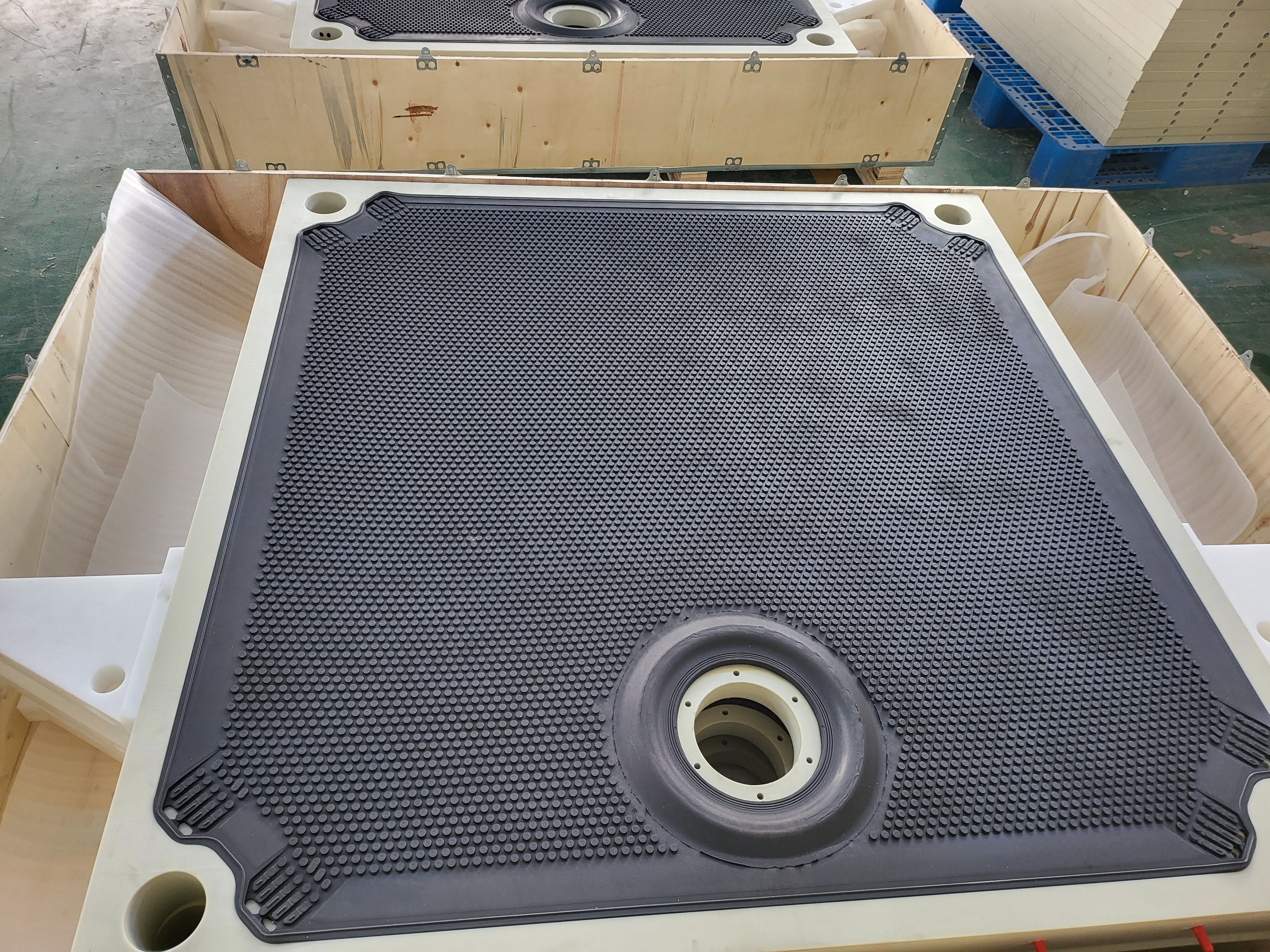
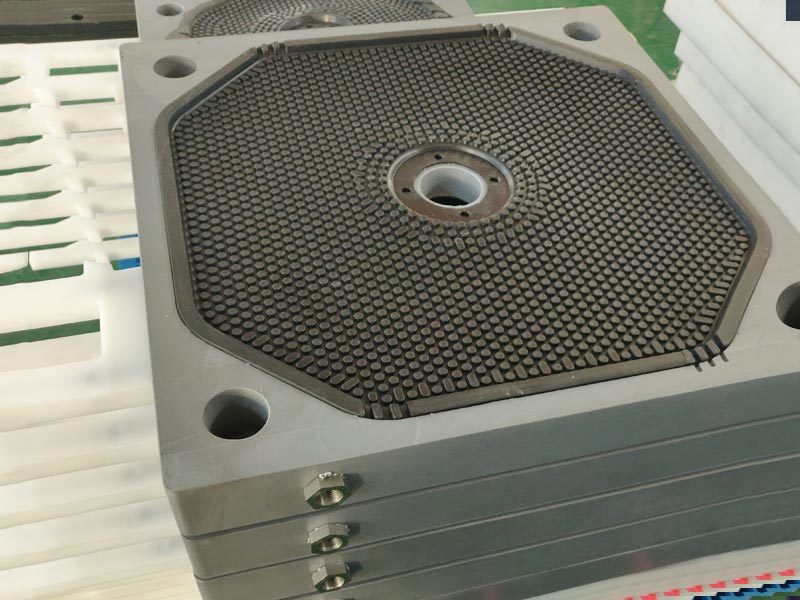
The design of **800 diaphragm plates** is crucial to their performance and compliance. Typically made from high-quality materials such as stainless steel, PTFE, and rubber, these plates are engineered to withstand harsh conditions.
4.1 Key Design Features
Key design features include:
- **Thickness and Size:** The 800 designation often refers to specific dimensions and thicknesses, ensuring the plate can handle required loads.
- **Sealing Mechanisms:** Effective seals prevent leaks and ensure compliance with environmental regulations.
- **Surface Treatments:** Special treatments can enhance corrosion resistance, extending the life of the diaphragm plates.
4.2 Material Selection and Its Impact on Compliance
Choosing the right materials is vital for compliance. For example, FDA-approved materials are necessary for food and pharmaceutical applications. Understanding material properties, such as temperature resistance and chemical compatibility, is essential for maintaining compliance across various industries.
5. Applications of 800 Diaphragm Plates Across Various Industries
**800 diaphragm plates** are utilized in a wide range of industries due to their versatility and reliability.
5.1 Chemical Processing
In chemical processing, diaphragm plates control the flow of corrosive substances, ensuring safety and compliance with strict environmental regulations.
5.2 Pharmaceutical Manufacturing
The pharmaceutical industry relies on these plates for sterile processing, where compliance with FDA and GMP guidelines is critical.
5.3 Food and Beverage Industry
In the food sector, diaphragm plates must meet stringent food safety regulations, making compliance crucial for product quality and consumer safety.
6. Key Compliance Standards for Diaphragm Plates
Several standards govern the use of **800 diaphragm plates** in various applications:
6.1 ISO Standards
ISO 9001 sets quality management system requirements that apply to manufacturers of diaphragm plates, ensuring consistent quality and safety.
6.2 FDA Regulations
In the United States, the FDA regulates materials used in food and pharmaceutical processing to ensure they are safe and effective.
6.3 ASME B16.5 Standards
The ASME B16.5 standard outlines requirements for pressure-retaining components, critical for ensuring diaphragm plates can withstand high-pressure conditions.
7. Challenges in Achieving Compliance and Their Solutions
Meeting regulatory compliance with **800 diaphragm plates** presents several challenges:
7.1 Material Limitations
Certain industries may face restrictions on using specific materials. It is essential to stay updated with changes in compliance regulations to avoid non-compliance.
7.2 Testing and Certification
Obtaining the necessary certifications for diaphragm plates can be a lengthy process. Partnering with certified testing labs can streamline this process.
7.3 Keeping Up with Evolving Regulations
Regulations can change frequently, making it challenging for companies to stay compliant. Regular training and updates can help organizations maintain compliance.
8. Future Trends in Diaphragm Plate Manufacturing and Compliance
The future of **800 diaphragm plates** will likely see innovations aimed at improving compliance:
8.1 Sustainable Materials
With rising environmental concerns, the use of sustainable and recyclable materials is becoming more prevalent, aligning with regulatory focuses on sustainability.
8.2 Advanced Manufacturing Techniques
Additive manufacturing and automation are expected to enhance production efficiency while ensuring compliance with quality standards.
8.3 Digital Compliance Management
The advent of digital tools will enable manufacturers to track compliance in real-time, making it easier to adapt to changing regulations.
9. FAQs About 800 Diaphragm Plates and Compliance
9.1 What are 800 diaphragm plates used for?
800 diaphragm plates are primarily used in industrial applications to control the flow and pressure of fluids in various systems.
9.2 How do diaphragm plates ensure regulatory compliance?
They help maintain operational parameters within safety limits, which is crucial for adhering to industry regulations.
9.3 What materials are commonly used for diaphragm plates?
Common materials include stainless steel, PTFE, and high-quality rubber, chosen based on the application's specific requirements.
9.4 How can companies stay updated on compliance regulations?
Participating in industry forums, subscribing to regulatory newsletters, and consulting with compliance experts can help companies stay informed.
9.5 Are there any certifications needed for diaphragm plates?
Yes, depending on the industry, certifications such as ISO, FDA, and ASME B16.5 may be required to ensure compliance.
10. Conclusion
The connection between **800 diaphragm plates** and regulatory compliance is a vital aspect of industrial operations. These components play an essential role in ensuring safety, efficiency, and adherence to various regulations. By understanding their design, applications, and the compliance standards they must meet, organizations can improve their operational integrity and reduce the risk of non-compliance penalties. As industries evolve, staying informed about trends and challenges will be crucial for maintaining compliance and ensuring long-term success.
Related News