
-
AboutHebei Linaier Rubber Products Co., Ltd. is located in Duqiao Industrial Zone, Jingxian City, Hebei Province, adjacent to Dezhou, Shandong. Founded in early 2001 with a registered capital of 35 million yuan, it is a scientific

-
ProductMain products: vertical and horizontal imported and domestic filter plates, diaphragm plates, diaphragms and accessories; pinch valve sleeves and pinch valves and various mining accessories.
-
NewsIn 2013, our company's high-pressure cylinder with phenolic cloth support and guide ring obtained the national key new product certificate, project number: 2013GRA20011; its products in coal cylinders and engineering hydrauli
-
ServiceWe will actively cooperate with more enthusiasm, strengthen internal management, expand the market externally, improve various performance indicators of existing products, and truly achieve our win-win situation!
-
RecruitmentOur company always adheres to the talent concept of "people-oriented", provides a growth platform for talents, and realizes the common growth and development of enterprises and talents.


 Esperanto
 Shqiptare
 Euskara
 Zulu
Zulu
 Latinus
 Cymraeg
 தமிழ்
தமிழ்
 Slovak
 Slovak
 Afrikaans

Understanding Filter Press Plates: Key Components for Efficient Chemical Processing
Release time:
2025-11-15
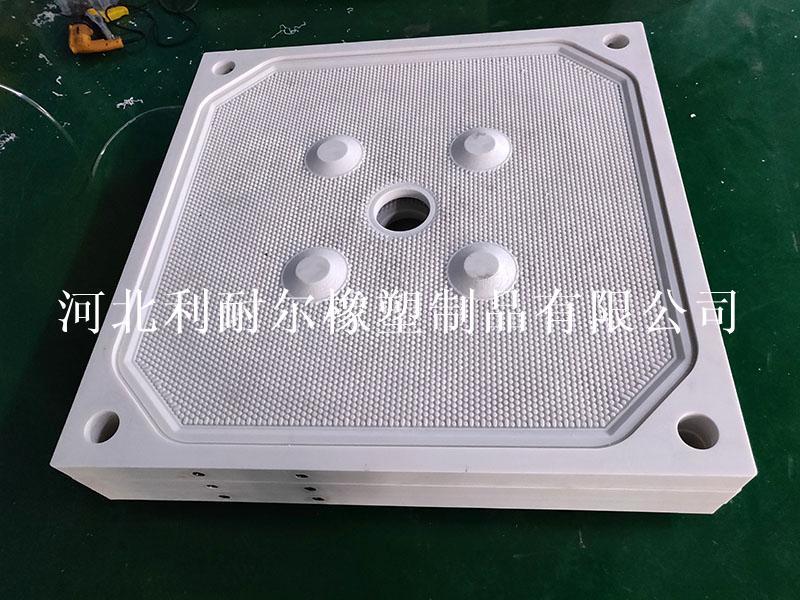
Filter press plates are integral components in various industrial filtration processes, particularly within the chemical and plastics sectors. They are designed to separate solids from liquids, making them crucial for operations such as wastewater treatment, slurry processing, and the production of certain plastic products. Understanding the functionality, types, and maintenance of filter press pl
Filter press plates are integral components in various industrial filtration processes, particularly within the chemical and plastics sectors. They are designed to separate solids from liquids, making them crucial for operations such as wastewater treatment, slurry processing, and the production of certain plastic products. Understanding the functionality, types, and maintenance of filter press plates can significantly enhance the efficiency of these processes.
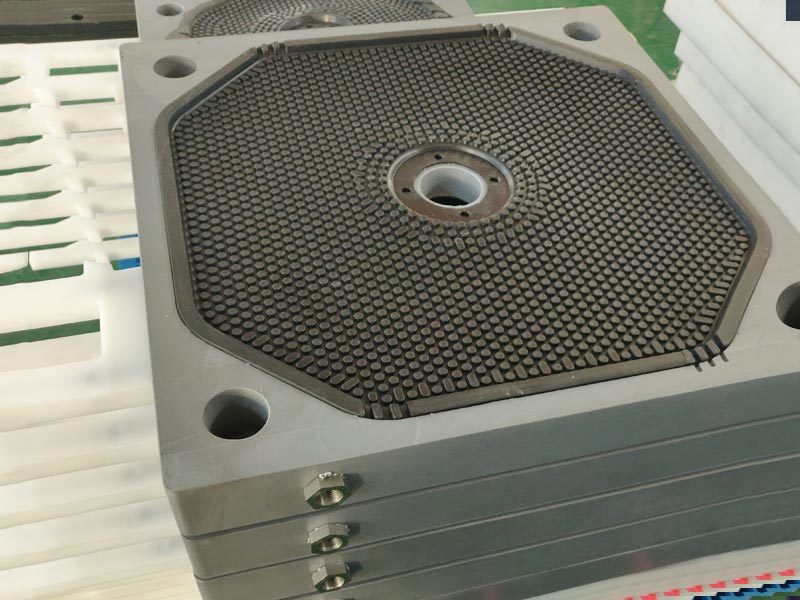
Typically, a filter press consists of a series of plates that are arranged in a frame. The plates are tightly pressed together to form chambers where the separation occurs. The liquid or slurry is pumped into these chambers under pressure, allowing solids to settle and form a cake while the liquid is expelled from the system. The effectiveness of this process largely depends on the design and material of the filter press plates.
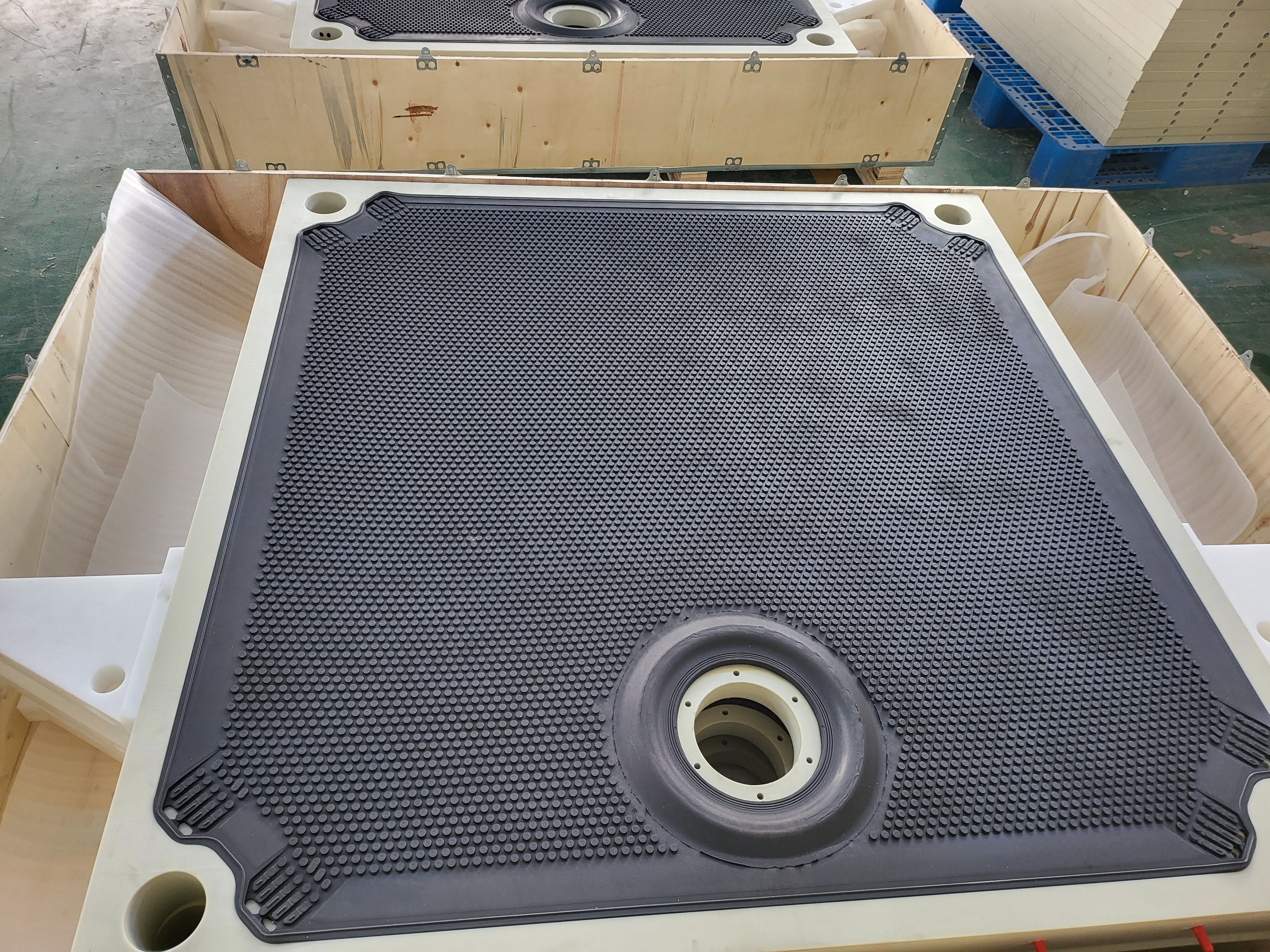
Filter press plates come in various types, each suited for specific applications. The two most common types are recessed chamber plates and membrane plates. Recessed chamber plates are designed with a cavity that allows for the collection of the solid cake, making them suitable for applications with high solid concentration. On the other hand, membrane plates are equipped with a flexible membrane that can be inflated to squeeze excess liquid from the cake, enhancing the overall filtration efficiency.
The materials used to manufacture filter press plates are of utmost importance as they directly affect their durability and compatibility with different chemicals. Common materials include polypropylene, stainless steel, and various composites. Polypropylene is favored for its chemical resistance and lightweight characteristics, while stainless steel offers high strength and durability, making it ideal for rigorous applications.
Regular maintenance of filter press plates is essential to ensure their longevity and performance. This includes routine cleaning to prevent clogging, inspection for wear and tear, and timely replacement of damaged plates. Neglecting maintenance can lead to inefficiencies, increased operational costs, and compromised product quality.
In conclusion, understanding the role of filter press plates within the chemical and plastics industry is vital for optimizing filtration processes. By selecting the appropriate type and material of filter press plates and adhering to a robust maintenance schedule, businesses can enhance their operational efficiency, reduce waste, and improve overall product quality. This knowledge empowers professionals in the field to make informed decisions that positively impact their processes.
Related News