
-
AboutHebei Linaier Rubber Products Co., Ltd. is located in Duqiao Industrial Zone, Jingxian City, Hebei Province, adjacent to Dezhou, Shandong. Founded in early 2001 with a registered capital of 35 million yuan, it is a scientific

-
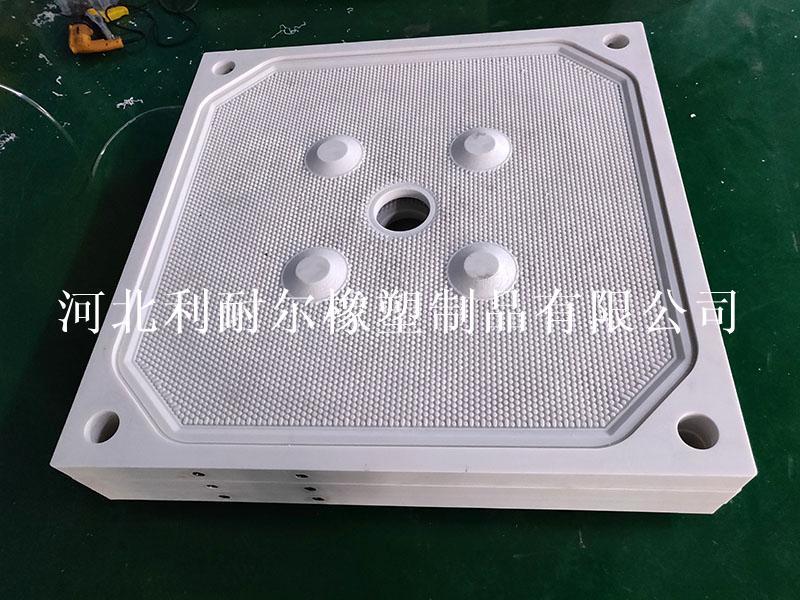
ProductMain products: vertical and horizontal imported and domestic filter plates, diaphragm plates, diaphragms and accessories; pinch valve sleeves and pinch valves and various mining accessories.
-
NewsIn 2013, our company's high-pressure cylinder with phenolic cloth support and guide ring obtained the national key new product certificate, project number: 2013GRA20011; its products in coal cylinders and engineering hydrauli
-
ServiceWe will actively cooperate with more enthusiasm, strengthen internal management, expand the market externally, improve various performance indicators of existing products, and truly achieve our win-win situation!
-
RecruitmentOur company always adheres to the talent concept of "people-oriented", provides a growth platform for talents, and realizes the common growth and development of enterprises and talents.


language
English
العربية
বাংলাদেশ
Български
Hrvatski
Česky
Dansk
Nederland
 Esperanto
Slovenski
Filipino
Suomi
Français
Maori
 Shqiptare
Georgian
 Euskara
Deutsch
Ελλάδα
ישראל
इंडिया
Magyarország
Ísland
Indonesia
Irlanda
Italia
日本語
Sovensko
Հայաստան
한국
Kyrgyz
ປະເທດລາວ
 Zulu
Zulu
Latvian
Lithuanian
Luxembourgish
 Latinus
Macedonian
Малайская
Maltese
Монгол улс
 Cymraeg
ဗမာ
 தமிழ்
தமிழ்
नेपाल
Norge
ایران
Polska
Portugal
România
Российская
Србија
 Slovak
Србија
 Slovak
Bosanski
Slovenian
Беларус
España
Sverige
Точик
ประเทศไทย
Türk
Azərbaycan
Uzbek
 Afrikaans
Việt Nam

The Advantages of Using Cloth Belts in Industrial Equipment and Components
Release time:
2025-05-08
The Advantages of Using Cloth Belts in Industrial Equipment and Components Table of Contents 1. Introduction to Cloth Belts in Industrial Applications 2. Benefits of Using Cloth Belts in Industrial Equipment 2.1 Durability and Longevity 2.2 Flexibility and Versatility 2.3 Cost-Effectiveness 2.4 Environmental Sustainability
The Advantages of Using Cloth Belts in Industrial Equipment and Components
Table of Contents
- 1. Introduction to Cloth Belts in Industrial Applications
- 2. Benefits of Using Cloth Belts in Industrial Equipment
- 2.1 Durability and Longevity
- 2.2 Flexibility and Versatility
- 2.3 Cost-Effectiveness
- 2.4 Environmental Sustainability
- 3. Applications of Cloth Belts in Various Industries
- 4. Maintenance Tips for Cloth Belts
- 5. Comparing Cloth Belts to Other Types of Belts
- 6. Case Studies: Success Stories of Cloth Belt Implementation
- 7. Frequently Asked Questions (FAQs)
- 8. Conclusion
1. Introduction to Cloth Belts in Industrial Applications
In the ever-evolving realm of industrial equipment and components, the materials we choose play a crucial role in determining efficiency, durability, and sustainability. Cloth belts, often overlooked in favor of more traditional options, have emerged as a pivotal innovation in various industrial applications. Their unique composition and design offer **distinct advantages** that can enhance operational efficacy.
2. Benefits of Using Cloth Belts in Industrial Equipment
The integration of cloth belts into industrial systems presents a wealth of benefits that can significantly improve performance and productivity. Below, we delve into some of the most notable advantages.
2.1 Durability and Longevity
One of the foremost advantages of cloth belts is their **remarkable durability**. Constructed from robust materials such as polyester or nylon, these belts are designed to withstand extreme conditions. They resist wear and tear, provide excellent tensile strength, and can operate efficiently in both low and high-temperature environments. This durability translates into a longer service life, reducing the **frequency of replacements** and associated costs.
2.2 Flexibility and Versatility
Cloth belts exhibit superior **flexibility**, making them suitable for a wide range of applications. Whether used in transporting materials, power transmission, or other industrial processes, their ability to bend and conform to various shapes is invaluable. This versatility allows for seamless integration into complex machinery and aids in enhancing the efficiency of operations.
2.3 Cost-Effectiveness
When evaluating the total cost of ownership, cloth belts stand out as a **cost-effective solution**. Their durability leads to fewer replacements, while their efficiency helps reduce energy consumption in machines. Additionally, cloth belts often require less maintenance than their metal or rubber counterparts, further lowering operational costs.
2.4 Environmental Sustainability
In today’s industrial landscape, sustainability is paramount. Cloth belts can be manufactured from recycled materials, making them an **eco-friendly choice**. Their long lifespan reduces waste, and their energy-efficient operation contributes to lower carbon footprints. Many businesses are prioritizing sustainable practices, and integrating cloth belts can be a significant step in that direction.
3. Applications of Cloth Belts in Various Industries
Cloth belts are utilized across a multitude of industries, showcasing their adaptability and effectiveness. Here are some key applications:
3.1 Manufacturing
In manufacturing settings, cloth belts are often employed in conveyor systems, facilitating the movement of goods with minimal friction. Their durability makes them ideal for heavy-duty applications.
3.2 Food and Beverage
Food processing facilities rely on cloth belts for their hygiene and easy cleaning capabilities. These belts can handle a variety of food products while adhering to health safety standards.
3.3 Textile Industry
In the textile sector, cloth belts are essential for transporting raw materials through production lines. Their flexibility allows for smooth and efficient operations.
3.4 Automotive
Automotive manufacturers use cloth belts in assembly lines, where precision and reliability are critical. The ability of cloth belts to endure high-stress applications makes them a preferred choice.
4. Maintenance Tips for Cloth Belts
To maximize the lifespan and performance of cloth belts, proper maintenance is essential. Here are some key tips:
4.1 Regular Inspection
Conduct regular inspections to identify any signs of wear or damage. Early detection can prevent more significant issues down the line.
4.2 Cleaning
Keep cloth belts clean to avoid contamination and build-up that can affect performance. Use appropriate cleaning agents suitable for the material composition.
4.3 Tension Adjustment
Ensure that the tension of the cloth belt is properly adjusted. Overly tight belts can lead to premature wear, while loose belts can slip or misalign.
5. Comparing Cloth Belts to Other Types of Belts
To better appreciate the advantages of cloth belts, it’s helpful to compare them with other types of belts commonly used in industrial applications.
5.1 Cloth Belts vs. Rubber Belts
While rubber belts offer good elasticity, they can degrade faster under extreme conditions. Cloth belts, on the other hand, provide similar elasticity while being more resistant to heat and abrasion.
5.2 Cloth Belts vs. Metal Belts
Metal belts are known for their strength but can be heavy and prone to rust. Cloth belts are lightweight, flexible, and do not corrode, making them easier to handle and maintain.
5.3 Cloth Belts vs. Chain Belts
Chain belts excel in heavy-duty applications but can be noisy and require significant maintenance. Cloth belts operate quietly and are easier to clean, making them suitable for environments where noise reduction is essential.
6. Case Studies: Success Stories of Cloth Belt Implementation
Several industries have successfully implemented cloth belts, leading to measurable improvements in their operations.
6.1 Case Study: Food Processing Plant
A food processing plant integrated cloth belts into its conveyor systems, resulting in a **30% reduction** in operational costs due to decreased maintenance and replacement expenses. Additionally, the ease of cleaning improved compliance with health regulations.
6.2 Case Study: Automotive Assembly Line
An automotive manufacturer replaced rubber belts with cloth belts on their assembly line, which increased production efficiency by **25%**. The reduced friction resulted in less wear on machinery and improved overall output.
7. Frequently Asked Questions (FAQs)
7.1 What materials are cloth belts made from?
Cloth belts are typically made from materials like polyester, nylon, or cotton, providing a balance of durability and flexibility.
7.2 How long do cloth belts last?
The lifespan of cloth belts varies based on usage and maintenance but can often exceed several years with proper care.
7.3 Are cloth belts suitable for high-temperature environments?
Yes, many cloth belts are designed to withstand high temperatures, making them suitable for various industrial applications.
7.4 How do I determine the right cloth belt for my application?
Consider factors such as load capacity, operating conditions, and specific industry standards when selecting a cloth belt.
7.5 Can cloth belts be recycled?
Yes, many cloth belts can be recycled, especially those made from synthetic materials. This contributes to sustainable practices in industrial operations.
8. Conclusion
In conclusion, cloth belts offer an array of advantages that can significantly enhance industrial processes and operations. Their **durability**, **flexibility**, **cost-effectiveness**, and **environmental sustainability** make them a smart choice for various applications across multiple industries. As businesses continue to prioritize efficiency and sustainability, integrating cloth belts into equipment and components presents a compelling opportunity to improve operational performance while supporting eco-friendly practices. Embracing this innovative solution can set your business on a path toward greater success in the competitive industrial landscape.
Related News