
-
AboutHebei Linaier Rubber Products Co., Ltd. is located in Duqiao Industrial Zone, Jingxian City, Hebei Province, adjacent to Dezhou, Shandong. Founded in early 2001 with a registered capital of 35 million yuan, it is a scientific

-
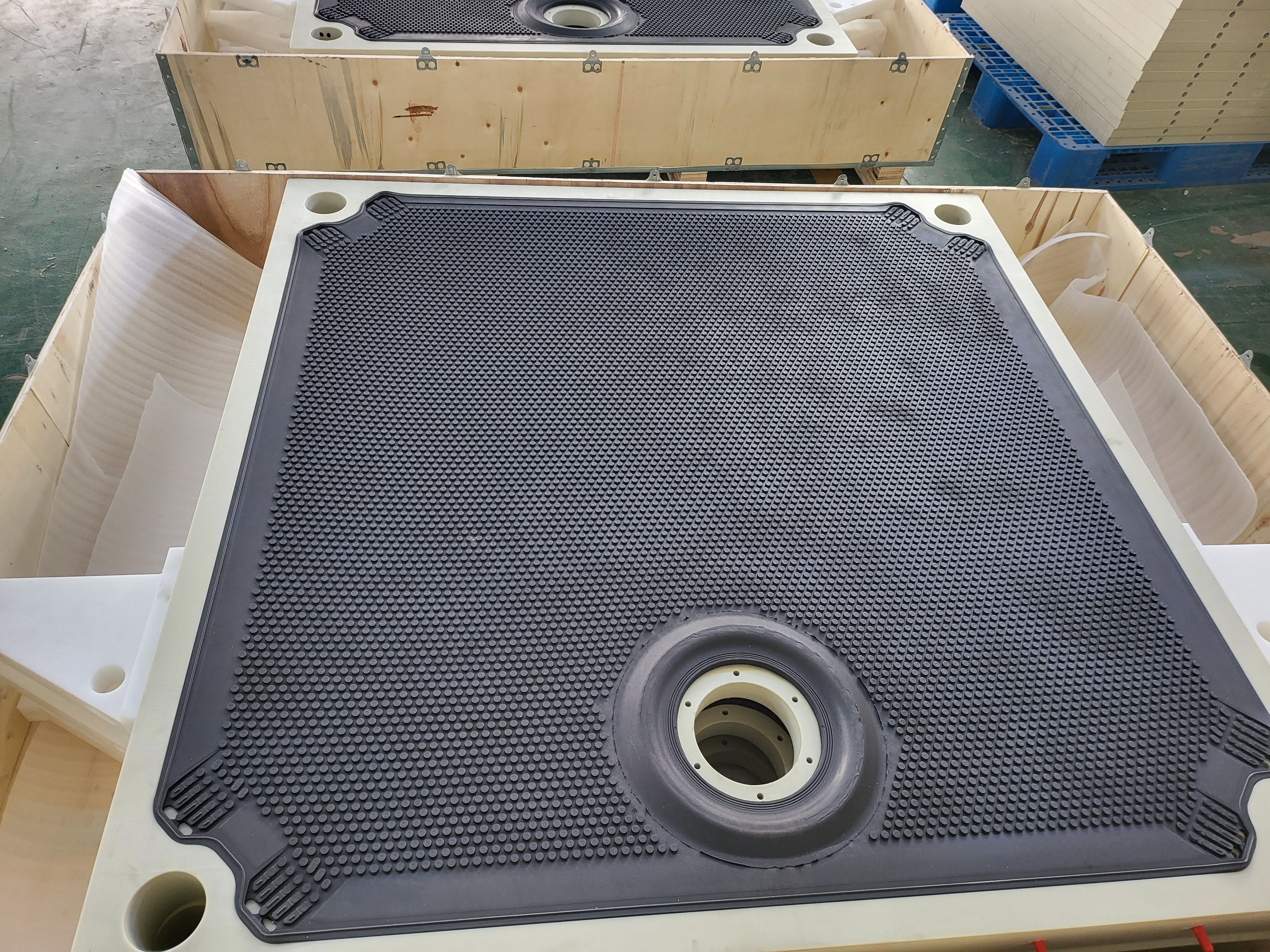
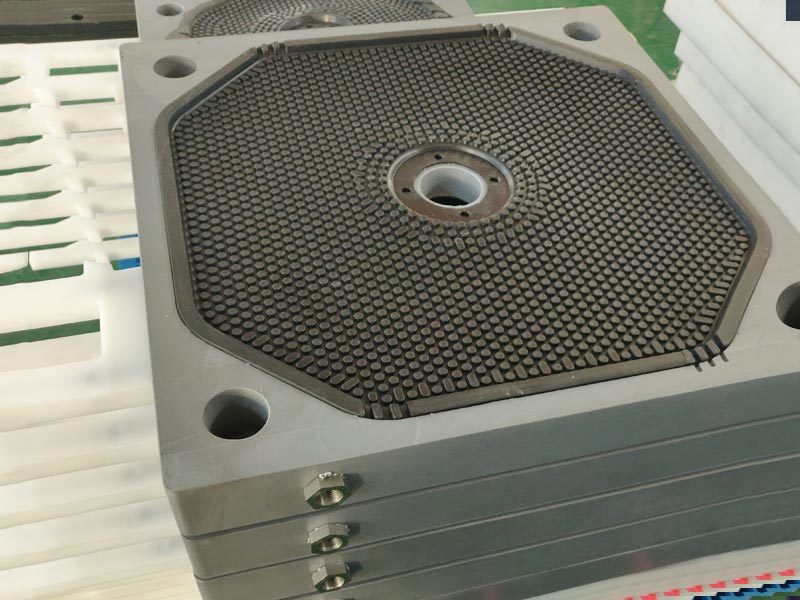
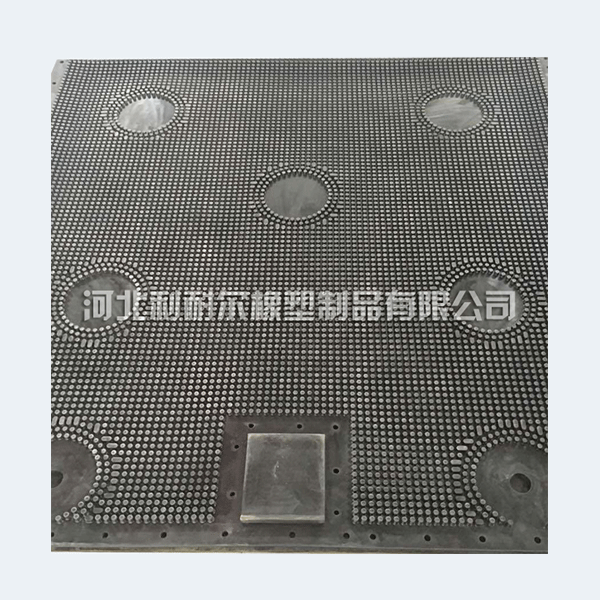
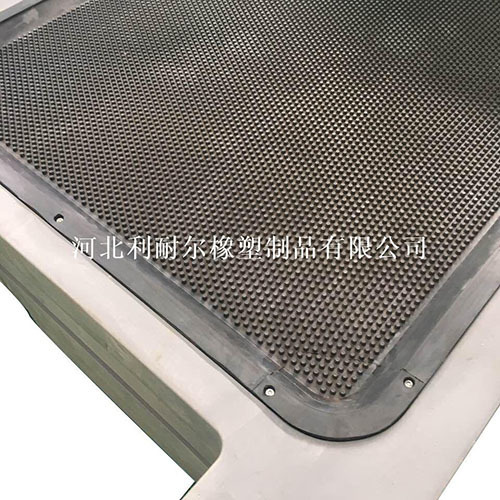
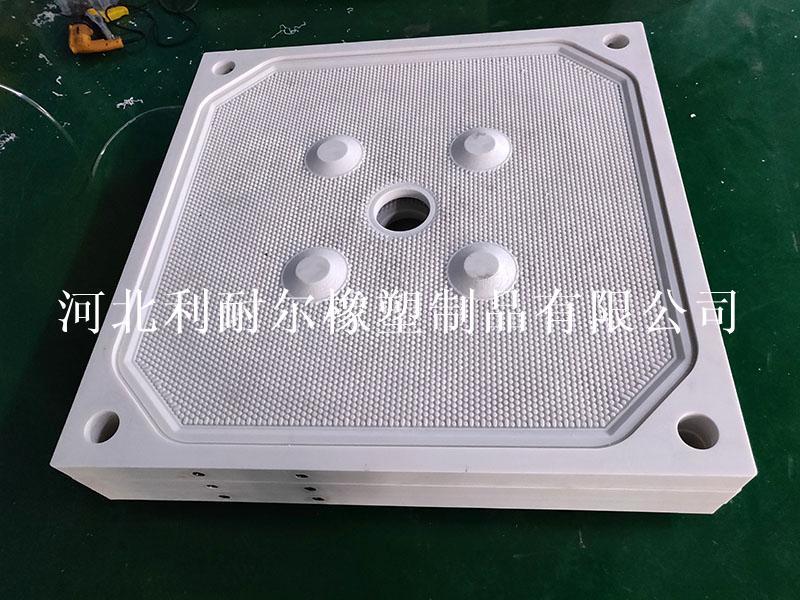
ProductMain products: vertical and horizontal imported and domestic filter plates, diaphragm plates, diaphragms and accessories; pinch valve sleeves and pinch valves and various mining accessories.
-
NewsIn 2013, our company's high-pressure cylinder with phenolic cloth support and guide ring obtained the national key new product certificate, project number: 2013GRA20011; its products in coal cylinders and engineering hydrauli
-
ServiceWe will actively cooperate with more enthusiasm, strengthen internal management, expand the market externally, improve various performance indicators of existing products, and truly achieve our win-win situation!
-
RecruitmentOur company always adheres to the talent concept of "people-oriented", provides a growth platform for talents, and realizes the common growth and development of enterprises and talents.


language
English
العربية
বাংলাদেশ
Български
Hrvatski
Česky
Dansk
Nederland
 Esperanto
Slovenski
Filipino
Suomi
Français
Maori
 Shqiptare
Georgian
 Euskara
Deutsch
Ελλάδα
ישראל
इंडिया
Magyarország
Ísland
Indonesia
Irlanda
Italia
日本語
Sovensko
Հայաստան
한국
Kyrgyz
ປະເທດລາວ
 Zulu
Zulu
Latvian
Lithuanian
Luxembourgish
 Latinus
Macedonian
Малайская
Maltese
Монгол улс
 Cymraeg
ဗမာ
 தமிழ்
தமிழ்
नेपाल
Norge
ایران
Polska
Portugal
România
Российская
Србија
 Slovak
Србија
 Slovak
Bosanski
Slovenian
Беларус
España
Sverige
Точик
ประเทศไทย
Türk
Azərbaycan
Uzbek
 Afrikaans
Việt Nam

Exploring the Working Principles of Combination Seal KDAS: An In-Depth Guide
Release time:
2025-05-02
Exploring the Working Principles of Combination Seal KDAS Table of Contents 1. Introduction to Combination Seal KDAS 2. Understanding Seal Types in Industrial Applications 3. The Design and Construction of Combination Seal KDAS 4. Working Principles of Combination Seal KDAS 5. Advantages of Using Combination Seal KDAS 6. Applications of Combination Seal KDAS in Various Ind
Exploring the Working Principles of Combination Seal KDAS
Table of Contents
- 1. Introduction to Combination Seal KDAS
- 2. Understanding Seal Types in Industrial Applications
- 3. The Design and Construction of Combination Seal KDAS
- 4. Working Principles of Combination Seal KDAS
- 5. Advantages of Using Combination Seal KDAS
- 6. Applications of Combination Seal KDAS in Various Industries
- 7. Maintenance and Care for Combination Seal KDAS
- 8. Common Issues and Troubleshooting
- 9. Frequently Asked Questions
- 10. Conclusion
1. Introduction to Combination Seal KDAS
The Combination Seal KDAS represents a significant advancement in sealing technology, particularly in industrial settings. These seals are engineered to cater to the diverse needs of various applications, providing reliable sealing solutions that prevent leaks and maintain operational efficiency. Understanding the working principles of the Combination Seal KDAS is crucial for anyone involved in the selection, maintenance, or application of sealing materials in industrial environments.
2. Understanding Seal Types in Industrial Applications
Sealing solutions play an essential role in numerous industries, from manufacturing to automotive. Seals are utilized to prevent leakage, protect components from contaminants, and ensure the longevity of machinery. The **Combination Seal KDAS** falls under a specific category of seals designed to integrate multiple sealing functions into a single component.
2.1 Different Types of Seals
The industrial sector employs various types of seals, including O-rings, gaskets, and lip seals. Each type serves distinct purposes:
- **O-Rings**: Commonly used in static and dynamic applications, these circular seals effectively prevent fluid leakage.
- **Gaskets**: Typically used in flanged joints, gaskets are flat seals that compress under pressure to create a barrier against fluids and gases.
- **Lip Seals**: Designed for rotating shafts, lip seals prevent the escape of lubricants and the ingress of contaminants.
2.2 The Role of Combination Seals
Combination seals like the KDAS leverage the strengths of different seal types, providing enhanced performance in applications where standard seals may fall short. By integrating multiple sealing functions, the KDAS seal reduces the complexity of assembly and minimizes the risk of failure.
3. The Design and Construction of Combination Seal KDAS
The effectiveness of the Combination Seal KDAS lies in its sophisticated design and construction. This section explores the materials used, the structural components, and the engineering principles behind its creation.
3.1 Materials Used in KDAS Seals
The materials selected for the Combination Seal KDAS are critical to its performance. Typically, seals are made from elastomers, plastics, and metals, each chosen based on the specific requirements of the application. Common materials include:
- **Nitrile Rubber**: Known for its oil resistance, ideal for automotive applications.
- **Fluorocarbon (FKM)**: Offers excellent chemical resistance, suitable for harsh environments.
- **Metal Reinforcement**: Provides structural integrity and support in high-pressure situations.
3.2 Structural Components of KDAS Seals
The design of the KDAS seal incorporates several components:
- **Seal Body**: The main structure that houses the sealing elements.
- **Compression Features**: These allow the seal to deform under pressure, ensuring a tight fit.
- **Retention Mechanisms**: These components secure the seal in place, preventing displacement during operation.
4. Working Principles of Combination Seal KDAS
Understanding how the Combination Seal KDAS functions is essential for effective application in industrial settings. This section details the mechanics behind its operation.
4.1 Sealing Mechanism
The sealing mechanism of the KDAS relies on a combination of compression and fluid dynamics. As pressure is applied, the seal deforms to fill gaps, creating a barrier against the passage of fluids and gases. The design also incorporates features that accommodate thermal expansion and contraction, ensuring consistent performance under varying conditions.
4.2 Dynamic vs. Static Sealing
The KDAS seal effectively addresses both dynamic and static sealing challenges. In dynamic applications, such as rotating shafts, the seal must maintain contact with the moving surface while preventing fluid leakage. In static applications, the seal holds pressure against a stationary component, ensuring no seepage occurs.
5. Advantages of Using Combination Seal KDAS
The Combination Seal KDAS offers a multitude of benefits that enhance operational efficiency and reliability.
5.1 Enhanced Performance
By integrating multiple sealing functions into one component, the KDAS seal reduces the likelihood of failure and enhances overall performance. This multi-functionality is particularly valuable in high-demand environments.
5.2 Simplified Assembly and Maintenance
With fewer components to manage, installation and maintenance become more straightforward. This simplification translates to reduced downtime and lower labor costs.
5.3 Improved Leak Prevention
The design of the KDAS seal provides superior leak prevention capabilities compared to traditional seals, making it ideal for applications that require stringent containment measures.
6. Applications of Combination Seal KDAS in Various Industries
The versatility of the Combination Seal KDAS allows it to be employed across numerous industries, each with specific needs and challenges.
6.1 Automotive Industry
In the automotive sector, KDAS seals are used to prevent oil leaks and ensure the proper functioning of hydraulic systems. Their resiliency to high temperatures and pressures makes them indispensable.
6.2 Hydraulic Systems
Hydraulic applications benefit from the KDAS seal's ability to withstand extreme pressures and prevent fluid loss, which is crucial for maintaining system efficiency.
6.3 Aerospace Applications
In the aerospace industry, where reliability is paramount, the KDAS seal's robust design helps prevent leaks in critical systems, ensuring safety and performance.
7. Maintenance and Care for Combination Seal KDAS
Proper maintenance of the Combination Seal KDAS is vital for extending its lifespan and ensuring optimal performance.
7.1 Routine Inspections
Regular inspections are essential to identify wear and tear. Look for signs of degradation, such as cracks or excessive deformation, and replace seals as necessary.
7.2 Cleaning and Lubrication
Keeping the sealing surfaces clean and adequately lubricated enhances the performance of the KDAS seal and minimizes the risk of damage during operation.
8. Common Issues and Troubleshooting
Despite their robust design, KDAS seals may encounter issues. Understanding common problems can aid in effective troubleshooting.
8.1 Leaks
If leaks occur, inspect the seal for proper installation and check for any signs of damage. In many cases, reseating the seal or replacing it may be necessary.
8.2 Excessive Wear
Excessive wear can indicate improper application or environmental factors that exceed the seal's specifications. Evaluating operating conditions can help prevent future issues.
9. Frequently Asked Questions
9.1 What are the benefits of using a Combination Seal KDAS?
Combination Seal KDAS offers enhanced performance, simplified assembly, and improved leak prevention, making it ideal for high-demand applications.
9.2 Where can Combination Seal KDAS be used?
These seals find applications in automotive, hydraulic, and aerospace industries, among others, due to their versatility and reliability.
9.3 How do I maintain a Combination Seal KDAS?
Routine inspections, cleaning, and proper lubrication are essential for maintaining the functionality and lifespan of the seal.
9.4 What materials are used in the construction of Combination Seal KDAS?
Typically, materials include nitrile rubber, fluorocarbon, and metal reinforcements, chosen based on application requirements.
9.5 Can Combination Seal KDAS be used in high-temperature environments?
Yes, the KDAS seal is designed to withstand high temperatures, making it suitable for various industrial applications.
10. Conclusion
The Combination Seal KDAS is a remarkable sealing solution that combines functionality, durability, and versatility. By understanding its working principles, advantages, and maintenance needs, professionals in the industry can effectively leverage this technology to improve performance and reliability in their applications. Investing in superior sealing technologies like the KDAS seal not only enhances operational efficiency but also contributes to the long-term success of various industrial applications.
Related News