
-
AboutHebei Linaier Rubber Products Co., Ltd. is located in Duqiao Industrial Zone, Jingxian City, Hebei Province, adjacent to Dezhou, Shandong. Founded in early 2001 with a registered capital of 35 million yuan, it is a scientific

-
ProductMain products: vertical and horizontal imported and domestic filter plates, diaphragm plates, diaphragms and accessories; pinch valve sleeves and pinch valves and various mining accessories.
-
NewsIn 2013, our company's high-pressure cylinder with phenolic cloth support and guide ring obtained the national key new product certificate, project number: 2013GRA20011; its products in coal cylinders and engineering hydrauli
-
ServiceWe will actively cooperate with more enthusiasm, strengthen internal management, expand the market externally, improve various performance indicators of existing products, and truly achieve our win-win situation!
-
RecruitmentOur company always adheres to the talent concept of "people-oriented", provides a growth platform for talents, and realizes the common growth and development of enterprises and talents.


language
English
العربية
বাংলাদেশ
Български
Hrvatski
Česky
Dansk
Nederland
 Esperanto
Slovenski
Filipino
Suomi
Français
Maori
 Shqiptare
Georgian
 Euskara
Deutsch
Ελλάδα
ישראל
इंडिया
Magyarország
Ísland
Indonesia
Irlanda
Italia
日本語
Sovensko
Հայաստան
한국
Kyrgyz
ປະເທດລາວ
 Zulu
Zulu
Latvian
Lithuanian
Luxembourgish
 Latinus
Macedonian
Малайская
Maltese
Монгол улс
 Cymraeg
ဗမာ
 தமிழ்
தமிழ்
नेपाल
Norge
ایران
Polska
Portugal
România
Российская
Србија
 Slovak
Србија
 Slovak
Bosanski
Slovenian
Беларус
España
Sverige
Точик
ประเทศไทย
Türk
Azərbaycan
Uzbek
 Afrikaans
Việt Nam

How Climate Change is Influencing the Use of 800 Diaphragm Plates
Release time:
2024-12-11
Understanding the Impact of Climate Change on Industrial Equipment The industrial sector is experiencing transformative changes driven by climate change. As environmental concerns intensify, industries are increasingly compelled to adapt their operations. One pivotal component in this adaptation is the **800 diaphragm plate**—a crucial element in filtration systems used across various sectors. Thi
Understanding the Impact of Climate Change on Industrial Equipment
The industrial sector is experiencing transformative changes driven by climate change. As environmental concerns intensify, industries are increasingly compelled to adapt their operations. One pivotal component in this adaptation is the **800 diaphragm plate**—a crucial element in filtration systems used across various sectors. This article delves into how climate change is influencing the use of these diaphragm plates, emphasizing their significance in modern industrial applications.
The Significance of Diaphragm Plates in Filtration Systems
Diaphragm plates, particularly the 800 series, are vital in the filtration process due to their efficiency and durability. These plates are engineered to separate liquids from solids, a function that has applications in water treatment, chemical processing, and food production. As industries grapple with stricter environmental regulations and a push for sustainability, the demand for reliable and efficient filtration technology has surged.
What Are 800 Diaphragm Plates?
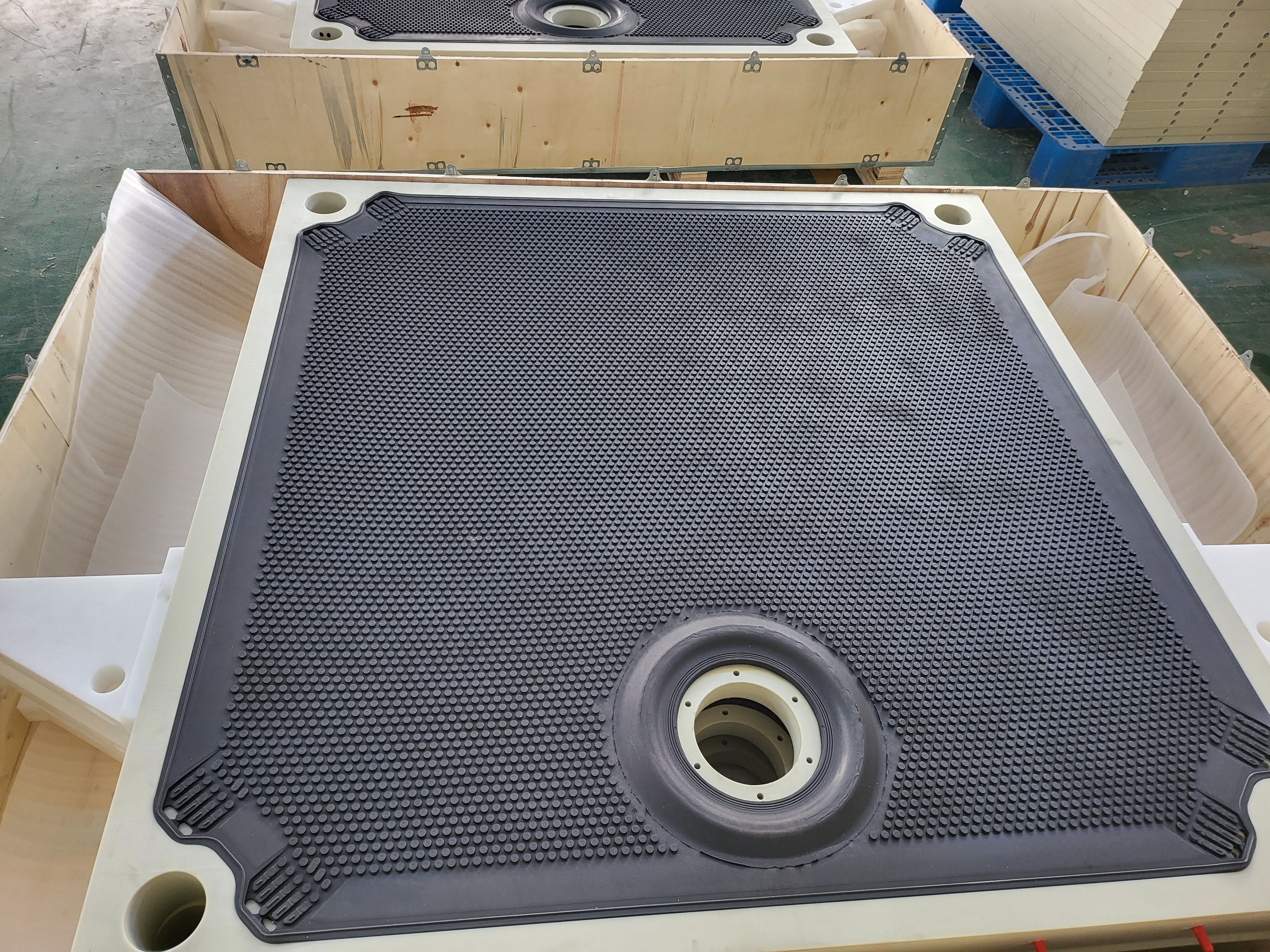
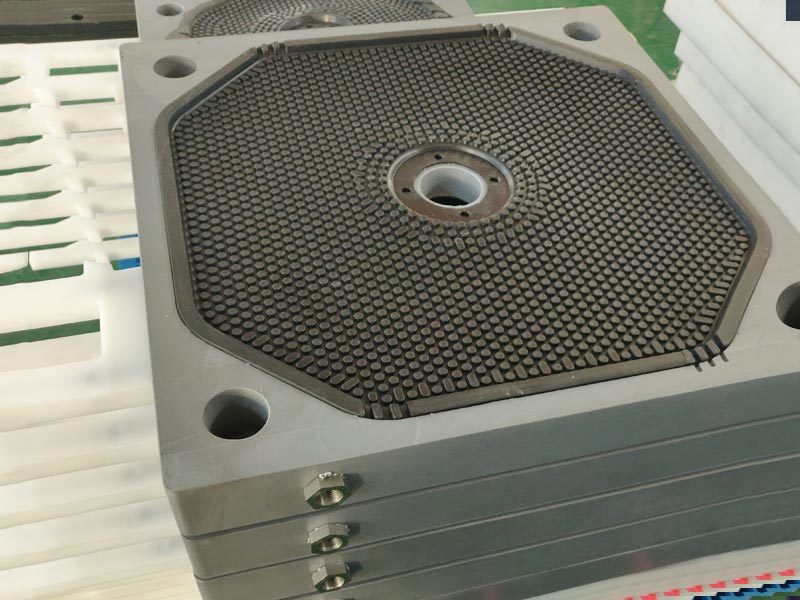
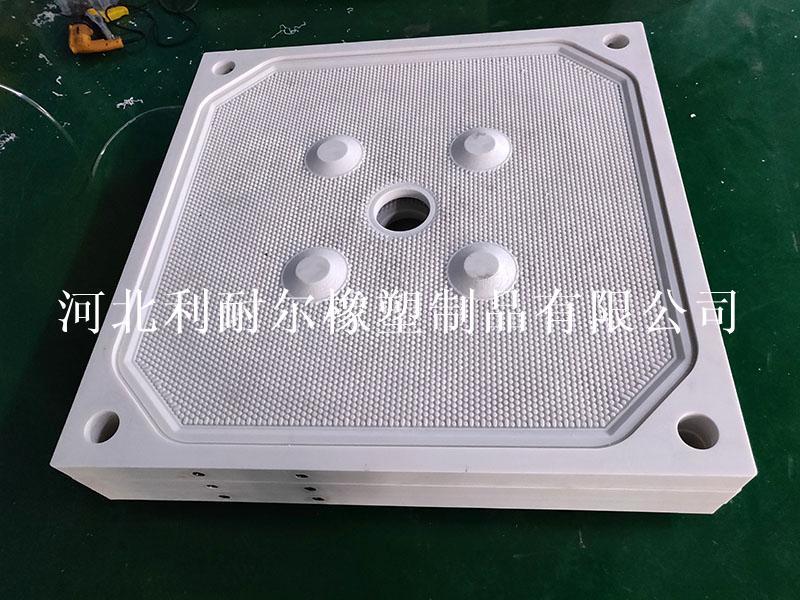
The **800 diaphragm plates** are distinguished by their robust design and high performance in various filtration scenarios. Made from advanced materials, they are engineered to withstand significant pressure and chemical exposure. Their primary functions include:
- **Separation of solid and liquid materials** in various applications.
- **Enhancing the purity** of liquids by removing contaminants.
- **Improving operational efficiency** in filtration systems.
As climate change poses new challenges to water and air quality, the reliance on diaphragm plates becomes increasingly pronounced.
Climate Change and Its Effects on Industrial Filtration Needs
Climate change is reshaping industrial needs, particularly in filtration. As temperatures rise and weather patterns shift, industries must adapt to ensure compliance with environmental standards. Key factors influencing the demand for diaphragm plates include:
Increased Frequency of Extreme Weather Events
With climate change, the frequency of extreme weather events has increased. Flooding can overwhelm existing filtration systems, leading to a higher demand for robust solutions like the **800 diaphragm plates**. Industries must ensure their systems can handle unexpected surges in water flow and debris.
Regulatory Changes and Environmental Compliance
Governments worldwide are implementing stricter regulations to combat climate change. Industries must upgrade their filtration systems to meet these new standards. The **800 diaphragm plates** are ideally suited for this purpose, offering greater efficiency in removing pollutants from effluents.
Shift Toward Sustainable Practices
The push for sustainability is leading industries to seek innovative solutions that minimize environmental impact. Adopting **800 diaphragm plates** allows companies to improve their filtration processes while adhering to sustainability goals.
The Role of 800 Diaphragm Plates in Sustainable Filtration Practices
As companies strive for sustainability, the **800 diaphragm plates** stand out as a solution that aligns with these goals. Their design and functionality contribute significantly to eco-friendly practices.
Material Innovations
Recent advancements in materials science have led to the development of more sustainable diaphragm plates. These innovations include:
- **Biodegradable materials** that reduce environmental impact.
- **Recyclable components** that promote a circular economy.
Energy Efficiency
The operational efficiency of **800 diaphragm plates** means reduced energy consumption in filtration processes. This efficiency is crucial as industries seek to lower their carbon footprints.
Reduction of Waste
By improving the filtration process, these plates help in reducing waste generation. Industries can achieve higher recovery rates of reusable materials, contributing to overall sustainability.
Challenges in Embracing Climate Change Adaptations
While the benefits of using **800 diaphragm plates** in response to climate change are clear, several challenges remain.
Cost Implications
Transitioning to advanced filtration systems, including diaphragm plates, can involve significant upfront costs. However, the long-term savings from improved efficiency and compliance can offset these initial investments.
Integration with Existing Systems
Integrating new diaphragm plates into existing filtration systems may require modifications, leading to additional costs and downtime. Companies must carefully plan this transition to ensure seamless functionality.
Future Trends in Diaphragm Plate Usage Amid Climate Change
The future of **800 diaphragm plates** in industrial applications looks promising. Several trends are emerging:
Increased Investment in Research and Development
As industries face evolving challenges due to climate change, there will be a surge in R&D investment aimed at enhancing diaphragm plate technology. This investment will lead to even more efficient and sustainable filtration solutions.
Enhanced Automation and Smart Technology
The integration of smart technology into filtration systems will allow for real-time monitoring and optimization of diaphragm plate performance. This technology will help industries adapt more quickly to changing environmental conditions.
Case Studies: Successful Implementation of 800 Diaphragm Plates
Examining real-world applications can provide insights into the effectiveness of **800 diaphragm plates** in combating climate change challenges.
Water Treatment Facilities
In various water treatment facilities, the installation of **800 diaphragm plates** has resulted in significant improvements in water quality. These facilities have reported:
- Enhanced removal of contaminants.
- Improved compliance with regulatory standards.
- Increased operational efficiency.
Food and Beverage Industry
The food and beverage industry has also benefited from adopting these plates. Filtration processes have become more effective, ensuring product safety and quality while minimizing waste.
FAQs About Climate Change and 800 Diaphragm Plates
1. What are the primary benefits of using 800 diaphragm plates?
**800 diaphragm plates** offer improved filtration efficiency, enhanced durability, and compliance with environmental regulations, making them ideal for various industrial applications.
2. How does climate change specifically impact filtration needs?
Climate change leads to extreme weather events and regulatory changes, increasing the need for efficient and robust filtration systems.
3. Are there sustainable materials used in 800 diaphragm plates?
Yes, recent advancements include biodegradable and recyclable materials that contribute to eco-friendly practices.
4. What industries benefit the most from using 800 diaphragm plates?
Industries such as water treatment, food and beverage, and chemical processing see significant benefits from these plates due to their efficiency and reliability.
5. How can companies lessen the costs of transitioning to new diaphragm plates?
Companies can plan their transitions strategically, focusing on long-term savings and potential regulatory compliance benefits to offset initial costs.
Conclusion
The influence of climate change on industrial filtration systems is undeniable, and the role of **800 diaphragm plates** is becoming increasingly vital. As industries adapt to new environmental standards and practices, these plates offer a reliable and efficient solution for addressing modern filtration challenges. By investing in advanced materials and technologies, companies can enhance their sustainability efforts while ensuring operational excellence. Embracing this shift not only helps in mitigating the impacts of climate change but also positions businesses for future success in an evolving industrial landscape.
Related News