
-
AboutHebei Linaier Rubber Products Co., Ltd. is located in Duqiao Industrial Zone, Jingxian City, Hebei Province, adjacent to Dezhou, Shandong. Founded in early 2001 with a registered capital of 35 million yuan, it is a scientific

-
ProductMain products: vertical and horizontal imported and domestic filter plates, diaphragm plates, diaphragms and accessories; pinch valve sleeves and pinch valves and various mining accessories.
-
NewsIn 2013, our company's high-pressure cylinder with phenolic cloth support and guide ring obtained the national key new product certificate, project number: 2013GRA20011; its products in coal cylinders and engineering hydrauli
-
ServiceWe will actively cooperate with more enthusiasm, strengthen internal management, expand the market externally, improve various performance indicators of existing products, and truly achieve our win-win situation!
-
RecruitmentOur company always adheres to the talent concept of "people-oriented", provides a growth platform for talents, and realizes the common growth and development of enterprises and talents.


language
English
العربية
বাংলাদেশ
Български
Hrvatski
Česky
Dansk
Nederland
 Esperanto
Slovenski
Filipino
Suomi
Français
Maori
 Shqiptare
Georgian
 Euskara
Deutsch
Ελλάδα
ישראל
इंडिया
Magyarország
Ísland
Indonesia
Irlanda
Italia
日本語
Sovensko
Հայաստան
한국
Kyrgyz
ປະເທດລາວ
 Zulu
Zulu
Latvian
Lithuanian
Luxembourgish
 Latinus
Macedonian
Малайская
Maltese
Монгол улс
 Cymraeg
ဗမာ
 தமிழ்
தமிழ்
नेपाल
Norge
ایران
Polska
Portugal
România
Российская
Србија
 Slovak
Србија
 Slovak
Bosanski
Slovenian
Беларус
España
Sverige
Точик
ประเทศไทย
Türk
Azərbaycan
Uzbek
 Afrikaans
Việt Nam

Top 5 Benefits of Using an 800 Filter Plate in the Plastic Industry
Release time:
2024-12-09
Top 5 Benefits of Using an 800 Filter Plate in the Plastic Industry Table of Contents 1. Introduction to 800 Filter Plates 2. Enhanced Filtration Efficiency 3. Cost-Effectiveness in Production 4. Improved Product Quality and Consistency 5. Eco-Friendly Solutions for Sustainable Practices 6. Versatile Applications in the Plastic Industry 7. Frequently Asked Questions (FAQs) 8. Con
Top 5 Benefits of Using an 800 Filter Plate in the Plastic Industry
Table of Contents
1. Introduction to 800 Filter Plates
2. Enhanced Filtration Efficiency
3. Cost-Effectiveness in Production
4. Improved Product Quality and Consistency
5. Eco-Friendly Solutions for Sustainable Practices
6. Versatile Applications in the Plastic Industry
7. Frequently Asked Questions (FAQs)
8. Conclusion
1. Introduction to 800 Filter Plates
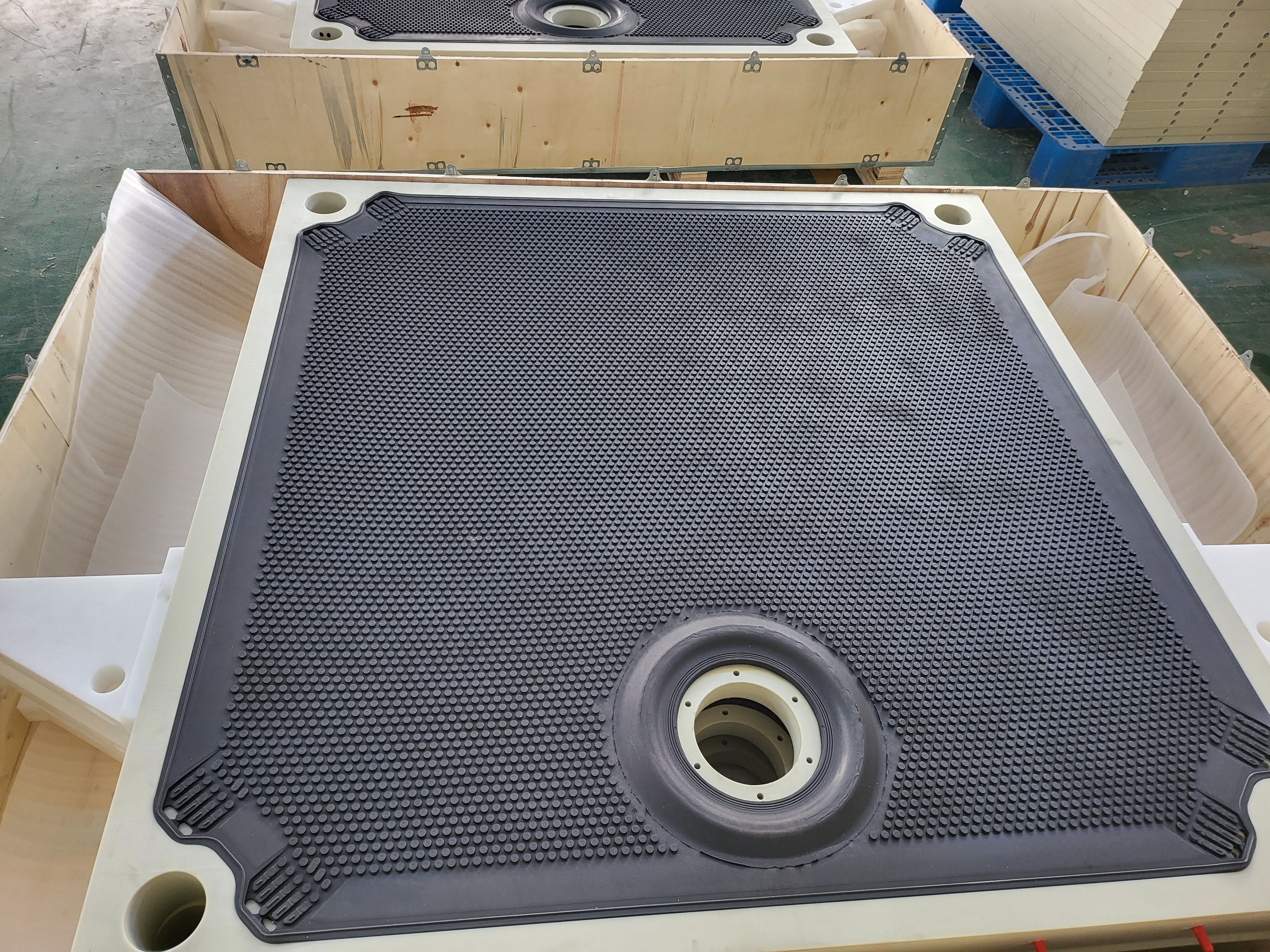
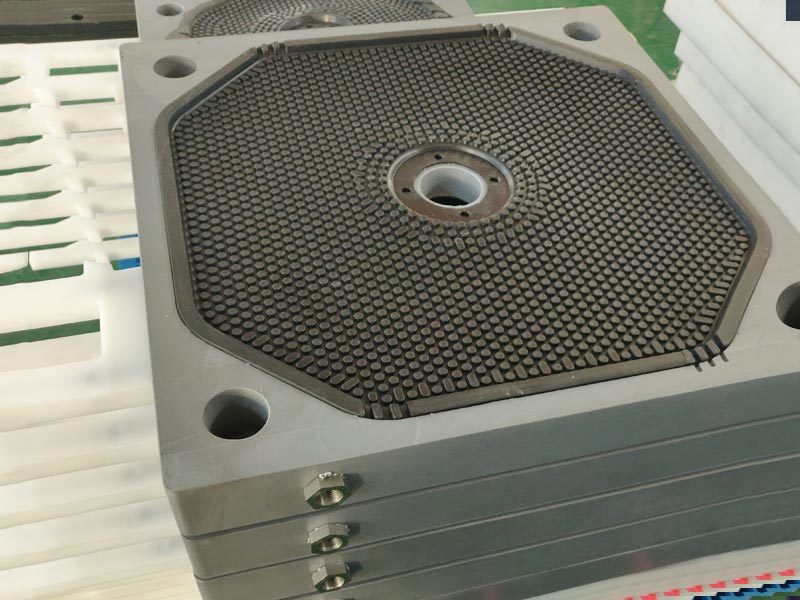
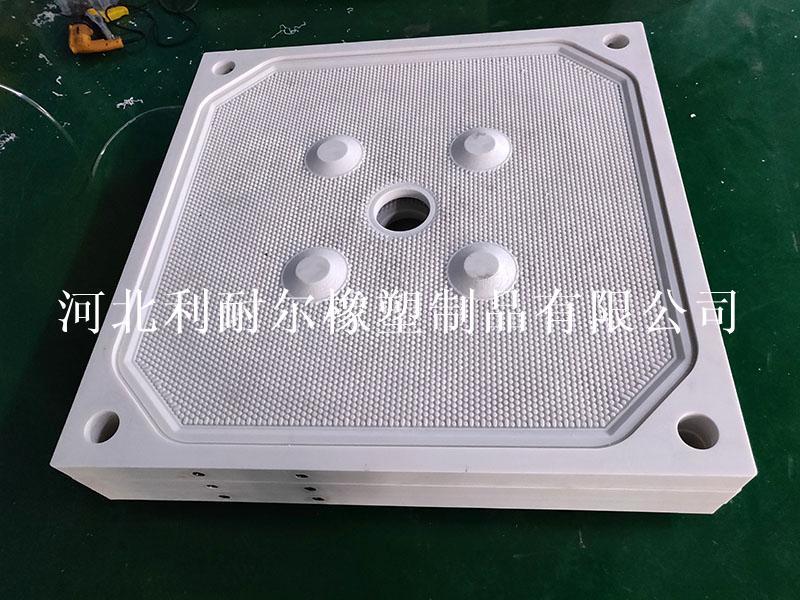
In the realm of plastic manufacturing, filtration plays a pivotal role in ensuring the quality and consistency of the end product. The **800 filter plate** stands out as a significant innovation in this aspect. These plates are designed to remove impurities and enhance the quality of plastic materials before they undergo further processing. By understanding the essential benefits of the 800 filter plate, manufacturers can optimize their operations and improve their product offerings.
2. Enhanced Filtration Efficiency
One of the primary advantages of using an 800 filter plate is its **enhanced filtration efficiency**. These plates are equipped with advanced filtration technology that allows them to separate contaminants from the plastic material effectively. The 800 filter plate ensures that even the smallest particles are captured, leading to a cleaner and more uniform plastic product. Manufacturers can significantly reduce downtime for maintenance and cleaning, leading to improved overall productivity.
The filtration efficiency of the 800 filter plate is attributed to its unique design, which maximizes surface area and minimizes flow resistance. This means that the plates can handle larger volumes of material without compromising on performance. As a result, manufacturers can maintain a steady flow of production while ensuring that the quality of their plastic products is not compromised.
3. Cost-Effectiveness in Production
Integrating an **800 filter plate** into the production process can lead to significant cost savings. By improving filtration efficiency, manufacturers can reduce the amount of raw material wasted during production. This is particularly important in the plastic industry, where material costs can represent a substantial portion of overall expenses.
Moreover, the 800 filter plate's durability translates to lower replacement and maintenance costs over time. These plates are designed to withstand harsh processing conditions and have a longer lifespan compared to traditional filters. This long-term investment can yield substantial financial benefits, enabling companies to allocate resources to other critical areas of their operations.
4. Improved Product Quality and Consistency
Quality control is paramount in the plastic industry, and the **800 filter plate** plays a critical role in achieving consistent product quality. By effectively removing contaminants and impurities, these plates ensure that the final plastic products meet stringent quality standards. This is especially crucial for industries that rely on high-performance plastics, such as automotive and aerospace.
In addition to enhancing quality, the 800 filter plate contributes to product consistency. With a reliable filtration system in place, manufacturers can produce batches of plastic materials that exhibit uniform characteristics, including color, texture, and strength. This consistency is essential for maintaining customer satisfaction and meeting market demands.
5. Eco-Friendly Solutions for Sustainable Practices
Sustainability is a growing concern in the plastic industry, and the **800 filter plate** contributes to eco-friendly practices. By reducing waste and enhancing the quality of recycled plastics, these plates facilitate the circular economy. Manufacturers can utilize recycled materials more effectively, minimizing their reliance on virgin plastics and reducing their overall environmental impact.
Furthermore, the 800 filter plate's efficiency leads to lower energy consumption during the production process. This not only decreases operational costs but also aligns with sustainability goals. By adopting this technology, manufacturers showcase their commitment to environmentally responsible practices, which can enhance their brand reputation and appeal to environmentally-conscious consumers.
6. Versatile Applications in the Plastic Industry
The versatility of the **800 filter plate** makes it suitable for various applications within the plastic industry. These plates can be utilized in processes ranging from polymer production to the recycling of plastic materials. Their ability to adapt to different processing conditions enables manufacturers to streamline their operations effectively.
Whether you are involved in the production of packaging materials, automotive components, or consumer goods, the 800 filter plate can provide significant advantages. Its compatibility with different types of plastics and processing methods ensures that manufacturers can achieve optimized results irrespective of their specific requirements.
7. Frequently Asked Questions (FAQs)
What is an 800 filter plate?
An 800 filter plate is a specialized filtration device used in the plastic industry to remove contaminants and impurities from plastic materials, enhancing the quality and consistency of the final product.
How does the 800 filter plate improve filtration efficiency?
The design of the 800 filter plate maximizes surface area while minimizing flow resistance, allowing it to effectively capture even the smallest particles and contaminants during the filtration process.
What are the cost benefits of using an 800 filter plate?
Using an 800 filter plate can lead to reduced raw material waste, lower maintenance and replacement costs, and overall increased production efficiency, contributing to significant cost savings.
Can the 800 filter plate be used in recycling processes?
Yes, the 800 filter plate is versatile and can be used in various applications, including the recycling of plastic materials, helping to enhance the quality of recycled plastics.
How does the 800 filter plate contribute to sustainability?
By reducing waste and improving the quality of recycled plastics, the 800 filter plate supports eco-friendly practices. Additionally, its efficiency can lead to lower energy consumption during production.
8. Conclusion
Incorporating an **800 filter plate** into your plastic manufacturing processes delivers numerous benefits that can enhance both operational efficiency and product quality. From improved filtration efficiency and cost savings to consistent product quality and sustainable practices, the advantages of this technology are significant. As the plastic industry continues to evolve, adopting innovative solutions like the 800 filter plate will be crucial for manufacturers looking to stay competitive and meet the growing demands of the market. Embracing these advancements not only bolsters business outcomes but also aligns with the global push for sustainability in manufacturing.
Related News