
-
AboutHebei Linaier Rubber Products Co., Ltd. is located in Duqiao Industrial Zone, Jingxian City, Hebei Province, adjacent to Dezhou, Shandong. Founded in early 2001 with a registered capital of 35 million yuan, it is a scientific

-
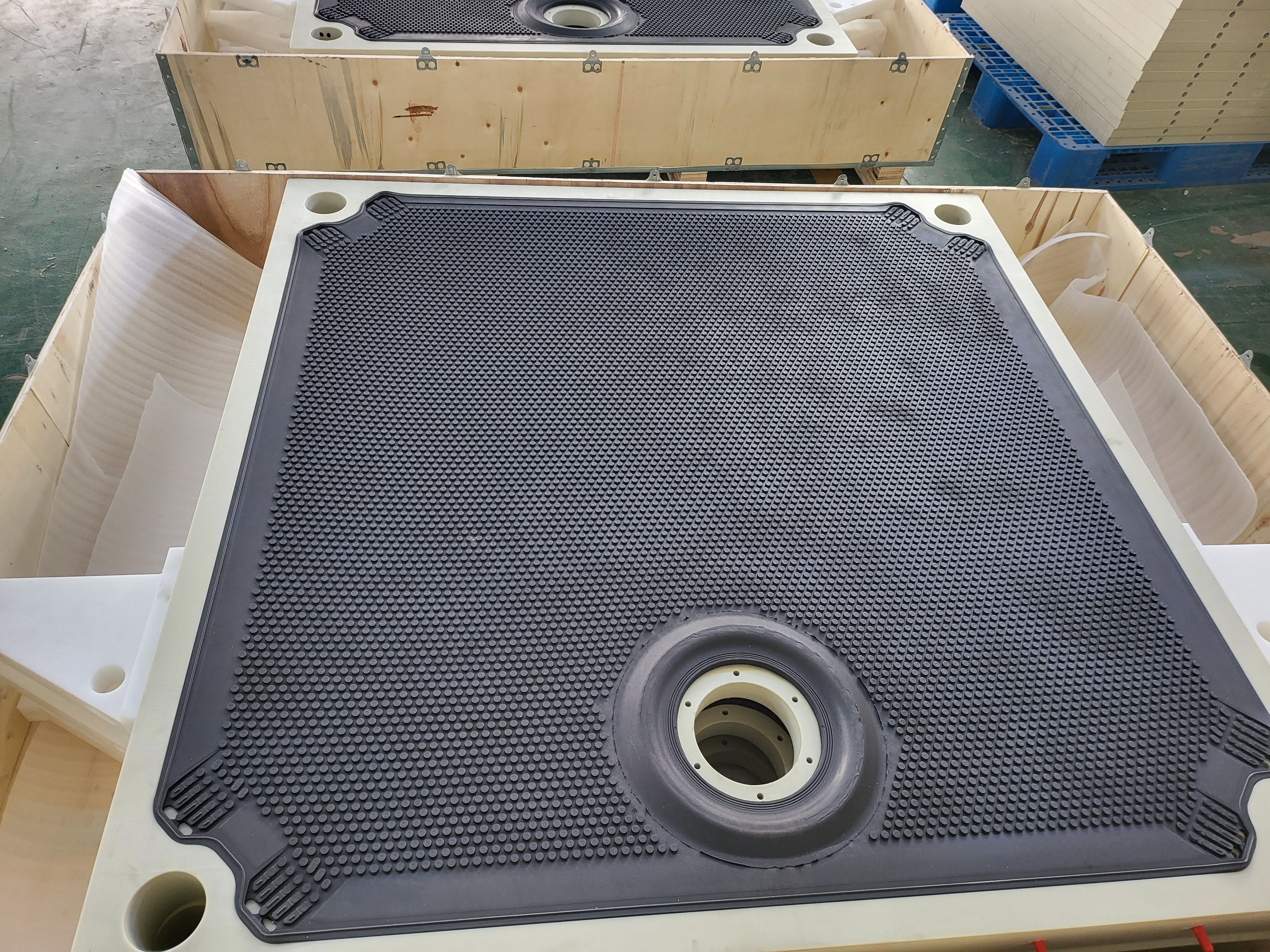
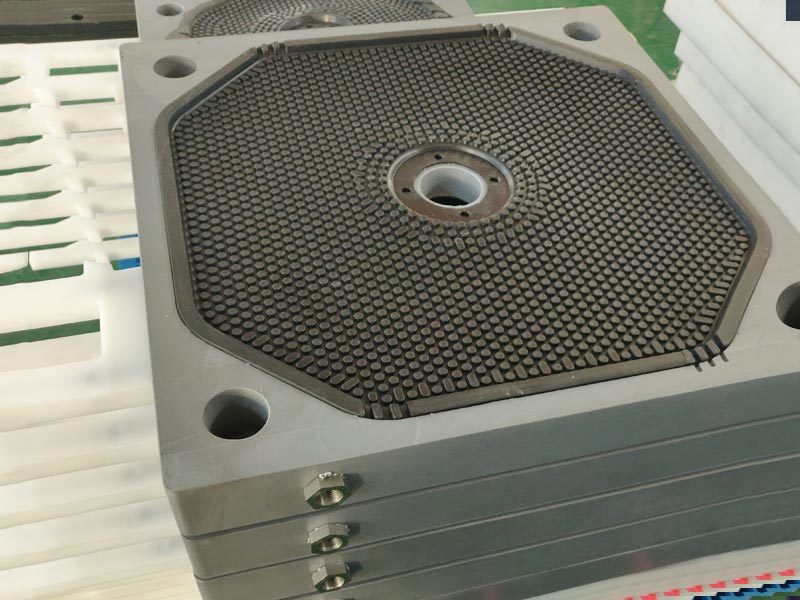
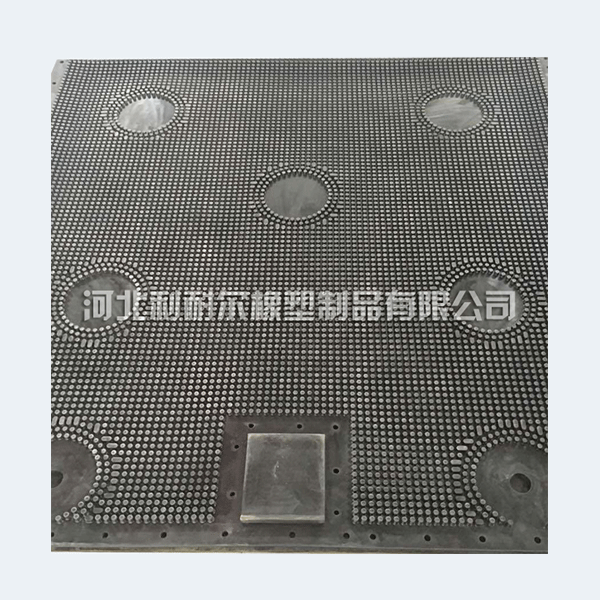
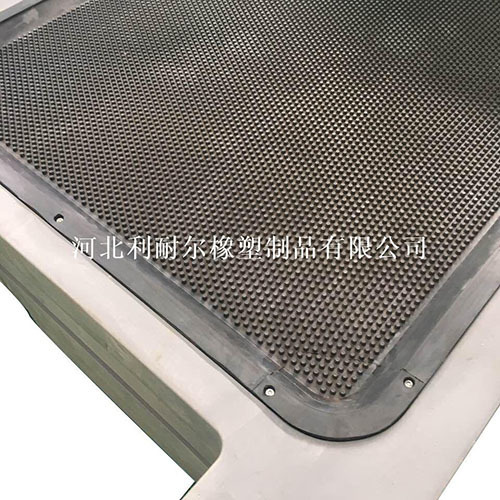
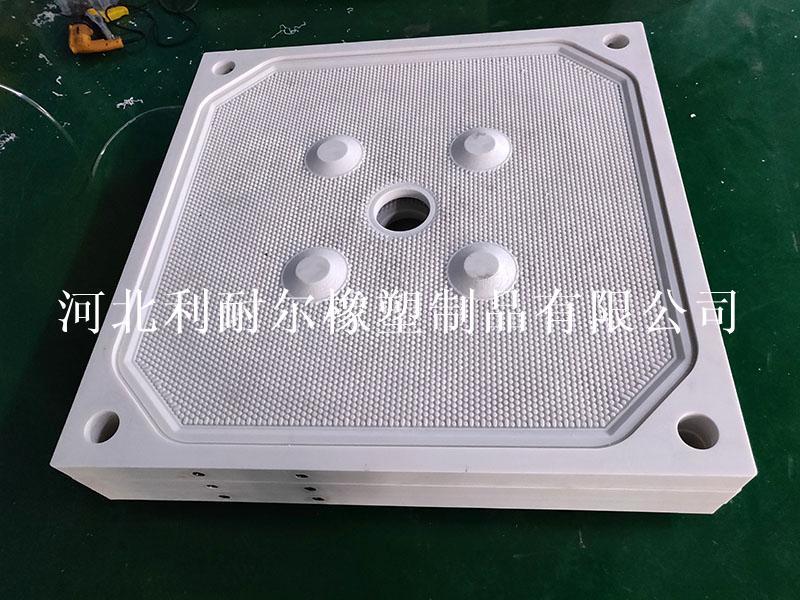
ProductMain products: vertical and horizontal imported and domestic filter plates, diaphragm plates, diaphragms and accessories; pinch valve sleeves and pinch valves and various mining accessories.
-
NewsIn 2013, our company's high-pressure cylinder with phenolic cloth support and guide ring obtained the national key new product certificate, project number: 2013GRA20011; its products in coal cylinders and engineering hydrauli
-
ServiceWe will actively cooperate with more enthusiasm, strengthen internal management, expand the market externally, improve various performance indicators of existing products, and truly achieve our win-win situation!
-
RecruitmentOur company always adheres to the talent concept of "people-oriented", provides a growth platform for talents, and realizes the common growth and development of enterprises and talents.


language
English
العربية
বাংলাদেশ
Български
Hrvatski
Česky
Dansk
Nederland
 Esperanto
Slovenski
Filipino
Suomi
Français
Maori
 Shqiptare
Georgian
 Euskara
Deutsch
Ελλάδα
ישראל
इंडिया
Magyarország
Ísland
Indonesia
Irlanda
Italia
日本語
Sovensko
Հայաստան
한국
Kyrgyz
ປະເທດລາວ
 Zulu
Zulu
Latvian
Lithuanian
Luxembourgish
 Latinus
Macedonian
Малайская
Maltese
Монгол улс
 Cymraeg
ဗမာ
 தமிழ்
தமிழ்
नेपाल
Norge
ایران
Polska
Portugal
România
Российская
Србија
 Slovak
Србија
 Slovak
Bosanski
Slovenian
Беларус
España
Sverige
Точик
ประเทศไทย
Türk
Azərbaycan
Uzbek
 Afrikaans
Việt Nam

Release time:
2024-11-03
The Importance of Proper Installation and Maintenance of Valve Sleeves Introduction to Valve Sleeves and Their Role in Chemical Processes In the chemical industry, valve sleeves are crucial components that help manage fluid flow and pressure within various systems. These protective covers can significantly impact efficiency, safety, and reliability. Proper installation and maintenance of valve sle
The Importance of Proper Installation and Maintenance of Valve Sleeves
Introduction to Valve Sleeves and Their Role in Chemical Processes
In the chemical industry, valve sleeves are crucial components that help manage fluid flow and pressure within various systems. These protective covers can significantly impact efficiency, safety, and reliability. Proper installation and maintenance of valve sleeves cannot be overstated, as it directly correlates with the longevity of equipment and the smooth operation of chemical processes.
Understanding Valve Sleeves: Types and Applications
What Are Valve Sleeves?
Valve sleeves are specialized components designed to encase the valve body, providing additional protection from external elements and ensuring the integrity of the valve's operation. They are typically made from durable materials, such as plastics and metals, which can withstand the harsh conditions often present in chemical environments.
Types of Valve Sleeves Used in the Chemical Industry
1. **Plastic Valve Sleeves:** Lightweight and resistant to corrosion, plastic sleeves are ideal for applications involving aggressive chemicals.
2. **Metal Valve Sleeves:** These provide higher durability and are suitable for high-pressure and high-temperature situations.
3. **Composite Valve Sleeves:** These combine the best attributes of both plastic and metal, offering excellent resistance to wear and tear.
Importance of Proper Installation of Valve Sleeves
Ensuring Optimal Performance
Proper installation is critical to ensuring that valve sleeves function as intended. A correctly installed valve sleeve will effectively protect the valve from contamination and damage while allowing for smooth fluid flow. Conversely, improper installation can lead to leaks, reduced efficiency, and even catastrophic failures.
Preventing Damage and Reducing Wear and Tear
By installing valve sleeves correctly, we protect the underlying valve components from abrasive materials and chemicals. This preventive measure significantly reduces wear and tear, extending the lifespan of the valve and minimizing the need for costly repairs.
Best Practices for Installing Valve Sleeves
Preparation and Inspection
Before the installation process begins, it is essential to thoroughly inspect both the valve and the corresponding sleeve. Look for any signs of wear, corrosion, or damage that may compromise the integrity of the components. Ensure that the sleeve is compatible with the valve and the specific chemicals being processed.
Follow Manufacturer Guidelines
Always adhere to the manufacturer's specifications during installation. These guidelines often include detailed instructions regarding torque settings, alignment, and sealing methods. Ensure that the sleeve is oriented correctly to maximize its protective function.
Utilizing Proper Tools and Techniques
Using the right tools is essential for a successful installation. Invest in high-quality equipment, such as torque wrenches and alignment tools, to ensure accuracy. Pay attention to the details, as even minor oversights can lead to significant issues down the line.
Maintenance of Valve Sleeves: Why It Matters
Regular Inspections: A Key to Longevity
Regular inspections of valve sleeves help identify potential issues before they escalate. Schedule routine checks to assess the condition of the sleeves, looking for signs of wear, corrosion, or misalignment. Early detection of problems can save time and resources in the long run.
Cleaning and Upkeep
Maintaining cleanliness around valve sleeves is crucial to their performance. Accumulation of dirt, debris, or chemical residues can lead to malfunctioning valves. Implement a cleaning schedule using appropriate solvents that are safe for both the valve and sleeve materials.
Common Issues and Troubleshooting
Identifying Leaks and Failures
One of the most common problems associated with valve sleeves is leakage. Regular inspections can help identify leaks early. If a leak is detected, it is crucial to isolate the valve immediately and conduct a thorough investigation to determine the cause and extent of the problem.
Addressing Corrosion and Wear
Corrosion can significantly impact the performance of valve sleeves, especially in chemical applications. If corrosion is identified, evaluate whether the sleeve material is appropriate for the chemicals being processed. In some cases, replacing the valve sleeve with a more resistant material may be necessary.
Evaluating the Cost-Benefit of Proper Installation and Maintenance
Cost Savings Through Prevention
Investing in proper installation and ongoing maintenance can yield substantial cost savings. By preventing leaks, reducing downtime, and extending the lifespan of valves, businesses can avoid the high costs associated with emergency repairs and replacements.
Enhancing Safety and Reliability
Proper installation and maintenance also play a pivotal role in ensuring the safety of chemical processes. Well-maintained valve sleeves help prevent hazardous leaks and system failures, thus protecting both personnel and the environment.
Conclusion
In conclusion, the importance of proper installation and maintenance of valve sleeves in the chemical industry cannot be overstated. By adhering to best practices, conducting regular inspections, and investing in quality materials, businesses can enhance the longevity, efficiency, and safety of their equipment. Understanding the nuances of valve sleeves is essential for ensuring smooth operations and preventing costly disruptions in chemical processes.
FAQs
1. What materials are commonly used for valve sleeves?
The most common materials are plastics, metals, and composite materials. Each type has its own advantages depending on the application.
2. How often should valve sleeves be inspected?
Regular inspections should be conducted at least once a year, or more frequently depending on the operating conditions and the environment.
3. What are the signs of a failing valve sleeve?
Early signs include leaks, corrosion, and unusual wear patterns. Any visible damage should prompt immediate inspection.
4. Can valve sleeves be repaired, or do they need to be replaced?
In some cases, minor damage to valve sleeves can be repaired. However, if the sleeve is significantly deteriorated, replacement is recommended.
5. What are the consequences of improper installation of valve sleeves?
Improper installation can lead to leaks, equipment failures, increased wear, and ultimately higher maintenance costs and safety risks.
Related News