
-
AboutHebei Linaier Rubber Products Co., Ltd. is located in Duqiao Industrial Zone, Jingxian City, Hebei Province, adjacent to Dezhou, Shandong. Founded in early 2001 with a registered capital of 35 million yuan, it is a scientific

-
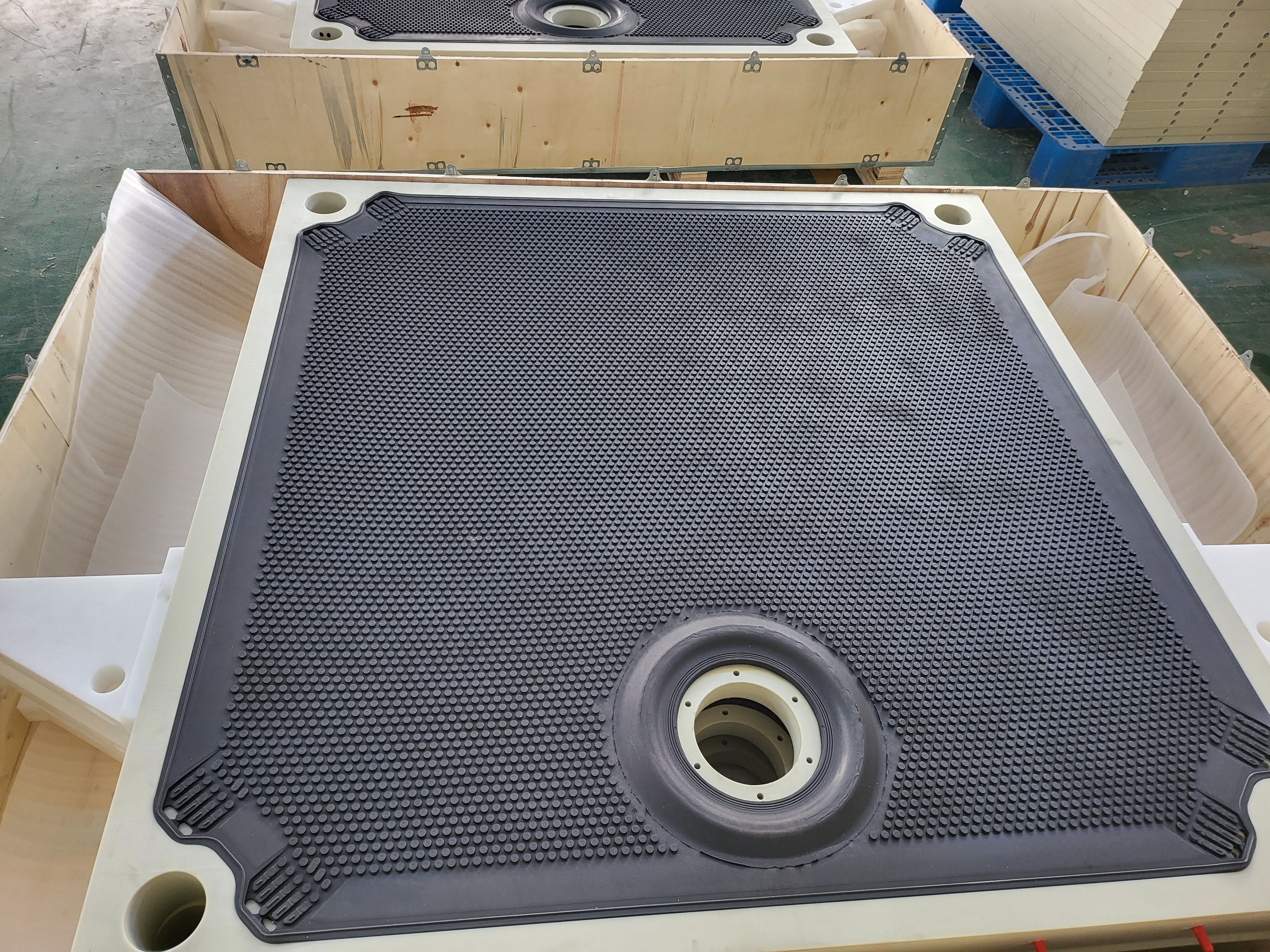
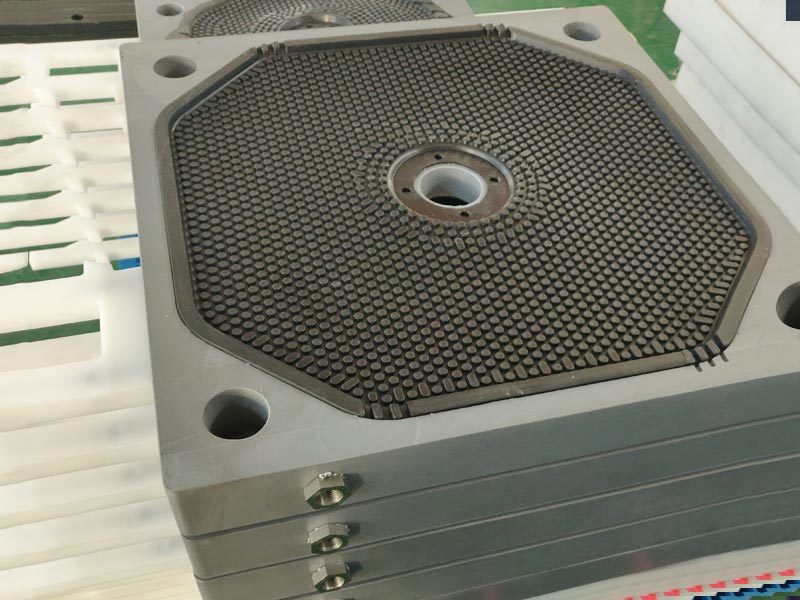
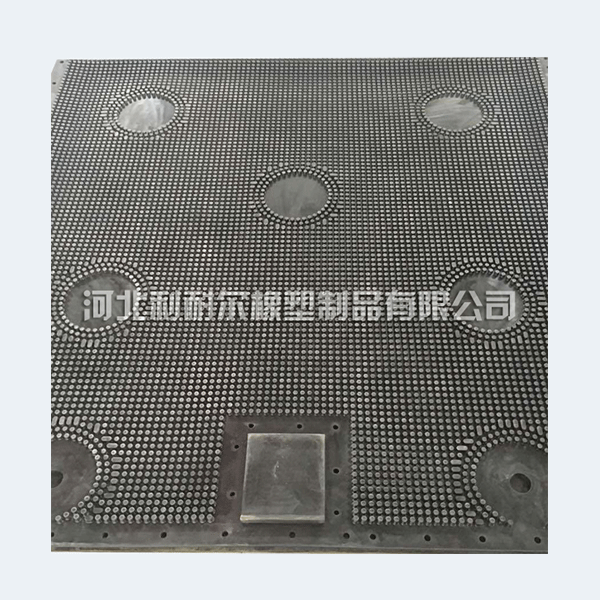
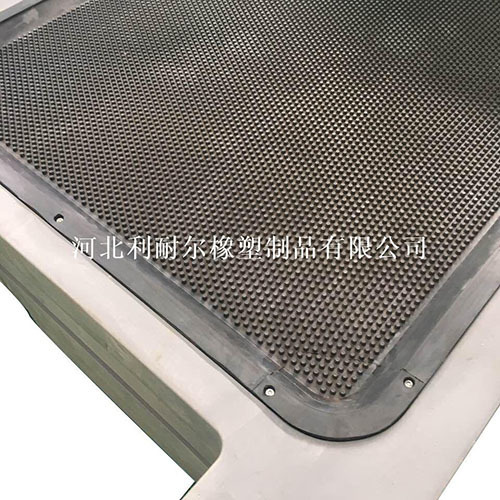
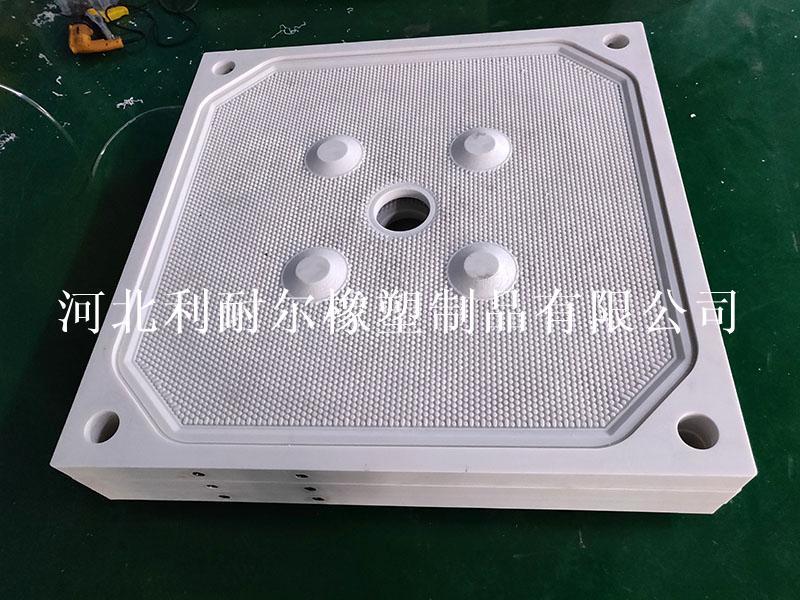
ProductMain products: vertical and horizontal imported and domestic filter plates, diaphragm plates, diaphragms and accessories; pinch valve sleeves and pinch valves and various mining accessories.
-
NewsIn 2013, our company's high-pressure cylinder with phenolic cloth support and guide ring obtained the national key new product certificate, project number: 2013GRA20011; its products in coal cylinders and engineering hydrauli
-
ServiceWe will actively cooperate with more enthusiasm, strengthen internal management, expand the market externally, improve various performance indicators of existing products, and truly achieve our win-win situation!
-
RecruitmentOur company always adheres to the talent concept of "people-oriented", provides a growth platform for talents, and realizes the common growth and development of enterprises and talents.


language
English
العربية
বাংলাদেশ
Български
Hrvatski
Česky
Dansk
Nederland
 Esperanto
Slovenski
Filipino
Suomi
Français
Maori
 Shqiptare
Georgian
 Euskara
Deutsch
Ελλάδα
ישראל
इंडिया
Magyarország
Ísland
Indonesia
Irlanda
Italia
日本語
Sovensko
Հայաստան
한국
Kyrgyz
ປະເທດລາວ
 Zulu
Zulu
Latvian
Lithuanian
Luxembourgish
 Latinus
Macedonian
Малайская
Maltese
Монгол улс
 Cymraeg
ဗမာ
 தமிழ்
தமிழ்
नेपाल
Norge
ایران
Polska
Portugal
România
Российская
Србија
 Slovak
Србија
 Slovak
Bosanski
Slovenian
Беларус
España
Sverige
Точик
ประเทศไทย
Türk
Azərbaycan
Uzbek
 Afrikaans
Việt Nam

The Essential Role of Rubber Diaphragms in Chemical Manufacturing
Release time:
2024-10-10
The Essential Role of Rubber Diaphragms in Chemical Manufacturing Table of Contents 1. Introduction to Rubber Diaphragms 2. Importance of Rubber Diaphragms in Chemical Processes 3. Types of Rubber Diaphragms Used in Chemical Manufacturing 4. Applications of Rubber Diaphragms in the Chemical Industry 5. Benefits of Using Rubber Diaphragms 6. Selecting the Right Rubber Diaph
The Essential Role of Rubber Diaphragms in Chemical Manufacturing
Table of Contents
- 1. Introduction to Rubber Diaphragms
- 2. Importance of Rubber Diaphragms in Chemical Processes
- 3. Types of Rubber Diaphragms Used in Chemical Manufacturing
- 4. Applications of Rubber Diaphragms in the Chemical Industry
- 5. Benefits of Using Rubber Diaphragms
- 6. Selecting the Right Rubber Diaphragm for Your Needs
- 7. Maintenance and Care for Rubber Diaphragms
- 8. The Future of Rubber Diaphragms in Chemical Manufacturing
- 9. Frequently Asked Questions
- 10. Conclusion
1. Introduction to Rubber Diaphragms
Rubber diaphragms play a pivotal role in the realm of chemical manufacturing. As flexible membranes, they are engineered to separate two different environments, allowing for controlled pressure and flow in various applications. The unique properties of rubber make it an ideal material for these diaphragms, providing both flexibility and chemical resistance. This article delves into the indispensable features and applications of rubber diaphragms within the chemical industry.
2. Importance of Rubber Diaphragms in Chemical Processes
Rubber diaphragms are essential in maintaining the integrity and efficiency of chemical processes. They serve multiple functions, including:
- **Separation**: Diaphragms help isolate different chemicals, preventing cross-contamination and ensuring product purity.
- **Pressure Management**: The flexible nature of rubber allows diaphragms to adapt to varying pressure levels, which is crucial in processes like mixing or transferring chemicals.
- **Flow Control**: Diaphragms enable precise control over fluid dynamics, thereby enhancing the overall efficiency of chemical production.
The significance of rubber diaphragms cannot be overstated, as they directly contribute to the safety and reliability of chemical manufacturing processes.
3. Types of Rubber Diaphragms Used in Chemical Manufacturing
There are several types of rubber diaphragms employed in chemical manufacturing, each designed to meet specific operational requirements. Some common categories include:
3.1 Solid Rubber Diaphragms
Solid rubber diaphragms are used in applications requiring high durability and resistance to harsh chemicals. Their solid construction offers excellent protection against leaks.
3.2 Membrane Diaphragms
These diaphragms are designed for precision applications. They are typically thinner and made from specialized rubber compounds, allowing for sensitive pressure adjustments.
3.3 Composite Diaphragms
Composite diaphragms combine rubber with other materials, such as metal or fabric, providing added strength and durability while maintaining flexibility.
3.4 Multi-Layer Diaphragms
These diaphragms consist of several layers of rubber and other materials, offering enhanced chemical resistance and extended lifespan in challenging environments.
Understanding the various types of rubber diaphragms helps manufacturers select the most suitable option for their specific chemical processes.
4. Applications of Rubber Diaphragms in the Chemical Industry
Rubber diaphragms are versatile components used in numerous applications within the chemical sector. Some key applications include:
4.1 Pumps
In diaphragm pumps, rubber diaphragms facilitate the movement of fluids, ensuring consistent pressure and flow while preventing contamination.
4.2 Valves
Rubber diaphragms in valves help regulate fluid flow, allowing for precise control in chemical processing and enhancing operational safety.
4.4 Tanks and Vessels
In storage tanks, rubber diaphragms assist in maintaining pressure stability and preventing leaks, ensuring the safe storage of volatile chemicals.
4.5 Sensors and Gauges
Diaphragms are used in pressure sensors and gauges, where they help detect pressure changes accurately, providing critical data for process control.
These applications illustrate the extensive use of rubber diaphragms in various facets of chemical manufacturing, underscoring their importance.
5. Benefits of Using Rubber Diaphragms
Employing rubber diaphragms in chemical manufacturing offers numerous advantages:
5.1 Chemical Resistance
Rubber diaphragms are designed to withstand a wide range of chemicals, making them suitable for diverse applications without degradation.
5.2 Durability
The inherent flexibility and resilience of rubber ensure that diaphragms can endure harsh operating conditions, leading to longer service life and reduced maintenance costs.
5.3 Cost-Effectiveness
Investing in rubber diaphragms can lead to overall cost savings due to their longevity and the reduced need for frequent replacements.
5.4 Safety
By effectively containing chemicals and preventing leaks, rubber diaphragms enhance workplace safety, reducing the risk of accidents and exposure to hazardous substances.
These benefits highlight why rubber diaphragms are a staple in the chemical manufacturing industry.
6. Selecting the Right Rubber Diaphragm for Your Needs
Choosing the appropriate rubber diaphragm is crucial for optimizing chemical manufacturing processes. Consider the following factors when making your selection:
6.1 Chemical Compatibility
Ensure the diaphragm material is compatible with the chemicals it will encounter to prevent degradation and failure.
6.2 Temperature and Pressure Ratings
Select diaphragms that can withstand the specific temperature and pressure conditions of your application, as these factors significantly impact performance.
6.3 Size and Configuration
The dimensions and design of the diaphragm should match the specifications of the equipment it will be used in, ensuring a proper fit and functionality.
6.4 Application Type
Consider the specific application—whether it involves pumping, valving, or sensing—to choose a diaphragm that meets the operational requirements.
Taking these considerations into account ensures you select a diaphragm that maximizes performance and safety in your operations.
7. Maintenance and Care for Rubber Diaphragms
To extend the lifespan of rubber diaphragms and maintain their performance, proper care and maintenance are essential. Here are some best practices:
7.1 Regular Inspections
Conduct routine inspections for signs of wear, cracking, or chemical degradation to identify potential issues before they escalate.
7.2 Cleanliness
Keep diaphragms clean and free from contaminants that could compromise their integrity and functionality.
7.3 Correct Installation
Ensure diaphragms are installed according to manufacturer specifications to prevent misalignment or undue stress during operation.
7.4 Environmental Considerations
Store rubber diaphragms in conditions that minimize exposure to extreme temperatures, humidity, and direct sunlight, which can adversely affect their properties.
Implementing these maintenance practices ensures optimal performance and longevity of rubber diaphragms in chemical manufacturing applications.
8. The Future of Rubber Diaphragms in Chemical Manufacturing
As the chemical manufacturing industry continues to evolve, so too will the role of rubber diaphragms. Emerging trends include:
8.1 Advanced Materials
Research into new rubber compounds and composites will lead to diaphragms with enhanced performance characteristics, including better chemical resistance and temperature stability.
8.2 Automation and Smart Technologies
Integration of smart sensors and automation systems will enable real-time monitoring of diaphragm performance, leading to improved efficiency and predictive maintenance.
8.3 Sustainability Initiatives
With a growing focus on sustainability, manufacturers are likely to explore eco-friendly rubber materials and recycling methods for worn-out diaphragms.
These trends indicate a promising future for rubber diaphragms in chemical manufacturing, driven by innovation and a commitment to safety and efficiency.
9. Frequently Asked Questions
9.1 What are rubber diaphragms made of?
Rubber diaphragms are typically made from various rubber compounds, including natural rubber and synthetic materials like EPDM, nitrile, and silicone, selected for their chemical resistance and flexibility.
9.2 How do I know if my diaphragm needs replacement?
Signs that a diaphragm may need replacement include visible cracks, deformation, discoloration, or a decrease in performance such as leaks or pressure fluctuations.
9.3 Can I use rubber diaphragms in high-temperature applications?
Yes, but it’s important to choose a diaphragm specifically designed for high-temperature environments, as not all rubber materials can withstand extreme heat.
9.4 How do I clean rubber diaphragms?
Use mild detergents and soft cloths to clean rubber diaphragms. Avoid harsh chemicals that can degrade the rubber material.
9.5 What is the lifespan of a rubber diaphragm?
The lifespan of a rubber diaphragm varies depending on factors such as the material, application, and operating conditions. Generally, they can last several years with proper care and maintenance.
10. Conclusion
Rubber diaphragms are more than just simple components; they are vital to the efficiency, safety, and success of chemical manufacturing processes. Their ability to manage pressure, prevent contamination, and control flow makes them indispensable in the industry. By understanding the types and applications of rubber diaphragms, as well as how to maintain them effectively, manufacturers can optimize their operations and ensure the longevity of their equipment. As innovations continue to shape the future of chemical manufacturing, rubber diaphragms will undoubtedly remain at the forefront, adapting to meet the evolving needs of the industry.
Related News