
-
AboutHebei Linaier Rubber Products Co., Ltd. is located in Duqiao Industrial Zone, Jingxian City, Hebei Province, adjacent to Dezhou, Shandong. Founded in early 2001 with a registered capital of 35 million yuan, it is a scientific

-
ProductMain products: vertical and horizontal imported and domestic filter plates, diaphragm plates, diaphragms and accessories; pinch valve sleeves and pinch valves and various mining accessories.
-
NewsIn 2013, our company's high-pressure cylinder with phenolic cloth support and guide ring obtained the national key new product certificate, project number: 2013GRA20011; its products in coal cylinders and engineering hydrauli
-
ServiceWe will actively cooperate with more enthusiasm, strengthen internal management, expand the market externally, improve various performance indicators of existing products, and truly achieve our win-win situation!
-
RecruitmentOur company always adheres to the talent concept of "people-oriented", provides a growth platform for talents, and realizes the common growth and development of enterprises and talents.


language
English
العربية
বাংলাদেশ
Български
Hrvatski
Česky
Dansk
Nederland
 Esperanto
Slovenski
Filipino
Suomi
Français
Maori
 Shqiptare
Georgian
 Euskara
Deutsch
Ελλάδα
ישראל
इंडिया
Magyarország
Ísland
Indonesia
Irlanda
Italia
日本語
Sovensko
Հայաստան
한국
Kyrgyz
ປະເທດລາວ
 Zulu
Zulu
Latvian
Lithuanian
Luxembourgish
 Latinus
Macedonian
Малайская
Maltese
Монгол улс
 Cymraeg
ဗမာ
 தமிழ்
தமிழ்
नेपाल
Norge
ایران
Polska
Portugal
România
Российская
Србија
 Slovak
Србија
 Slovak
Bosanski
Slovenian
Беларус
España
Sverige
Точик
ประเทศไทย
Türk
Azərbaycan
Uzbek
 Afrikaans
Việt Nam

The Key Benefits of Using Filter Plates in Industrial Material Filtration
Release time:
2024-09-28
The Key Benefits of Using Filter Plates in Industrial Material Filtration Introduction to Filter Plates in Industrial Filtration In the realm of industrial material filtration, **filter plates** stand out as pivotal components that enhance the efficiency and effectiveness of various filtration processes. Their significance stretches across multiple industries, including pharmaceuticals, food and b
The Key Benefits of Using Filter Plates in Industrial Material Filtration
Introduction to Filter Plates in Industrial Filtration
In the realm of industrial material filtration, **filter plates** stand out as pivotal components that enhance the efficiency and effectiveness of various filtration processes. Their significance stretches across multiple industries, including pharmaceuticals, food and beverage, chemical processing, and wastewater treatment. Understanding the **key benefits** of using filter plates can help organizations optimize their filtration systems, improve product quality, and reduce operational costs.
Understanding Filter Plates and Their Functionality
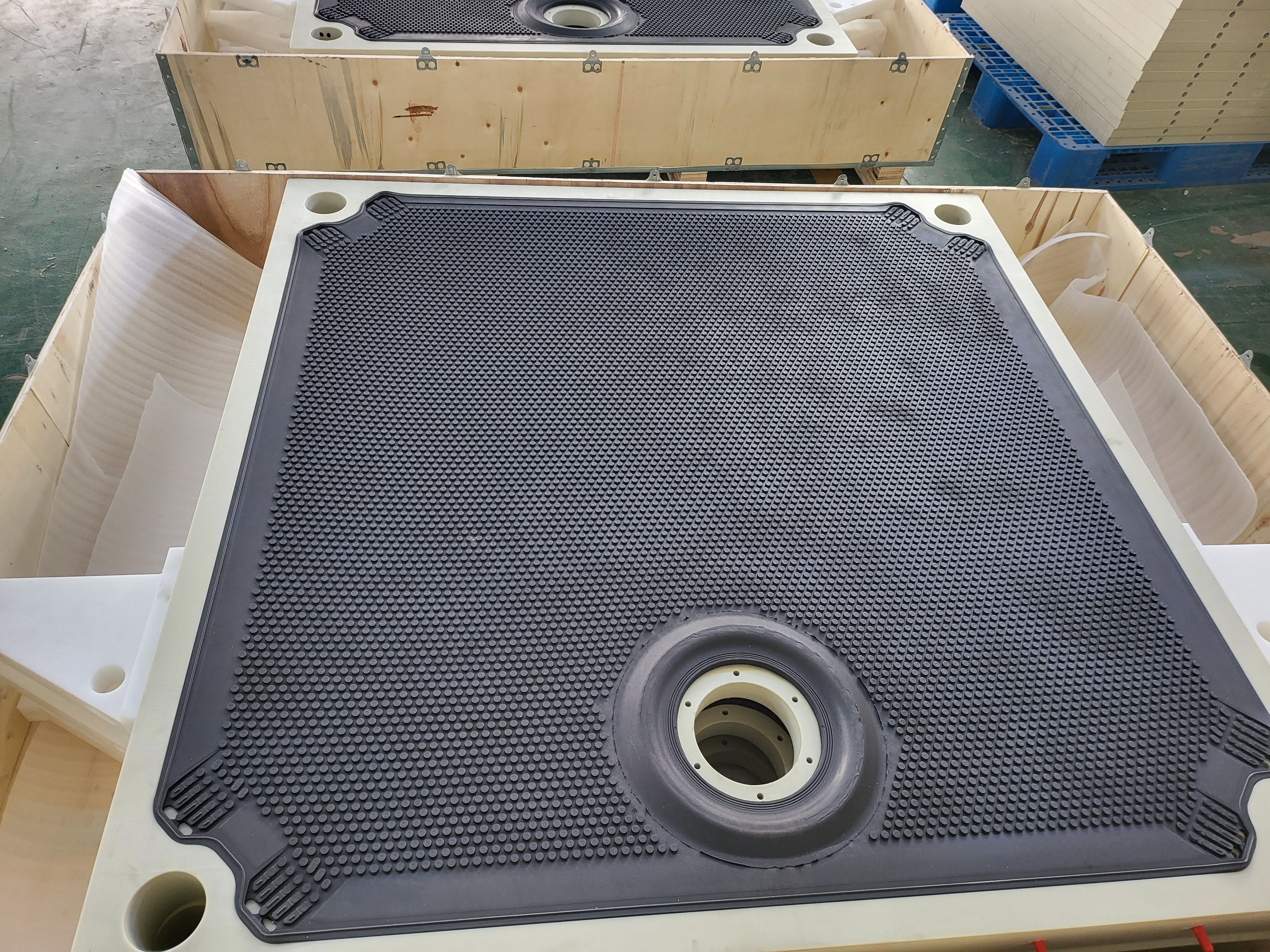
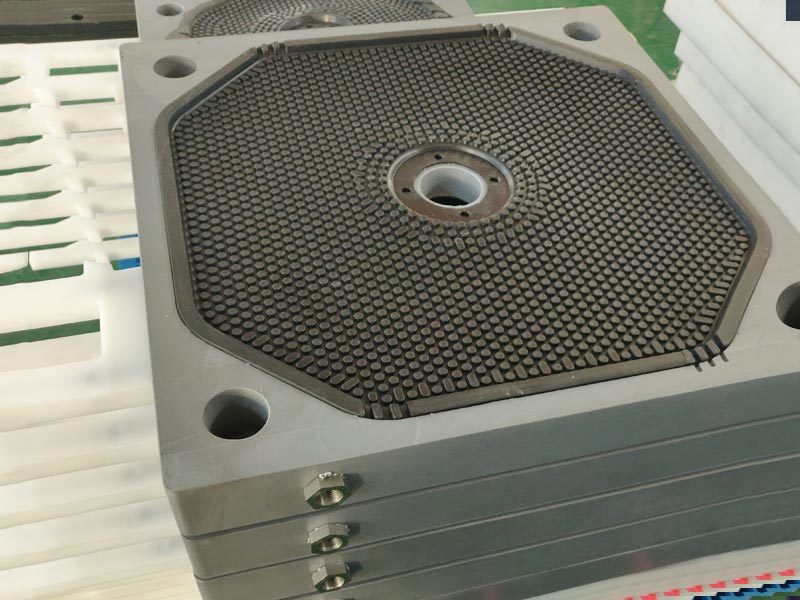
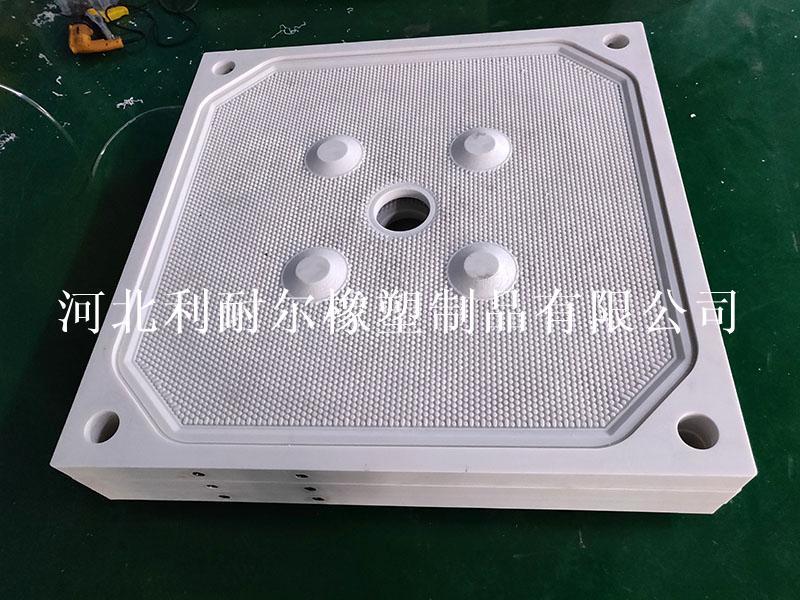
Filter plates are specialized devices designed to support the filtration of liquids and slurries. Typically made from materials such as polypropylene, stainless steel, or other durable substances, these plates serve a crucial function in separating solids from liquids. Their design often incorporates a network of pores or membranes, allowing for the efficient passage of liquid while retaining solid particles.
The Design and Composition of Filter Plates
The effectiveness of filter plates hinges on their design and material composition. Key aspects include:
- **Material Durability**: High-quality materials withstand harsh operating conditions and chemical exposure.
- **Pore Size and Distribution**: Tailored pore sizes ensure optimal filtration based on the specific application.
- **Surface Area**: A larger surface area enhances filtration capacity and efficiency.
Common Applications of Filter Plates
Filter plates find applications in diverse sectors, each benefiting from customized filtration solutions. Some common uses include:
- **Pharmaceutical Production**: Ensuring product purity and compliance with stringent regulations.
- **Beverage Industry**: Maintaining clarity and quality in products such as juices and wines.
- **Chemical Processing**: Removing contaminants from chemical solutions.
- **Wastewater Treatment**: Facilitating the removal of solids from effluents.
Key Benefits of Using Filter Plates
The adoption of filter plates in industrial filtration systems yields numerous advantages. Here are the **key benefits** that organizations can reap:
1. Enhanced Filtration Efficiency
One of the primary benefits of filter plates is their ability to enhance filtration efficiency. With precise pore sizes and tailored designs, filter plates ensure that only the desired liquid passes through, while solids are effectively captured. This leads to cleaner end products and minimizes waste.
2. Cost-Effectiveness
Implementing filter plates can significantly reduce operational costs. By optimizing filtration processes, companies can decrease the need for additional processing steps, reduce energy consumption, and minimize equipment wear and tear. The result is a more cost-effective filtration solution that maximizes return on investment.
3. Improved Product Quality
The quality of end products is paramount in industries such as food and pharmaceuticals. Filter plates help maintain high standards by ensuring that contaminants are effectively removed. This leads to safer, purer products that meet regulatory requirements and enhance customer satisfaction.
4. Versatility and Customization
Filter plates are highly versatile and can be customized to meet specific filtration needs. Whether it’s adjusting pore sizes, materials, or plate configurations, companies can design filtration systems that align with their unique operational requirements. This adaptability is crucial in a rapidly changing industrial landscape.
5. Reduced Environmental Impact
Efficient filtration processes contribute to sustainability efforts. By minimizing waste and energy consumption, filter plates help organizations reduce their environmental footprint. This aligns with global sustainability goals and enhances corporate responsibility.
6. Ease of Maintenance and Operation
Filter plates are designed for ease of use, allowing for straightforward installation and maintenance. Their robust construction minimizes the likelihood of damage, while their design facilitates quick cleaning and replacement, reducing downtime in production processes.
7. Enhanced Safety in Operations
Safety is a critical concern in industrial settings. Filter plates contribute to safer operations by effectively isolating hazardous materials from workers and enhancing the overall safety profile of the filtration process. Properly maintained filter plates help prevent leaks and spills, thereby reducing health risks.
8. Consistency in Filtration Processes
Achieving consistency in filtration is vital for quality control. Filter plates provide reliable performance, ensuring that filtration processes yield uniform results across batches. This consistency is essential for businesses that prioritize quality assurance in their products.
Choosing the Right Filter Plates for Your Needs
Selecting the right filter plates involves careful consideration of various factors. To ensure optimal performance, organizations should evaluate:
1. Application Requirements
Understanding the specific needs of your filtration application is crucial. Factors such as liquid viscosity, particle size, and desired purity levels will inform the selection of appropriate filter plates.
2. Material Compatibility
Filter plates must be compatible with the substances being filtered. Consideration of chemical resistance, temperature tolerance, and potential interactions is vital to prevent material degradation and ensure longevity.
3. Cost vs. Performance
While initial cost is an important factor, it’s essential to evaluate the long-term performance and efficiency of filter plates. Opting for higher-quality plates may involve a higher upfront investment but can lead to greater savings and improved results over time.
4. Manufacturer Reputation
Choosing a reputable manufacturer ensures that the filter plates meet industry standards and possess the necessary certifications. Quality assurance from established manufacturers can enhance reliability and performance.
Implementing Filter Plates in Your Filtration System
Successfully integrating filter plates into your existing filtration system requires strategic planning. Companies should consider the following steps:
1. Conduct a Filtration Audit
Begin with a thorough assessment of current filtration processes. Identify strengths and weaknesses, and determine where filter plates can add value.
2. Collaborate with Experts
Engaging with filtration experts or suppliers can provide valuable insights into the best practices for implementation. Their expertise can guide you in selecting the right filter plates and optimizing your filtration system.
3. Monitor Performance
Once filter plates are integrated, continuous monitoring is essential. Tracking performance metrics such as flow rates, clarity, and maintenance frequency will help identify areas for improvement and ensure that the filtration system operates at peak efficiency.
FAQs About Filter Plates in Industrial Filtration
1. What are filter plates made of?
Filter plates can be made from various materials, including polypropylene, stainless steel, and other durable plastics, depending on the specific application and requirements.
2. How often should filter plates be cleaned or replaced?
The frequency of cleaning or replacement depends on usage and the nature of the materials being filtered. Regular maintenance should be conducted to ensure optimal performance.
3. Can filter plates be customized?
Yes, filter plates can be customized in terms of size, pore structure, and material to meet specific filtration needs for different industries.
4. Are filter plates environmentally friendly?
Filter plates contribute to sustainability by reducing waste and energy consumption, thereby supporting eco-friendly industrial practices.
5. What industries benefit from using filter plates?
Industries such as pharmaceuticals, food and beverage, chemical processing, and wastewater treatment can significantly benefit from using filter plates in their filtration processes.
Conclusion
In conclusion, filter plates serve as invaluable tools in industrial material filtration, offering a wide array of benefits including enhanced efficiency, cost-effectiveness, improved product quality, and environmental sustainability. By understanding the advantages and selecting the right filter plates for specific applications, organizations can optimize their filtration processes, leading to greater operational success and competitive advantage. Embracing filter plates not only enhances productivity and safety but also aligns with modern industrial goals of reliability and sustainability.
Related News