
-
AboutHebei Linaier Rubber Products Co., Ltd. is located in Duqiao Industrial Zone, Jingxian City, Hebei Province, adjacent to Dezhou, Shandong. Founded in early 2001 with a registered capital of 35 million yuan, it is a scientific

-
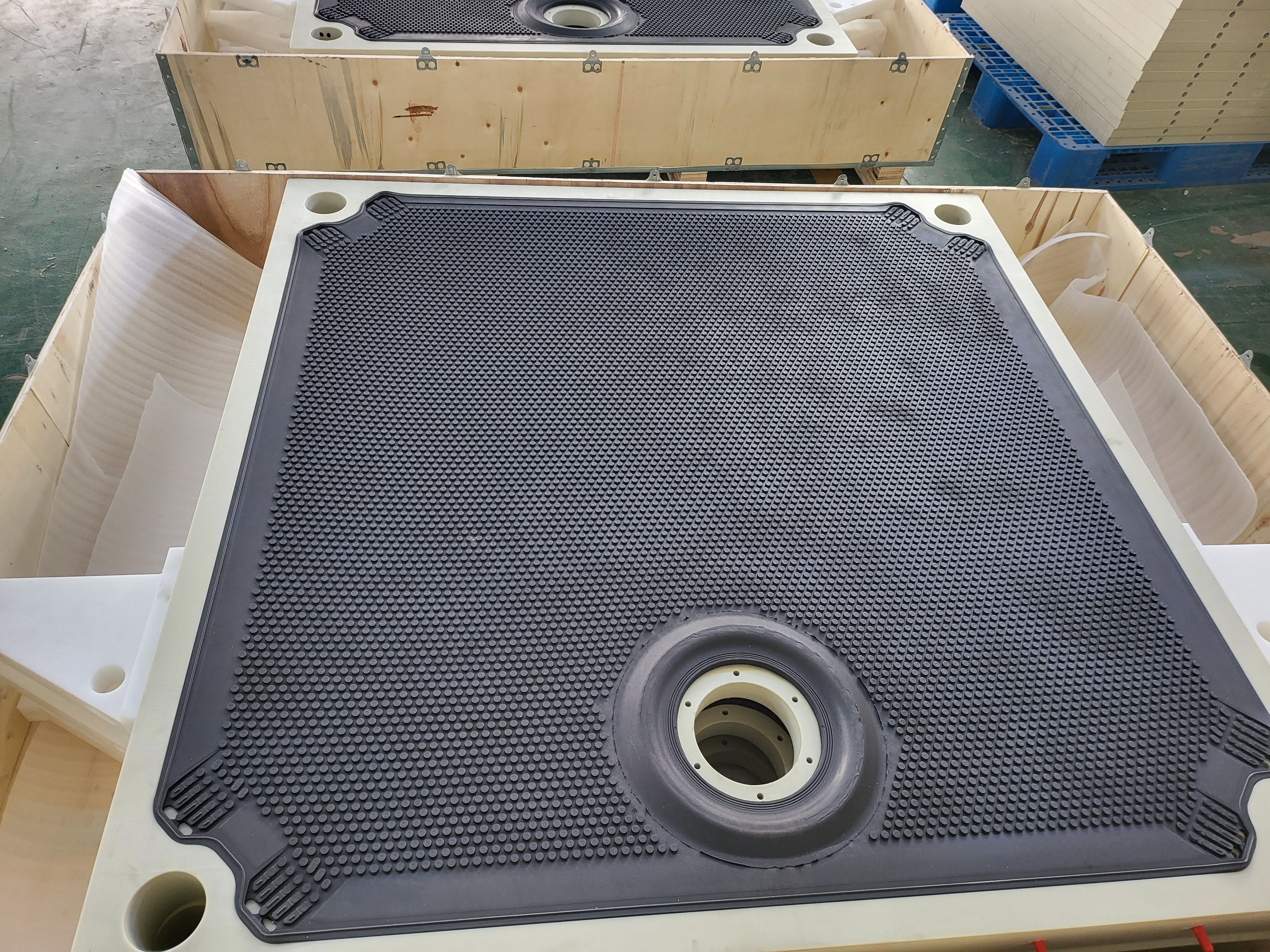
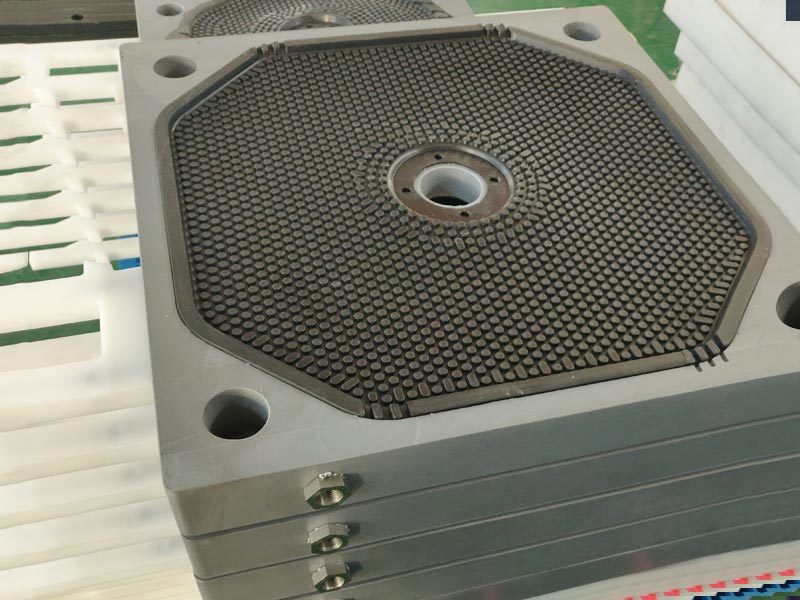
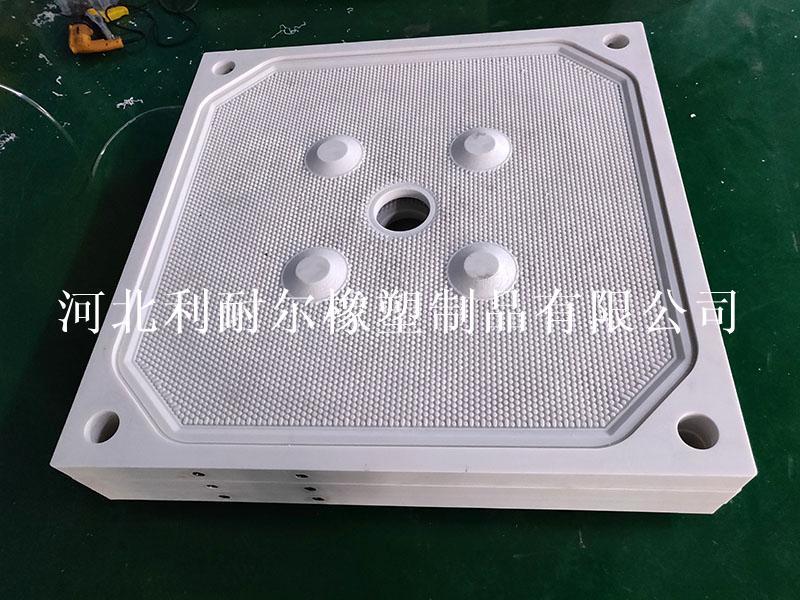
ProductMain products: vertical and horizontal imported and domestic filter plates, diaphragm plates, diaphragms and accessories; pinch valve sleeves and pinch valves and various mining accessories.
-
NewsIn 2013, our company's high-pressure cylinder with phenolic cloth support and guide ring obtained the national key new product certificate, project number: 2013GRA20011; its products in coal cylinders and engineering hydrauli
-
ServiceWe will actively cooperate with more enthusiasm, strengthen internal management, expand the market externally, improve various performance indicators of existing products, and truly achieve our win-win situation!
-
RecruitmentOur company always adheres to the talent concept of "people-oriented", provides a growth platform for talents, and realizes the common growth and development of enterprises and talents.


language
English
العربية
বাংলাদেশ
Български
Hrvatski
Česky
Dansk
Nederland
 Esperanto
Slovenski
Filipino
Suomi
Français
Maori
 Shqiptare
Georgian
 Euskara
Deutsch
Ελλάδα
ישראל
इंडिया
Magyarország
Ísland
Indonesia
Irlanda
Italia
日本語
Sovensko
Հայաստան
한국
Kyrgyz
ປະເທດລາວ
 Zulu
Zulu
Latvian
Lithuanian
Luxembourgish
 Latinus
Macedonian
Малайская
Maltese
Монгол улс
 Cymraeg
ဗမာ
 தமிழ்
தமிழ்
नेपाल
Norge
ایران
Polska
Portugal
România
Российская
Србија
 Slovak
Србија
 Slovak
Bosanski
Slovenian
Беларус
España
Sverige
Точик
ประเทศไทย
Türk
Azərbaycan
Uzbek
 Afrikaans
Việt Nam

How Filtrate Collectors Improve Efficiency in Filtering Devices
Release time:
2023-12-19
Table of Contents: 1. Introduction: Understanding the Importance of Filtrate Collectors 2. What Are Filtrate Collectors and How Do They Work? 3. Key Benefits of Incorporating Filtrate Collectors in Filtering Devices 4. Enhancing Efficiency through Filtrate Collector Design and Materials 5. Common Applications and Industries Leveraging Filtrate Collectors 6. Frequently Asked Questions (FAQs) about
Table of Contents:
1. Introduction: Understanding the Importance of Filtrate Collectors
2. What Are Filtrate Collectors and How Do They Work?
3. Key Benefits of Incorporating Filtrate Collectors in Filtering Devices
4. Enhancing Efficiency through Filtrate Collector Design and Materials
5. Common Applications and Industries Leveraging Filtrate Collectors
6. Frequently Asked Questions (FAQs) about Filtrate Collectors
7. Conclusion: Embracing Filtrate Collectors for Enhanced Filtering Efficiency
In the realm of industrial equipment and components, the efficiency of filtering devices plays a crucial role in ensuring optimal performance and cost savings. One vital component that significantly enhances the efficiency of filtering devices is the filtrate collector. This article explores the power of filtrate collectors in revolutionizing industrial filtration processes, offering valuable insights into their benefits, design considerations, common applications, and more. Let's delve into the world of filtrate collectors and discover their significant impact.
Filtrate collectors, also known as liquid collectors or filtrate drain assemblies, are integral parts of filtering devices. Their primary function is to collect and channel filtrate, the liquid extracted during the filtration process, towards the appropriate disposal or recycling system. By removing liquid efficiently, filtrate collectors enhance the overall performance and longevity of the filtration system.
Filtrate collectors typically consist of specially designed trays, channels, or collection chambers that interact with the filtering media. As the liquid passes through the filtration medium, the filtrate collectors collect and direct it towards the designated outlet or drain. This process ensures that the filtered liquid is efficiently separated from the solid particles, allowing for effective purification and separation.
The incorporation of filtrate collectors in filtering devices brings forth numerous benefits that contribute to enhanced efficiency and cost savings. Here are some key advantages:
1. Efficient Liquid Removal: Filtrate collectors expedite the removal of liquid from the filtration system, preventing liquid buildup that could compromise the filtering process. This efficient liquid removal enhances the overall productivity of the filtration system.
2. Reduced Contamination Risks: By effectively collecting and separating filtrate from solid particles, filtrate collectors minimize the chances of contamination within the filtering device. This results in cleaner filtrate and ensures the purity of the filtered product.
3. Extended Filter Lifespan: Proper liquid removal facilitated by filtrate collectors prevents clogging and excessive strain on the filtering media. As a result, the lifespan of the filters is extended, reducing maintenance costs and downtime.
4. Enhanced Process Control: Filtrate collectors offer improved process control by regulating the liquid flow and ensuring consistent filtration performance. This allows for optimal adjustment of filtration parameters, leading to better quality control and increased efficiency.
The design and choice of materials for filtrate collectors play a vital role in maximizing the efficiency of filtering devices. Consider the following factors when selecting or designing filtrate collectors:
1. Optimal Tray Design: The tray design should allow for efficient liquid collection and drainage, minimizing the risk of liquid bypassing the collector. Consider factors such as tray depth, slope, and surface treatment to optimize liquid flow and prevent stagnant zones.
2. Material Compatibility: Ensure that the materials used for the filtrate collectors are compatible with the filtered liquid and the filtration process. Chemical resistance, durability, and ease of cleaning are crucial considerations when selecting suitable materials.
3. Proper Outlet Positioning: The positioning of outlets or drains within the filtrate collectors should be strategically placed to enable effective liquid removal. Consider factors such as flow dynamics, gravity, and collection system requirements when determining the optimum outlet location.
4. Maintenance and Cleaning Considerations: Filtrate collectors should be designed with ease of maintenance and cleaning in mind. Accessible components, removable trays, and efficient cleaning methods contribute to smoother operations and prevent potential contamination risks.
Filtrate collectors find extensive use across various industries and applications, revolutionizing filtration processes. Some common applications include:
1. Industrial Water Filtration: Filtrate collectors play a crucial role in water treatment plants, ensuring efficient separation of impurities from water sources. They are employed in processes such as reverse osmosis, ultrafiltration, and microfiltration.
2. Chemical Processing: In the chemical industry, filtrate collectors enhance the separation and purification of chemicals, ensuring the delivery of high-quality and uncontaminated products.
3. Oil and Gas Filtration: Filtrate collectors are integral to oil and gas filtration systems, facilitating the removal of impurities and contaminants from the extracted fluids before further processing.
4. Pharmaceutical and Biotech Industry: Filtrate collectors contribute to the purification and sterilization processes in pharmaceutical and biotech industries, enabling the production of safe and effective medications and vaccines.
1. How do filtrate collectors differ from filters?
Filtrate collectors collect and remove the liquid filtrate, while filters trap and retain solid particles. Filtrate collectors work in conjunction with filters to ensure efficient liquid removal.
2. Can filtrate collectors be customized for specific filtration needs?
Yes, filtrate collectors can be customized to suit specific filtration requirements. Manufacturers can tailor their design, dimensions, and materials to match the desired filtration system.
3. How often should filtrate collectors be cleaned or replaced?
The cleaning or replacement frequency of filtrate collectors depends on factors such as filtration volume, contaminants present, and maintenance protocols. Regular inspections and monitoring help determine the appropriate cleaning or replacement intervals.
4. Are there different types of filtrate collectors available?
Yes, there are various types of filtrate collectors, including tray-style collectors, channel collectors, and combination collectors. The choice depends on the filtration system's design and specific requirements.
5. Can filtrate collectors improve the efficiency of existing filtration systems?
Yes, incorporating filtrate collectors into existing filtration systems can significantly enhance their efficiency by improving liquid removal, reducing clogs, and prolonging filter lifespan.
Filtrate collectors offer a powerful solution to enhance the efficiency of filtering devices in various industries. By optimizing liquid removal, reducing contamination risks, and extending filter lifespan, these components revolutionize the filtration process. Their impact can be witnessed in applications ranging from water treatment plants to chemical processing and pharmaceutical industries. Incorporating well-designed and compatible filtrate collectors brings about cost savings, improved quality control, and streamlined operations. Embrace the power of filtrate collectors and take your filtration processes to new heights of efficiency and performance.
1. Introduction: Understanding the Importance of Filtrate Collectors
2. What Are Filtrate Collectors and How Do They Work?
3. Key Benefits of Incorporating Filtrate Collectors in Filtering Devices
4. Enhancing Efficiency through Filtrate Collector Design and Materials
5. Common Applications and Industries Leveraging Filtrate Collectors
6. Frequently Asked Questions (FAQs) about Filtrate Collectors
7. Conclusion: Embracing Filtrate Collectors for Enhanced Filtering Efficiency
Introduction: Understanding the Importance of Filtrate Collectors
In the realm of industrial equipment and components, the efficiency of filtering devices plays a crucial role in ensuring optimal performance and cost savings. One vital component that significantly enhances the efficiency of filtering devices is the filtrate collector. This article explores the power of filtrate collectors in revolutionizing industrial filtration processes, offering valuable insights into their benefits, design considerations, common applications, and more. Let's delve into the world of filtrate collectors and discover their significant impact.
What Are Filtrate Collectors and How Do They Work?
Filtrate collectors, also known as liquid collectors or filtrate drain assemblies, are integral parts of filtering devices. Their primary function is to collect and channel filtrate, the liquid extracted during the filtration process, towards the appropriate disposal or recycling system. By removing liquid efficiently, filtrate collectors enhance the overall performance and longevity of the filtration system.
Filtrate collectors typically consist of specially designed trays, channels, or collection chambers that interact with the filtering media. As the liquid passes through the filtration medium, the filtrate collectors collect and direct it towards the designated outlet or drain. This process ensures that the filtered liquid is efficiently separated from the solid particles, allowing for effective purification and separation.
Key Benefits of Incorporating Filtrate Collectors in Filtering Devices
The incorporation of filtrate collectors in filtering devices brings forth numerous benefits that contribute to enhanced efficiency and cost savings. Here are some key advantages:
1. Efficient Liquid Removal: Filtrate collectors expedite the removal of liquid from the filtration system, preventing liquid buildup that could compromise the filtering process. This efficient liquid removal enhances the overall productivity of the filtration system.
2. Reduced Contamination Risks: By effectively collecting and separating filtrate from solid particles, filtrate collectors minimize the chances of contamination within the filtering device. This results in cleaner filtrate and ensures the purity of the filtered product.
3. Extended Filter Lifespan: Proper liquid removal facilitated by filtrate collectors prevents clogging and excessive strain on the filtering media. As a result, the lifespan of the filters is extended, reducing maintenance costs and downtime.
4. Enhanced Process Control: Filtrate collectors offer improved process control by regulating the liquid flow and ensuring consistent filtration performance. This allows for optimal adjustment of filtration parameters, leading to better quality control and increased efficiency.
Enhancing Efficiency through Filtrate Collector Design and Materials
The design and choice of materials for filtrate collectors play a vital role in maximizing the efficiency of filtering devices. Consider the following factors when selecting or designing filtrate collectors:
1. Optimal Tray Design: The tray design should allow for efficient liquid collection and drainage, minimizing the risk of liquid bypassing the collector. Consider factors such as tray depth, slope, and surface treatment to optimize liquid flow and prevent stagnant zones.
2. Material Compatibility: Ensure that the materials used for the filtrate collectors are compatible with the filtered liquid and the filtration process. Chemical resistance, durability, and ease of cleaning are crucial considerations when selecting suitable materials.
3. Proper Outlet Positioning: The positioning of outlets or drains within the filtrate collectors should be strategically placed to enable effective liquid removal. Consider factors such as flow dynamics, gravity, and collection system requirements when determining the optimum outlet location.
4. Maintenance and Cleaning Considerations: Filtrate collectors should be designed with ease of maintenance and cleaning in mind. Accessible components, removable trays, and efficient cleaning methods contribute to smoother operations and prevent potential contamination risks.
Common Applications and Industries Leveraging Filtrate Collectors
Filtrate collectors find extensive use across various industries and applications, revolutionizing filtration processes. Some common applications include:
1. Industrial Water Filtration: Filtrate collectors play a crucial role in water treatment plants, ensuring efficient separation of impurities from water sources. They are employed in processes such as reverse osmosis, ultrafiltration, and microfiltration.
2. Chemical Processing: In the chemical industry, filtrate collectors enhance the separation and purification of chemicals, ensuring the delivery of high-quality and uncontaminated products.
3. Oil and Gas Filtration: Filtrate collectors are integral to oil and gas filtration systems, facilitating the removal of impurities and contaminants from the extracted fluids before further processing.
4. Pharmaceutical and Biotech Industry: Filtrate collectors contribute to the purification and sterilization processes in pharmaceutical and biotech industries, enabling the production of safe and effective medications and vaccines.
Frequently Asked Questions (FAQs) about Filtrate Collectors
1. How do filtrate collectors differ from filters?
Filtrate collectors collect and remove the liquid filtrate, while filters trap and retain solid particles. Filtrate collectors work in conjunction with filters to ensure efficient liquid removal.
2. Can filtrate collectors be customized for specific filtration needs?
Yes, filtrate collectors can be customized to suit specific filtration requirements. Manufacturers can tailor their design, dimensions, and materials to match the desired filtration system.
3. How often should filtrate collectors be cleaned or replaced?
The cleaning or replacement frequency of filtrate collectors depends on factors such as filtration volume, contaminants present, and maintenance protocols. Regular inspections and monitoring help determine the appropriate cleaning or replacement intervals.
4. Are there different types of filtrate collectors available?
Yes, there are various types of filtrate collectors, including tray-style collectors, channel collectors, and combination collectors. The choice depends on the filtration system's design and specific requirements.
5. Can filtrate collectors improve the efficiency of existing filtration systems?
Yes, incorporating filtrate collectors into existing filtration systems can significantly enhance their efficiency by improving liquid removal, reducing clogs, and prolonging filter lifespan.
Conclusion: Embracing Filtrate Collectors for Enhanced Filtering Efficiency
Filtrate collectors offer a powerful solution to enhance the efficiency of filtering devices in various industries. By optimizing liquid removal, reducing contamination risks, and extending filter lifespan, these components revolutionize the filtration process. Their impact can be witnessed in applications ranging from water treatment plants to chemical processing and pharmaceutical industries. Incorporating well-designed and compatible filtrate collectors brings about cost savings, improved quality control, and streamlined operations. Embrace the power of filtrate collectors and take your filtration processes to new heights of efficiency and performance.
Related News