
-
AboutHebei Linaier Rubber Products Co., Ltd. is located in Duqiao Industrial Zone, Jingxian City, Hebei Province, adjacent to Dezhou, Shandong. Founded in early 2001 with a registered capital of 35 million yuan, it is a scientific

-
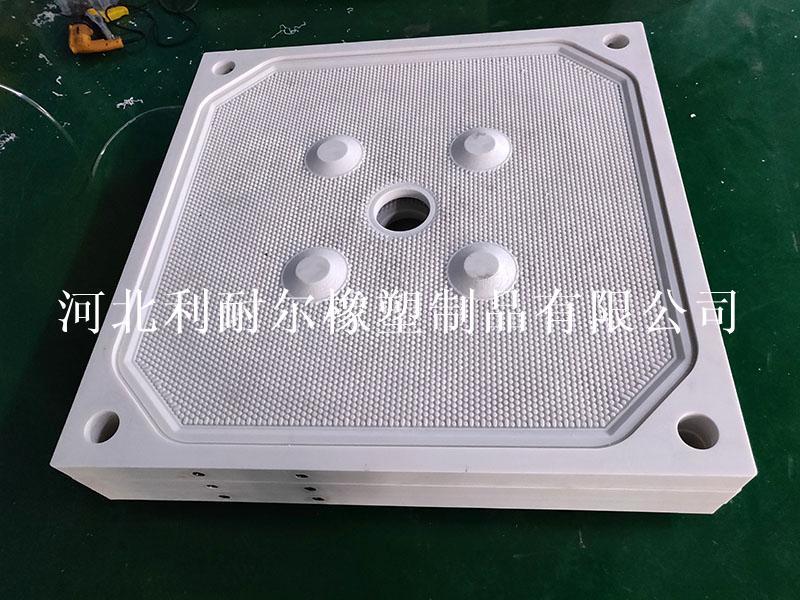
ProductMain products: vertical and horizontal imported and domestic filter plates, diaphragm plates, diaphragms and accessories; pinch valve sleeves and pinch valves and various mining accessories.
-
NewsIn 2013, our company's high-pressure cylinder with phenolic cloth support and guide ring obtained the national key new product certificate, project number: 2013GRA20011; its products in coal cylinders and engineering hydrauli
-
ServiceWe will actively cooperate with more enthusiasm, strengthen internal management, expand the market externally, improve various performance indicators of existing products, and truly achieve our win-win situation!
-
RecruitmentOur company always adheres to the talent concept of "people-oriented", provides a growth platform for talents, and realizes the common growth and development of enterprises and talents.


language
English
العربية
বাংলাদেশ
Български
Hrvatski
Česky
Dansk
Nederland
 Esperanto
Slovenski
Filipino
Suomi
Français
Maori
 Shqiptare
Georgian
 Euskara
Deutsch
Ελλάδα
ישראל
इंडिया
Magyarország
Ísland
Indonesia
Irlanda
Italia
日本語
Sovensko
Հայաստան
한국
Kyrgyz
ປະເທດລາວ
 Zulu
Zulu
Latvian
Lithuanian
Luxembourgish
 Latinus
Macedonian
Малайская
Maltese
Монгол улс
 Cymraeg
ဗမာ
 தமிழ்
தமிழ்
नेपाल
Norge
ایران
Polska
Portugal
România
Российская
Србија
 Slovak
Србија
 Slovak
Bosanski
Slovenian
Беларус
España
Sverige
Точик
ประเทศไทย
Türk
Azərbaycan
Uzbek
 Afrikaans
Việt Nam

Exploring Different Types of Cloth Guide Rings in the Filter Material Industry
Release time:
2023-11-23
Introduction The filter material industry plays a crucial role in ensuring efficient and effective filtration processes across various industrial sectors. Within this industry, cloth guide rings are essential components that contribute to the overall performance and longevity of filtration systems. In this article, we will delve into the world of cloth guide rings, exploring their types, applicati
Introduction
The filter material industry plays a crucial role in ensuring efficient and effective filtration processes across various industrial sectors. Within this industry, cloth guide rings are essential components that contribute to the overall performance and longevity of filtration systems. In this article, we will delve into the world of cloth guide rings, exploring their types, applications, and benefits.
What are Cloth Guide Rings?
Cloth guide rings, also known as fabric guide rings, are circular components made from high-quality materials. They are specifically designed to guide and support filter cloth in filtration systems. These rings play a significant role in maintaining proper alignment and tension of the filter cloth, ensuring optimal filtration efficiency.
Types of Cloth Guide Rings
1. Metal Cloth Guide Rings
Metal cloth guide rings are widely used in the filter material industry due to their durability and strength. They are typically made from stainless steel or other corrosion-resistant metals. These rings offer excellent stability and can withstand high pressures and harsh operating conditions.
2. Plastic Cloth Guide Rings
Plastic cloth guide rings are lightweight and cost-effective alternatives to metal rings. They are commonly made from materials like nylon, polypropylene, or polyethylene. These rings provide good resistance to chemicals and are suitable for applications where corrosion is a concern.
3. Composite Cloth Guide Rings
Composite cloth guide rings combine the advantages of both metal and plastic rings. They are made by integrating metal and plastic components, offering enhanced strength, durability, and resistance to corrosion. These rings are ideal for demanding filtration applications.
4. Rubber Cloth Guide Rings
Rubber cloth guide rings are known for their flexibility and shock-absorbing properties. They are typically made from elastomers like natural rubber or synthetic rubber compounds. These rings provide excellent vibration damping and are commonly used in applications where noise reduction is important.
Applications of Cloth Guide Rings
Cloth guide rings find extensive applications in the filter material industry, supporting filtration processes in various industrial equipment. Some common applications include:
1. Filter Presses
Cloth guide rings are crucial components in filter presses, which are widely used in industrial filtration. These rings ensure proper alignment and tension of the filter cloth, enabling efficient filtration and preventing leaks.
2. Vacuum Filters
In vacuum filters, cloth guide rings assist in maintaining the correct position and tension of the filter cloth. They help prevent the cloth from sagging or getting displaced, ensuring optimal filtration performance.
3. Belt Filters
Belt filters utilize cloth guide rings to guide and support the filter cloth as it moves through the filtration process. These rings help maintain consistent tension, preventing cloth slippage and ensuring uniform filtration.
4. Drum Filters
Drum filters employ cloth guide rings to support the filter cloth as it rotates around the drum. These rings contribute to the proper alignment and tension of the cloth, ensuring efficient filtration and preventing cloth damage.
Benefits of Cloth Guide Rings
1. Enhanced Filtration Efficiency
Cloth guide rings play a vital role in maintaining the proper alignment and tension of the filter cloth. This ensures that the cloth remains in the correct position, allowing for effective filtration without bypassing contaminants.
2. Extended Equipment Lifespan
By providing support and stability to the filter cloth, cloth guide rings prevent excessive wear and tear on machinery components. This extends the lifespan of filtration equipment, reducing maintenance costs and downtime.
3. Improved Filtration Performance
Proper alignment and tension of the filter cloth, facilitated by cloth guide rings, result in improved filtration performance. These rings help prevent cloth displacement, sagging, or wrinkling, ensuring consistent and efficient filtration.
4. Reduced Risk of Leaks
Cloth guide rings help maintain a tight seal between the filter cloth and the filtration system, minimizing the risk of leaks. This ensures that the filtration process remains effective and contaminants are captured efficiently.
Frequently Asked Questions (FAQs)
Q1: Are cloth guide rings compatible with different filter cloth materials?
Yes, cloth guide rings are designed to be compatible with various filter cloth materials, including woven and non-woven fabrics. Manufacturers often provide different ring sizes to accommodate different cloth thicknesses.
Q2: Can cloth guide rings be customized according to specific filtration requirements?
Yes, many manufacturers offer customizations for cloth guide rings. This allows for the creation of rings with specific dimensions, materials, and features to meet the unique needs of different filtration applications.
Q3: How often should cloth guide rings be replaced?
The lifespan of cloth guide rings depends on factors such as operating conditions, frequency of use, and maintenance practices. Regular inspection and replacement of worn or damaged rings is recommended to ensure optimal filtration performance.
Q4: Are cloth guide rings easy to install?
Cloth guide rings are designed for easy installation. They can be quickly attached to the filtration system using screws, bolts, or other fastening methods. Manufacturers often provide detailed installation instructions for seamless integration.
Q5: Are there any maintenance requirements for cloth guide rings?
Cloth guide rings generally require minimal maintenance. Regular inspection for wear or damage is advised, and any worn rings should be replaced promptly. Keeping the rings clean and free from debris is also important for optimal performance.
Conclusion
Cloth guide rings are indispensable components in the filter material industry, ensuring proper alignment and tension of filter cloth in filtration systems. By exploring the various types, applications, and benefits of cloth guide rings, you can make an informed decision when selecting the perfect ring for your filtration needs. With their ability to enhance filtration efficiency, prolong equipment lifespan, and improve filtration performance, cloth guide rings play a crucial role in optimizing filtration processes across multiple industries.
Related News