
-
AboutHebei Linaier Rubber Products Co., Ltd. is located in Duqiao Industrial Zone, Jingxian City, Hebei Province, adjacent to Dezhou, Shandong. Founded in early 2001 with a registered capital of 35 million yuan, it is a scientific

-
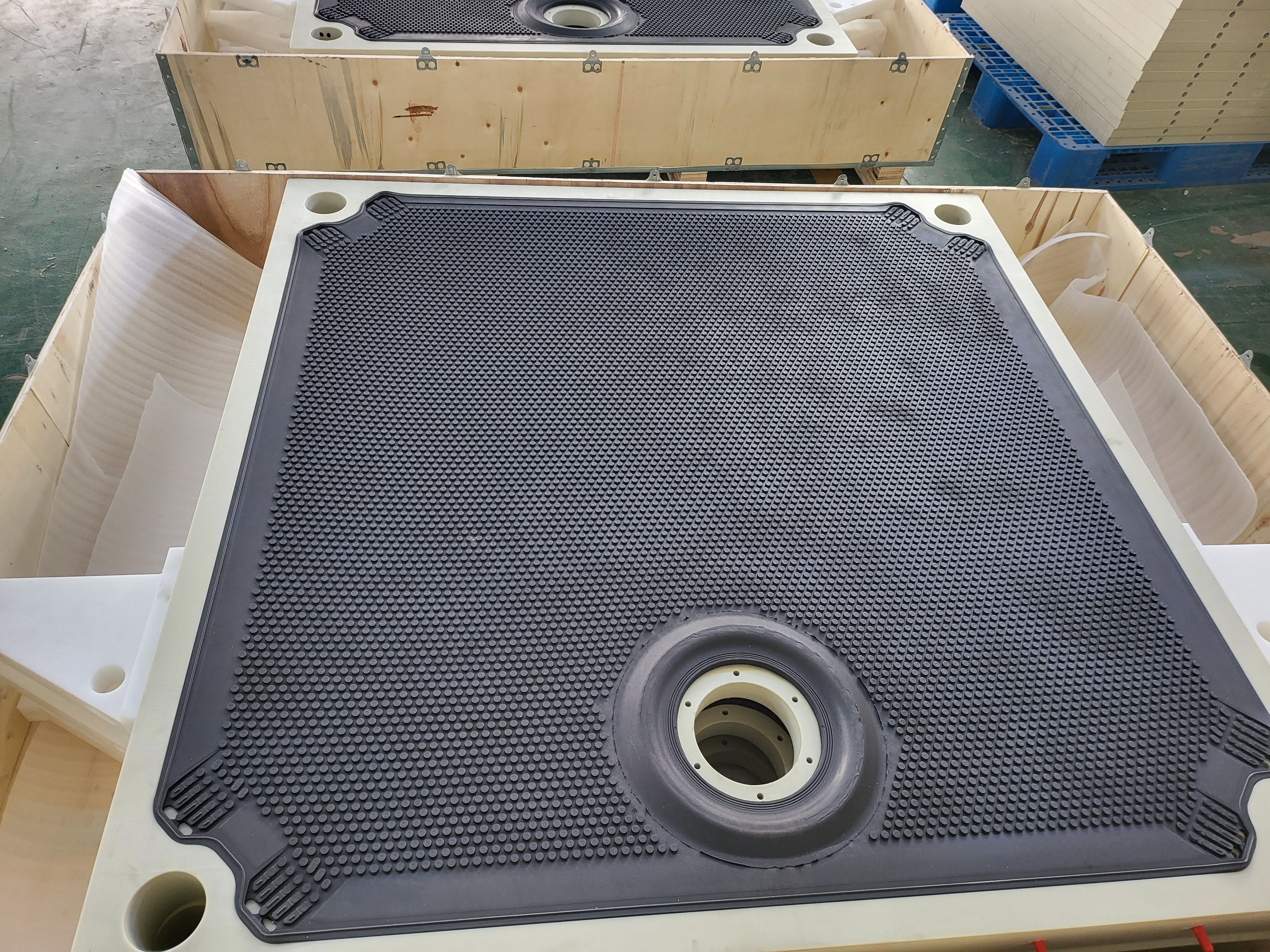
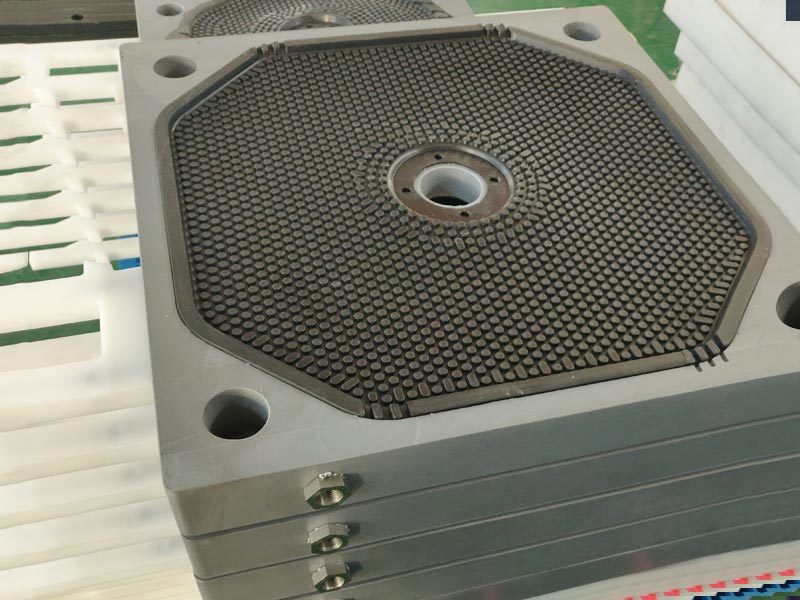
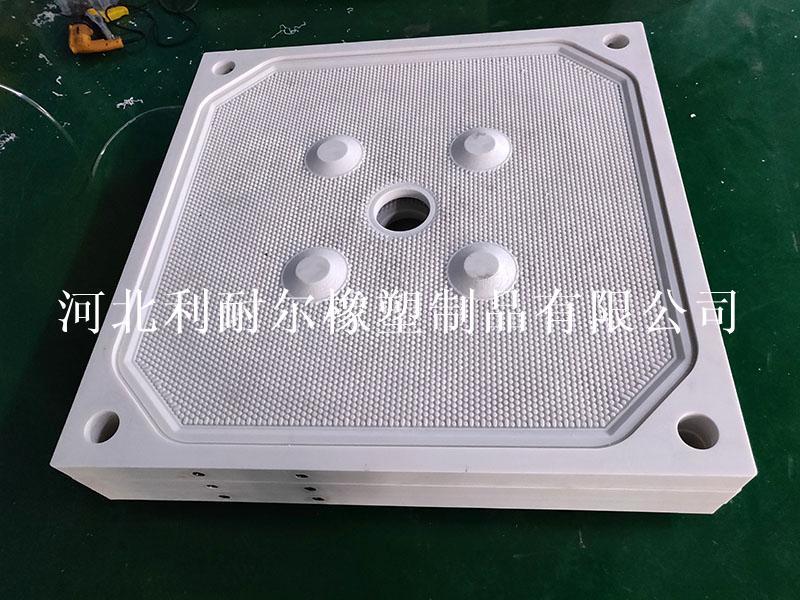
ProductMain products: vertical and horizontal imported and domestic filter plates, diaphragm plates, diaphragms and accessories; pinch valve sleeves and pinch valves and various mining accessories.
-
NewsIn 2013, our company's high-pressure cylinder with phenolic cloth support and guide ring obtained the national key new product certificate, project number: 2013GRA20011; its products in coal cylinders and engineering hydrauli
-
ServiceWe will actively cooperate with more enthusiasm, strengthen internal management, expand the market externally, improve various performance indicators of existing products, and truly achieve our win-win situation!
-
RecruitmentOur company always adheres to the talent concept of "people-oriented", provides a growth platform for talents, and realizes the common growth and development of enterprises and talents.


language
English
العربية
বাংলাদেশ
Български
Hrvatski
Česky
Dansk
Nederland
 Esperanto
Slovenski
Filipino
Suomi
Français
Maori
 Shqiptare
Georgian
 Euskara
Deutsch
Ελλάδα
ישראל
इंडिया
Magyarország
Ísland
Indonesia
Irlanda
Italia
日本語
Sovensko
Հայաստան
한국
Kyrgyz
ປະເທດລາວ
 Zulu
Zulu
Latvian
Lithuanian
Luxembourgish
 Latinus
Macedonian
Малайская
Maltese
Монгол улс
 Cymraeg
ဗမာ
 தமிழ்
தமிழ்
नेपाल
Norge
ایران
Polska
Portugal
România
Российская
Србија
 Slovak
Србија
 Slovak
Bosanski
Slovenian
Беларус
España
Sverige
Точик
ประเทศไทย
Türk
Azərbaycan
Uzbek
 Afrikaans
Việt Nam

Effective Ways to Prevent Dust Build-up in Industrial Equipment
Release time:
2023-11-21
Table of Contents: 1. Introduction 2. The Impact of Dust Build-up on Industrial Equipment 3. Routine Inspections and Maintenance 4. Implementing Effective Ventilation Systems 5. Utilizing Proper Filtration Methods 6. Regular Cleaning and Dust Removal 7. Sealing and Enclosure Techniques 8. Education and Training for Personnel 9. Frequently Asked Questions (FAQs) 10. Conclusion 1. Introduction Welco
Table of Contents:
1. Introduction
2. The Impact of Dust Build-up on Industrial Equipment
3. Routine Inspections and Maintenance
4. Implementing Effective Ventilation Systems
5. Utilizing Proper Filtration Methods
6. Regular Cleaning and Dust Removal
7. Sealing and Enclosure Techniques
8. Education and Training for Personnel
9. Frequently Asked Questions (FAQs)
10. Conclusion
Welcome to our comprehensive guide on preventing dust build-up in industrial equipment. In this article, we will explore the detrimental effects of dust on machinery and provide you with effective strategies to combat this issue. By implementing these preventive measures, you can ensure the longevity and optimal performance of your industrial equipment.
Dust build-up can have severe consequences on industrial equipment. The accumulation of dust particles can hinder the proper functioning of machinery, leading to reduced efficiency and increased downtime. Dust can cause clogging of air filters, obstruct cooling systems, and damage sensitive electrical components. Moreover, excessive dust build-up can pose safety risks and increase the likelihood of equipment failure or breakdowns.
Regular inspections and maintenance play a crucial role in preventing dust build-up in industrial equipment. Conducting routine checks allows you to identify potential problem areas and address them proactively. Inspect air intake systems, filters, and ventilation components to ensure they are functioning optimally. Schedule regular cleaning and maintenance tasks to remove any accumulated dust or debris that may hinder equipment performance.
Proper ventilation is essential in preventing dust accumulation in industrial equipment. Install or upgrade ventilation systems to promote air circulation and minimize the entry of dust particles. Consider using high-efficiency particulate air (HEPA) filters and ensure that the system is correctly balanced to maintain positive pressure, preventing dust ingress.
Employing appropriate filtration methods is another key strategy to prevent dust build-up. Select filters that are designed to capture dust particles of the appropriate size for your specific industrial application. Regularly inspect and replace filters as recommended by the equipment manufacturer to maintain optimal filtration performance.
Implementing a regular cleaning and dust removal schedule is vital to prevent dust build-up. Use industrial-grade vacuum cleaners equipped with HEPA filters to remove dust from equipment surfaces, vents, and hard-to-reach areas. Ensure that cleaning procedures are followed meticulously and that no dust or debris is left behind after the cleaning process.
Implementing sealing and enclosure techniques can significantly reduce the entry of dust into industrial equipment. Seal gaps, cracks, and openings in equipment and surrounding areas to prevent dust infiltration. Consider enclosing equipment in cleanrooms or using protective covers to minimize exposure to dust particles. Regularly inspect and maintain the integrity of seals and enclosures to ensure their effectiveness.
Providing comprehensive education and training to personnel is essential in preventing dust build-up in industrial equipment. Ensure that employees are aware of the importance of dust control measures and are trained on proper cleaning and maintenance procedures. Encourage a culture of cleanliness and accountability to minimize the risk of dust-related equipment issues.
Q1. How often should I conduct routine inspections for dust build-up?
A1. It is recommended to perform routine inspections for dust build-up at least once every quarter. However, the frequency may vary depending on the specific industrial environment and the equipment used.
Q2. Can dust build-up cause equipment overheating?
A2. Yes, excessive dust build-up can obstruct cooling systems, leading to equipment overheating. Regular cleaning and maintenance of cooling components are crucial to prevent such issues.
Q3. What are some signs of dust-related equipment issues?
A3. Signs of dust-related equipment issues include reduced efficiency, increased noise levels, unusual vibrations, frequent breakdowns, and abnormal temperature readings. Prompt action should be taken if any of these signs are observed.
Q4. How can I ensure proper ventilation in my facility?
A4. To ensure proper ventilation, use well-designed ventilation systems, maintain positive pressure, and regularly inspect and clean air intake systems and filters.
Q5. Are there any specific cleaning agents recommended for dust removal?
A5. It is essential to consult equipment manufacturers for recommended cleaning agents and procedures. Using the wrong cleaning agents can potentially damage sensitive equipment components.
Preventing dust build-up in industrial equipment is crucial for maintaining optimal performance and minimizing downtime. By implementing routine inspections, effective ventilation systems, proper filtration methods, regular cleaning, sealing techniques, and providing education and training to personnel, you can significantly reduce the impact of dust on your equipment. Remember that proactive measures are essential to prevent dust-related issues and ensure the longevity of your industrial equipment.
1. Introduction
2. The Impact of Dust Build-up on Industrial Equipment
3. Routine Inspections and Maintenance
4. Implementing Effective Ventilation Systems
5. Utilizing Proper Filtration Methods
6. Regular Cleaning and Dust Removal
7. Sealing and Enclosure Techniques
8. Education and Training for Personnel
9. Frequently Asked Questions (FAQs)
10. Conclusion
1. Introduction
Welcome to our comprehensive guide on preventing dust build-up in industrial equipment. In this article, we will explore the detrimental effects of dust on machinery and provide you with effective strategies to combat this issue. By implementing these preventive measures, you can ensure the longevity and optimal performance of your industrial equipment.
2. The Impact of Dust Build-up on Industrial Equipment
Dust build-up can have severe consequences on industrial equipment. The accumulation of dust particles can hinder the proper functioning of machinery, leading to reduced efficiency and increased downtime. Dust can cause clogging of air filters, obstruct cooling systems, and damage sensitive electrical components. Moreover, excessive dust build-up can pose safety risks and increase the likelihood of equipment failure or breakdowns.
3. Routine Inspections and Maintenance
Regular inspections and maintenance play a crucial role in preventing dust build-up in industrial equipment. Conducting routine checks allows you to identify potential problem areas and address them proactively. Inspect air intake systems, filters, and ventilation components to ensure they are functioning optimally. Schedule regular cleaning and maintenance tasks to remove any accumulated dust or debris that may hinder equipment performance.
4. Implementing Effective Ventilation Systems
Proper ventilation is essential in preventing dust accumulation in industrial equipment. Install or upgrade ventilation systems to promote air circulation and minimize the entry of dust particles. Consider using high-efficiency particulate air (HEPA) filters and ensure that the system is correctly balanced to maintain positive pressure, preventing dust ingress.
5. Utilizing Proper Filtration Methods
Employing appropriate filtration methods is another key strategy to prevent dust build-up. Select filters that are designed to capture dust particles of the appropriate size for your specific industrial application. Regularly inspect and replace filters as recommended by the equipment manufacturer to maintain optimal filtration performance.
6. Regular Cleaning and Dust Removal
Implementing a regular cleaning and dust removal schedule is vital to prevent dust build-up. Use industrial-grade vacuum cleaners equipped with HEPA filters to remove dust from equipment surfaces, vents, and hard-to-reach areas. Ensure that cleaning procedures are followed meticulously and that no dust or debris is left behind after the cleaning process.
7. Sealing and Enclosure Techniques
Implementing sealing and enclosure techniques can significantly reduce the entry of dust into industrial equipment. Seal gaps, cracks, and openings in equipment and surrounding areas to prevent dust infiltration. Consider enclosing equipment in cleanrooms or using protective covers to minimize exposure to dust particles. Regularly inspect and maintain the integrity of seals and enclosures to ensure their effectiveness.
8. Education and Training for Personnel
Providing comprehensive education and training to personnel is essential in preventing dust build-up in industrial equipment. Ensure that employees are aware of the importance of dust control measures and are trained on proper cleaning and maintenance procedures. Encourage a culture of cleanliness and accountability to minimize the risk of dust-related equipment issues.
9. Frequently Asked Questions (FAQs)
Q1. How often should I conduct routine inspections for dust build-up?
A1. It is recommended to perform routine inspections for dust build-up at least once every quarter. However, the frequency may vary depending on the specific industrial environment and the equipment used.
Q2. Can dust build-up cause equipment overheating?
A2. Yes, excessive dust build-up can obstruct cooling systems, leading to equipment overheating. Regular cleaning and maintenance of cooling components are crucial to prevent such issues.
Q3. What are some signs of dust-related equipment issues?
A3. Signs of dust-related equipment issues include reduced efficiency, increased noise levels, unusual vibrations, frequent breakdowns, and abnormal temperature readings. Prompt action should be taken if any of these signs are observed.
Q4. How can I ensure proper ventilation in my facility?
A4. To ensure proper ventilation, use well-designed ventilation systems, maintain positive pressure, and regularly inspect and clean air intake systems and filters.
Q5. Are there any specific cleaning agents recommended for dust removal?
A5. It is essential to consult equipment manufacturers for recommended cleaning agents and procedures. Using the wrong cleaning agents can potentially damage sensitive equipment components.
10. Conclusion
Preventing dust build-up in industrial equipment is crucial for maintaining optimal performance and minimizing downtime. By implementing routine inspections, effective ventilation systems, proper filtration methods, regular cleaning, sealing techniques, and providing education and training to personnel, you can significantly reduce the impact of dust on your equipment. Remember that proactive measures are essential to prevent dust-related issues and ensure the longevity of your industrial equipment.
Related News