
-
AboutHebei Linaier Rubber Products Co., Ltd. is located in Duqiao Industrial Zone, Jingxian City, Hebei Province, adjacent to Dezhou, Shandong. Founded in early 2001 with a registered capital of 35 million yuan, it is a scientific

-
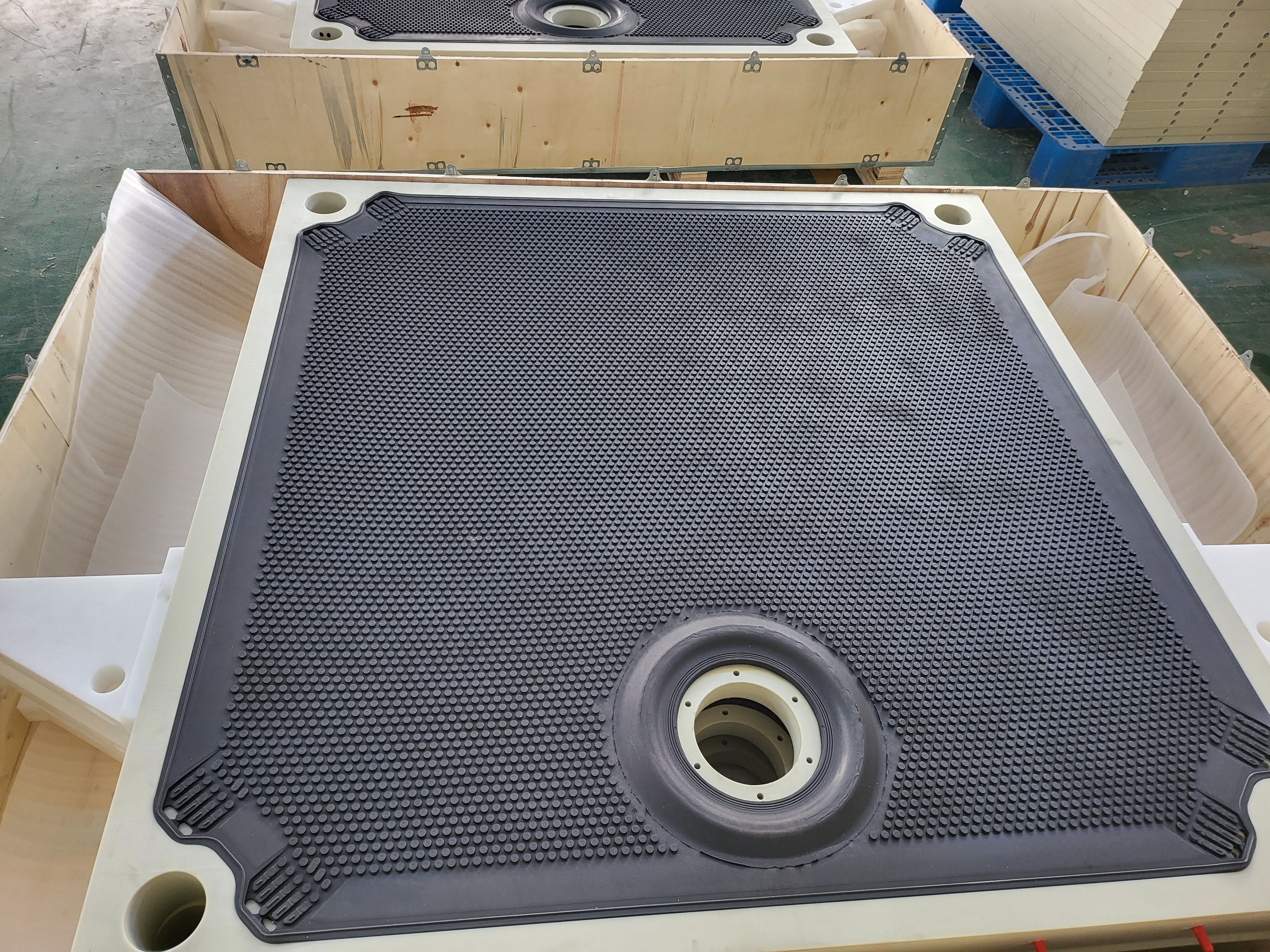
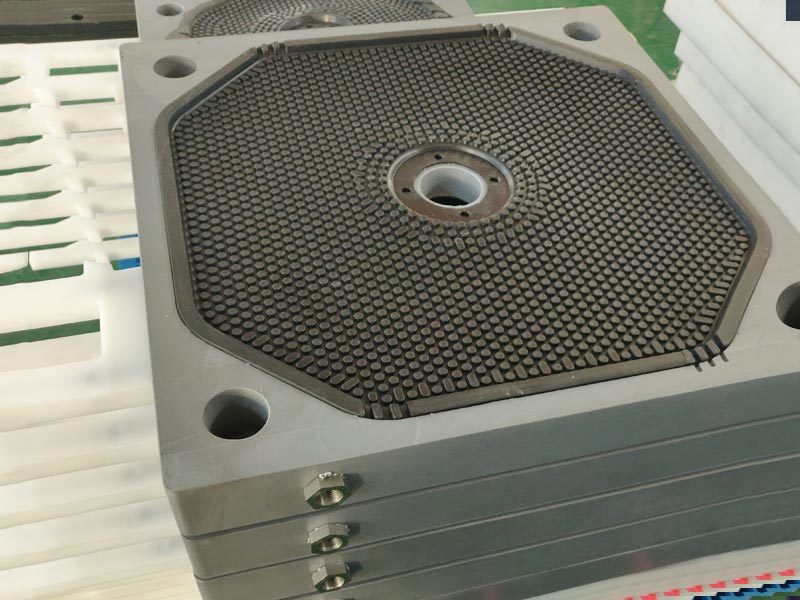
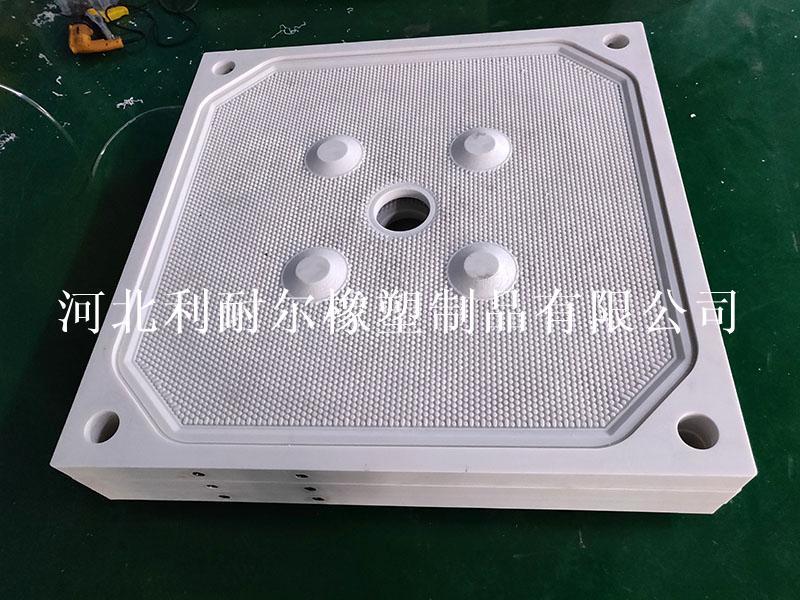
ProductMain products: vertical and horizontal imported and domestic filter plates, diaphragm plates, diaphragms and accessories; pinch valve sleeves and pinch valves and various mining accessories.
-
NewsIn 2013, our company's high-pressure cylinder with phenolic cloth support and guide ring obtained the national key new product certificate, project number: 2013GRA20011; its products in coal cylinders and engineering hydrauli
-
ServiceWe will actively cooperate with more enthusiasm, strengthen internal management, expand the market externally, improve various performance indicators of existing products, and truly achieve our win-win situation!
-
RecruitmentOur company always adheres to the talent concept of "people-oriented", provides a growth platform for talents, and realizes the common growth and development of enterprises and talents.


language
English
العربية
বাংলাদেশ
Български
Hrvatski
Česky
Dansk
Nederland
 Esperanto
Slovenski
Filipino
Suomi
Français
Maori
 Shqiptare
Georgian
 Euskara
Deutsch
Ελλάδα
ישראל
इंडिया
Magyarország
Ísland
Indonesia
Irlanda
Italia
日本語
Sovensko
Հայաստան
한국
Kyrgyz
ປະເທດລາວ
 Zulu
Zulu
Latvian
Lithuanian
Luxembourgish
 Latinus
Macedonian
Малайская
Maltese
Монгол улс
 Cymraeg
ဗမာ
 தமிழ்
தமிழ்
नेपाल
Norge
ایران
Polska
Portugal
România
Российская
Србија
 Slovak
Србија
 Slovak
Bosanski
Slovenian
Беларус
España
Sverige
Точик
ประเทศไทย
Türk
Azərbaycan
Uzbek
 Afrikaans
Việt Nam

How Sealing Elements Ensure Leak-Free Connections: The Key to Reliable and Efficient Systems
Release time:
2023-09-20
Table of Contents: 1. Introduction: The Role of Sealing Elements in Leak-Free Connections 2. Understanding Sealing Elements and Their Importance 3. Types of Sealing Elements 3.1. Gaskets: Essential Components for Secure Sealing 3.2. O-Rings: Versatile and Reliable Sealing Solutions 3.3. Flange Seals: Ensuring Tight Connections 3.4. Thread Seals: Keeping Joints Leak-Free 4. Applications
Table of Contents:
1. Introduction: The Role of Sealing Elements in Leak-Free Connections
2. Understanding Sealing Elements and Their Importance
3. Types of Sealing Elements
3.1. Gaskets: Essential Components for Secure Sealing
3.2. O-Rings: Versatile and Reliable Sealing Solutions
3.3. Flange Seals: Ensuring Tight Connections
3.4. Thread Seals: Keeping Joints Leak-Free
4. Applications of Sealing Elements
4.1. Automotive Industry: Enhancing Performance and Durability
4.2. Oil and Gas Sector: Maintaining Safety and Preventing Environmental Contamination
4.3. Aerospace and Aviation: Critical Sealing Solutions for Extreme Conditions
4.4. Plumbing and HVAC: Achieving Water and Air-Tight Systems
5. Choosing the Right Sealing Element
5.1. Considerations for Material Selection
5.2. Compatibility with Fluids and Environments
5.3. Temperature and Pressure Resistance
5.4. Size and Installation Requirements
6. Installation Best Practices for Leak-Free Connections
6.1. Proper Surface Preparation
6.2. Correct Torqueing Techniques
6.3. Lubrication and Assembly Procedures
6.4. Regular Inspection and Maintenance
7. Frequently Asked Questions (FAQs)
7.1. What are the common causes of sealing element failure?
7.2. Can sealing elements be reused?
7.3. Are there alternatives to traditional sealing elements?
7.4. How long do sealing elements last?
7.5. What is the impact of sealing element failure?
8. Conclusion: Unlocking Leak-Free Connections with Sealing Elements
---
In various industries and applications, leak-free connections are vital for ensuring the reliability, safety, and efficiency of systems. Sealing elements play a crucial role in achieving and maintaining these leak-free connections. From preventing fluid leaks in automotive engines to ensuring the integrity of critical infrastructure, understanding the importance of sealing elements is essential for engineers, technicians, and professionals across a wide range of sectors.
Sealing elements, also known as seals or gaskets, are mechanical devices designed to fill the gaps and spaces between two or more mating surfaces, creating a barrier that prevents the passage of fluids or gases. These elements are typically made from materials such as rubber, silicone, metal, or composite compounds, chosen for their ability to withstand varying temperatures, pressures, and chemical exposures.
The importance of sealing elements cannot be overstated. They are responsible for maintaining the integrity of connections, preventing leakage, reducing the risk of contamination, and ensuring the overall performance and longevity of systems. Without proper sealing, leaks can occur, leading to system failures, environmental hazards, costly repairs, and compromised safety.
There are several types of sealing elements available, each designed for specific applications and requirements. Understanding the characteristics and capabilities of different sealing elements is crucial for selecting the right solution for your needs. Here are some common types:
Gaskets are widely used in various industries, including automotive, manufacturing, and plumbing. These flat or shaped components are placed between two mating surfaces to create a tight seal. Gaskets can be made from materials such as rubber, metal, cork, or graphite, depending on the specific demands of the application.
O-rings are circular sealing elements with a cross-section resembling the letter "O." They are commonly used in hydraulic systems, pumps, valves, and other applications where dynamic or static sealing is required. O-rings are known for their excellent resilience, reliability, and ability to withstand high pressures and temperatures.
Flange seals are specifically designed to provide leak-free connections between two flanges. These seals are typically made from rubber or composite materials and come in various shapes and sizes. Flange seals are crucial in industries such as oil and gas, chemical processing, and power generation, where secure connections are essential to prevent leaks and maintain safety.
Thread seals, also known as pipe thread tapes or sealants, are applied to the threads of pipes and fittings to create a tight seal. These seals are commonly used in plumbing, HVAC systems, and fluid handling applications. Thread seals can be in the form of tapes, pastes, or compounds, providing reliable sealing and preventing leaks in threaded connections.
Sealing elements find extensive applications across various industries, contributing to the reliability, safety, and efficiency of systems. Let's explore some key sectors where sealing elements play a critical role:
In the automotive industry, sealing elements are essential for preventing fluid leaks in engines, transmissions, and other critical components. Gaskets and O-rings ensure a tight seal between mating surfaces, preventing leaks that can lead to engine failures, reduced performance, and increased fuel consumption.
In the oil and gas sector, sealing elements are vital for maintaining the integrity of pipelines, valves, and other equipment. Flange seals and gaskets provide leak-free connections, preventing hazardous material leaks, environmental contamination, and potential safety hazards.
The aerospace and aviation industries rely on sealing elements to ensure the safety and performance of aircraft components. From engine seals to cabin pressurization systems, sealing elements must withstand extreme temperatures, pressures, and vibrations while maintaining a secure and leak-free environment.
Plumbing and HVAC systems require effective sealing to maintain water and air-tight connections. Gaskets, O-rings, and thread seals play a crucial role in preventing leaks, improving energy efficiency, and ensuring the proper functioning of these systems.
Selecting the appropriate sealing element for a specific application is vital to ensure leak-free connections. Here are some key considerations when choosing a sealing element:
Different sealing element materials offer varying levels of resistance to temperature, pressure, chemicals, and environmental factors. Assessing the specific requirements of your application and choosing a material that can withstand those conditions is crucial for long-term performance.
It's essential to consider the compatibility of the sealing element with the fluids or gases it will come into contact with. Some materials may degrade or swell when exposed to certain chemicals, affecting their sealing properties.
Sealing elements must be able to withstand the temperature and pressure ranges of the application without losing their sealing effectiveness. Choosing a material that can handle these demands is necessary for achieving leak-free connections.
Consider the size and installation requirements of the sealing element to ensure proper fit and alignment. Incorrect sizing or installation can compromise the sealing effectiveness and lead to leaks.
Proper installation techniques are crucial for achieving leak-free connections and maximizing the performance of sealing elements. Follow these best practices:
Ensure that the mating surfaces are clean, smooth, and free from debris or contaminants. Any imperfections or irregularities can compromise the sealing effectiveness and lead to leaks.
Use the recommended torque values and techniques when tightening bolts, nuts, or fittings. Under or over-tightening can affect the compression and sealing performance of gaskets or O-rings, leading to leaks.
Follow the manufacturer's guidelines regarding lubrication and assembly procedures. Using the recommended lubricants and techniques can improve the sealing effectiveness and extend the lifespan of the sealing element.
Regularly inspect the sealing elements for signs of wear, damage, or deterioration. Replace any worn-out or damaged seals to prevent leaks and ensure continued reliability.
Sealing element failure can be caused by factors such as improper installation, aging, chemical degradation, excessive temperatures, and pressure fluctuations. Regular inspection and maintenance can help identify and address potential issues before they lead to failures.
The reuse of sealing elements depends on their condition and the specific application. While some sealing elements can be reused after appropriate cleaning and inspection, others may need to be replaced to ensure optimal performance and leak-free connections.
Advancements in materials and technology have led to the development of alternative sealing solutions, such as liquid gaskets, form-in-place gaskets, or sealing tapes. These alternatives offer unique advantages and may be suitable for specific applications.
The lifespan of sealing elements varies depending on factors such as material, application, operating conditions, and maintenance practices. Proper selection, installation, and regular inspection can help extend the lifespan of sealing elements and ensure long-lasting leak-free connections.
Sealing element failure can have severe consequences, including leaks, system failures, environmental contamination, safety hazards, and costly repairs. It is crucial to prioritize the selection, installation, and maintenance of sealing elements to prevent such failures.
Sealing elements play a pivotal role in ensuring leak-free connections and maintaining the reliability and efficiency of various systems. By understanding the different types of sealing elements, their applications, and proper installation practices, engineers and professionals can create secure connections that withstand the test of time. Choosing the right sealing element, considering factors such as material compatibility, temperature, and pressure resistance, is crucial for achieving leak-free connections and preventing system failures. Invest in high-quality sealing elements and follow best practices for installation and maintenance to unlock the benefits of leak-free connections in your applications.
1. Introduction: The Role of Sealing Elements in Leak-Free Connections
2. Understanding Sealing Elements and Their Importance
3. Types of Sealing Elements
3.1. Gaskets: Essential Components for Secure Sealing
3.2. O-Rings: Versatile and Reliable Sealing Solutions
3.3. Flange Seals: Ensuring Tight Connections
3.4. Thread Seals: Keeping Joints Leak-Free
4. Applications of Sealing Elements
4.1. Automotive Industry: Enhancing Performance and Durability
4.2. Oil and Gas Sector: Maintaining Safety and Preventing Environmental Contamination
4.3. Aerospace and Aviation: Critical Sealing Solutions for Extreme Conditions
4.4. Plumbing and HVAC: Achieving Water and Air-Tight Systems
5. Choosing the Right Sealing Element
5.1. Considerations for Material Selection
5.2. Compatibility with Fluids and Environments
5.3. Temperature and Pressure Resistance
5.4. Size and Installation Requirements
6. Installation Best Practices for Leak-Free Connections
6.1. Proper Surface Preparation
6.2. Correct Torqueing Techniques
6.3. Lubrication and Assembly Procedures
6.4. Regular Inspection and Maintenance
7. Frequently Asked Questions (FAQs)
7.1. What are the common causes of sealing element failure?
7.2. Can sealing elements be reused?
7.3. Are there alternatives to traditional sealing elements?
7.4. How long do sealing elements last?
7.5. What is the impact of sealing element failure?
8. Conclusion: Unlocking Leak-Free Connections with Sealing Elements
---
1. Introduction: The Role of Sealing Elements in Leak-Free Connections
In various industries and applications, leak-free connections are vital for ensuring the reliability, safety, and efficiency of systems. Sealing elements play a crucial role in achieving and maintaining these leak-free connections. From preventing fluid leaks in automotive engines to ensuring the integrity of critical infrastructure, understanding the importance of sealing elements is essential for engineers, technicians, and professionals across a wide range of sectors.
2. Understanding Sealing Elements and Their Importance
Sealing elements, also known as seals or gaskets, are mechanical devices designed to fill the gaps and spaces between two or more mating surfaces, creating a barrier that prevents the passage of fluids or gases. These elements are typically made from materials such as rubber, silicone, metal, or composite compounds, chosen for their ability to withstand varying temperatures, pressures, and chemical exposures.
The importance of sealing elements cannot be overstated. They are responsible for maintaining the integrity of connections, preventing leakage, reducing the risk of contamination, and ensuring the overall performance and longevity of systems. Without proper sealing, leaks can occur, leading to system failures, environmental hazards, costly repairs, and compromised safety.
3. Types of Sealing Elements
There are several types of sealing elements available, each designed for specific applications and requirements. Understanding the characteristics and capabilities of different sealing elements is crucial for selecting the right solution for your needs. Here are some common types:
3.1. Gaskets: Essential Components for Secure Sealing
Gaskets are widely used in various industries, including automotive, manufacturing, and plumbing. These flat or shaped components are placed between two mating surfaces to create a tight seal. Gaskets can be made from materials such as rubber, metal, cork, or graphite, depending on the specific demands of the application.
3.2. O-Rings: Versatile and Reliable Sealing Solutions
O-rings are circular sealing elements with a cross-section resembling the letter "O." They are commonly used in hydraulic systems, pumps, valves, and other applications where dynamic or static sealing is required. O-rings are known for their excellent resilience, reliability, and ability to withstand high pressures and temperatures.
3.3. Flange Seals: Ensuring Tight Connections
Flange seals are specifically designed to provide leak-free connections between two flanges. These seals are typically made from rubber or composite materials and come in various shapes and sizes. Flange seals are crucial in industries such as oil and gas, chemical processing, and power generation, where secure connections are essential to prevent leaks and maintain safety.
3.4. Thread Seals: Keeping Joints Leak-Free
Thread seals, also known as pipe thread tapes or sealants, are applied to the threads of pipes and fittings to create a tight seal. These seals are commonly used in plumbing, HVAC systems, and fluid handling applications. Thread seals can be in the form of tapes, pastes, or compounds, providing reliable sealing and preventing leaks in threaded connections.
4. Applications of Sealing Elements
Sealing elements find extensive applications across various industries, contributing to the reliability, safety, and efficiency of systems. Let's explore some key sectors where sealing elements play a critical role:
4.1. Automotive Industry: Enhancing Performance and Durability
In the automotive industry, sealing elements are essential for preventing fluid leaks in engines, transmissions, and other critical components. Gaskets and O-rings ensure a tight seal between mating surfaces, preventing leaks that can lead to engine failures, reduced performance, and increased fuel consumption.
4.2. Oil and Gas Sector: Maintaining Safety and Preventing Environmental Contamination
In the oil and gas sector, sealing elements are vital for maintaining the integrity of pipelines, valves, and other equipment. Flange seals and gaskets provide leak-free connections, preventing hazardous material leaks, environmental contamination, and potential safety hazards.
4.3. Aerospace and Aviation: Critical Sealing Solutions for Extreme Conditions
The aerospace and aviation industries rely on sealing elements to ensure the safety and performance of aircraft components. From engine seals to cabin pressurization systems, sealing elements must withstand extreme temperatures, pressures, and vibrations while maintaining a secure and leak-free environment.
4.4. Plumbing and HVAC: Achieving Water and Air-Tight Systems
Plumbing and HVAC systems require effective sealing to maintain water and air-tight connections. Gaskets, O-rings, and thread seals play a crucial role in preventing leaks, improving energy efficiency, and ensuring the proper functioning of these systems.
5. Choosing the Right Sealing Element
Selecting the appropriate sealing element for a specific application is vital to ensure leak-free connections. Here are some key considerations when choosing a sealing element:
5.1. Considerations for Material Selection
Different sealing element materials offer varying levels of resistance to temperature, pressure, chemicals, and environmental factors. Assessing the specific requirements of your application and choosing a material that can withstand those conditions is crucial for long-term performance.
5.2. Compatibility with Fluids and Environments
It's essential to consider the compatibility of the sealing element with the fluids or gases it will come into contact with. Some materials may degrade or swell when exposed to certain chemicals, affecting their sealing properties.
5.3. Temperature and Pressure Resistance
Sealing elements must be able to withstand the temperature and pressure ranges of the application without losing their sealing effectiveness. Choosing a material that can handle these demands is necessary for achieving leak-free connections.
5.4. Size and Installation Requirements
Consider the size and installation requirements of the sealing element to ensure proper fit and alignment. Incorrect sizing or installation can compromise the sealing effectiveness and lead to leaks.
6. Installation Best Practices for Leak-Free Connections
Proper installation techniques are crucial for achieving leak-free connections and maximizing the performance of sealing elements. Follow these best practices:
6.1. Proper Surface Preparation
Ensure that the mating surfaces are clean, smooth, and free from debris or contaminants. Any imperfections or irregularities can compromise the sealing effectiveness and lead to leaks.
6.2. Correct Torqueing Techniques
Use the recommended torque values and techniques when tightening bolts, nuts, or fittings. Under or over-tightening can affect the compression and sealing performance of gaskets or O-rings, leading to leaks.
6.3. Lubrication and Assembly Procedures
Follow the manufacturer's guidelines regarding lubrication and assembly procedures. Using the recommended lubricants and techniques can improve the sealing effectiveness and extend the lifespan of the sealing element.
6.4. Regular Inspection and Maintenance
Regularly inspect the sealing elements for signs of wear, damage, or deterioration. Replace any worn-out or damaged seals to prevent leaks and ensure continued reliability.
7. Frequently Asked Questions (FAQs)
7.1. What are the common causes of sealing element failure?
Sealing element failure can be caused by factors such as improper installation, aging, chemical degradation, excessive temperatures, and pressure fluctuations. Regular inspection and maintenance can help identify and address potential issues before they lead to failures.
7.2. Can sealing elements be reused?
The reuse of sealing elements depends on their condition and the specific application. While some sealing elements can be reused after appropriate cleaning and inspection, others may need to be replaced to ensure optimal performance and leak-free connections.
7.3. Are there alternatives to traditional sealing elements?
Advancements in materials and technology have led to the development of alternative sealing solutions, such as liquid gaskets, form-in-place gaskets, or sealing tapes. These alternatives offer unique advantages and may be suitable for specific applications.
7.4. How long do sealing elements last?
The lifespan of sealing elements varies depending on factors such as material, application, operating conditions, and maintenance practices. Proper selection, installation, and regular inspection can help extend the lifespan of sealing elements and ensure long-lasting leak-free connections.
7.5. What is the impact of sealing element failure?
Sealing element failure can have severe consequences, including leaks, system failures, environmental contamination, safety hazards, and costly repairs. It is crucial to prioritize the selection, installation, and maintenance of sealing elements to prevent such failures.
8. Conclusion: Unlocking Leak-Free Connections with Sealing Elements
Sealing elements play a pivotal role in ensuring leak-free connections and maintaining the reliability and efficiency of various systems. By understanding the different types of sealing elements, their applications, and proper installation practices, engineers and professionals can create secure connections that withstand the test of time. Choosing the right sealing element, considering factors such as material compatibility, temperature, and pressure resistance, is crucial for achieving leak-free connections and preventing system failures. Invest in high-quality sealing elements and follow best practices for installation and maintenance to unlock the benefits of leak-free connections in your applications.
Related News