
-
AboutHebei Linaier Rubber Products Co., Ltd. is located in Duqiao Industrial Zone, Jingxian City, Hebei Province, adjacent to Dezhou, Shandong. Founded in early 2001 with a registered capital of 35 million yuan, it is a scientific

-
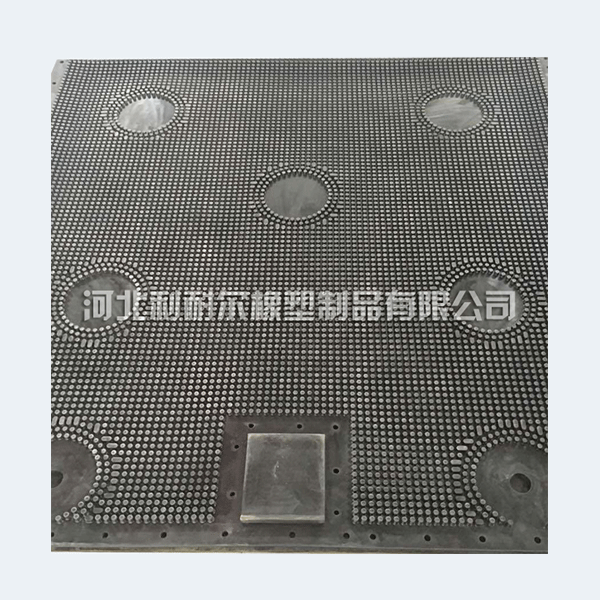
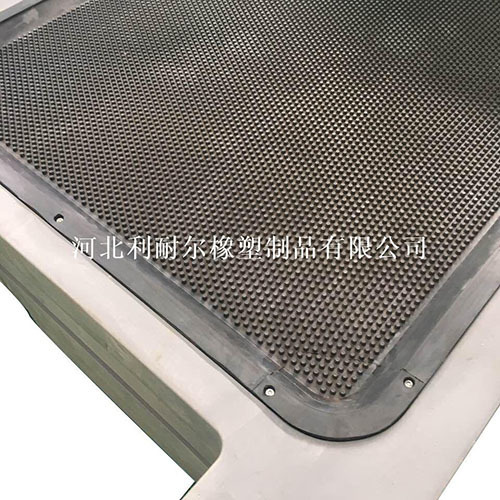
ProductMain products: vertical and horizontal imported and domestic filter plates, diaphragm plates, diaphragms and accessories; pinch valve sleeves and pinch valves and various mining accessories.
-
NewsIn 2013, our company's high-pressure cylinder with phenolic cloth support and guide ring obtained the national key new product certificate, project number: 2013GRA20011; its products in coal cylinders and engineering hydrauli
-
ServiceWe will actively cooperate with more enthusiasm, strengthen internal management, expand the market externally, improve various performance indicators of existing products, and truly achieve our win-win situation!
-
RecruitmentOur company always adheres to the talent concept of "people-oriented", provides a growth platform for talents, and realizes the common growth and development of enterprises and talents.


language
English
العربية
বাংলাদেশ
Български
Hrvatski
Česky
Dansk
Nederland
 Esperanto
Slovenski
Filipino
Suomi
Français
Maori
 Shqiptare
Georgian
 Euskara
Deutsch
Ελλάδα
ישראל
इंडिया
Magyarország
Ísland
Indonesia
Irlanda
Italia
日本語
Sovensko
Հայաստան
한국
Kyrgyz
ປະເທດລາວ
 Zulu
Zulu
Latvian
Lithuanian
Luxembourgish
 Latinus
Macedonian
Малайская
Maltese
Монгол улс
 Cymraeg
ဗမာ
 தமிழ்
தமிழ்
नेपाल
Norge
ایران
Polska
Portugal
România
Российская
Србија
 Slovak
Србија
 Slovak
Bosanski
Slovenian
Беларус
España
Sverige
Точик
ประเทศไทย
Türk
Azərbaycan
Uzbek
 Afrikaans
Việt Nam

The Benefits of Using Filter Press Diaphragm in Plastic Manufacturing
Release time:
2023-09-14
Table of Contents: 1. Introduction 2. Understanding Filter Press Diaphragms 3. Improved Efficiency in Plastic Manufacturing 4. Enhanced Product Quality 5. Cost Reduction and Waste Minimization 6. Environmental Sustainability 7. FAQs 8. Conclusion 1. Introduction Plastic manufacturing is a complex and intricate process that requires precision, efficiency, and product consistency. In recent years, t
Table of Contents:
1. Introduction
2. Understanding Filter Press Diaphragms
3. Improved Efficiency in Plastic Manufacturing
4. Enhanced Product Quality
5. Cost Reduction and Waste Minimization
6. Environmental Sustainability
7. FAQs
8. Conclusion
1. Introduction
Plastic manufacturing is a complex and intricate process that requires precision, efficiency, and product consistency. In recent years, the use of filter press diaphragms has gained significant attention in the industry. These diaphragms play a crucial role in improving the overall manufacturing process and product quality. In this article, we will delve into the benefits of using filter press diaphragms and how they can elevate your plastic manufacturing operations.
2. Understanding Filter Press Diaphragms
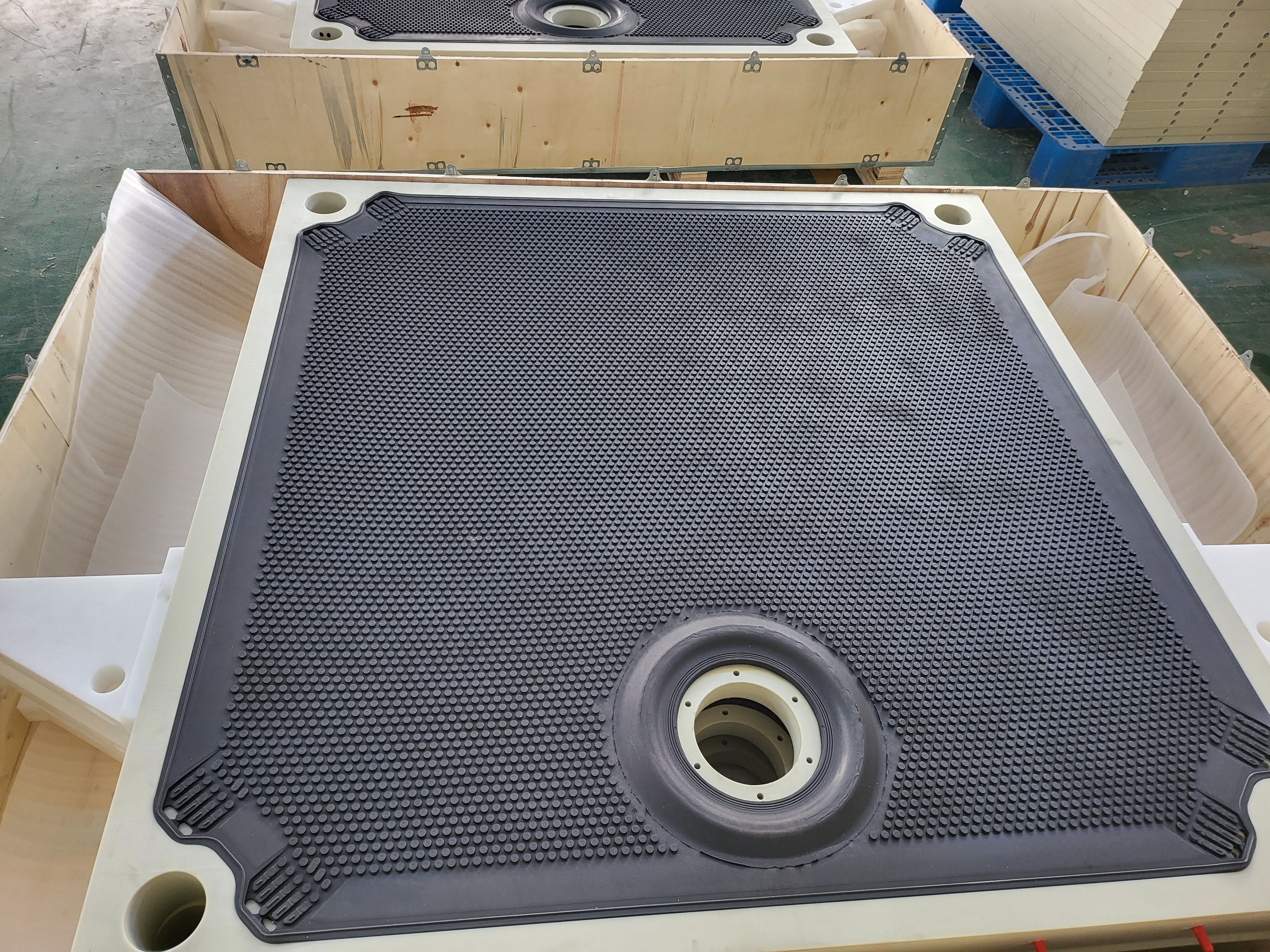
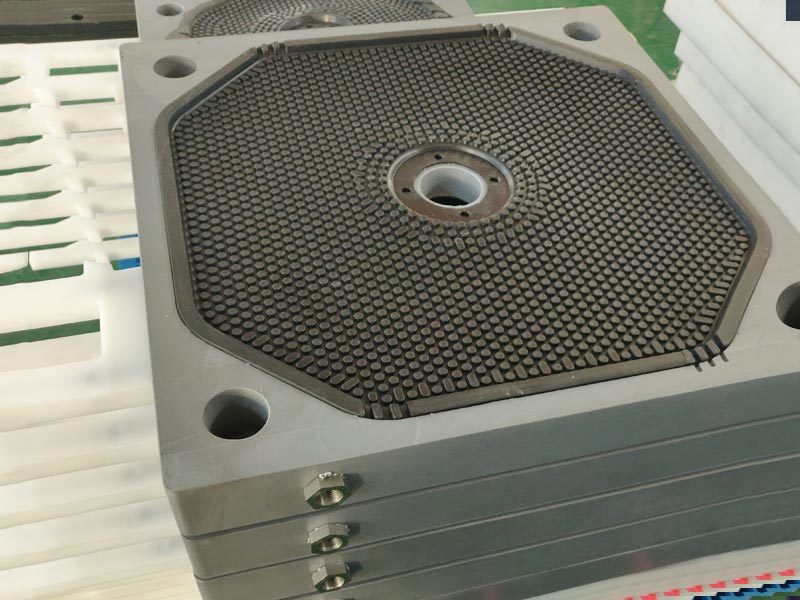
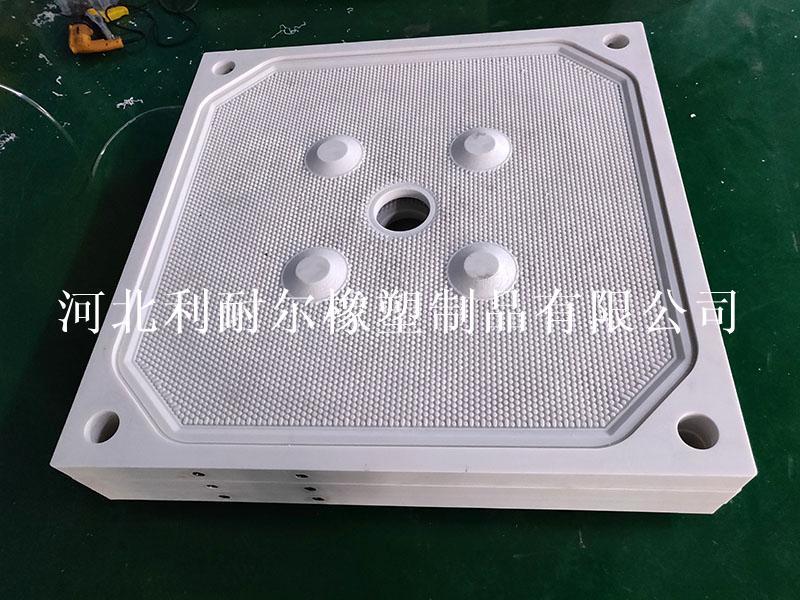
Filter press diaphragms are specialized components designed to aid in the separation of solids and liquids in industrial processes. In plastic manufacturing, they are utilized to remove impurities and contaminants from raw materials, ensuring the production of high-quality plastic products. These diaphragms are made of durable materials, such as elastomers or rubber, which can withstand the pressure and harsh conditions encountered during the filtration process.
3. Improved Efficiency in Plastic Manufacturing
One of the primary benefits of using filter press diaphragms in plastic manufacturing is the significant improvement in operational efficiency. These diaphragms enable higher filtration rates, reducing the time required for the separation process. By optimizing the filtration speed, manufacturers can increase their productivity and meet demanding production schedules.
4. Enhanced Product Quality
Filter press diaphragms play a vital role in ensuring the quality of plastic products. By effectively removing impurities and contaminants, they help eliminate defects and inconsistencies that may arise during the manufacturing process. The use of diaphragms results in a cleaner and more refined final product, meeting or even exceeding industry standards.
5. Cost Reduction and Waste Minimization
Implementing filter press diaphragms can lead to substantial cost savings in plastic manufacturing. By removing impurities early in the process, manufacturers can minimize the risk of product defects and the need for rework or scrap. Additionally, the efficient separation of solids and liquids reduces waste generation, contributing to a more sustainable and cost-effective production environment.
6. Environmental Sustainability
Filter press diaphragms offer environmental benefits by promoting sustainable manufacturing practices. By minimizing waste generation and reducing the consumption of resources, these diaphragms contribute to a greener and more eco-friendly plastic manufacturing process. Companies that prioritize sustainability can enhance their brand image and appeal to environmentally conscious consumers.
7. FAQs
Q1: Can filter press diaphragms be customized to specific manufacturing requirements?
A1: Yes, filter press diaphragms can be tailored to meet the unique needs of different plastic manufacturing processes. Manufacturers can work with suppliers to select the appropriate diaphragm materials and configurations for their specific applications.
Q2: How often do filter press diaphragms need to be replaced?
A2: The lifespan of filter press diaphragms depends on various factors, including the operating conditions and the type of materials being filtered. Regular inspection and maintenance can help determine when replacement is necessary.
Q3: Are filter press diaphragms compatible with different types of plastic materials?
A3: Yes, filter press diaphragms are designed to handle a wide range of plastic materials, including thermoplastics and thermosetting plastics. Their versatility makes them suitable for various manufacturing processes.
Q4: Can filter press diaphragms be retrofitted into existing plastic manufacturing systems?
A4: Yes, filter press diaphragms can be integrated into existing manufacturing systems with the help of experienced professionals. Retrofitting enables manufacturers to take advantage of the benefits offered by these diaphragms without significant disruptions to their operations.
Q5: Are filter press diaphragms easy to clean and maintain?
A5: Yes, filter press diaphragms are designed to be easily cleaned and maintained. Regular maintenance, including proper cleaning procedures and inspections, can prolong their lifespan and optimize their performance.
8. Conclusion
Incorporating filter press diaphragms into plastic manufacturing processes brings numerous benefits, including improved efficiency, enhanced product quality, cost reduction, and environmental sustainability. These innovative components not only optimize operations but also contribute to a more eco-friendly and sustainable industry. By embracing filter press diaphragms, manufacturers can elevate their plastic manufacturing operations and stay ahead in a competitive market.
1. Introduction
2. Understanding Filter Press Diaphragms
3. Improved Efficiency in Plastic Manufacturing
4. Enhanced Product Quality
5. Cost Reduction and Waste Minimization
6. Environmental Sustainability
7. FAQs
8. Conclusion
1. Introduction
Plastic manufacturing is a complex and intricate process that requires precision, efficiency, and product consistency. In recent years, the use of filter press diaphragms has gained significant attention in the industry. These diaphragms play a crucial role in improving the overall manufacturing process and product quality. In this article, we will delve into the benefits of using filter press diaphragms and how they can elevate your plastic manufacturing operations.
2. Understanding Filter Press Diaphragms
Filter press diaphragms are specialized components designed to aid in the separation of solids and liquids in industrial processes. In plastic manufacturing, they are utilized to remove impurities and contaminants from raw materials, ensuring the production of high-quality plastic products. These diaphragms are made of durable materials, such as elastomers or rubber, which can withstand the pressure and harsh conditions encountered during the filtration process.
3. Improved Efficiency in Plastic Manufacturing
One of the primary benefits of using filter press diaphragms in plastic manufacturing is the significant improvement in operational efficiency. These diaphragms enable higher filtration rates, reducing the time required for the separation process. By optimizing the filtration speed, manufacturers can increase their productivity and meet demanding production schedules.
4. Enhanced Product Quality
Filter press diaphragms play a vital role in ensuring the quality of plastic products. By effectively removing impurities and contaminants, they help eliminate defects and inconsistencies that may arise during the manufacturing process. The use of diaphragms results in a cleaner and more refined final product, meeting or even exceeding industry standards.
5. Cost Reduction and Waste Minimization
Implementing filter press diaphragms can lead to substantial cost savings in plastic manufacturing. By removing impurities early in the process, manufacturers can minimize the risk of product defects and the need for rework or scrap. Additionally, the efficient separation of solids and liquids reduces waste generation, contributing to a more sustainable and cost-effective production environment.
6. Environmental Sustainability
Filter press diaphragms offer environmental benefits by promoting sustainable manufacturing practices. By minimizing waste generation and reducing the consumption of resources, these diaphragms contribute to a greener and more eco-friendly plastic manufacturing process. Companies that prioritize sustainability can enhance their brand image and appeal to environmentally conscious consumers.
7. FAQs
Q1: Can filter press diaphragms be customized to specific manufacturing requirements?
A1: Yes, filter press diaphragms can be tailored to meet the unique needs of different plastic manufacturing processes. Manufacturers can work with suppliers to select the appropriate diaphragm materials and configurations for their specific applications.
Q2: How often do filter press diaphragms need to be replaced?
A2: The lifespan of filter press diaphragms depends on various factors, including the operating conditions and the type of materials being filtered. Regular inspection and maintenance can help determine when replacement is necessary.
Q3: Are filter press diaphragms compatible with different types of plastic materials?
A3: Yes, filter press diaphragms are designed to handle a wide range of plastic materials, including thermoplastics and thermosetting plastics. Their versatility makes them suitable for various manufacturing processes.
Q4: Can filter press diaphragms be retrofitted into existing plastic manufacturing systems?
A4: Yes, filter press diaphragms can be integrated into existing manufacturing systems with the help of experienced professionals. Retrofitting enables manufacturers to take advantage of the benefits offered by these diaphragms without significant disruptions to their operations.
Q5: Are filter press diaphragms easy to clean and maintain?
A5: Yes, filter press diaphragms are designed to be easily cleaned and maintained. Regular maintenance, including proper cleaning procedures and inspections, can prolong their lifespan and optimize their performance.
8. Conclusion
Incorporating filter press diaphragms into plastic manufacturing processes brings numerous benefits, including improved efficiency, enhanced product quality, cost reduction, and environmental sustainability. These innovative components not only optimize operations but also contribute to a more eco-friendly and sustainable industry. By embracing filter press diaphragms, manufacturers can elevate their plastic manufacturing operations and stay ahead in a competitive market.
Related News