
-
AboutHebei Linaier Rubber Products Co., Ltd. is located in Duqiao Industrial Zone, Jingxian City, Hebei Province, adjacent to Dezhou, Shandong. Founded in early 2001 with a registered capital of 35 million yuan, it is a scientific

-
ProductMain products: vertical and horizontal imported and domestic filter plates, diaphragm plates, diaphragms and accessories; pinch valve sleeves and pinch valves and various mining accessories.
-
NewsIn 2013, our company's high-pressure cylinder with phenolic cloth support and guide ring obtained the national key new product certificate, project number: 2013GRA20011; its products in coal cylinders and engineering hydrauli
-
ServiceWe will actively cooperate with more enthusiasm, strengthen internal management, expand the market externally, improve various performance indicators of existing products, and truly achieve our win-win situation!
-
RecruitmentOur company always adheres to the talent concept of "people-oriented", provides a growth platform for talents, and realizes the common growth and development of enterprises and talents.


 Esperanto
 Shqiptare
 Euskara
 Zulu
Zulu
 Latinus
 Cymraeg
 தமிழ்
தமிழ்
 Slovak
 Slovak
 Afrikaans

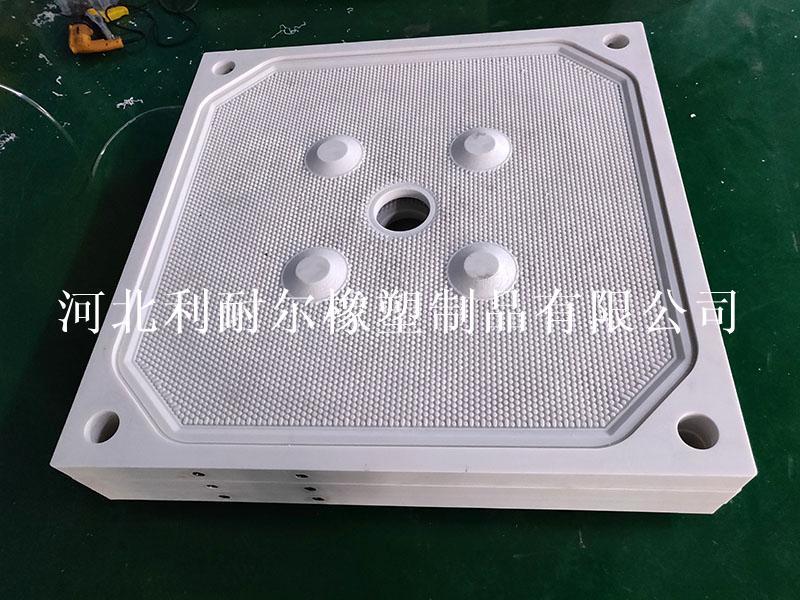
Understanding the Importance of 1200 Filter Plates in Chemical and Plastic Industries
Release time:
2024-12-24
In the chemical and plastic industries, filter plates play a crucial role in ensuring product purity and process efficiency. Among various types, the 1200 filter plate is particularly notable for its versatility and effectiveness in various filtration processes. Understanding the components, applications, and operational considerations associated with the 1200 filter plate can greatly enhance manu
In the chemical and plastic industries, filter plates play a crucial role in ensuring product purity and process efficiency. Among various types, the 1200 filter plate is particularly notable for its versatility and effectiveness in various filtration processes. Understanding the components, applications, and operational considerations associated with the 1200 filter plate can greatly enhance manufacturing processes and product quality.
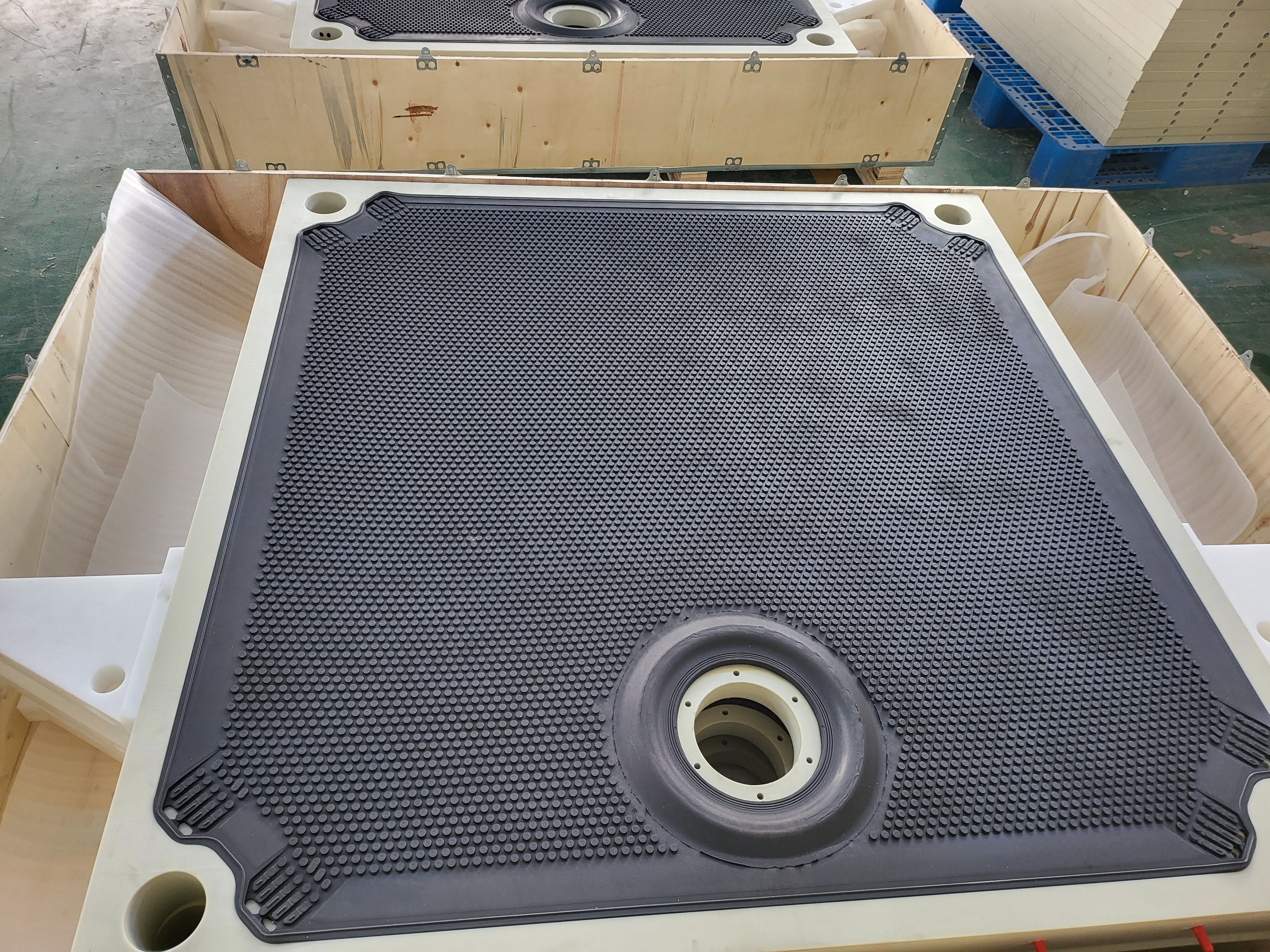
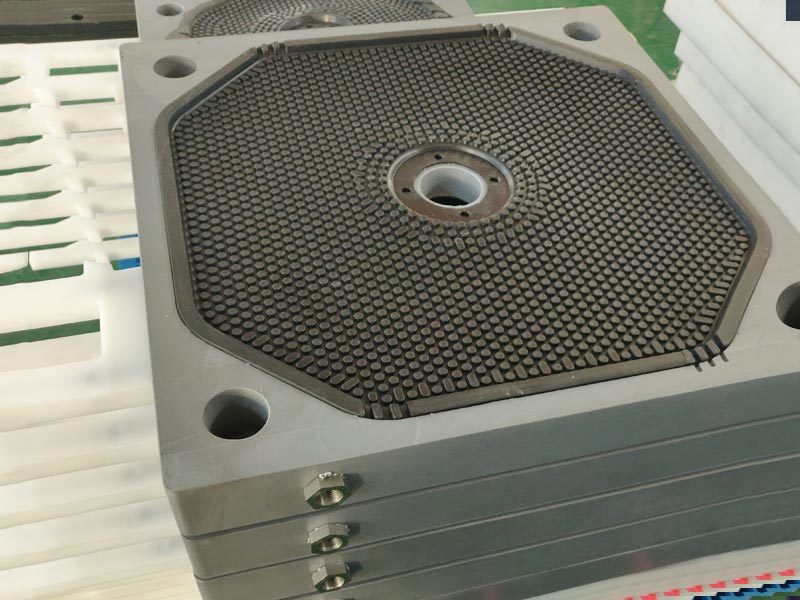
The 1200 filter plate is engineered for high-performance filtration, designed to withstand the demanding conditions typically found in chemical processing environments. These plates are often constructed from durable materials that resist corrosion and wear, ensuring a long service life. The filtration process involves separating solid particles from liquids, which is essential in applications such as polymer production, resin purification, and chemical solutions processing. The efficient removal of impurities not only improves the quality of the end product but also minimizes downtime and maintenance costs.
One of the key advantages of the 1200 filter plate is its high filtration capacity. This is achieved through a well-designed pore structure that allows for optimal flow rates while effectively retaining particulates. In addition, these filter plates can be configured for different types of filtration, such as microfiltration and ultrafiltration, making them suitable for a wide range of applications within the plastic and chemical sectors.
When selecting a 1200 filter plate, it is vital to consider factors such as the nature of the material being filtered, the required filtration efficiency, and the operating conditions, including temperature and pressure. By thoroughly assessing these factors, professionals can ensure the best performance and longevity of the filter plates in their specific applications.
Moreover, regular maintenance and monitoring of the filter plates are essential to ensure their efficacy and to prevent issues such as clogging, which can compromise the filtration process. Implementing a routine maintenance schedule helps in identifying potential problems early, thereby extending the lifespan of the filter plates and maintaining optimal production efficiency.
In summary, the 1200 filter plate is an indispensable tool in the chemical and plastic industries that significantly contributes to process efficiency and product quality. Understanding its features and operational requirements can empower industry professionals to make informed decisions, ultimately leading to improvements in their manufacturing processes. By leveraging the capabilities of 1200 filter plates effectively, businesses can enhance their operational performance and achieve higher standards of product purity.
Related News