
-
AboutHebei Linaier Rubber Products Co., Ltd. is located in Duqiao Industrial Zone, Jingxian City, Hebei Province, adjacent to Dezhou, Shandong. Founded in early 2001 with a registered capital of 35 million yuan, it is a scientific

-
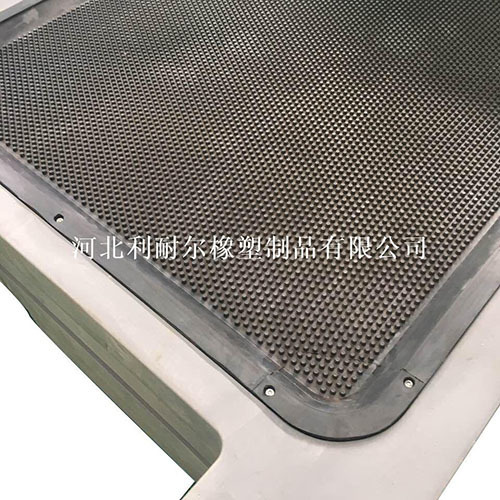
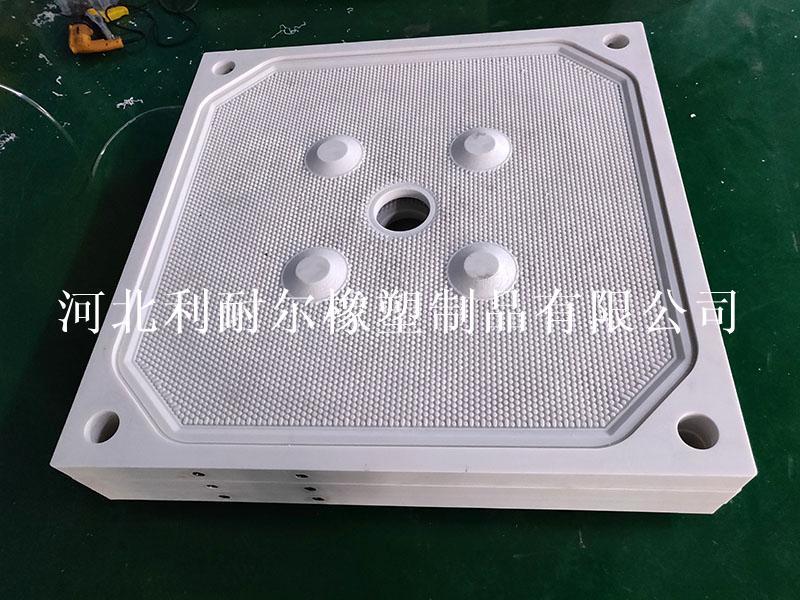
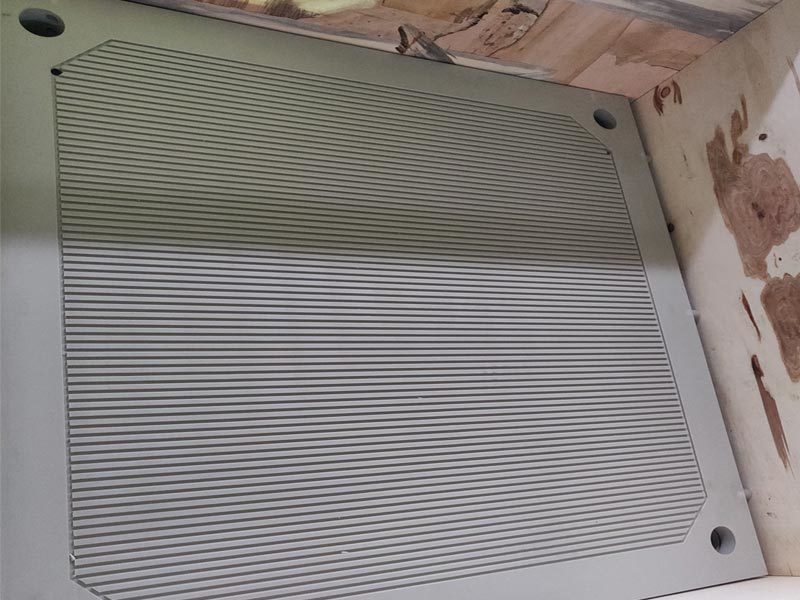
ProductMain products: vertical and horizontal imported and domestic filter plates, diaphragm plates, diaphragms and accessories; pinch valve sleeves and pinch valves and various mining accessories.
-
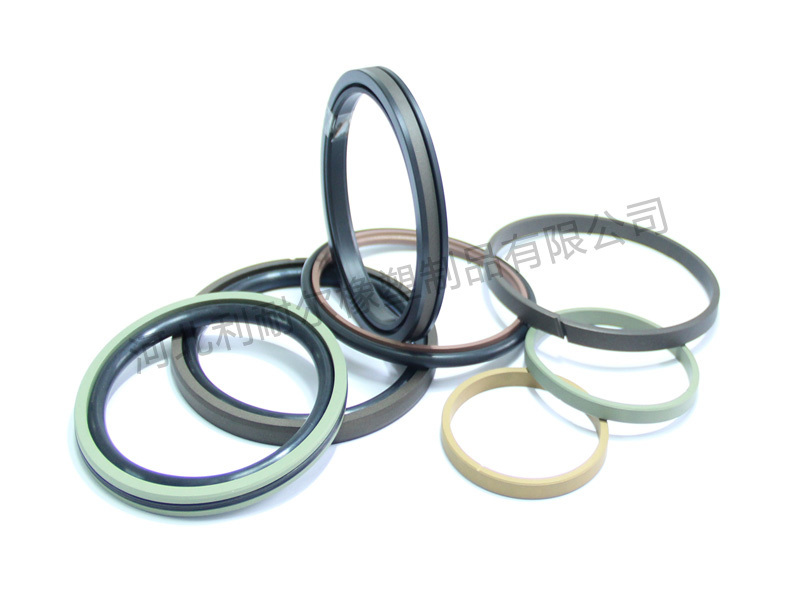
NewsIn 2013, our company's high-pressure cylinder with phenolic cloth support and guide ring obtained the national key new product certificate, project number: 2013GRA20011; its products in coal cylinders and engineering hydrauli
-
ServiceWe will actively cooperate with more enthusiasm, strengthen internal management, expand the market externally, improve various performance indicators of existing products, and truly achieve our win-win situation!
-
RecruitmentOur company always adheres to the talent concept of "people-oriented", provides a growth platform for talents, and realizes the common growth and development of enterprises and talents.


 Esperanto
 Shqiptare
 Euskara
 Zulu
Zulu
 Latinus
 Cymraeg
 தமிழ்
தமிழ்
 Slovak
 Slovak
 Afrikaans

The Evolution of Filter Press Diaphragms in the Plastic Industry
Release time:
2026-02-28
The Evolution of Filter Press Diaphragms in the Plastic Industry Table of Contents 1. Introduction to Filter Press Diaphragms 2. Historical Background of Filter Press Technology 3. Types of Filter Press Diaphragms Used in Plastics - 3.1 Rubber Diaphragms - 3.2 Thermoplastic Diaphragms 4. Material Advancements in Filter Press Diaphragms 5. Impact on Operational Efficiency
The Evolution of Filter Press Diaphragms in the Plastic Industry
Table of Contents
1. Introduction to Filter Press Diaphragms
2. Historical Background of Filter Press Technology
3. Types of Filter Press Diaphragms Used in Plastics
- 3.1 Rubber Diaphragms
- 3.2 Thermoplastic Diaphragms
4. Material Advancements in Filter Press Diaphragms
5. Impact on Operational Efficiency
6. Sustainability: The Eco-Friendly Shift
7. Future Trends in Filter Press Diaphragms
8. Conclusion
9. Frequently Asked Questions
Introduction to Filter Press Diaphragms
Filter press diaphragms play a critical role in the plastic industry, primarily used in the separation and filtration processes within various manufacturing environments. As technologies evolve, so do the materials and designs of these diaphragms, leading to enhanced performance and efficiency. This article explores their evolution, providing insights into how advancements have shaped the landscape of the plastic industry.

Historical Background of Filter Press Technology
The history of filter press technology dates back to the mid-19th century. Initially developed for various industrial applications, filter presses have evolved to meet the growing demands of the plastic sector. Early versions utilized simple mechanical designs and basic materials. However, as industries expanded, the need for more sophisticated filtration solutions became evident.
The introduction of newly engineered materials and innovative designs has significantly improved the functionality of filter press diaphragms. These advancements have influenced filtration rates, cake dryness, and the overall effectiveness of separation processes.
Types of Filter Press Diaphragms Used in Plastics
Several types of diaphragms are utilized in filter presses, each designed for specific applications and requirements in the plastic industry. Understanding these variations is essential for selecting the right diaphragm for a particular process.
Rubber Diaphragms
Rubber diaphragms are among the earliest forms used in filter presses. Known for their flexibility and resilience, rubber diaphragms can accommodate various operational pressures and are suitable for a wide range of plastic materials. Their ability to create a tight seal ensures effective filtration while minimizing leakage.
Thermoplastic Diaphragms
Thermoplastic diaphragms represent a significant advancement in filter press technology. Made from materials like polypropylene or polyvinyl chloride (PVC), these diaphragms offer exceptional chemical resistance and durability. Their thermal properties allow for higher operational temperatures, which is beneficial in specific plastic processing applications.
Material Advancements in Filter Press Diaphragms
The evolution of materials used in filter press diaphragms has been pivotal. Innovations in polymer technology have led to the development of more robust and efficient diaphragms. Advanced composites and synthetic materials are now commonly used, providing enhanced performance characteristics such as:
- Increased chemical resistance
- Better temperature tolerance
- Improved flexibility and durability
These advancements have resulted in longer diaphragm service life and reduced maintenance costs, offering significant benefits to manufacturers in the plastic industry.
Impact on Operational Efficiency
The evolution of filter press diaphragms has directly contributed to improved operational efficiency in plastic manufacturing. Enhanced materials and designs allow for faster filtration rates and more effective separation of solids from liquids. This leads to reduced cycle times and higher throughput, which are critical factors in a competitive market.
Moreover, modern diaphragms minimize the risk of contamination and ensure higher purity levels in final products. This is especially important in industries where compliance with stringent quality standards is essential.
Sustainability: The Eco-Friendly Shift
In recent years, sustainability has become a focal point in the plastic industry. The evolution of filter press diaphragms reflects this shift, with manufacturers increasingly prioritizing eco-friendly materials and processes.
Many modern diaphragms are designed for recyclability or made from recycled materials, reducing the environmental footprint. Additionally, efficient filtration processes contribute to lower energy consumption and waste generation, aligning with global sustainability goals.
Future Trends in Filter Press Diaphragms
Looking ahead, several trends are expected to shape the future of filter press diaphragms in the plastic industry:
1. **Smart Technology Integration**: The incorporation of IoT and smart sensors into filter press technology will allow for real-time monitoring and optimization of filtration processes.
2. **Bio-Based Materials**: Research into bio-based and biodegradable materials for diaphragm production will likely gain traction, further enhancing sustainability efforts.
3. **Customizable Solutions**: As the demand for specialized plastic products grows, manufacturers will seek customizable diaphragm solutions tailored to specific operational needs.
These trends indicate a continuous evolution of filter press diaphragms, underscoring their importance in advancing the plastic industry's efficiency and sustainability.
Conclusion
The evolution of filter press diaphragms in the plastic industry has transformed the way filtration processes are conducted, enhancing efficiency and promoting sustainability. From the early days of simple rubber diaphragms to the advanced thermoplastic versions of today, these innovations have driven significant improvements in performance and reliability. As the industry looks to the future, ongoing advancements in materials and technology will continue to shape the landscape, ensuring that filter press diaphragms remain a vital component in plastic manufacturing.
Frequently Asked Questions
1. What is a filter press diaphragm?
A filter press diaphragm is a component used in filter presses to facilitate the separation of solids from liquids during the filtration process, ensuring efficient and effective filtration.
2. How do filter press diaphragms improve efficiency?
Filter press diaphragms improve efficiency by enabling faster filtration rates, minimizing leakage, and providing better sealing, which enhances overall operational performance.
3. What materials are commonly used for filter press diaphragms?
Common materials include rubber, polypropylene, and other thermoplastics, each offering specific advantages such as flexibility, chemical resistance, and temperature tolerance.
4. How does sustainability play a role in filter press diaphragm evolution?
Sustainability is prioritized through the use of eco-friendly materials, recyclability, and efficient processes, reducing the overall environmental impact of plastic manufacturing.
5. What future trends can we expect in filter press diaphragm technology?
Future trends may include the integration of smart technology for process optimization, the use of bio-based materials, and the development of customizable diaphragm solutions for specific applications.
Related News