
-
AboutHebei Linaier Rubber Products Co., Ltd. is located in Duqiao Industrial Zone, Jingxian City, Hebei Province, adjacent to Dezhou, Shandong. Founded in early 2001 with a registered capital of 35 million yuan, it is a scientific

-
ProductMain products: vertical and horizontal imported and domestic filter plates, diaphragm plates, diaphragms and accessories; pinch valve sleeves and pinch valves and various mining accessories.
-
NewsIn 2013, our company's high-pressure cylinder with phenolic cloth support and guide ring obtained the national key new product certificate, project number: 2013GRA20011; its products in coal cylinders and engineering hydrauli
-
ServiceWe will actively cooperate with more enthusiasm, strengthen internal management, expand the market externally, improve various performance indicators of existing products, and truly achieve our win-win situation!
-
RecruitmentOur company always adheres to the talent concept of "people-oriented", provides a growth platform for talents, and realizes the common growth and development of enterprises and talents.


 Esperanto
 Shqiptare
 Euskara
 Zulu
Zulu
 Latinus
 Cymraeg
 தமிழ்
தமிழ்
 Slovak
 Slovak
 Afrikaans

Why 1000 Filter Plates are Essential for Optimal Filtration
Release time:
2026-08-17
Filtration systems are designed to remove impurities from liquids and gases, thereby enhancing product quality and ensuring compliance with safety standards.
Why 1000 Filter Plates are Essential for Optimal Filtration
Introduction to Filtration Systems
In today’s industrial landscape, effective filtration is a cornerstone of operational success. Filtration systems are designed to remove impurities from liquids and gases, thereby enhancing product quality and ensuring compliance with safety standards. Among the various components of filtration systems, **filter plates** stand out as essential elements that significantly impact operational efficiency. This article explores the importance of having **1000 filter plates** in a filtration system and how they contribute to optimal filtration.
Understanding Filter Plates: The Basics
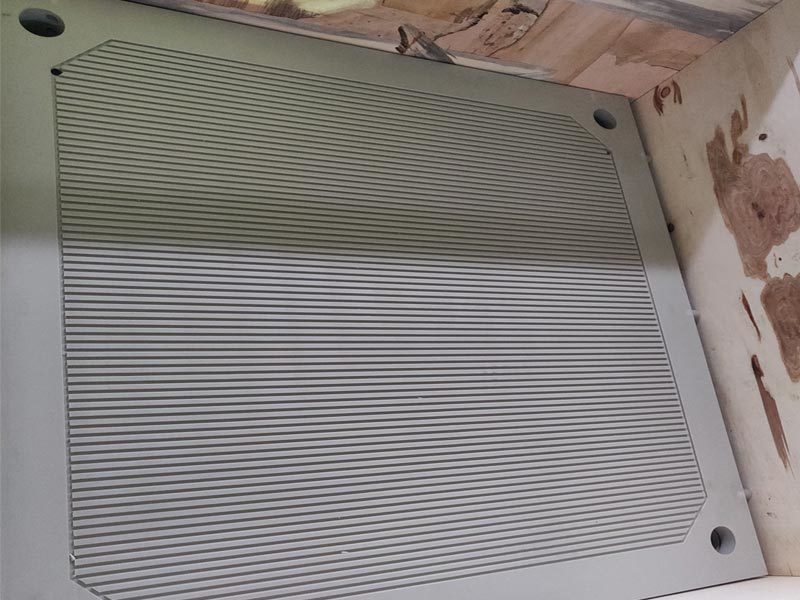
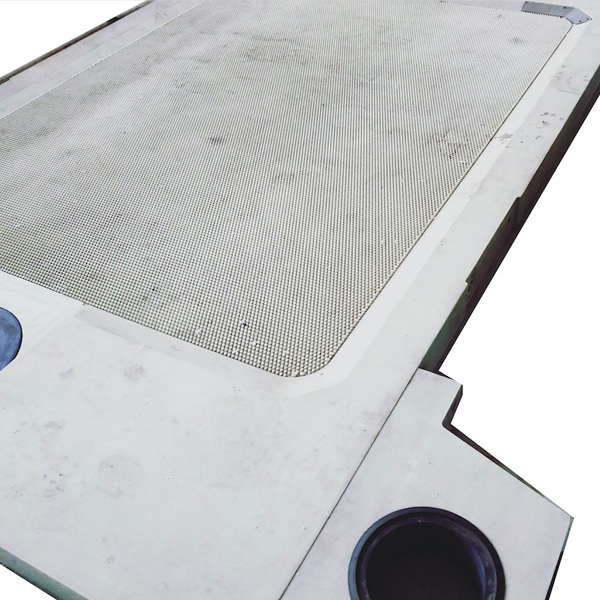
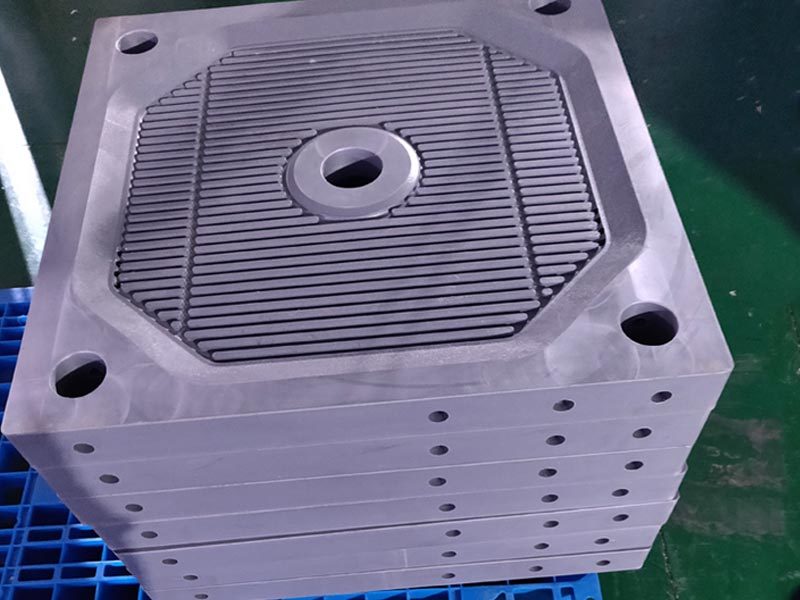
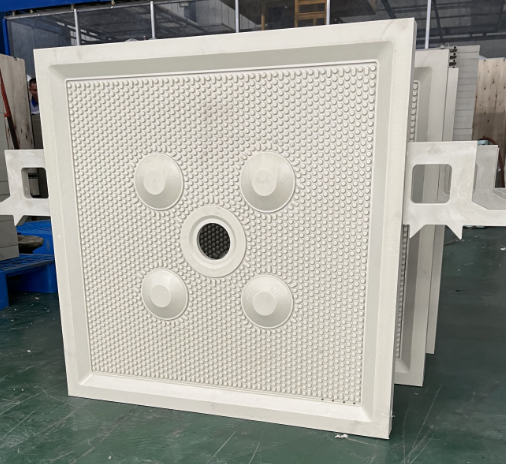
Filter plates, typically constructed from materials like polypropylene, stainless steel, or other durable composites, serve as the backbone of various filtration systems. Their primary function is to separate solids from liquids, facilitating the collection of purified output. The design and configuration of these plates vary, but they all share a common purpose: to ensure effective filtration.
Types of Filter Plates
1. **Membrane Filter Plates**: These plates are designed for high-efficiency filtration, often used in applications requiring fine filtration.
2. **Polypropylene Filter Plates**: Lightweight and resistant to corrosion, these plates are suitable for a variety of chemical environments.
3. **Stainless Steel Filter Plates**: Known for their durability and strength, these plates are ideal for high-pressure applications.
4. **Ceramic Filter Plates**: These are used in specialized applications where higher purity and temperature resistance are required.
The Importance of Quantity: Why 1000 Filter Plates?
When it comes to filtration, quantity matters. Having **1000 filter plates** allows industries to maintain continuous operation, minimize downtime, and handle varying filtration demands efficiently. Let’s delve deeper into the reasons behind this necessity.
1. Enhanced Filtration Capacity
With a larger number of filter plates, filtration systems can handle greater volumes of fluid. This increased capacity is vital for industries such as pharmaceuticals and food processing, where large quantities of materials need to be filtered regularly.
2. Improved Operational Efficiency
A robust inventory of filter plates enables companies to conduct maintenance and replacements without interrupting production. This leads to improved overall operational efficiency, as businesses can maintain high output levels and meet customer demands promptly.
3. Flexibility and Versatility
Having 1000 filter plates allows for flexibility in operations. Businesses can experiment with different configurations, adapt to various fluid types, and quickly respond to changing production needs. This versatility ensures that the filtration process remains efficient under different conditions.
Key Benefits of Using 1000 Filter Plates
1. Cost-Effectiveness
Investing in 1000 filter plates can lead to long-term cost savings. By ensuring that filtration systems operate at peak efficiency, companies can reduce waste and avoid costly fines associated with non-compliance.
2. Consistent Quality Control
In industries where product quality is paramount, utilizing a sufficient number of filter plates helps maintain consistency. With adequate filtration, companies can prevent contamination, ensuring that their products meet regulatory standards and customer expectations.
3. Reduced Maintenance Requirements
A well-stocked inventory of filter plates allows for timely replacements, which reduces the risk of unexpected breakdowns. Preventative maintenance minimizes the need for extensive repairs and prolongs the lifespan of the filtration system.
Choosing the Right Filter Plates for Your Needs
Selecting the appropriate filter plates is crucial for ensuring optimal filtration. Here are some factors to consider:
1. Material Selection
The type of material used in filter plates affects their performance and suitability for specific applications. It’s essential to choose materials that can withstand the chemicals and temperatures involved in your filtration processes.
2. Plate Configuration
Different configurations, such as frame or recessed plates, offer various benefits depending on the filtration requirements. Understanding your system's needs will help you make an informed decision.
3. Size and Dimensions
Filter plates come in various sizes, and selecting the right dimensions is crucial for maximizing filtration efficiency. Ensure that the plates fit seamlessly within your existing filtration system.
Best Practices for Maintaining Filter Plates
To maximize the lifespan and effectiveness of filter plates, implementing best practices for maintenance is essential.
1. Regular Inspections
Conduct routine checks on filter plates to identify any signs of wear or damage. Early detection allows for timely replacements, preventing larger issues down the line.
2. Proper Cleaning Techniques
Cleaning filter plates according to the manufacturer’s guidelines ensures that they remain effective and free from contamination. Utilize appropriate cleaning agents and methods suited to the material of the plates.
3. Monitoring Filtration Performance
Keep track of the filtration performance metrics to understand when replacements are necessary. Monitoring pressure differentials and flow rates can provide valuable insights into the condition of the filter plates.
FAQs About Filter Plates
1. What are the main types of filter plates used in filtration systems?
Filter plates can be categorized into several types, including membrane, polypropylene, stainless steel, and ceramic plates, each serving different filtration requirements.
2. How many filter plates are typically needed for optimal filtration?
While the specific number can vary based on the application, having around **1000 filter plates** is generally recommended for continuous operations and flexibility in filtration processes.
3. How do I know when to replace my filter plates?
Regular monitoring of filtration performance, looking for signs of wear, and adhering to the manufacturer's guidelines will help determine the right time for replacements.
4. Can I use different types of filter plates in one system?
It is possible to use different types of filter plates in a single system, but it is vital to ensure compatibility with the system's requirements and the fluids being filtered.
5. What maintenance practices are necessary for filter plates?
Key maintenance practices include regular inspections, proper cleaning, and monitoring of filtration performance to prolong the lifespan and effectiveness of filter plates.
Conclusion
In summary, the utilization of **1000 filter plates** is not just a recommendation but a necessity for industries aiming for optimal filtration. The benefits range from enhanced operational efficiency and cost savings to consistent quality control. By understanding the importance of filter plates and implementing best practices for maintenance and selection, businesses can ensure their filtration systems operate at peak performance, leading to improved product quality and compliance with industry standards. Investing in high-quality filter plates is an investment in the future success of any filtration-dependent operation.
Related News