
-
AboutHebei Linaier Rubber Products Co., Ltd. is located in Duqiao Industrial Zone, Jingxian City, Hebei Province, adjacent to Dezhou, Shandong. Founded in early 2001 with a registered capital of 35 million yuan, it is a scientific

-
ProductMain products: vertical and horizontal imported and domestic filter plates, diaphragm plates, diaphragms and accessories; pinch valve sleeves and pinch valves and various mining accessories.
-
NewsIn 2013, our company's high-pressure cylinder with phenolic cloth support and guide ring obtained the national key new product certificate, project number: 2013GRA20011; its products in coal cylinders and engineering hydrauli
-
ServiceWe will actively cooperate with more enthusiasm, strengthen internal management, expand the market externally, improve various performance indicators of existing products, and truly achieve our win-win situation!
-
RecruitmentOur company always adheres to the talent concept of "people-oriented", provides a growth platform for talents, and realizes the common growth and development of enterprises and talents.


 Esperanto
 Shqiptare
 Euskara
 Zulu
Zulu
 Latinus
 Cymraeg
 தமிழ்
தமிழ்
 Slovak
 Slovak
 Afrikaans

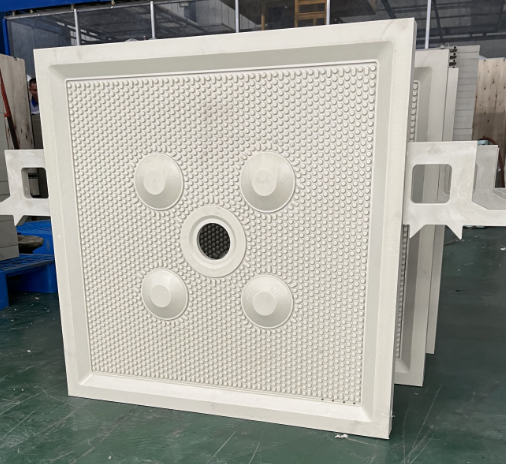
Filter Plate Delivering Reliable Solid-Liquid Separation Solutions for Modern Industries
Release time:
2026-08-17
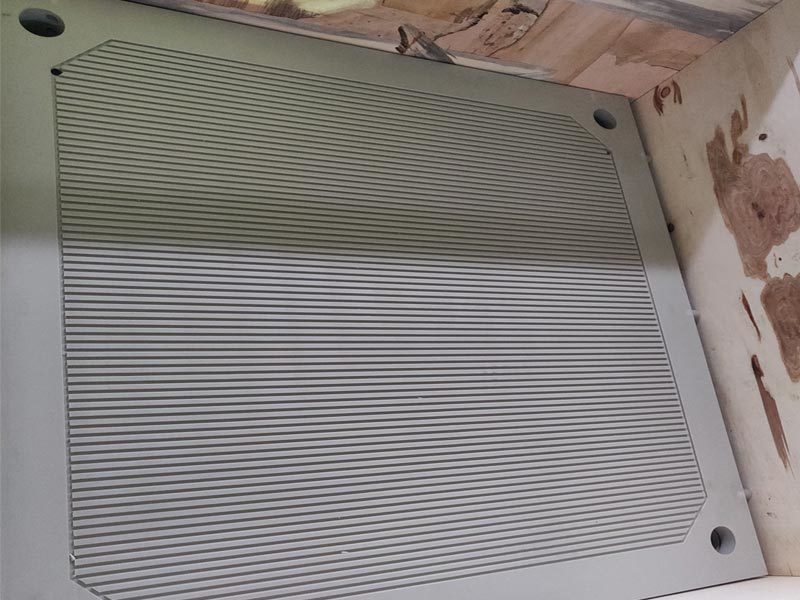
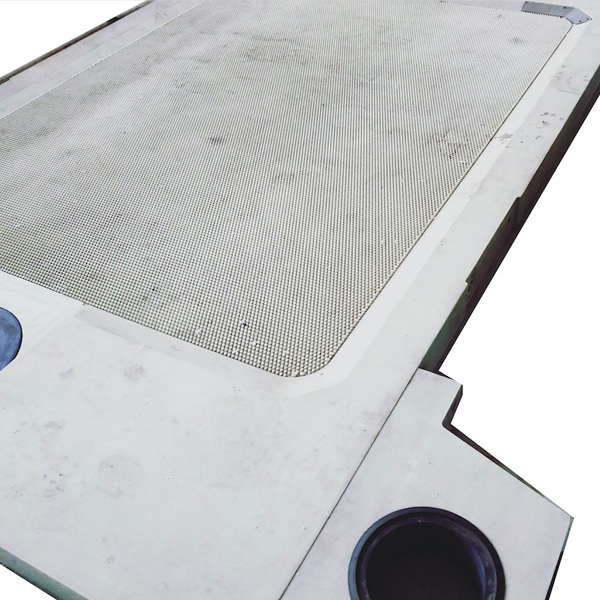
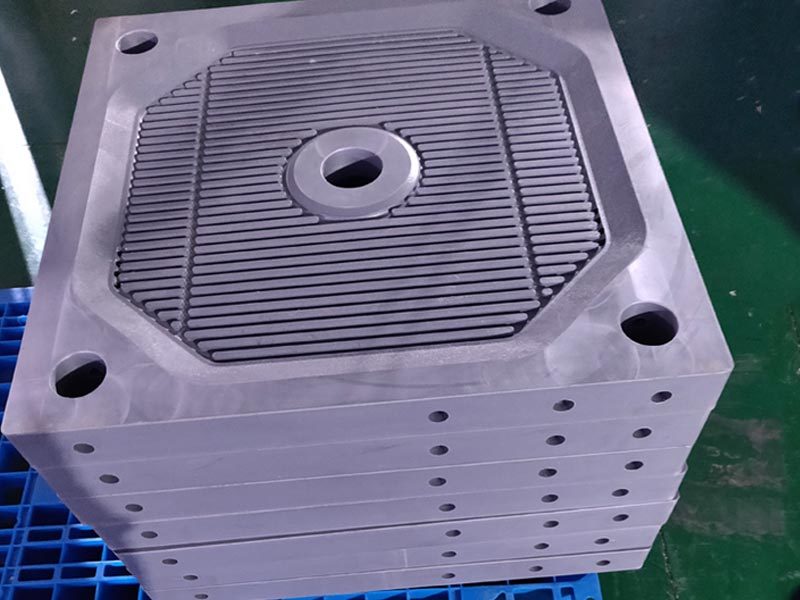
Filter plate is a key component widely used in filtration systems across industries such as chemical processing, mining, pharmaceuticals, food production, wastewater treatment, and environmental protection.
Filter plate is a key component widely used in filtration systems across industries such as chemical processing, mining, pharmaceuticals, food production, wastewater treatment, and environmental protection. As industrial production continues to develop, companies require more efficient, stable, and cost-effective filtration solutions to improve product quality and optimize processing operations. With its excellent filtration performance, strong structural design, and wide application range, filter plate plays an essential role in achieving effective solid-liquid separation and improving overall production efficiency.
The main function of a filter plate is to support the filtration process by forming a sealed chamber inside filter press equipment. During operation, liquid materials are pushed through the filter medium under pressure, while solid particles are retained to form filter cakes. This process allows industries to separate valuable materials, remove impurities, and obtain cleaner liquids. Filter plate systems are designed to provide consistent filtration results, making them suitable for applications that require precise separation, high processing capacity, and reliable operation.
One of the most significant advantages of filter plate is its excellent filtration efficiency. A well-designed filter plate provides a stable filtration surface and optimized flow channels, allowing liquids to pass smoothly while effectively capturing solid particles. This improves separation performance and reduces processing time. For industries dealing with large volumes of materials, efficient filtration helps increase productivity, reduce energy consumption, and achieve better operational results.
Durability is another important feature of high-quality filter plate products. Industrial filtration environments often involve high pressure, chemical substances, continuous operation, and harsh working conditions. Filter plates manufactured with strong materials, such as polypropylene and other engineering plastics, offer excellent mechanical strength, corrosion resistance, and wear resistance. These characteristics help extend service life, reduce maintenance frequency, and minimize equipment downtime, providing customers with more reliable filtration performance.
Filter plate also provides strong adaptability for different industries and applications. Different production processes require different filtration conditions, and filter plates can be customized according to material characteristics, filtration requirements, and equipment specifications. For example, in chemical industries, corrosion-resistant filter plates help handle aggressive liquids. In food processing, hygienic and easy-to-clean designs support safe production. In wastewater treatment, efficient filter plates help remove suspended solids and improve water quality.
Another major benefit of filter plate is its contribution to cost reduction and resource optimization. Efficient solid-liquid separation allows companies to recover valuable materials from production processes while reducing waste discharge. In industries such as mining and chemical manufacturing, recovered solids can become valuable resources instead of waste. At the same time, reusable filter plates reduce the need for frequent replacements, helping businesses lower long-term operating expenses.

In practical applications, many companies have improved their production efficiency by upgrading their filtration systems with advanced filter plate solutions. For example, a chemical manufacturing company previously experienced unstable filtration results, frequent equipment maintenance, and high production costs due to outdated filtration components. After replacing the old system with modern filter plates, the company achieved more consistent separation performance, reduced maintenance requirements, and improved overall production efficiency. The upgraded filtration system helped maintain stable product quality and lower operational pressure.
In wastewater treatment projects, filter plate systems also provide important environmental benefits. Many industries need to process wastewater containing suspended particles, sludge, and industrial residues. Traditional treatment methods may require longer processing times and higher operating costs. By using efficient filter plates in filter press systems, companies can achieve better sludge dewatering performance, reduce waste volume, and improve environmental management efficiency.
For customers, filter plate solves several common filtration challenges, including low separation efficiency, high maintenance costs, poor durability, and unstable filtration quality. Its reliable structure, flexible design, and excellent filtration capability provide an effective solution for industries that depend on continuous production processes. Whether used in small-scale facilities or large industrial plants, filter plate helps businesses improve productivity and maintain stable operations.
With increasing demand for efficient manufacturing and sustainable environmental solutions, filter plate technology continues to develop toward higher performance, longer service life, and improved adaptability. Its combination of filtration efficiency, durability, customization capability, and economic benefits makes it an indispensable component in modern industrial filtration systems. By choosing suitable filter plate solutions, companies can enhance production processes, reduce operating challenges, and achieve more sustainable industrial development.
Related News