
-
AboutHebei Linaier Rubber Products Co., Ltd. is located in Duqiao Industrial Zone, Jingxian City, Hebei Province, adjacent to Dezhou, Shandong. Founded in early 2001 with a registered capital of 35 million yuan, it is a scientific

-
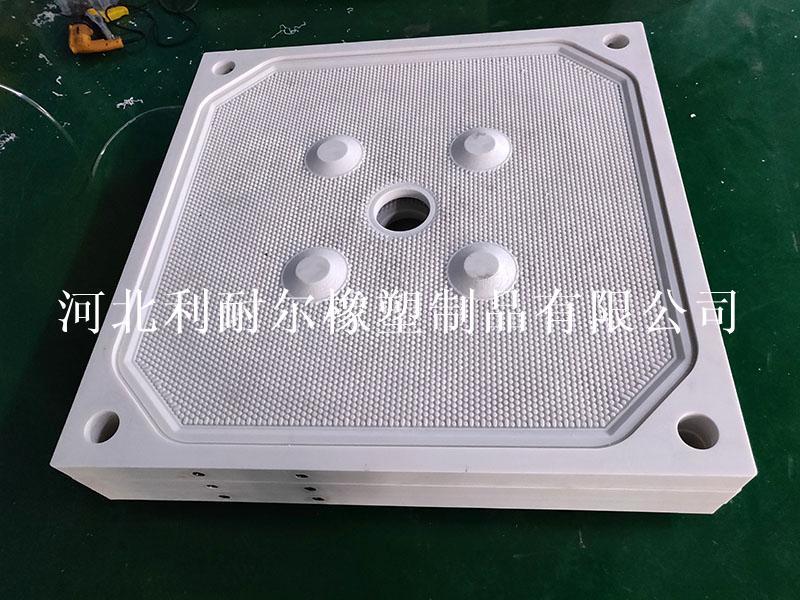
ProductMain products: vertical and horizontal imported and domestic filter plates, diaphragm plates, diaphragms and accessories; pinch valve sleeves and pinch valves and various mining accessories.
-
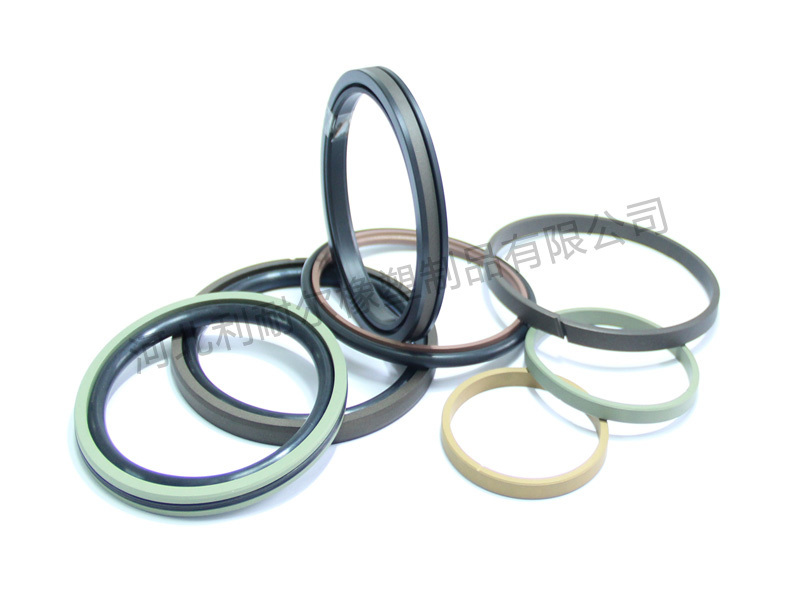
NewsIn 2013, our company's high-pressure cylinder with phenolic cloth support and guide ring obtained the national key new product certificate, project number: 2013GRA20011; its products in coal cylinders and engineering hydrauli
-
ServiceWe will actively cooperate with more enthusiasm, strengthen internal management, expand the market externally, improve various performance indicators of existing products, and truly achieve our win-win situation!
-
RecruitmentOur company always adheres to the talent concept of "people-oriented", provides a growth platform for talents, and realizes the common growth and development of enterprises and talents.


 Esperanto
 Shqiptare
 Euskara
 Zulu
Zulu
 Latinus
 Cymraeg
 தமிழ்
தமிழ்
 Slovak
 Slovak
 Afrikaans

The Future of Chemical Processing: Innovations in Filter Press Grilles
Release time:
2026-09-06
The Future of Chemical Processing: Innovations in Filter Press Grilles The chemical processing industry is undergoing a significant transformation, driven by technological innovations and the growing demand for efficiency and sustainability. One crucial aspect of this evolution is the development of filter press grilles, which play a vital role in various applications, from wastewater treatment to
The Future of Chemical Processing: Innovations in Filter Press Grilles
The chemical processing industry is undergoing a significant transformation, driven by technological innovations and the growing demand for efficiency and sustainability. One crucial aspect of this evolution is the development of filter press grilles, which play a vital role in various applications, from wastewater treatment to the production of high-quality chemicals. In this article, we will delve into the advancements in filter press grille technology, their applications, and their impact on the future of chemical processing.
Understanding Filter Press Grilles
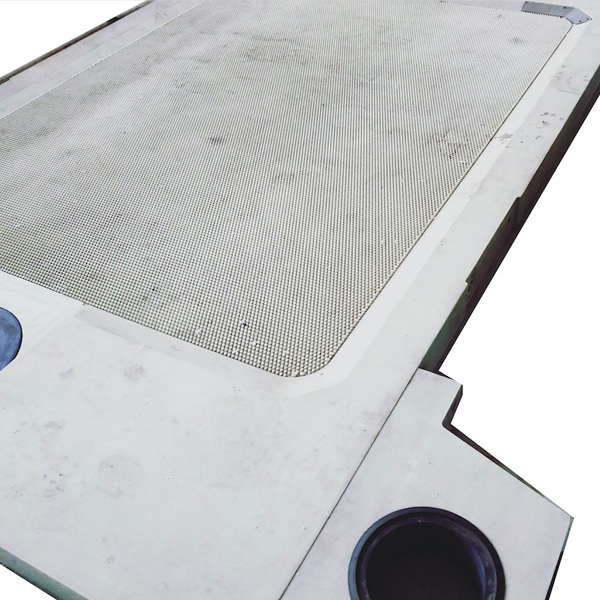
Filter press grilles are essential components in the filtration process, primarily used for separating solids from liquids. They consist of a series of plates where the filtration takes place, allowing for efficient separation and collection of solid materials. The design and functionality of these grilles have evolved, incorporating advanced materials and innovative engineering techniques to enhance their performance.
What Are Filter Press Grilles?
At their core, filter press grilles function by applying pressure to the slurry, which forces the liquid through the filter medium while leaving the solid particles behind. This process is crucial in various industries, including chemical processing, food and beverage, pharmaceuticals, and mining. The ability to efficiently separate solids from liquids has made filter press grilles indispensable in modern processing facilities.
The Evolution of Filter Press Technology
Historically, filter presses were simple structures made from metal plates. However, recent advancements have led to the development of more sophisticated designs that improve efficiency and reduce operational costs. New materials, such as high-strength polymers and stainless steel, enhance durability and resistance to corrosive chemicals, while cutting-edge design techniques optimize flow dynamics.
Key Innovations in Filter Press Grilles
1. Enhanced Filtration Media
One of the most significant innovations in filter press grilles is the introduction of advanced filtration media. Traditional filter cloths are being replaced with materials that offer improved permeability and resistance to clogging. These new media allow for faster filtration rates and higher solid capture, leading to more efficient processing.
2. Automation and Smart Technology
Automation is revolutionizing the chemical processing industry, and filter press grilles are no exception. Modern systems now incorporate smart technology that monitors filtration processes in real-time, optimizing performance and reducing human error. Sensors can detect pressure changes, allowing for automatic adjustments to maintain optimal operation, thus enhancing efficiency.
3. Modular Designs for Flexibility
Modular filter press grille designs offer flexibility in processing applications. By allowing operators to customize the number of plates and configuration, these systems can be tailored to specific processing requirements. This adaptability makes modular designs ideal for facilities that need to handle varying materials or production volumes.
4. Eco-Friendly Solutions
With an increasing focus on sustainability, many innovations aim to reduce the environmental impact of filter press grilles. New technologies are being developed to minimize water consumption and enhance waste recycling. Innovations in materials also ensure that the production of filter press components is more environmentally friendly.
5. Energy Efficiency
Energy consumption is a critical consideration in chemical processing. Recent advancements in filter press technology focus on reducing energy usage during operation. For instance, energy-efficient pumps and motors are now standard in modern systems, minimizing the carbon footprint associated with chemical processing.
Applications of Filter Press Grilles in Chemical Processing
1. Wastewater Treatment
Filter press grilles play a vital role in wastewater treatment by efficiently separating solids from water. This process not only helps in purifying water but also allows for the recovery of valuable materials from the waste stream. The advancements in filter technology have significantly improved the efficiency and effectiveness of wastewater treatment plants.
2. Chemical Manufacturing
In chemical manufacturing, filter press grilles are used to purify intermediate products and remove impurities. The enhanced filtration capabilities of modern filter press systems ensure that the final products meet stringent quality standards, crucial in industries such as pharmaceuticals and food processing.
3. Mining and Mineral Processing
In the mining industry, filter press grilles are essential for dewatering mineral slurries. The ability to extract water from these mixtures is crucial for efficient mineral recovery and processing. Innovations in filter press technology have made it possible to achieve higher solid recovery rates, which directly impacts profitability.
4. Food and Beverage Industry
In the food and beverage sector, filter press grilles are used for clarification and separation processes. The need for high-quality, contaminant-free products makes efficient filtration indispensable. Modern filter press technology helps manufacturers comply with health regulations while maximizing yield.
The Impact of Innovations on Chemical Processing
1. Increased Efficiency and Productivity
The innovations in filter press grilles have led to significant increases in efficiency and productivity across various chemical processing applications. Faster filtration rates and minimized downtime contribute to improved overall output, allowing businesses to meet growing market demands.
2. Cost Reduction
With enhanced durability and performance, modern filter press grilles help reduce operational costs. By minimizing energy consumption and maintenance needs, businesses can achieve significant savings, making these systems a worthwhile investment for the future.
3. Improved Environmental Sustainability
As the industry shifts towards sustainable practices, the innovations in filter press technology are paving the way for greener chemical processing. By reducing waste and energy consumption, these innovations contribute to a more sustainable future for the chemical industry.
4. Enhanced Product Quality
Advancements in filtration technology ensure that the final products are of higher quality, meeting the stringent standards required by today’s consumers. This focus on quality helps businesses maintain a competitive edge in the global market.
Future Trends in Filter Press Grilles
1. Integration of Artificial Intelligence (AI)
The future of filter press technology may see the integration of artificial intelligence to further optimize filtration processes. AI can analyze data in real-time, predicting maintenance needs and optimizing operational parameters to improve efficiency.
2. Development of Biodegradable Materials
As sustainability becomes a primary concern, the development of biodegradable filter media may emerge as a future trend. This innovation would not only reduce the environmental impact of filter press systems but also attract eco-conscious consumers.
3. Advanced Monitoring and Control Systems
Future filter press grilles may incorporate even more advanced monitoring and control systems, enabling operators to achieve unprecedented levels of precision in their filtration processes. Enhanced data analytics will aid in decision-making, leading to further operational improvements.
FAQs About Filter Press Grilles
1. What is a filter press grille?
A filter press grille is a device used to separate solids from liquids in various industrial applications, utilizing pressure and filtration media to achieve efficient separation.
2. How do filter press grilles work?
Filter press grilles operate by applying pressure to a slurry, forcing the liquid through a filter medium while capturing solid particles, which are retained in the grille.
3. What industries use filter press grilles?
Filter press grilles are utilized in several industries, including chemical processing, wastewater treatment, food and beverage production, and mining.
4. What are the benefits of modern filter press technology?
Modern filter press technology offers benefits such as increased efficiency, reduced operational costs, improved product quality, and enhanced environmental sustainability.
5. Will filter press grilles become more automated in the future?
Yes, the trend towards automation and smart technology in filter press systems is expected to continue, resulting in more efficient and optimized filtration processes.
Conclusion
The future of chemical processing is poised for remarkable advancements, particularly in the realm of filter press grilles. The innovations in design, materials, and technology are not only enhancing the efficiency and effectiveness of filtration processes but also contributing to a more sustainable and eco-friendly industry. As we move forward, embracing these innovations will be crucial for businesses looking to remain competitive and responsive to evolving market demands. Ultimately, the integration of cutting-edge filter press technology will play a vital role in shaping the future of chemical processing and ensuring a cleaner, more efficient planet.
Related News