

-
AboutHebei Linaier Rubber Products Co., Ltd. is located in Duqiao Industrial Zone, Jingxian City, Hebei Province, adjacent to Dezhou, Shandong. Founded in early 2001 with a registered capital of 35 million yuan, it is a scientific

-
ProductMain products: vertical and horizontal imported and domestic filter plates, diaphragm plates, diaphragms and accessories; pinch valve sleeves and pinch valves and various mining accessories.
-
NewsIn 2013, our company's high-pressure cylinder with phenolic cloth support and guide ring obtained the national key new product certificate, project number: 2013GRA20011; its products in coal cylinders and engineering hydrauli
-
ServiceWe will actively cooperate with more enthusiasm, strengthen internal management, expand the market externally, improve various performance indicators of existing products, and truly achieve our win-win situation!
-
RecruitmentOur company always adheres to the talent concept of "people-oriented", provides a growth platform for talents, and realizes the common growth and development of enterprises and talents.


 Esperanto
 Shqiptare
 Euskara
 Zulu
 Latinus
 Cymraeg
 தமிழ்
 Slovak
 Slovak
 Afrikaans

Innovations and Applications of Filter Press Diaphragms in Modern Filtration Technology
Release time:
2026-03-31
Author:
Quality filter press diaphragm customize ensures efficient dewatering, precise fit, strong durability, and reliable filtration performance
Filter press diaphragms have become an essential component in modern solid-liquid separation systems, playing a critical role in improving filtration efficiency, reducing moisture content, and optimizing overall production processes. As industries continue to demand higher productivity, lower energy consumption, and better product quality, diaphragm filter press technology has evolved significantly to meet these requirements across a wide range of applications.
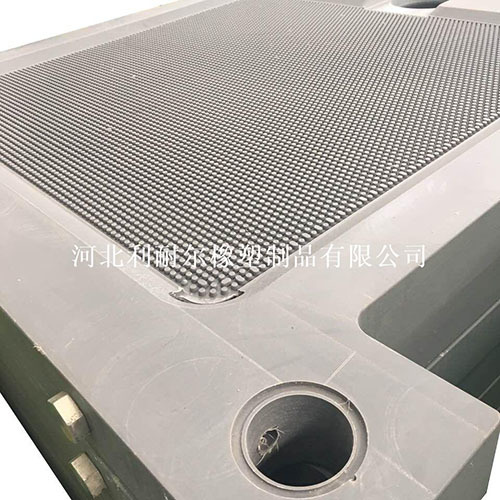
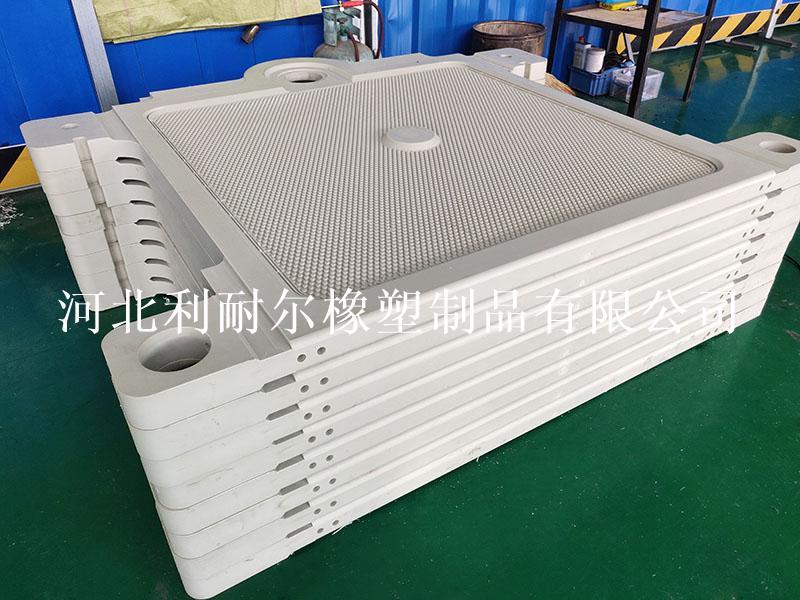
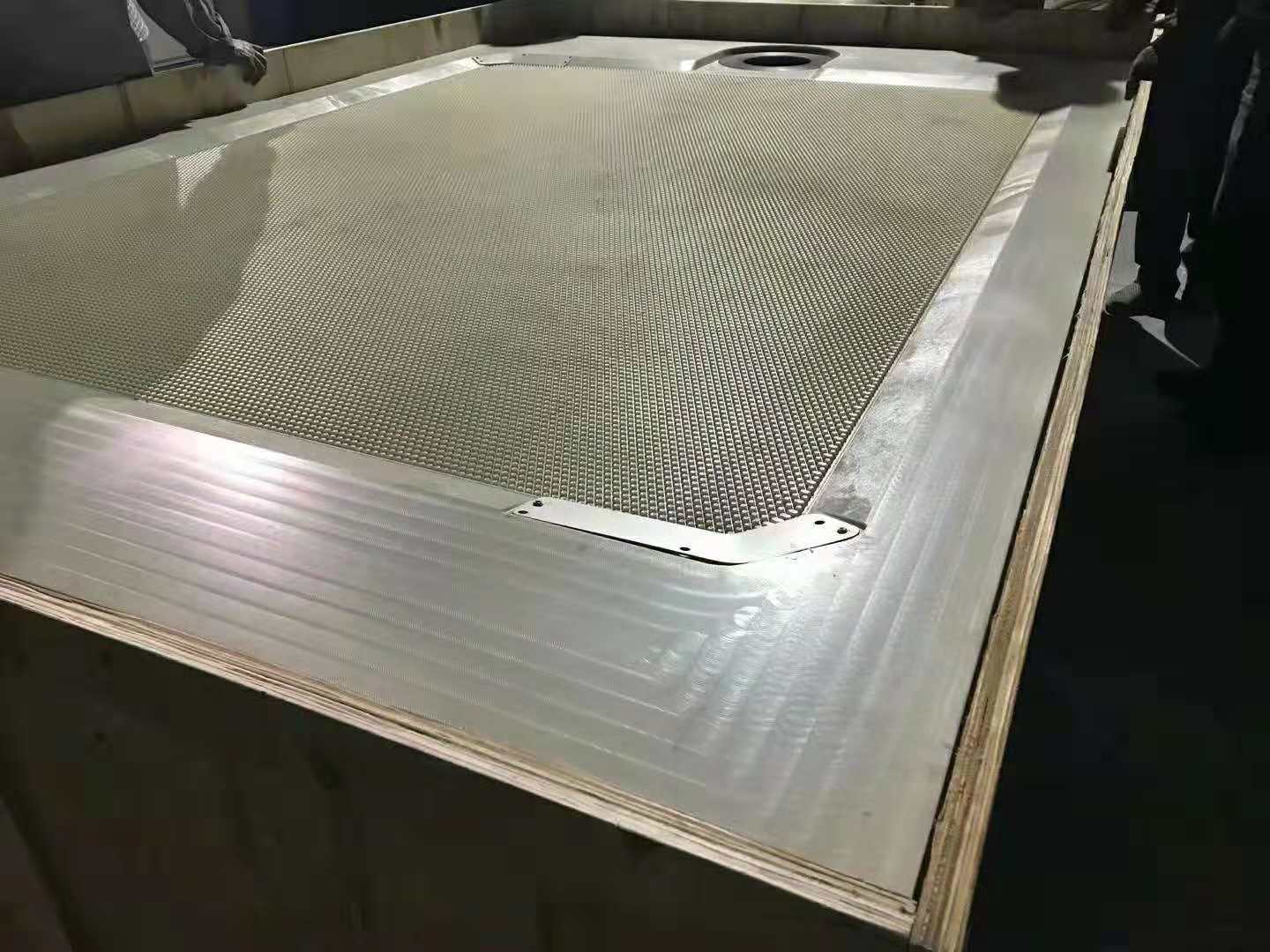
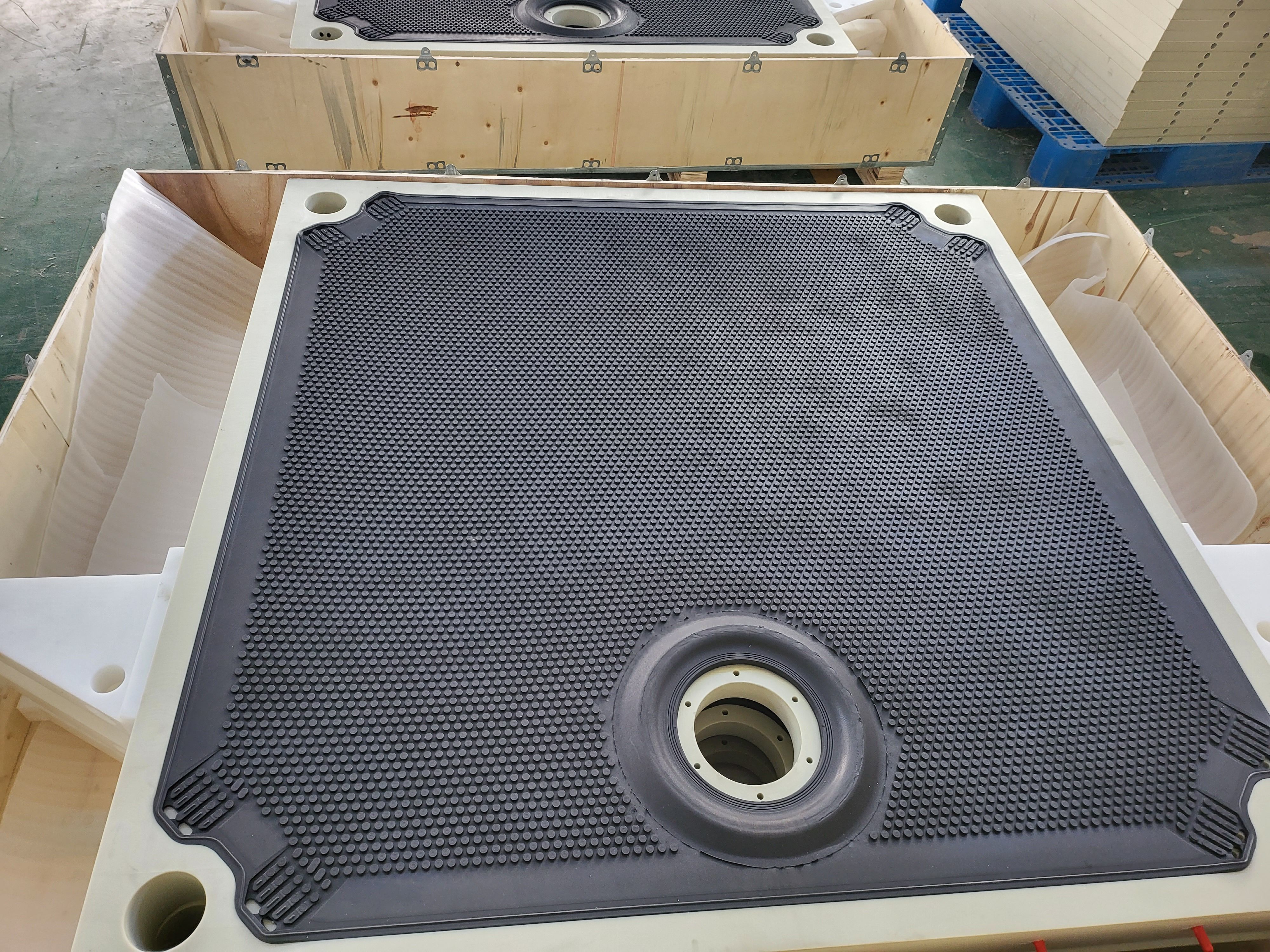
A filter press diaphragm, often integrated into diaphragm filter plates, functions by applying additional mechanical pressure to the filter cake after the initial filtration stage. This secondary squeezing process is typically achieved by inflating the diaphragm surface with water or compressed air. As the diaphragm expands, it exerts uniform pressure on the filter cake, forcing out residual liquid and resulting in a drier, more compact solid product. This process not only improves filtration efficiency but also reduces the need for further drying, thereby saving energy and operational costs.
One of the key advantages of diaphragm filter presses is their ability to significantly reduce moisture content in the filter cake compared to conventional filter presses. In many industries, such as mining, chemical processing, wastewater treatment, food production, and pharmaceuticals, achieving low moisture levels is crucial for downstream processing, transportation, and disposal. Diaphragm technology provides a more effective solution by enhancing dewatering performance without compromising structural integrity or operational stability.
Modern filter press diaphragms are typically manufactured using high-quality materials such as polypropylene, rubber composites, or reinforced elastomers. These materials are selected for their excellent resistance to corrosion, high pressure, abrasion, and chemical exposure. This ensures that the diaphragm can withstand harsh operating conditions while maintaining long service life and consistent performance. In addition, advanced manufacturing techniques allow for precise molding and surface finishing, which contribute to better sealing, improved pressure distribution, and reduced leakage risks.
The design of diaphragm filter presses has also seen significant improvements in recent years. Many systems now incorporate automated control mechanisms, allowing operators to regulate pressure, cycle time, and diaphragm inflation through programmable logic controllers (PLC) and digital interfaces. This level of automation enhances operational efficiency, reduces manual intervention, and ensures consistent process results. Furthermore, real-time monitoring systems can provide valuable data on system performance, enabling predictive maintenance and minimizing downtime.
Energy efficiency is another important benefit associated with diaphragm filter presses. By achieving lower moisture content in a single cycle, these systems reduce the need for additional thermal drying or mechanical processing. This leads to lower energy consumption and reduced environmental impact, aligning with global sustainability goals. Industries are increasingly adopting diaphragm filter press technology as part of their efforts to improve resource utilization and reduce carbon footprints.
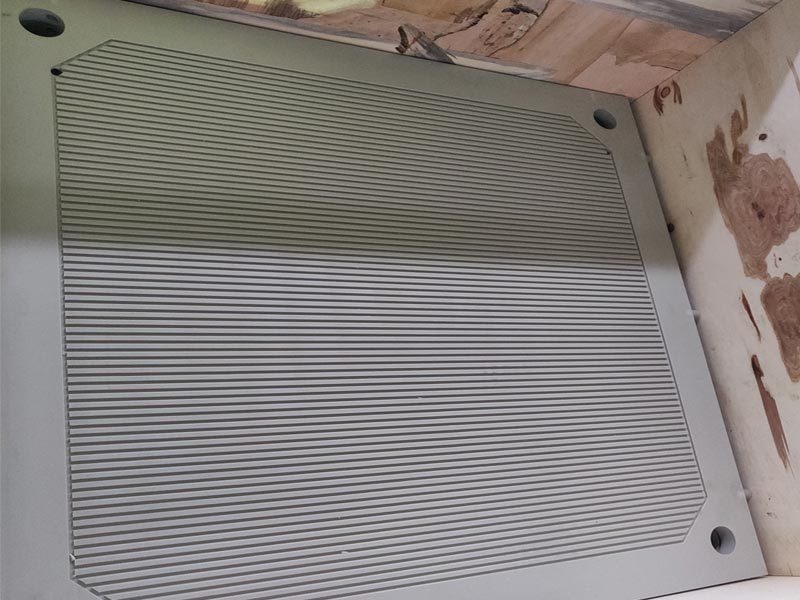
Customization is a key feature of modern diaphragm filter press solutions. Manufacturers offer a wide range of plate sizes, chamber configurations, diaphragm thicknesses, and pressure ratings to meet specific application requirements. Depending on the nature of the slurry, particle size distribution, and desired output, diaphragm filter presses can be tailored to optimize performance. This flexibility makes them suitable for both large-scale industrial operations and specialized applications.
In wastewater treatment, diaphragm filter presses are widely used for sludge dewatering, helping to separate water from solid waste and reduce disposal volumes. In mining and mineral processing, they are used to dewater concentrates and tailings, improving material handling and transportation efficiency. In the chemical and pharmaceutical industries, diaphragm filter presses ensure high levels of purity and consistency, which are essential for product quality and regulatory compliance. In food processing, they help in extracting liquids while maintaining hygiene and safety standards.
Safety and reliability are also critical considerations in diaphragm filter press design. Modern systems are equipped with pressure relief valves, overload protection, and emergency shutdown mechanisms to ensure safe operation. The robust construction of diaphragm plates, combined with precise engineering, ensures stable performance even under continuous high-pressure cycles. This reliability makes diaphragm filter presses a trusted choice for industries that require uninterrupted production.
Looking ahead, the future of filter press diaphragm technology is expected to be shaped by further advancements in automation, smart monitoring, and material science. The integration of IoT (Internet of Things) technology will enable remote monitoring, data analytics, and predictive maintenance, allowing operators to optimize performance and reduce operational risks. In addition, ongoing research into new materials and diaphragm structures will continue to enhance durability, efficiency, and adaptability to more complex filtration challenges.
In conclusion, filter press diaphragms represent a significant advancement in filtration technology, offering improved dewatering performance, energy efficiency, and operational flexibility. With their widespread use across multiple industries and continuous technological improvements, diaphragm filter presses will remain a vital solution for modern solid-liquid separation needs.
Related News



Get a Quote