
-
AboutHebei Linaier Rubber Products Co., Ltd. is located in Duqiao Industrial Zone, Jingxian City, Hebei Province, adjacent to Dezhou, Shandong. Founded in early 2001 with a registered capital of 35 million yuan, it is a scientific

-
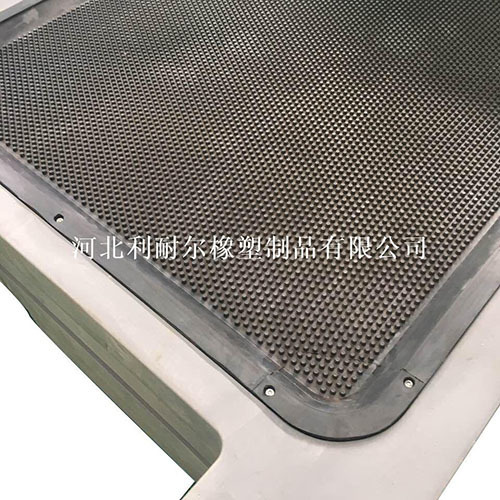
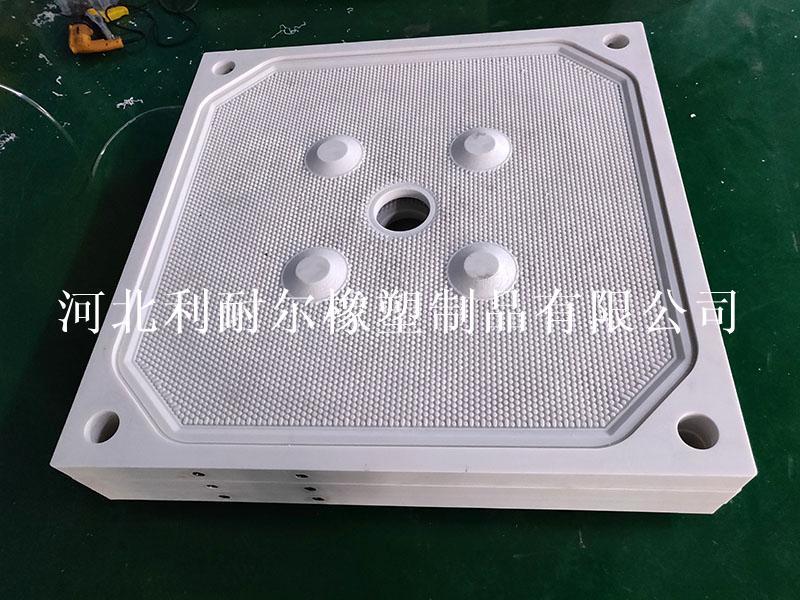
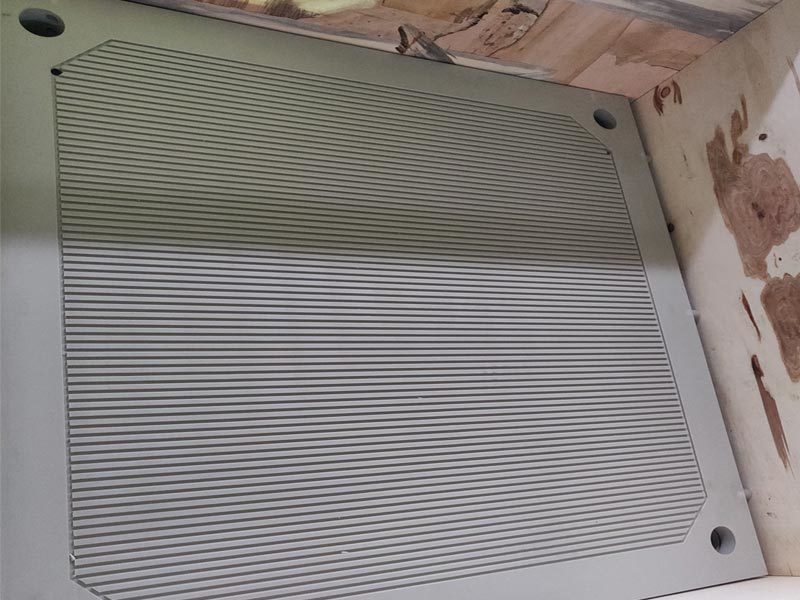
ProductMain products: vertical and horizontal imported and domestic filter plates, diaphragm plates, diaphragms and accessories; pinch valve sleeves and pinch valves and various mining accessories.
-
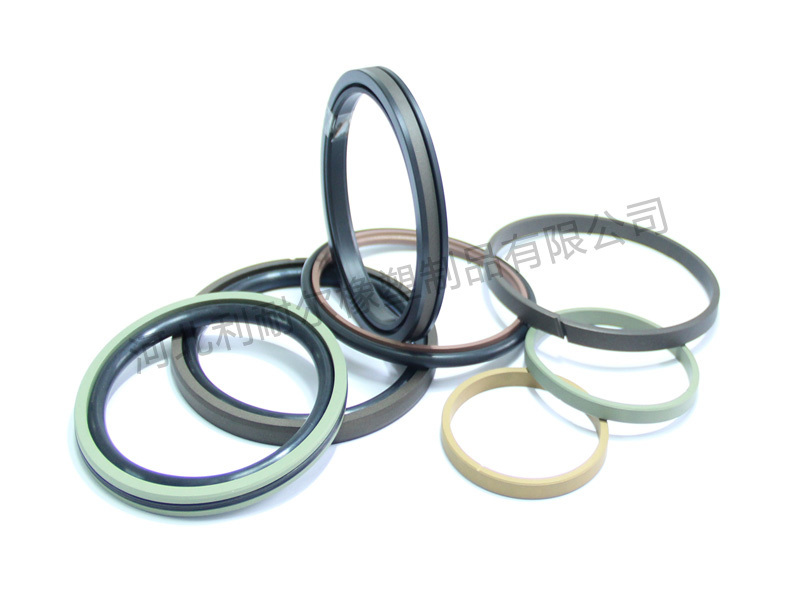
NewsIn 2013, our company's high-pressure cylinder with phenolic cloth support and guide ring obtained the national key new product certificate, project number: 2013GRA20011; its products in coal cylinders and engineering hydrauli
-
ServiceWe will actively cooperate with more enthusiasm, strengthen internal management, expand the market externally, improve various performance indicators of existing products, and truly achieve our win-win situation!
-
RecruitmentOur company always adheres to the talent concept of "people-oriented", provides a growth platform for talents, and realizes the common growth and development of enterprises and talents.


language
English
العربية
বাংলাদেশ
Български
Hrvatski
Česky
Dansk
Nederland
 Esperanto
Slovenski
Filipino
Suomi
Français
Maori
 Shqiptare
Georgian
 Euskara
Deutsch
Ελλάδα
ישראל
इंडिया
Magyarország
Ísland
Indonesia
Irlanda
Italia
日本語
Sovensko
Հայաստան
한국
Kyrgyz
ປະເທດລາວ
 Zulu
Zulu
Latvian
Lithuanian
Luxembourgish
 Latinus
Macedonian
Малайская
Maltese
Монгол улс
 Cymraeg
ဗမာ
 தமிழ்
தமிழ்
नेपाल
Norge
ایران
Polska
Portugal
România
Российская
Србија
 Slovak
Србија
 Slovak
Bosanski
Slovenian
Беларус
España
Sverige
Точик
ประเทศไทย
Türk
Azərbaycan
Uzbek
 Afrikaans
Việt Nam

Identifying the Right Filter Press Diaphragm for High-Viscosity Fluids: A Comprehensive Guide
Release time:
2026-06-08
Introduction to Filter Press Diaphragms for High-Viscosity Fluids In the world of industrial filtration, the selection of the right filter press diaphragm is critical, especially when dealing with high-viscosity fluids. These fluids, often challenging to filter, require specialized equipment to ensure efficiency and efficacy in the filtration process. Understanding the nuances involved in choosing
Introduction to Filter Press Diaphragms for High-Viscosity Fluids
In the world of industrial filtration, the selection of the right filter press diaphragm is critical, especially when dealing with high-viscosity fluids. These fluids, often challenging to filter, require specialized equipment to ensure efficiency and efficacy in the filtration process. Understanding the nuances involved in choosing the appropriate diaphragm can drastically affect your operations, leading to improved productivity and reduced downtime.
Understanding High-Viscosity Fluids
High-viscosity fluids are characterized by their thick, sticky textures, which can pose challenges in various industrial applications. Examples include slurries, paints, oils, and polymers. The viscosity of these fluids can significantly impact the filtration process, which is why selecting the right diaphragm is essential.
The Impact of Viscosity on Filtration Processes
Viscosity influences the flow rate and pressure needed during filtration. High-viscosity fluids generally flow slower and require more force to push through the filter media. This effect necessitates a diaphragm that can withstand greater pressure while maintaining its integrity.
Key Properties of High-Viscosity Fluids
1. **Thick Texture**: High-viscosity fluids resist flow due to their thick consistency.
2. **Shear Sensitivity**: Some high-viscosity fluids may change properties when subjected to shear stress.
3. **Temperature Sensitivity**: Viscosity can alter with temperature changes, requiring adaptable filtration solutions.
What is a Filter Press Diaphragm?
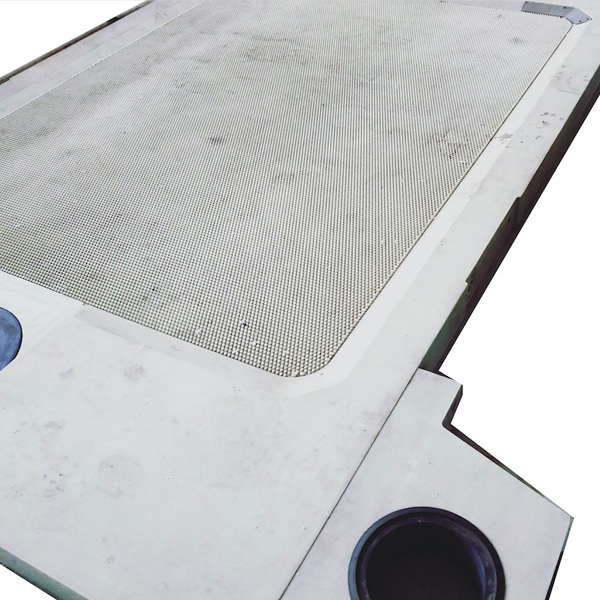
A filter press diaphragm is a crucial component of a filter press system, acting as a barrier that separates the solid particles from the liquid during the filtration process. The diaphragm inflates and deflates to enhance the efficiency of the filtration, expelling retained solids and allowing clean liquid to pass through.
Types of Filter Press Diaphragms
Not all diaphragms are created equal. They come in various types, each designed for specific applications and fluid characteristics.
1. **Rubber Diaphragms**: Known for their elasticity and durability, they are suitable for a range of high-viscosity applications.
2. **Polyurethane Diaphragms**: Ideal for aggressive fluids and high-temperature applications, offering excellent chemical resistance.
3. **PTFE Diaphragms**: Best for corrosive substances, providing superior chemical resistance and low friction.
Choosing the Right Material
The material of the diaphragm directly influences its performance. When selecting a diaphragm, consider the following factors:
- **Chemical Compatibility**: Ensure the diaphragm material can withstand the chemicals present in your high-viscosity fluids.
- **Temperature Resistance**: Factor in the operational temperatures to avoid diaphragm failure.
- **Mechanical Strength**: A diaphragm with higher tensile strength can withstand greater operational stress.
Key Considerations When Selecting a Filter Press Diaphragm
Choosing the right diaphragm for high-viscosity fluids requires careful consideration of several factors.
1. Understanding the Application Requirements
Different applications demand specific diaphragm features. Assess your fluid’s viscosity, flow rates, and any other particular requirements to determine the necessary diaphragm specifications.
2. Assessing the Filtration Process
Evaluate your existing filtration process. Consider the following:
- **Pressure Levels**: Determine the operational pressure to select a diaphragm that can sustain high pressure without degradation.
- **Cycle Times**: Lengthy cycle times may require a diaphragm with enhanced durability and resilience.
3. Evaluating Environmental Conditions
Environmental factors play a significant role in diaphragm performance. Consider:
- **Temperature Fluctuations**: Extreme temperatures can affect diaphragm material properties, leading to premature failure.
- **Chemical Exposure**: Assess the potential for exposure to aggressive chemicals that may degrade the diaphragm material.
4. Maintenance and Longevity
The longevity of a filter press diaphragm is crucial to minimize operational disruptions. Consider diaphragms that require less maintenance and have longer lifespans.
Step-by-Step Guide to Selecting the Right Filter Press Diaphragm
Selecting a diaphragm involves a systematic approach to ensure all critical aspects are covered.
Step 1: Analyze the Fluid Characteristics
Begin by conducting a thorough analysis of the high-viscosity fluid, including its viscosity, chemical composition, and temperature profile.
Step 2: Understand Your Filtration System
Review your existing filtration system specifications and assess any limitations or requirements unique to your setup.
Step 3: Compare Available Diaphragm Options
Research different diaphragm materials and types, focusing on their compatibility with your application needs.
Step 4: Consult with Experts
If unsure, consult with filtration specialists or diaphragm manufacturers to gain insights into the best options for your specific needs.
Step 5: Trial and Feedback
Implement a trial period for the selected diaphragm to evaluate its performance in real-world conditions, gathering feedback for adjustments if necessary.
Common Issues with High-Viscosity Filtration and How to Overcome Them
High-viscosity filtration often comes with its unique set of challenges.
1. Clogging and Fouling
Clogging can significantly hinder filtration efficiency. To combat this, maintaining optimal pressure and regularly monitoring the system can help.
2. Inadequate Flow Rates
When dealing with high-viscosity fluids, flow rates can drop. To improve this, ensure your diaphragm can handle the pressures required to push thick fluids through.
3. Diaphragm Wear and Tear
Regular inspections can identify early signs of wear, allowing for timely replacements and minimal disruption to operations.
4. Cost Implications
Investing in high-quality diaphragms can initially seem costly, but the long-term savings in maintenance and downtime make it a wise choice.
FAQs About Filter Press Diaphragms for High-Viscosity Fluids
1. How often should I replace my filter press diaphragm?
Regular assessments are essential; however, a diaphragm should typically be replaced every 1-3 years, depending on usage and conditions.
2. Can I use any diaphragm for high-viscosity fluids?
No, using a diaphragm not designed for high-viscosity applications can lead to inefficiencies and system failures.
3. What is the best material for a diaphragm when dealing with corrosive fluids?
PTFE diaphragms are ideal for corrosive substances due to their superior chemical resistance.
4. How can I determine the viscosity of my fluid?
Viscosity can be measured using a viscometer, which provides accurate readings for various fluid types.
5. What are the consequences of using the wrong diaphragm material?
Using the wrong material can lead to diaphragm failure, increased maintenance costs, and potential damage to the filtration system.
Conclusion
Identifying the right filter press diaphragm for high-viscosity fluids is a multifaceted process that requires careful consideration of the fluid characteristics, operational requirements, and environmental conditions. By following a systematic approach, including analyzing fluid properties and consulting with experts, you can select a diaphragm that enhances your filtration efficiency and reduces operational downtime. Remember, investing in quality materials now will yield long-term benefits, ensuring smooth operations in the challenging realm of high-viscosity fluid filtration.
Related News