

-
AboutHebei Linaier Rubber Products Co., Ltd. is located in Duqiao Industrial Zone, Jingxian City, Hebei Province, adjacent to Dezhou, Shandong. Founded in early 2001 with a registered capital of 35 million yuan, it is a scientific

-
ProductMain products: vertical and horizontal imported and domestic filter plates, diaphragm plates, diaphragms and accessories; pinch valve sleeves and pinch valves and various mining accessories.
-
NewsIn 2013, our company's high-pressure cylinder with phenolic cloth support and guide ring obtained the national key new product certificate, project number: 2013GRA20011; its products in coal cylinders and engineering hydrauli
-
ServiceWe will actively cooperate with more enthusiasm, strengthen internal management, expand the market externally, improve various performance indicators of existing products, and truly achieve our win-win situation!
-
RecruitmentOur company always adheres to the talent concept of "people-oriented", provides a growth platform for talents, and realizes the common growth and development of enterprises and talents.


language
English
العربية
বাংলাদেশ
Български
Hrvatski
Česky
Dansk
Nederland
 Esperanto
Slovenski
Filipino
Suomi
Français
Maori
 Shqiptare
Georgian
 Euskara
Deutsch
Ελλάδα
ישראל
इंडिया
Magyarország
Ísland
Indonesia
Irlanda
Italia
日本語
Sovensko
Հայաստան
한국
Kyrgyz
ປະເທດລາວ
 Zulu
Latvian
Lithuanian
Luxembourgish
 Latinus
Macedonian
Малайская
Maltese
Монгол улс
 Cymraeg
ဗမာ
 தமிழ்
नेपाल
Norge
ایران
Polska
Portugal
România
Российская
Србија
 Slovak
Србија
 Slovak
Bosanski
Slovenian
Беларус
España
Sverige
Точик
ประเทศไทย
Türk
Azərbaycan
Uzbek
 Afrikaans
Việt Nam

Innovative Uses of Diaphragm Plates in Chemical Processing: Transforming Efficiency and Performance
Release time:
2026-03-30
Author:
Innovative Uses of Diaphragm Plates in Chemical Processing Introduction to Diaphragm Plates In the realm of chemical processing, diaphragm plates have emerged as pivotal components that significantly enhance operational efficiency and safety. These plates, typically made from a variety of materials, serve vital roles in processes ranging from filtration and separation to pressure regulation and co
Innovative Uses of Diaphragm Plates in Chemical Processing
Introduction to Diaphragm Plates
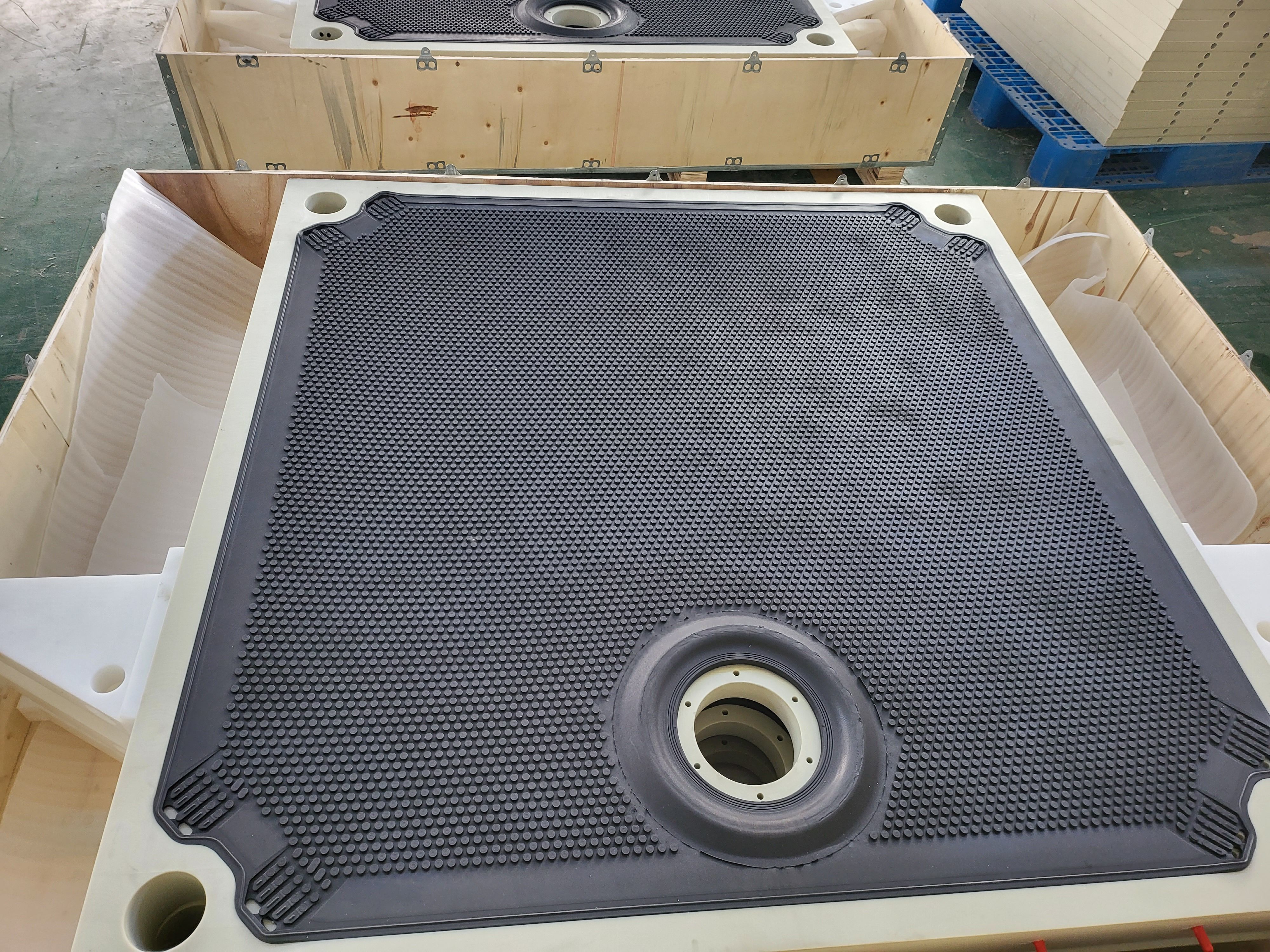
In the realm of chemical processing, diaphragm plates have emerged as pivotal components that significantly enhance operational efficiency and safety. These plates, typically made from a variety of materials, serve vital roles in processes ranging from filtration and separation to pressure regulation and containment. As industries strive for improved productivity and reduced environmental impact, the innovative application of diaphragm plates is transforming how chemical processing facilities operate.
Understanding the Functionality of Diaphragm Plates
Diaphragm plates function as barriers that manage the flow of fluids and gases in chemical processes. They can regulate pressure, separate different phases of matter, or facilitate reactions by creating controlled environments. Their design and material composition allow for a high degree of flexibility and resilience, making them suitable for various aggressive chemicals and extreme conditions.
Key Benefits of Diaphragm Plates
The advantages of incorporating diaphragm plates into chemical processing systems are manifold:
- **Efficiency Improvements**: Diaphragm plates facilitate more efficient chemical reactions by optimizing flow dynamics and ensuring consistent pressure levels.
- **Enhanced Safety**: By controlling fluid movement and preventing leaks, diaphragm plates play a crucial role in maintaining safe operational environments.
- **Versatility**: Available in various materials such as rubber, plastic, and metal, diaphragm plates can be tailored to meet specific process requirements, making them suitable for diverse applications.
- **Cost Effectiveness**: The durability and reliability of diaphragm plates can lead to reduced maintenance costs and increased equipment lifespan.
Innovative Applications in Chemical Processing
1. Filtration and Separation
In chemical processing, the need for efficient filtration and separation is paramount. Diaphragm plates are employed in membrane filtration systems that separate solids from liquids or gases from gases. This process is crucial for producing high-purity chemicals and ensuring product quality.
Microfiltration and Ultrafiltration
Microfiltration and ultrafiltration processes utilize diaphragm plates to create barriers that selectively allow certain particles to pass while retaining others. This application is particularly beneficial in industries such as pharmaceuticals and food processing, where product integrity is essential.
2. Pressure Control and Regulation
Diaphragm plates are integral to pressure control systems within chemical processing. By acting as flexible barriers, they can respond dynamically to changes in pressure, ensuring optimal conditions for processes such as distillation and chemical reactions.
Pressure Relief Applications
In scenarios where pressure build-up can pose safety risks, diaphragm plates are employed in pressure relief valves. These plates prevent over-pressurization, thereby safeguarding equipment and personnel within processing facilities.
3. Containment and Barriers
Diaphragm plates are also utilized as containment barriers, preventing the leakage of hazardous materials. This is particularly important in chemical processing where toxic or corrosive substances are handled.
Secondary Containment Systems
In secondary containment systems, diaphragm plates serve as protective barriers that prevent spills from contaminating the surrounding environment, thus enhancing safety and compliance with environmental regulations.
4. Enhancing Reactors
The role of diaphragm plates in chemical reactors cannot be overstated. They help maintain the required conditions for chemical reactions, such as temperature and pressure.
Batch and Continuous Reactors
In both batch and continuous reactors, diaphragm plates are used to control the flow of reactants and products, ensuring optimal reaction rates and yield.
Material Innovations in Diaphragm Plates
The effectiveness of diaphragm plates is largely determined by the materials from which they are made. Recent advancements in material science have led to the development of new compositions that enhance the performance of diaphragm plates in chemical processing.
High-Performance Elastomers
High-performance elastomers are increasingly used in diaphragm plates due to their superior chemical resistance and flexibility. These materials can withstand harsh operating conditions, making them ideal for demanding applications.
Composite Materials
The use of composite materials in diaphragm plates offers enhanced strength and durability. These composites can be engineered to exhibit specific properties, such as increased resistance to temperature variations and chemical corrosion.
Case Studies: Successful Implementations
Numerous industries have successfully integrated diaphragm plates into their chemical processing systems, reaping the benefits of enhanced efficiency and safety.
Pharmaceutical Industry
In the pharmaceutical sector, diaphragm plates are used in filtration systems to ensure the purity of products. A leading pharmaceutical manufacturer implemented advanced diaphragm plate technology, resulting in a 30% increase in process efficiency while maintaining stringent quality standards.
Chemical Manufacturing
A chemical manufacturing company adopted diaphragm plates in its pressure control systems. This innovation led to reduced downtime and minimized the risks associated with pressure build-up, ultimately enhancing overall productivity.
Future Trends in Diaphragm Plate Technology
The landscape of diaphragm plate technology is continually evolving. Key trends shaping the future include:
Smart Diaphragm Plates
The integration of smart sensors into diaphragm plates offers real-time monitoring of pressure, temperature, and flow rates. This advancement allows for predictive maintenance and improved process control.
Sustainability Focus
As industries move towards sustainable practices, the development of eco-friendly diaphragm plates made from recyclable materials is gaining traction. This focus on sustainability aligns with global efforts to reduce environmental impact.
FAQs About Diaphragm Plates in Chemical Processing
1. What are diaphragm plates made of?
Diaphragm plates can be made from various materials, including rubber, plastic, and metal, depending on the application requirements and the chemicals involved.
2. How do diaphragm plates improve safety in chemical processing?
Diaphragm plates prevent leaks and control pressure, thereby reducing the risk of accidents and protecting both personnel and the environment.
3. Can diaphragm plates be customized for specific applications?
Yes, diaphragm plates can be tailored in terms of material, thickness, and design to meet the specific demands of various chemical processes.
4. What industries benefit the most from diaphragm plates?
Industries such as pharmaceuticals, food processing, and chemical manufacturing greatly benefit from the use of diaphragm plates due to their efficiency and safety features.
5. What is the future outlook for diaphragm plate technology?
The future of diaphragm plate technology looks promising, with advancements in smart technology and sustainable materials driving innovation and enhancing performance in chemical processing.
Conclusion
Diaphragm plates are revolutionizing the chemical processing industry by enhancing efficiency, safety, and sustainability. As we continue to explore innovative uses and advancements in diaphragm plate technology, it becomes evident that these components play a crucial role in the future of chemical processing. By embracing these innovations, companies can optimize their operations, lead in safety standards, and contribute to a more sustainable industrial landscape.
Related News



Get a Quote
Contact us now for product quotations and technical support.