
-
AboutHebei Linaier Rubber Products Co., Ltd. is located in Duqiao Industrial Zone, Jingxian City, Hebei Province, adjacent to Dezhou, Shandong. Founded in early 2001 with a registered capital of 35 million yuan, it is a scientific

-
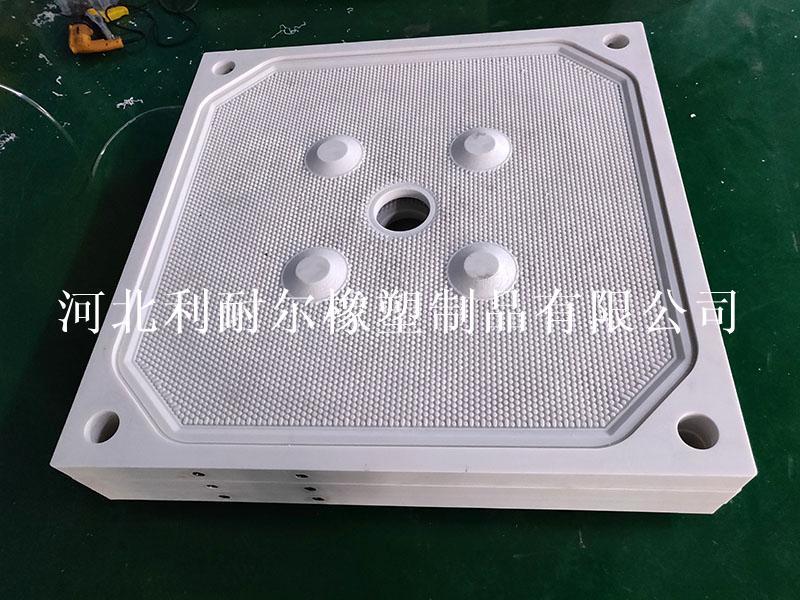
ProductMain products: vertical and horizontal imported and domestic filter plates, diaphragm plates, diaphragms and accessories; pinch valve sleeves and pinch valves and various mining accessories.
-
NewsIn 2013, our company's high-pressure cylinder with phenolic cloth support and guide ring obtained the national key new product certificate, project number: 2013GRA20011; its products in coal cylinders and engineering hydrauli
-
ServiceWe will actively cooperate with more enthusiasm, strengthen internal management, expand the market externally, improve various performance indicators of existing products, and truly achieve our win-win situation!
-
RecruitmentOur company always adheres to the talent concept of "people-oriented", provides a growth platform for talents, and realizes the common growth and development of enterprises and talents.


 Esperanto
 Shqiptare
 Euskara
 Zulu
Zulu
 Latinus
 Cymraeg
 தமிழ்
தமிழ்
 Slovak
 Slovak
 Afrikaans

Understanding Sealing Rings: Essential Components in Chemical and Plastic Applications
Release time:
2024-11-06
Sealing rings, also known as O-rings or gasket seals, play a pivotal role in ensuring the integrity and functionality of various equipment and products in the chemical and plastic sectors. These rings are designed to prevent the leakage of fluids or gases, thereby safeguarding both the process and the environment. Understanding their characteristics and applications can greatly enhance operational efficiency and safety.
Sealing rings, also known as O-rings or gasket seals, play a pivotal role in ensuring the integrity and functionality of various equipment and products in the chemical and plastic sectors. These rings are designed to prevent the leakage of fluids or gases, thereby safeguarding both the process and the environment. Understanding their characteristics and applications can greatly enhance operational efficiency and safety.
1. **Material Selection**: The choice of material for sealing rings is critical. In the chemical industry, sealing rings must endure harsh conditions, including extreme temperatures, pressures, and corrosive substances. Common materials include nitrile rubber (NBR), fluorocarbon (FKM), and silicone. Each material offers unique advantages—NBR is known for its oil resistance, while FKM provides excellent chemical resistance. When selecting a sealing ring, it is crucial to consider the specific chemical environment and operating conditions.
2. **Design and Sizing**: The effectiveness of a sealing ring largely depends on its design and proper sizing. O-rings, for instance, come in various cross-sectional shapes and sizes. Ensuring the correct fit is essential; an improperly sized ring can lead to leaks and equipment failure. Companies often refer to standardized sizing charts to find the right dimensions. Additionally, the design should accommodate dynamic movements if the application involves moving parts.
3. **Applications**: Sealing rings are used in a vast array of applications, from pumps and valves to hydraulic systems and chemical processing equipment. In the chemical industry, they are integral in preventing leaks in pressurized systems and ensuring the safe containment of hazardous materials. In plastic products, sealing rings can enhance the durability of containers, preventing spillage and ensuring product integrity during transportation and storage.
4. **Maintenance and Replacement**: Regular inspection and maintenance of sealing rings are vital to prevent failures. Signs of wear, such as cracking, hardening, or swelling, indicate that a replacement is necessary. Establishing a routine maintenance schedule can prolong the life of sealing rings and the equipment they protect.
5. **Regulatory Considerations**: Compliance with industry standards and regulations is essential when selecting and using sealing rings in chemical applications. Ensure that the materials used meet the necessary safety and environmental regulations, which can vary by region and application.
In conclusion, sealing rings are indispensable in the chemical and plastic sectors. By understanding their material properties, design requirements, and applications, professionals can make informed decisions that enhance safety and efficiency in their operations. Investing time in selecting the appropriate sealing rings can lead to significant long-term benefits, including reduced downtime and improved product reliability.
Related News