
-
AboutHebei Linaier Rubber Products Co., Ltd. is located in Duqiao Industrial Zone, Jingxian City, Hebei Province, adjacent to Dezhou, Shandong. Founded in early 2001 with a registered capital of 35 million yuan, it is a scientific

-
ProductMain products: vertical and horizontal imported and domestic filter plates, diaphragm plates, diaphragms and accessories; pinch valve sleeves and pinch valves and various mining accessories.
-
NewsIn 2013, our company's high-pressure cylinder with phenolic cloth support and guide ring obtained the national key new product certificate, project number: 2013GRA20011; its products in coal cylinders and engineering hydrauli
-
ServiceWe will actively cooperate with more enthusiasm, strengthen internal management, expand the market externally, improve various performance indicators of existing products, and truly achieve our win-win situation!
-
RecruitmentOur company always adheres to the talent concept of "people-oriented", provides a growth platform for talents, and realizes the common growth and development of enterprises and talents.


language
English
العربية
বাংলাদেশ
Български
Hrvatski
Česky
Dansk
Nederland
 Esperanto
Slovenski
Filipino
Suomi
Français
Maori
 Shqiptare
Georgian
 Euskara
Deutsch
Ελλάδα
ישראל
इंडिया
Magyarország
Ísland
Indonesia
Irlanda
Italia
日本語
Sovensko
Հայաստան
한국
Kyrgyz
ປະເທດລາວ
 Zulu
Zulu
Latvian
Lithuanian
Luxembourgish
 Latinus
Macedonian
Малайская
Maltese
Монгол улс
 Cymraeg
ဗမာ
 தமிழ்
தமிழ்
नेपाल
Norge
ایران
Polska
Portugal
România
Российская
Србија
 Slovak
Србија
 Slovak
Bosanski
Slovenian
Беларус
España
Sverige
Точик
ประเทศไทย
Türk
Azərbaycan
Uzbek
 Afrikaans
Việt Nam

1200 Diaphragm Plate vs. Other Filter Plates: Essential Insights for Optimal Filtration
Release time:
2026-09-26
1200 Diaphragm Plate vs. Other Filter Plates: What You Need to Know Table of Contents Introduction to Filter Plates Understanding Diaphragm Plates 1200 Diaphragm Plate Specifications Comparing Filter Plate Types Advantages of the 1200 Diaphragm Plate Applications of Different Filter Plates Maintenance and Durability Considerations Conclusion Frequently Asked Qu
1200 Diaphragm Plate vs. Other Filter Plates: What You Need to Know
Table of Contents
- Introduction to Filter Plates
- Understanding Diaphragm Plates
- 1200 Diaphragm Plate Specifications
- Comparing Filter Plate Types
- Advantages of the 1200 Diaphragm Plate
- Applications of Different Filter Plates
- Maintenance and Durability Considerations
- Conclusion
- Frequently Asked Questions
Introduction to Filter Plates
Filter plates play a crucial role in various industrial processes, particularly in the separation of solids from liquids. Understanding the different types of filter plates available is essential for selecting the right one for your specific needs. Among the numerous options, the **1200 diaphragm plate** stands out due to its unique features and advantages. This article delves into the intricacies of the 1200 diaphragm plate, comparing it with other filter plates to provide you with comprehensive insights.
Understanding Diaphragm Plates
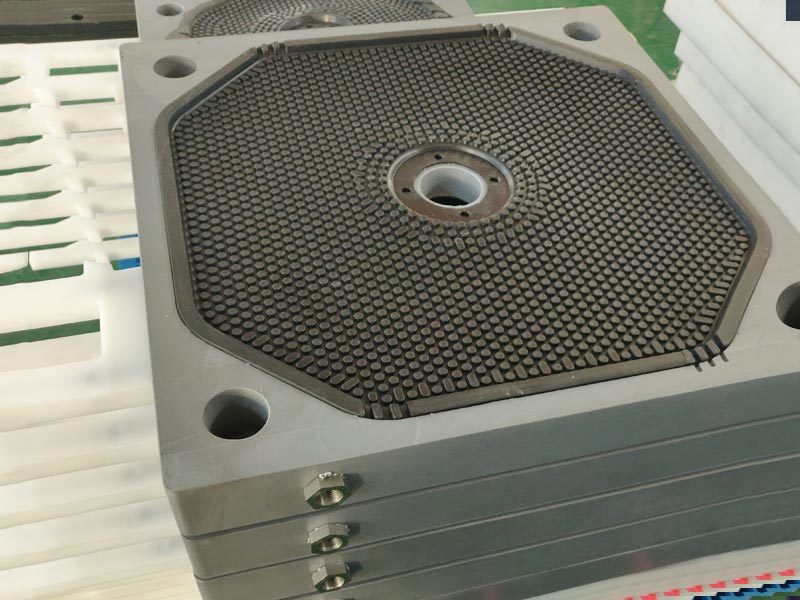
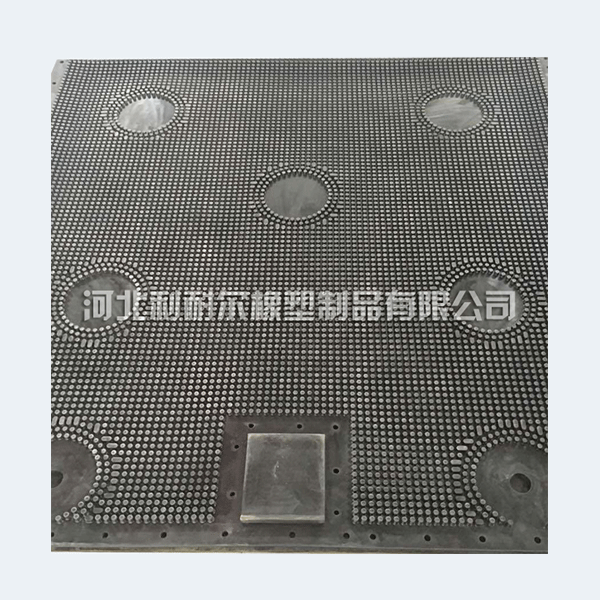
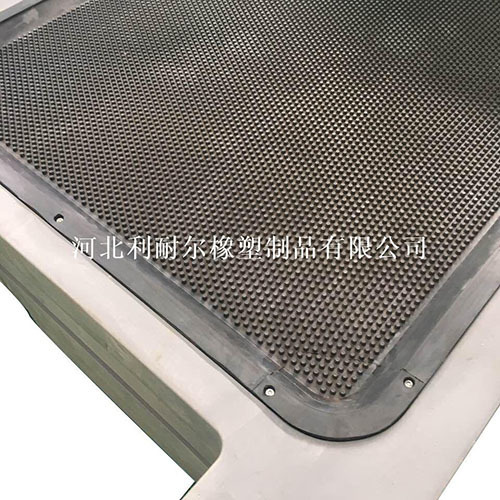
Diaphragm plates are specialized filter components designed for high-performance liquid filtration. They utilize a flexible membrane that helps in controlling the flow of liquids while effectively separating solids. The diaphragm's flexibility and responsiveness make it an ideal choice for various applications, including wastewater treatment, chemical processing, and food processing.
What Sets Diaphragm Plates Apart?
Unlike traditional filter plates, diaphragm plates offer several unique characteristics:
- **Flexibility**: The diaphragm can adjust to varying pressures, providing efficient filtration.
- **Enhanced Cake Release**: The design facilitates easier cake release, minimizing downtime and maintenance.
- **Improved Filtration Efficiency**: The precision of diaphragm plates allows for finer filtration, producing cleaner effluents.
1200 Diaphragm Plate Specifications
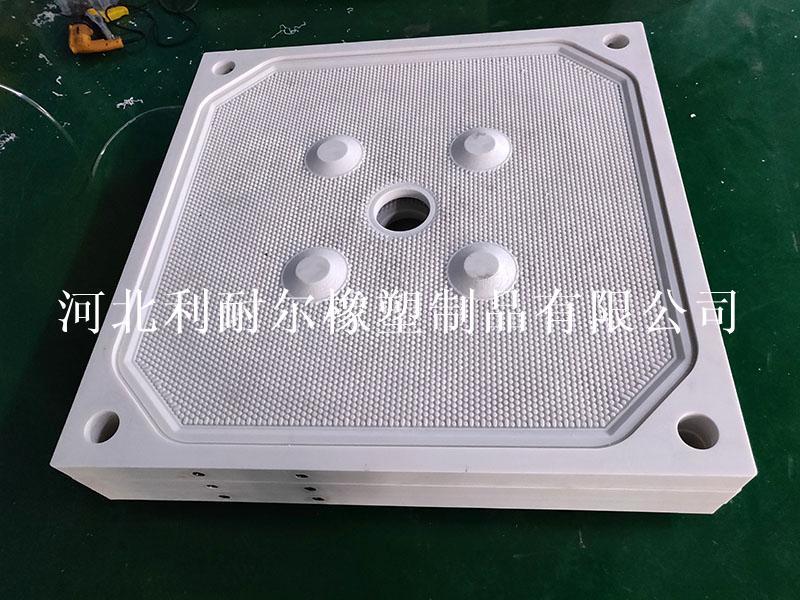
The **1200 diaphragm plate** boasts specific dimensions and features that make it suitable for various industrial applications. Here are some of its key specifications:
- **Dimensions**: The 1200 diaphragm plate typically measures **1200 mm x 1200 mm**, providing ample surface area for efficient filtration.
- **Material**: Constructed from high-quality polypropylene or similar materials, it ensures durability and resistance to chemicals.
- **Pressure Rating**: The plate can withstand high-pressure conditions, making it ideal for demanding applications.
- **Filtration Capacity**: Designed for high throughput, the 1200 diaphragm plate offers superior filtration capacity compared to traditional plates.
Technical Features
The technical features of the 1200 diaphragm plate include:
- **Temperature Resistance**: Capable of withstanding high temperatures, enhancing its utility in various settings.
- **Customizable Options**: Available in various configurations to suit specific filtration requirements.
Comparing Filter Plate Types
When it comes to filter plates, several types are commonly used in industries. Understanding how the 1200 diaphragm plate compares to other types is essential for making an informed decision.
Traditional Filter Plates
Traditional filter plates, often made from solid materials, are less flexible and may not perform as efficiently under varying pressure conditions. They are suitable for basic applications but may struggle with more demanding filtration tasks.
Advantages of Traditional Filter Plates
- Simplicity in design
- Cost-effectiveness for basic filtration needs
Membrane Filter Plates
Membrane filter plates are similar to diaphragm plates but typically utilize a rigid membrane. While they offer some advantages, they may not match the flexibility and cake release efficiency of the 1200 diaphragm plate.
Advantages of Membrane Filter Plates
- Suitable for high-clarity applications
- Good for specific filtering tasks where precision is required
Advantages of the 1200 Diaphragm Plate
The **1200 diaphragm plate** has several advantages that make it an appealing option for many industries:
High Efficiency
Thanks to its design, the 1200 diaphragm plate provides high filtration efficiency, ensuring that even the finest particles are effectively removed from liquids.
Economical Operation
The diaphragm plate's enhanced cake release reduces the need for extensive maintenance, translating to lower operational costs over time.
Versatility in Applications
The 1200 diaphragm plate is suitable for a wide range of applications, including but not limited to:
- **Chemical Processing**: Ideal for filtering corrosive liquids.
- **Wastewater Treatment**: Effective in separating solids from wastewater streams.
- **Food Industry**: Ensures compliance with hygiene standards during food processing.
Applications of Different Filter Plates
Understanding the applications of various filter plates will aid in selecting the right one for your needs.
Industrial Applications
Different industries utilize filter plates for specific purposes. Here’s how they are applied:
- **Mining and Mineral Processing**: For separating valuable minerals from slurries.
- **Pharmaceuticals**: Ensuring the purity of solutions used in drug manufacturing.
Environmental Applications
Filter plates play a vital role in environmental management:
- **Wastewater Filtration**: Used in municipal treatment plants to clean wastewater before discharge.
- **Sludge Management**: Helps in reducing the volume of sludge for easier disposal.
Maintenance and Durability Considerations
The longevity and effectiveness of filter plates largely depend on their maintenance.
Routine Checks
Regular inspections are necessary to ensure optimal performance. Key areas to focus on include:
- **Seal Integrity**: Ensure that seals are intact to prevent leaks.
- **Surface Condition**: Check for wear and tear on the filtration surface.
Cleaning Protocols
Implementing proper cleaning protocols will extend the lifespan of filter plates. Recommendations include:
- **Use of Non-Abrasive Cleaners**: Prevent damage to the plate surface.
- **Regular Backwashing**: Helps in maintaining flow rates and efficiency.
Conclusion
Choosing the right filter plate is crucial for effective filtration in industrial processes. The **1200 diaphragm plate** offers distinct advantages over other types, including flexibility, efficiency, and versatility. By understanding its specifications and applications, businesses can make informed decisions that enhance operational efficiency and reduce costs. In the world of filtration, the **1200 diaphragm plate** stands out as a superior choice for a wide range of applications.
Frequently Asked Questions
1. What is a diaphragm filter plate?
A diaphragm filter plate is a type of filter plate that uses a flexible membrane to enhance filtration efficiency and facilitate cake release during operation.
2. How does the 1200 diaphragm plate compare to traditional filter plates?
The 1200 diaphragm plate offers superior flexibility and cake release, making it more efficient than traditional filter plates, especially in high-pressure applications.
3. What industries commonly use diaphragm plates?
Diaphragm plates are commonly used in industries such as chemical processing, wastewater treatment, food processing, and pharmaceuticals.
4. How often should filter plates be maintained?
Routine checks and maintenance should be conducted regularly, typically every few months, depending on the intensity of usage and the nature of the materials filtered.
5. Can diaphragm plates be customized for specific applications?
Yes, diaphragm plates, including the 1200 model, can be customized in terms of size, material, and specific features to meet varying operational requirements.
Related News