
-
AboutHebei Linaier Rubber Products Co., Ltd. is located in Duqiao Industrial Zone, Jingxian City, Hebei Province, adjacent to Dezhou, Shandong. Founded in early 2001 with a registered capital of 35 million yuan, it is a scientific

-
ProductMain products: vertical and horizontal imported and domestic filter plates, diaphragm plates, diaphragms and accessories; pinch valve sleeves and pinch valves and various mining accessories.
-
NewsIn 2013, our company's high-pressure cylinder with phenolic cloth support and guide ring obtained the national key new product certificate, project number: 2013GRA20011; its products in coal cylinders and engineering hydrauli
-
ServiceWe will actively cooperate with more enthusiasm, strengthen internal management, expand the market externally, improve various performance indicators of existing products, and truly achieve our win-win situation!
-
RecruitmentOur company always adheres to the talent concept of "people-oriented", provides a growth platform for talents, and realizes the common growth and development of enterprises and talents.


 Esperanto
 Shqiptare
 Euskara
 Zulu
Zulu
 Latinus
 Cymraeg
 தமிழ்
தமிழ்
 Slovak
 Slovak
 Afrikaans

Innovative Uses for 1000 Filter Plates in Various Industries
Release time:
2026-01-29
Innovative Uses for 1000 Filter Plates in Various Industries Table of Contents Introduction to Filter Plates and Their Importance What Are Filter Plates? Key Industries Utilizing Filter Plates Water Treatment Facilities Food Processing and Beverage Industry Chemical and Pharmaceutical Industries Mining and Metallurgy
Innovative Uses for 1000 Filter Plates in Various Industries
Table of Contents
- Introduction to Filter Plates and Their Importance
- What Are Filter Plates?
- Key Industries Utilizing Filter Plates
- Benefits of Using Filter Plates in Various Applications
- Innovative Applications of 1000 Filter Plates
- The Future of Filter Technology and 1000 Filter Plates
- Conclusion
- Frequently Asked Questions
Introduction to Filter Plates and Their Importance
In today's rapidly evolving industrial landscape, the role of filtration technology cannot be overstated. Among the various filtration components, **1000 filter plates** stand out for their versatility and efficiency. These plates serve not only as a means of filtration but also as vital tools that enhance operational efficiency across multiple sectors. As industries strive to maximize productivity while minimizing environmental impact, understanding the innovative uses of these filter plates becomes crucial.

What Are Filter Plates?
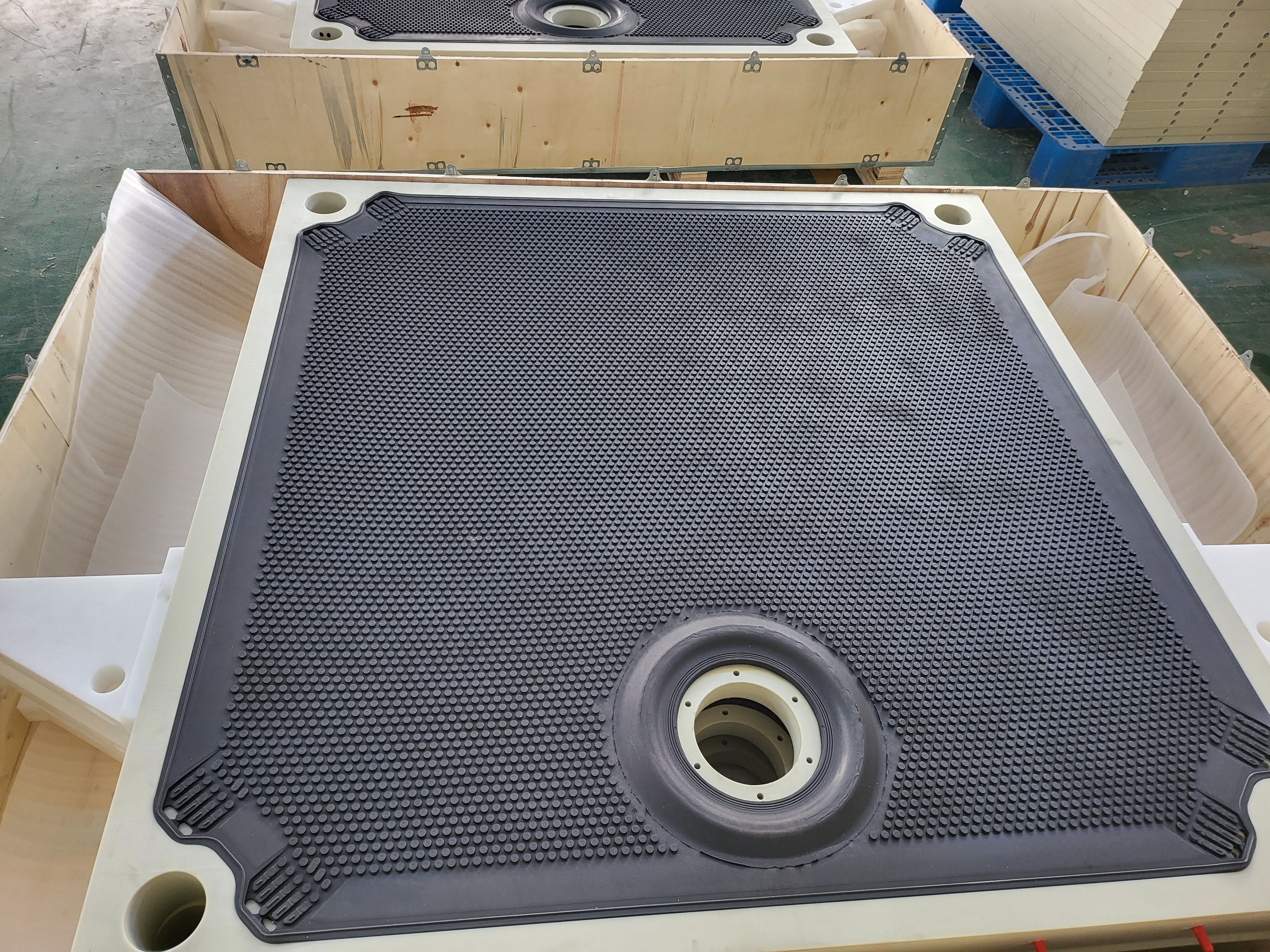
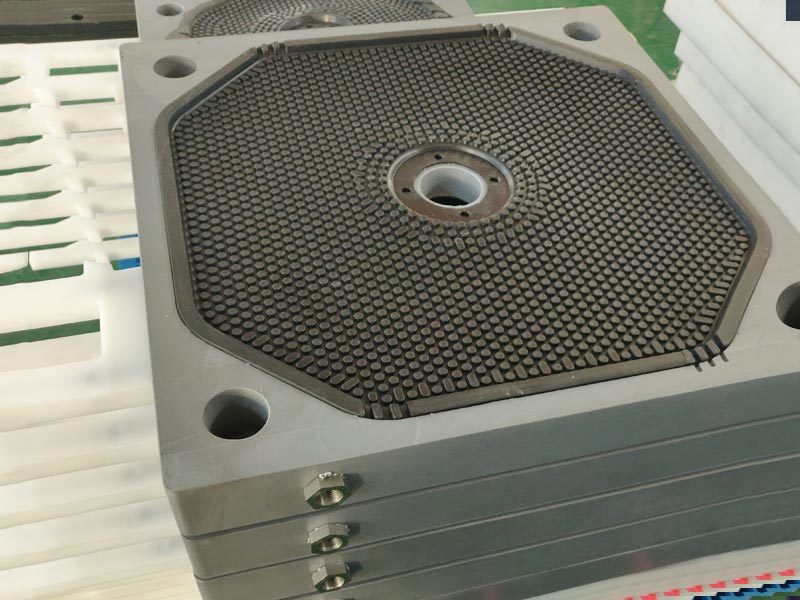
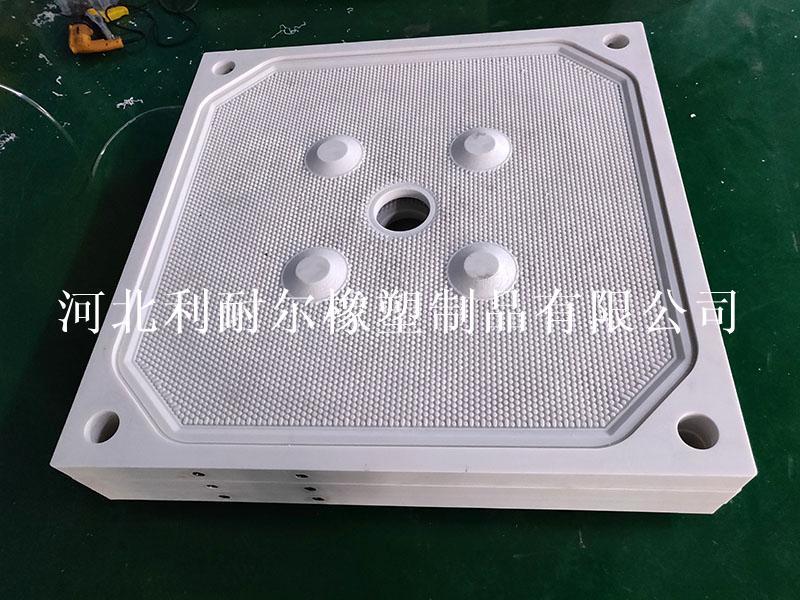
**Filter plates** are designed to separate solid materials from liquids or gases through various filtration processes. Typically made from durable materials such as polypropylene, stainless steel, or other specialized substances, these plates come in multiple designs and sizes tailored to specific applications. The operational principle often involves pressure or vacuum-based filtration, where the liquid is forced through the porous media, leaving behind solid contaminants.
The **1000 filter plate** model is particularly notable for its adaptability, making it suitable for a wide array of industrial applications. Their design offers a combination of strength, light weight, and chemical resistance, making them an ideal choice for demanding environments.
Key Industries Utilizing Filter Plates
Numerous industries have adopted **filter plates** to enhance their processes. Below, we explore the most prominent sectors leveraging this technology.
Water Treatment Facilities
Water treatment facilities play a pivotal role in safeguarding public health and the environment. **1000 filter plates** are essential in these settings, used for processes such as **microfiltration** and **ultrafiltration**. They effectively remove impurities, pathogens, and particulates, ensuring safe drinking water and compliance with regulatory standards. Moreover, their robustness allows for extended service life and reduced maintenance costs.
Food Processing and Beverage Industry
The food and beverage industry heavily relies on stringent filtration standards to ensure product quality and safety. **1000 filter plates** are instrumental in various stages, from **clarification** of juices and wines to **removal of solid contaminants** in dairy production. Utilizing these plates not only enhances product quality but also boosts production efficiency by minimizing downtime associated with cleaning and maintenance.
Chemical and Pharmaceutical Industries
In the chemical and pharmaceutical sectors, precise filtration is critical for maintaining product integrity and compliance with stringent safety regulations. **1000 filter plates** are utilized for purifying chemicals, separating active ingredients, and ensuring sterility in pharmaceutical products. Their ability to withstand harsh chemicals and high pressures makes them a preferred choice in these industries.
Mining and Metallurgy
The mining and metallurgy industries face unique challenges in processing materials efficiently. **1000 filter plates** are used for **dewatering**, separating valuable minerals from slurries. This not only improves the recovery rate of metals but also reduces the environmental footprint of mining operations by minimizing waste water discharge.
Benefits of Using Filter Plates in Various Applications
The advantages of using **1000 filter plates** extend beyond mere filtration. By integrating these plates into industrial processes, companies can realize significant benefits, including:
- **Enhanced Efficiency**: Filter plates streamline operations, reducing processing time and increasing throughput.
- **Cost-Effectiveness**: Their longevity and durability lead to lower replacement and maintenance costs, contributing to overall operational savings.
- **Improved Product Quality**: By effectively removing unwanted particles and contaminants, filter plates ensure high-quality outputs that meet industry standards.
- **Environmental Sustainability**: Utilizing filter technology can reduce waste and enhance the sustainability of industrial operations, aligning with modern corporate responsibility goals.
Innovative Applications of 1000 Filter Plates
The versatility of **1000 filter plates** opens doors to incredible innovations across various industries. As we delve deeper, we discover how organizations are creatively employing these essential components.
Customized Solutions for Specific Needs
Many industries face unique filtration challenges. Companies are increasingly turning to customized **filter plate solutions** designed to meet specific operational requirements. These tailored solutions often involve adjusting the material composition, plate size, and pore structure to optimize performance. This level of customization ensures that businesses can maximize efficiency and enhance their operational capabilities.
Sustainability Practices with Filter Plates
As industries move towards more sustainable practices, **1000 filter plates** offer a pathway to reducing environmental impact. By improving water reuse and recycling processes, these plates contribute to resource conservation. Their design also minimizes energy consumption during filtration, aligning with the global shift towards eco-friendly manufacturing practices. The ability to implement sustainable filtration solutions not only meets regulatory requirements but also enhances a company's reputation among environmentally conscious consumers.
The Future of Filter Technology and 1000 Filter Plates
As technology advances, the future of filter plates looks promising. Innovations in materials science and engineering are paving the way for even more efficient and effective filtration solutions. Upcoming trends may include:
- **Smart Filtration Systems**: Integration of IoT technology could lead to smarter filter plates that monitor performance and provide real-time data for optimization.
- **Biodegradable Materials**: The development of eco-friendly materials for filter plates will further enhance sustainability efforts across industries.
- **Nanotechnology**: Advances in nanotechnology may allow for the creation of filter plates with enhanced filtration capabilities, enabling the removal of even finer particles.
These innovations could redefine filtration processes, making industries more efficient and environmentally friendly.
Conclusion
The **1000 filter plates** are more than just essential industrial components; they represent a critical element in modern filtration technology. Their innovative applications across various sectors—from water treatment to food processing and beyond—demonstrate their versatility and effectiveness. As industries continue to pursue efficiency and sustainability, embracing advanced filtration solutions like filter plates will be paramount. By investing in this technology, companies can enhance their operations, improve product quality, and contribute to a more sustainable future.
Frequently Asked Questions
1. What materials are filter plates made from?
Filter plates can be made from various materials, including polypropylene, stainless steel, and other specialized substances designed to withstand specific operational conditions.
2. How do filter plates improve industrial efficiency?
Filter plates enhance efficiency by streamlining processes, reducing maintenance downtime, and ensuring high-quality outputs through effective filtration.
3. Can filter plates be customized for specific applications?
Yes, filter plates can be customized in terms of size, material, and pore structure to meet the unique requirements of different industries.
4. What industries benefit the most from using filter plates?
Industries such as water treatment, food processing, chemical manufacturing, and mining significantly benefit from using filter plates.
5. Are filter plates environmentally friendly?
Filter plates can contribute to environmental sustainability through efficient resource use, waste reduction, and energy savings during filtration processes.
Related News